1 free read left. Create a free account for unlimited reading + AI research.
Create free account
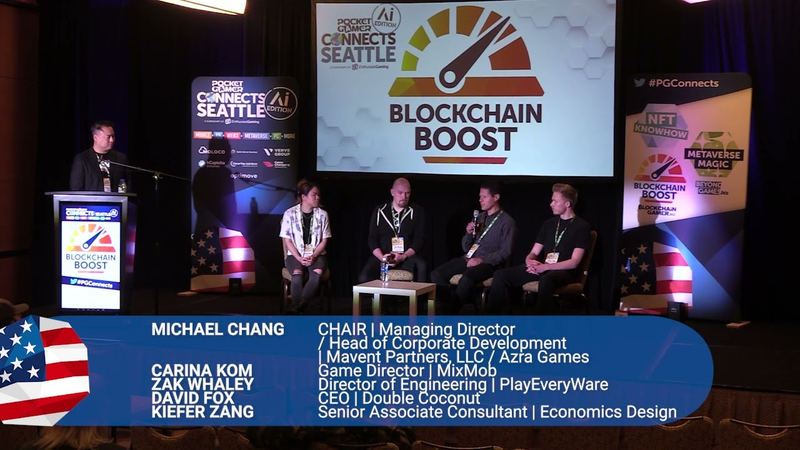
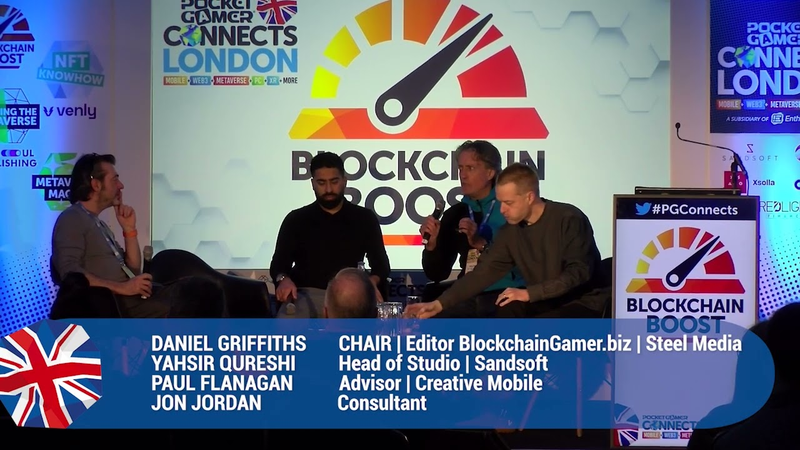
Panel: Beyond the Dawn: What to Expect From Blockchain Gaming in 2023
Key insights
5 takeaways- 01The blockchain gaming industry is shifting away from speculative play-to-earn models toward high-quality, sustainable titles that prioritize long-term player retention.
- 02Development focus has moved to 'play-and-own' mechanics, where digital ownership serves as an enhancement to the user experience rather than a primary source of income.
- 03The sector is moving toward functional decentralization, prioritizing gameplay-first design over the speculative rhetoric previously associated with the metaverse.
- 04Developers are increasingly treating blockchain technology as an invisible backend enabler to integrate decentralized features without alienating mainstream gaming audiences.
- 05Industry success is now defined by the creation of stratified, player-owned economies and the promotion of user-generated content rather than aggressive tokenization.
Ask AI about this video
Transcript
foreign [Music] [Applause] having our panel so uh Daniel's here that's always good to have a moderator uh Paul so the panel is uh is discussing that those big questions that can never be answered I suppose but can always be discussed what to expect from blockchain gaming in 2023 but uh I think Paul will at least have some some concrete answers about what he's up to at least I'm uh Daniel Griffis I'm the editor of pocketgamer.biz uh formerly the editor of blockchain gamer uh doctors so uh
yeah so I'm I'm here to ask ask the ask the big questions as regards blockchain so uh we'll get cracking fellas can you introduce yourself say what it is that you do who you are why you're here uh sure uh hello everyone my name is Yasha I am a head of Studio at sansoff games um I've been in the industry for about 14 years I've worked on various AAA console games including FIFA Need for Speed and also uh some free to play mobile games like dawn of Titan CSR Racing and so on um we at sansoft are developing a game which includes some nft elements to it uh with a studio out here in the UK hence why I am sitting on this panel I guess as well hi everybody I'm Paul Flanagan I'm with creative mobile we're uh free to play uh Game Dev based in Estonia and I'm on the Corp Dev side in any business reason I'm here is we started building blockchain
games in 2018 did a couple of experimental things and for the last 18 months we've been building a drag racing game on the blockchain which Builds on IP which we've developed over the last 10 years hello and I'm John Jordan so um I uh I was actually co-founder of Steel media a long time ago so so part of the Pocket Gamer founding team but that was a while ago now um so since 2018 I've been uh heavily into blockchain I'm actually launched the uh blockchain gamer not business that also seems a long time ago um but uh I also do some Consulting I write a sub stack uh called games TX which is all about blockchain games um and I'm yeah just heavily into the space and very uh intellectually interested in what's going on I wouldn't say I'm an expert but uh always curious pretty close uh fantastic thank you for that fellas um so the reason we're here we want to discuss blockchain the state of playing blockchain in 2023 it feels like it's been a long and strange year I would say things feel different from the
the this exact spot uh in in 2022 what what do you think's changed throughout the year uh and and what do you think the state of players right now are we still optimistic for about blockchain okay I'll kick off um I think with any uh nascent technology something that's coming in for the first time you just gotta look back through history to to understand what the what the trends will be um you'll see that it always goes through a period where you have a lot of um um less what nefarious characters lots of uh um well questionable games um and and we're still in the midst of that um and there's also I think what what kind of makes blockchain a little bit more unique is that you're coming into an environment where you're not introducing something that's brand new to Gamers um I think I've seen the presentation before pretty much everything you can do in web3 you can do in web 2 and you can you know um pick up any game you want
now Ubisoft has been doing it for years where you know you've got they've got their sharing system and you can take things across from Assassin's Creed into a Far Cry game you can do what you want so these things exists which is why you have a lot of people questioning what is the point of it what is it there for um and I still don't believe that that question has really been um answered like it's it's sort of fair to say yes you can own something but but why there are millions of Gamers who spend billions of dollars a year who are completely fine without owning anything and so you have to kind of frame it in that way so I think where we are now is is is pretty much where we were last year with the exception of two things one is a lot of the hype is gone which is allowing people who are genuine about the space to focus on creating games in the space um and then the second is that you don't have that same level of investment which means that you aren't attracting the same type of people who are looking for a quick Buck um as it would have been last year as well but I still think we're a way off
from any kind of um Mass scale uh adoption but that's probably a separate topic so I think this time last year speaking of hype it was certainly high and you know obviously the crypto and related to Ft markets have declined precipitously since but if you talk to players in the market let's say look at some of the networks like polygon or immutable you know they are busy recruiting web 2 devs and bring them on board the time frames they're predicting for us to see these are later this year or next year so we've been working on a title for 18 months we've got a 40 person team on it and I think what people tend to forget is how long it takes to create good games yeah some of the earlier games were you know nefariously set up simple games Ponzi schemes you mentioned CSR if you're going to create something at that scale you need a big team and a long time a lot of
expertise so in November I was at g-star and met all the big Korean Publishers and I was shocked that they're all into web 3 really heavily but they're doing it quietly it's not like some of the bigger say American you know blockchain companies they've they've raised their money or they have it organically and they have existing titles and they're tending to bury the tech inside so they're not saying this is a blockchain game it's it's an MMORPG and if you go in deeply enough you find out that you have an nft and you can do something with it so yes things look different on the surface but I think underneath the trend is a lot's happening yeah I mean I think that's absolutely the case I think the um in some maybe it's just in my mind when I first sort of actually five years
ago at this conference people started talking about nfts and crypto and blockchain in gaming and that was very obvious to me because I thought you know that stage we've seen the rise of free to play mobile and people were running these massive economies worth billing to you know hundreds hundreds of millions of dollars just make fake fake money and I said I just thought oh it's gonna be much easier to have real money isn't it that's going to be uh you know simple um and clearly it wasn't simple but clearly I think you know the one of the problems with blockchain is for those of us in the industry it is some very clear Concepts and I guess if you've been in these talks today or ones yesterday there's some very clear things that always come through about ownership and interoperability and you know some of those are closer than others um but then as we sort of dig into it more the sheer complexity I think of what is being um what blockchain brings potentially to any um uh sort of consumer facing industry but particularly for games it's just so complicated and then you have that attached clearly to whatever's going on crypto which is you know just another thing entirely I mean the amount of um you know not something probably emotional syndrome you know uh touch but the amount of just trading velocity going on in places you know like you know um particularly in Southeast Asia
um it's just you know it's obviously totally unrelated to what's going on in gaming but also totally related to what's going totally impactful on what's going on in gaming so you have these just incredibly sort of complex things going on um actually so and I think definitely last year everyone went through a bit of a um existential sort of what's going on here um from from sort of May through to uh you know at the end of November with FTX um my sort of view was always FTX was sort of the end point of of that contagion that that sort of happened and maybe I'm not too optimistic but going back to Paul's point the thing I've always been struck with is you know over the last uh two years I think it's about 12 billion dollars have been invested into the space not pure into games but all metaverse nfts that sort of stuff so just a lot of money's gone in there obviously must have been wasted but there's a lot of good projects in there and it just takes people a year to 18 months to get those projects out and because like this sort of thing I do I have a really big list of blockchain games about 800 blockchain games um that are in development or live and I have as well as a tab there I have like 40 or 50 which I think like most my most
anticipated games and pretty much they're all bits of those games are all going live at the moment so it's like Paul's lot that's going live on the App Store you know that's fully going live a lot of the games are sort of like well this is in a sort of closed alpha or open Beta or you know in blockchain games are very much like this one of um salami slice sort of product you get a little bit and then a little bit more a little bit more but there are a lot of very experienced teams who have raised a whole bunch of capital I mean even just this week um Jam City they're doing this game called uh Champions Ascension and they just sort of spun out a company from that race 32 million dollars it's really interesting sort of product and I just kind of think it's not the fact that there's so many games coming out something has to stick I hate that as analogy but there are so many experienced companies who know how to make good games because they've been working in the space for you know a decade and they're all doing sort of something slightly different um and just you know from a personal level I just think there's a lot you know you always got to say in the games industry you've never had so many good games because you always have all the old ones and all this only ones are coming but I think there is definitely a trend where from a sort of media point of view the next six to 12 months will just be oh
this blockchain games just come out it's amazing or this blockchain Games come out it wasn't very good or but it's just the head the you know the headlines are going to be oh bunch of blockchain game stuff coming out and I think that will be an interesting sentiment because like when we people talking necessarily about what's the price of Bitcoin and I think that'll be a different narrative and you sort of have you know we had D5 summer in 2020 and then you sort of oh that now it's nft summer or nft whatever it won't you know so people like to put a narrative around what's going on in blockchain and I just I'm not saying it will be sort of like the gaming summer or something I just think there will be an awful lot of sort of narrative around good products coming out and that will that will hopefully shape um the broader ecosystem as well yeah it's it's it certainly feels like there's a lot of kind of shady practices that we're glad to see the back of I think I think there's certain things have fallen by the wayside over this last year and I think we kind of all agree that yeah we don't want them to present what kind of thing are we seeing less or what kind of thing do we not want to come back into the blockchain space I think the the demise of of play to earn is a great thing you know when I
when I saw the way that axi was structured which seemed to be kind of a throwback to Medieval serfdom I thought we probably don't want to recreate that so because you had a network of people with money who were employing people at almost slave wages not good Paul I I I'm going to step in that no I mean I absolutely disagree on every level with that um so I mean the one interesting thing I think was and in some ways you know people who know me I often bought people saying is it you know is it a feature or a bug and I kind of think with active Infinity what happened was you know they didn't do any marketing at all they built an ecosystem and it showed the power of blockchain assets where basically a whole bunch of people in fact Guild sort of built multi-layer marketing around that asset and it wasn't you know I think Sky Mavis was surprised as everyone that game went from literally 10 000 daus to 3 million or two and a half million and there's nothing to do with anything Sky Mavis did it was The Wider ecosystem and again what's going on with crypto
um so which I I I see that I accept that but why I was worrying was how everybody else jumped on top of that I remember I was reading through Linkedin and some VC I know said he was just describing that he said I want more of this you know come to me and yeah maybe you're right but people embraced it I mean I mean one getting back to what we I think once he left over now seeing less of and it sort of underpins what you're saying about actually as well really and maybe the first one to do it to sort of create these tokens and no one had really had a game at scale had created these sort of crypto assets that actually people cared about you know became like a general you know they became a big thing in the even if you weren't playing actually people were speculating on on this as a crypto asset and I think what we've definitely seen um is people don't launch at people don't launch tokens ahead of a game coming out because everyone's been burnt on that as we saw in the last talk you know most games I don't think need a token um you know I think you tokens are
brilliant but they only work if you have an economy that is already up and running and has the potential to be worth tens of millions of dollars you know you need you need that to be there before you launch a token and I think what we are seeing now is people not launching tokens until their games come out or even doing things so big time is a really good example of this where they have a token and actually have nfts but you you don't buy those from the developer basically Gamers go and play the game and they are generating the assets by playing the game so in the case of uh big time there um cosmetic items are basically dropped when you complete boss battles so they're not selling those people are playing the game and the better the bosses you attack and defeat the better the Cosmetic nfts you get and then you can sell them on so that's I mean quite a you know there's no way you can speculate that because there's no you know this wasn't sold at 100 and now it's a thousand dollars or ten dollars because it's just worth nothing and the player base does that and I think that's very holistic and I think that will be
What was seen as sort of best practice um hopefully Shady stuff that we're glad to see the back of what what do you think I mean what's your take on on play to earn as well we did a sort of internal review I think it was last year November time like well actually yeah 2020 November where we were thinking about entering the space and the one you know there are a number of push and pull factors that I think have caused that the kind of hype one of them is UA is a lot harder and you know web3 seems like a More Level Playing Field where it doesn't matter if you're EA or if you're you know a 10 person startup you've got the same kind of understanding which is probably zero um and uh that that helped because it was like oh this is a new area of growth because we're seeing a little bit of sort of you know uh um a sort of staleness there but I mean from from hearing the sort of conversation here and and sort of discussion um Sky Mavis
will go down as as or you know actually Infinity will go down in the history of uh sort of game when you look back at 10 years as being a seminal game whether it's good or bad there's plenty of good and bad in it um but it it will still go down into sort of catalyst for that sort of change but the more that I'm hearing the guys talk the more I'm realizing that the trend is just make good games like I don't it's it's you know all this stuff about like dropping loots and doing doing all this sort of stuff you just got to go back to to how gaming is one thing I really don't like though is the dismissive nature with which people refer to Web 2.0 like it's so old school like it's so out there it's like uh which sort of dinosaur would play those sorts of games a lot more than playing web3 that's who so and and will be for a long while as well so that sort of tone I think is just more a sense of I think people getting you know what's that what's that phrase high off their own Supply and kind of really thinking too much about what they what they've got as being the sort of second coming when actually it is more of an
evolution um and a trend that I would like to see is people seeing it people actually um who are developing these games thinking about the players first not thinking about trying to justify and sell a technology that they have which I think has been the biggest problem is that you've got a lot of these VCS who are invested in these sorts of areas and they see games as the ideal use case because people are already buying digital Goods on a mass scale and they're saying well why on Earth wouldn't they want to own it without really understanding what gamers are about which is it is an escape it is it is fun it is entertainment um I think one of the reasons why axi Infinity would will never scale past those parts in Asia is because it makes such a minimal amount of money um beyond that that you can't ever see somebody in the UK living off of you know farming in uh in these sorts of games as well so there are plenty of lessons to be learned but the one lesson should always be focus on making a really good compelling game and then you
can build around that rather than trying to justify ways of bringing in ownership it does feel like up until now you know blockchain gaming has been about about user acquisition stats and money inevitably do you think there's enough creativity enough quality sort of programming and skills and game making skills within the blockchain space right now I'll also jump on this uh absolutely 100 but I think all of the problems that people are talking about they will be solved so the things to do with um you know um essentially getting rid of all of the technical terminology that surrounds this and making it much more player friendly um so the more that you have to kind of you know talk in in kind of code speak the more people switch off um so the fewer the acronyms the better and and when you're actually sort of selling this to two players you sell it to them with their with their benefit in mind which is about enjoying the game so from that perspective yes I I think that there's so much innovation in this space
a lot more than there has been in um in a sort of traditional console and sort of mobile development and this is this is a space that's right for Innovation but it's also race which has a Level Playing Field which is going to always attract you know more sort of players to it so yeah absolutely I would say I mean so I think there's no there's no sort of right or wrong way to make a blockchain game and I think you know every sort of com every games company is looking at it sort of comes at it from you know from a different perspective and I think that's sort of one of the problems with actually was everyone saw not everyone a lot of people thought that's the template that's how we have to make the game two tokens nfts breeding Laura um and that's completely not the case and I think um you know if you I think it's good that web 2 so if we shouldn't you said something I don't know traditional games companies look at it and sort of think these are the sort of games we make you know how how do how does this can this technology you know connect be useful in what we do I mean personally for me I'm more interested in in the more sort of crypto first DJ and
weirdos who basically haven't made games before and just come at this and go right we're really into crypto we love nfts what crazy kind of stuff can we do with smart contracts um and I think that I think the industry is those sort of games are very hard to understand they're very sort of Niche often um and I think the Innovation that those guys have is often underrated by the general games um industry because the general games industry has a very strong view on what a game is and we sort of saw this a little bit with that free to play mobile came in and the whole kind of thing with their Skinner boxes they're not games and and I think blockchain's that on steroids because these are just really crazy sort of things and a sort of small example I suppose um and it may seem very minor but I think it is quite interesting so yoga Labs obviously well known for having the board apes and the mutant Apes um kind of thing and they've got this game going on at the moment I won't go into all the sort of Law and law is very important in blockchain for setting this stuff up and building Community but basically there's this very simple game and it basically uh it's like Tempest so it's it's called um uh dookie what's it called dookie Dash so it's like an endless Runner and the
whole narrative is there's a radioactive key that's fallen down a sewer and you have to your ape has to go down to to collect it and basically it's a it's an endless Runner and you're basically collecting things and eventually bashing into things and you have to have an nft in order to play this game and if you had a mutinate or a board ape you could basically got a one of these um nfcs called a sewer sewer pass currently selling for about two weeks I think are the cheapest ones um depending on the Rarity there's four different Rarities they have different multiplier on them you can actually spend some eight coin the cryptocurrency to get some boosters for 10 minutes and basically you run you do the tennis Runner and you get a score at the end big leaderboard with everyone playing is about 20 000 of these entities have been created and everyone's going to get a reward if they play the game um so there's this sort of clever thing going on there where the nft the high score is sort of attached to the wallet that the nfts in so you can sell your superpass to someone but then the high score is sectors reset to zero so someone else to play it but when the game ends in the 8th of February the high scores are then attached to the nfts so there's no point obviously
selling the the sewer pass then because the game is finished but it has the high score attached to it so people basically are now using their super passes to get better people better than them to you know kids often to get high scores and then then they'll be able to sell the high scores which will be attached to the nft and obviously the game theory that there is there will be one highest score then and that's the that's the that player will get this mystical key no one knows what it is how it fits into the Yuga Labs you know metaverse sort of thing but but you can just see you know is that a game well no to most of us it's not a game we would particularly want to play but it is an interesting game theory game that has lots of different elements orthogonal to what's going on and obviously it has value around it so that that nft superpass that has the top high score on it that has this is going to win the key is going to be worth obviously considering money so that's what stuff really interests me and I think that is innovation because you're thinking about Assets in a very specific way and maybe the game is sort of a secondary sort of gamified experience around that but I think that that sort of stuff you know over the next decade will become part of of sort of more broad broad
um you know mainstream gaming and I find that sort of stuff fascinating even though that's clearly not going to be mainstream in the next year and and meanwhile we've got you know all these other Studios more traditional Studios who are crunching away trying to get stuff out and you know hopefully in the process being creative as well but I agree with John there's there's been a lot of extraordinary creativity really do we do we feel like um can there ever be a sustainable play to earn system where everyone's happy it's balanced it makes sense it can go on forever or is it always going to be involved in some sort of Thrive dive Loop of of success followed by failure I think it's our mutopia in future possibly yeah it's a that's a that's that's a big question um I certainly wouldn't be putting my focus on play to earn right now um I think if you look back at games that
have very very large economies with you know millions of players each day generating billions of dollars a year there are always um players within that system that aren't happy because they're feeling a grind they're feeling a needs to kind of constantly spend and with play to earn it really relies on having a constant influx of new users coming in because if you don't have those new users coming in you've got no one to really sell to or you've got no way of of kind of expanding the sort of user base the other thing that that I just want to sort of pick up on which is mentioned in the previous one is um when the focus is on selling something you instantly I won't even say just as a gamer just as a person kind of feel like is this is this really what I want to be involved with like is this just a someone's selling me stuff or is this something that I want to enjoy so that kind of Point around you know we can add provenance and and sort of History to a
to an nft and that can increase its value which means I can then look forward to kind of selling it for more if the intention is to sell and to constantly keep selling when you when you sort of raisies you can end up in a situation where um people are just going to get kind of kind of zoned out with it and if your intention actually and this is something that we're focusing on with one of the games that we're working on which is um uh play to own or sort of play and own the expectation shifts the expectation is not that I will make money from this I'm doing this because I just want to own a piece of a game that I really love the way that I always go back to it is to say imagine your favorite game right now FIFA whatever it might be imagine that you could own a piece of that and that's the kind of dream but that doesn't appeal to all the people who play that game it appeals to the people who are you know very very engaged with it as well so those are the types of users that you're really looking to attract and where I kind of see this all kind of ending up is that it will make ownership a really strong element in what are your traditional
franchises and games that are that are big now but it's not going to take over it's not going to suddenly replace them it's it it is going to be an evolution in the next say five to ten years but it's going to have to be a focus on the expectation of you owning without actually earning something from it the moment you put that emphasis on earning then the entire game becomes just a place for you to work and just to make more from and the moment that your expectations are dashed which is a problem with a lot of projects right now is that they promise a lot even with the Yuga lab stuff this element of mystery sounds really cool but the problem is when you raise expectations for gamers or also when you say something like okay we're going to reveal what this is Gamers expectations already through the roof you'll never be able to meet them you'll always up with disappointment and so you always you create this environment where you're kind of almost screwing yourself so you've got to be very transparent with players to tell them what the purpose of this thing is
so that if they are going to make an investment into it they know clearly what it's about so I think that that kind of more of that certainty is sort of needed less of the live experimentation with real value for players because the only people you're really going to attract to people are already in that Community people outside it aren't necessarily going to be involved especially after the last year so but I I now I sort of disagree with that a little bit I mean I I agree with the earning for stuff I mean the play to anything I was a term I never liked and was a bit upset when this guy Maybe started using it um but um I think there is I mean the thing about blockchain is there is always value attached to these things I mean that's sort of I mean that is so you know is that the feature of the bug um but the interesting thing about say your board Apes they were basically they were basically given away so given away now they're very valuable they've created a community around that and we're talking blockchain about Community a lot um and part of that is about you know if you I mean I just happened to know a guy who was chatting to the other day he said oh yeah I just sold 10 board apes and I was like what's how do you have 10
14 something um you know and clearly he's part of that Community because he's made a lot of money from it but that's not the only reason because if everyone was simply bought it now if everyone had one of these assets that's worth a hundred thousand dollars and they just wanted to get hundred thousand dollars they would sell them and clearly they don't so you know the fact these things have value is sort of subtly interesting because it it creates um ownership it creates Community but these people the the only being part of the that community at the moment for most people is more important than the money because otherwise able to sell it off so so something interesting happens and I think we sort of sometimes get the reverse we look at it at the top down and we go these things are worth a hundred thousand dollars in Paris Hilton's just bought one this is terrible but you've sort of forget they were the value was created by people getting them effectively for free and you know Community you know and Market forces created that and that's I think very valuable and sorry getting on to it what I was going to disagree about is I think sometimes the mystery about not knowing what these things are what is going to happen in the future is sort of actually the the sort of part of the community and I don't think you can
maybe you can maybe people always expect too much but I think actually Hugo Labs is a great example of people who sort of you know lucked out and made some made some not very good artwork about apes but have then built this clicks or classic narrative sort of thing about what's going on and obviously they've had a lot of help and built these things out and it's sort of fascinating what they're trying to do and maybe you know it's not for everyone clearly this sort of it's very juvenile sort of humor but it is fascinating that that you know they come up with these things and it's you know what's this key going to be no one knows I mean um so there is there is a Advantage I think I wouldn't say just sort of yeah yeah I mean for full disclosure I do own a boarding so um but but I agree with the community aspect but the emphasis in your communication if you're if you're a studio that's working on these sorts of games you the more you make it about earning potential the the worse off you're going to be in the long run because especially if you've got tokens in your game that you don't really have any control over um you're going to end up in a situation like 99 of all the projects that have
happened last year um so for me it's just more of an emphasis in your external Communications around the ownership aspect rather than the earning aspect and the more that you do that the more it sets expectations for anybody being involved that that's what they want to do and for example with something like board eight like if you if you if you want to take that further to actual Gamers you will have to change how you behave with them versus the current Community because the current Community if they lose money here or there given the entry level to get into this sort of stuff if you weren't there at the very beginning they're not going to be as hurt by it right but if you're talking about the average gamer that is looking into this and going well look 10 20 30 40 50 000 is is sort of a lot to spend for me their expectations are different to hey surprise me tomorrow it's like no I don't want a random surprise next week so um I think in order for it to expand you have to have a lot of the habits that you see with games like fortnite games like FIFA which people spend hundreds of thousands of dollars in each
year but they also have a level of certainty around what what's going to happen with it so that was the only point I just thought I'd just pick up on um on play to own and I'm with you and we will play and play Endo um and what's what's going to happen in these economies is like for example look at racing games um if some someone's playing Gran Turismo you know after a while everybody's got a Lamborghini and everybody's got a Ferrari but in the real world that's not how it happens and that's one of the reasons those cars are more valuable and it'll be the same in on the blockchain they're only going to be say 100 GTOs ever and so if the whole racing metaverse increases then those things will have real value I was going to say and clearly I think the advantage for games compared to sort of these high-end nft projects is most game assets even if there are nfts are going to be you know 10 you know five five dollars a dollar ten you know clearly there's going to be pyramid and some of them will be very valuable imagine in your in your game you hope
eventually someone will be worth tens of thousands of dollars but if you're having those NFL yeah yeah so but but the interesting thing about games is I think it does give this entry-level element where you know whether it's an nft or not no one really cares really at that level and but there is a sort of a you know a way in which people who really care about having a GTO well right that's all you know that's what I want um so I think games allow you to sort of have a stratified um uh sort of value system in a way that's all these big nft sort of projects don't because they're this is the floor just we've told blockchain we've told any entities a lot there I just want to bring in the the other the other third element of history and darkness there the the um the metaverse and do we feel like the metaverse whereabouts does it connect with blockchain these days what is what's what's does there have to be a connection at all you know personally I think it's over hyped and not necessarily I think we've all been living in the metaverse for the last couple of decades um there's some of you might know of
William Gibson who wrote um Neuromancer and invented the term cyberspace and I I heard him interviewed and his concept was of a fully immersive internet and he was asked aren't you a bit disappointed that hasn't really turned out that way and he said well you just look what people do they they sit in front of 2D screens and they seem really engaged and so I I think that that's it but also I think what the internet has given us is the ability to connect at um at distance so in many ways we're there I don't think 3D is necessary I don't think blockchain is necessary probably an enabler so that the economy develops more fantastic point which which um I I kind of read a quote somewhere which was that you know the metservice isn't a place it's a moment in time where we spend more of our lives in a digital sphere than we perhaps do in in the sort of real world um and I agree with that notion we spend
more of our lives in sort of digital uh environment but that digital environment still has a physical connection because you're looking at people that you have some relationship with um so I I don't I don't buy into the you know um you know meta creating a metaverse which is separate from another metaverse which is whatever it's they're just companies competing for that space um I think we're already there it's just a case of right now we're going through a period of um elevated development where you're trying to get more functionality more immersion in what would traditionally be a very passive experience when you're seeing things on a mobile device you're kind of consuming you're reading but when you're walking down the road and and you know you constantly looking at your phone make sure that you look going down the right way there are there are still steps to take to make it clearer but we're already there it's just a case of developing the technologies that would immerse you more within it and I don't think it's a single thing it's it's it's it's really just um you know in the same way as like when
you go into the internet there's not a single internet uh you know page that you go to which has everything you've got your Amazons you've got your Googles you've got your your chat gpts now as well so you've got everything um and it's the same way as as it's going to be now I don't think anybody here has a dream to live in sort of Zuckerberg's um uh Meta Meta environment so I think it was it's sort of uh more than interesting it's sort of quite relevant that the term metaverse was created in a book Snow Crash from Neil Stevenson so I mean I kind of think by on the very definition it was created in a book it sort of is it is a sort of concept that can never be sort of created in the way it was shown in the book because that's the point of a book is it plugs straight into your brain and and nothing we could do with all the technology or all the strapping things onto people is going to be the same as reading that in a book because that's the sort of the the sort of the the way the brain works um I I do think I mean I I think you know it's sort of a meaningless term that's only sort of only has meaning because it's sort of so meaningless in a way but um yeah I do think you probably
for me the success to have a successful metaverse it will need to have blockchain and ugc and it will need to be that decentralized thing going back to your Zuck thing um you know anything that's centralized in that sort of thing I just don't think will scale and people won't be interested in it and but on that you know I do one one thing I think is interesting 2023 is how the sandbox Works which I you know I quite like the sandbox I know the guys there quite well and I do not to be literally I do think of it as sort of my first metaverse but it has some metaverse type things um particularly the blockchain bit and the ugc stuff if they even bring that off I think that will be an interesting project it to you know can it coalesce a community around that that is sort of creating these little game spaces these little interesting things and obviously Roblox you could say is yeah Fortnight yeah they're all sort of metaverses but this one has a bit more openness to it so is that enough to sort of really you know interest people so we're gonna have to wind it up pretty soon I'm gonna put this put the stars in your mind are there any questions from the audience I've got a whole bunch of stuff here because we could we could talk for hours
but if there's anybody in the audience that wants to ask anything right now oh no we'll keep rumbling on I'll uh way fantastic microphone on the way to you aggressive hi I'm Chris Sinclair from Haitian uh we're looking at potentially helping build a platform for other developers to build a sort of open messages and it sounds like over the past 18 months two years you've been quite involved in building out game get new projects but starting from a I know I want to integrate web three one of the things that seems to be a theme over the last couple of days is hey if you take web 3 and make that front and center that's not really resonating you kind of want to pull it back a bit but I'm interested to understand what impact that's had more from a game design aspect how it's impacted sort of game mechanics knowing that you're going to be bringing web3 in does it impact the way you're approaching game design even at all or is it something that you're going hey actually we can integrate it quite naturally and that's how you're going about doing it what I could say briefly is within the design of our our racing game because
it's called Nitro Nation World Tour it's it's it's a proper game um but then a lot of thinking has had to gone into the economy because we've been talking about um play and own and there are a lot of implications of that and so um it takes a lot of work to do that yeah absolutely in the design of the game you have to um think about these things because ownership is something that's new that hasn't been there perhaps previously or certainly the idea that it can stay on for a lot longer than than whenever the sort of game developer decides to shut down the game but um in the same way as you know we don't talk about HTML or JavaScript with the internet right it's it's sort of long gone but it was there at a time when it was first first coming in you need to get rid of all of the um terminology that you use in the back end and you need to make it friendly so if you are at this in this day and age still touting nfts as a USP in your game
you're doing something wrong because it isn't a USP it's always existed and you should frame it in in an entirely different way which is something that's a lot more user-friendly so I think that's that's the point that maybe you're hearing from other people but certainly uh for me in in terms of the sort of games that we're working on for us it is completely hidden away in it is not something that is useful to a consumer to be able to know about and to understand and if they want to engage then it's brought in at a time when it's relevant for them rather than bombarding you know 90 of people who would never really even engage with it in the first place as well so if you want to see how read how complicated it is I would read the white paper read the Nitro Nation white paper which is very interesting about how they have integrated nfts particularly how they're using it for guilds and community any other any other questions in the oh we have to wrap it up damn okay I've got questions for questions for days here thanks for coming fellas that was great uh yes sir Paul and John of course
give me a big round of applause thank you for that [Applause] [Music] [Applause]
Summary
The blockchain gaming sector is currently undergoing a critical maturation phase, transitioning away from the volatile, speculative play-to-earn models that defined its early stages. As the initial hype surrounding rapid financial returns subsides, the industry is shifting its focus toward the development of high-quality, sustainable titles. This evolution is supported by significant capital investments made over the past two years, which are now manifesting in professional-grade games that prioritize engaging mechanics and long-term player retention over aggressive tokenization.
The core thesis for the future of the industry rests on the transition to play-and-own models, where digital ownership functions as an enhancement to the user experience rather than a primary income driver. By treating blockchain technology as an invisible backend enabler, developers can integrate decentralized features seamlessly without alienating mainstream audiences. This approach emphasizes the importance of transparency, community building, and intuitive design, ensuring that the technology serves the game rather than dictating its structure.
Ultimately, the industry is moving toward a model where blockchain is a standard, unobtrusive feature of digital entertainment. Success in this landscape will be defined by the creation of stratified, player-owned economies and the promotion of user-generated content. By moving past the overhyped rhetoric of the metaverse and focusing on functional decentralization, developers aim to integrate web3 capabilities into the broader gaming ecosystem. This strategic pivot marks a departure from speculative financial jargon toward a more stable, gameplay-first philosophy that aligns with the expectations of the global gaming community.