1 free read left. Create a free account for unlimited reading + AI research.
Create free account
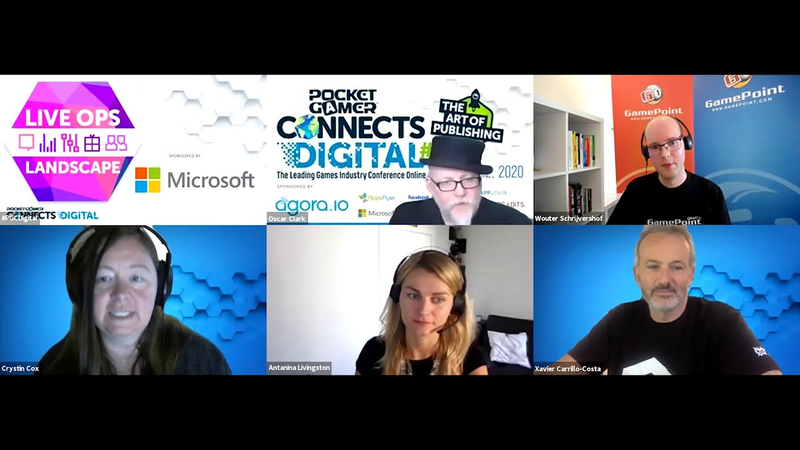
Panel: Live Ops is not a Sprint! - How do You Plan a Recurring Series of Activities Indefinitely?
Key insights
6 takeaways- 01Treat live operations as a continuous, permanent business cycle rather than a series of isolated development sprints to ensure long-term game sustainability.
- 02Balance rigorous, scalable technical operations with creative flexibility to support spontaneous, community-led moments that foster player connection.
- 03Prioritize the development of flexible, server-side infrastructure early to enable content updates and configuration changes without requiring constant client-side patching.
- 04Implement a multi-layered event strategy that balances daily, weekly, and monthly activities to meet specific business objectives like retention, monetization, and onboarding.
- 05Use data-driven segmentation to tailor content and offers based on individual player behavior, spending habits, and session length.
- 06Avoid developer burnout and technical debt by establishing predictable release cadences rather than relying on high-effort, unsustainable content drops.
Ask AI about this video
Transcript
now we are going to have the final sprint this is going to be a panel in fact that's not a sprint it's about why it is not a sprint indeed but it is a fine lost dog that we're gonna have I'm gonna ask the chemist to come on and join me and the meantime I'm gonna try and remind myself what the questions I was going to ask because I had all this prepared obviously in so let's see have we got everybody on board not quite yet got a few more people to come so how are we are we doing today I see you again Kristin and would - how's things so as people come on board I'm jeanna vetcorps
we're getting there now so let's start off would you explain who you are what you do and what your role is in LiveOps I guess I'll go first yes hello everyone thanks for having me I'm Valtor and for some of you that might be a little difficult to pronounce so let's keep it at W I work at game point and we've been around for over 15 years with one of our flagship games game point bingo I'm currently the life of manager it's a relatively new role however we've done life operations throughout community events for years and years and years and for us life ops is a marriage between community management marketing the game team from being a and life ops so that's a short introduction short but it's three into the point perfect so Kristin we've already had you talk but if you just get for those people who may be you know
shame on them if they did but you know for those who may have missed your talk could you just explain yourself and you know what you do so Kristin Cox I'm the director of operations for Xbox game Studios publishing I've been there for about 18 months before that I've been in games for about 17 years mostly as a designer and a game director working in live games largely PC focus like mmo's and triple and double-a thank you antenna could you explain your background place yes so hello everyone my name is Anthony nough so I'm currently working as senior live ups especially stand Activision and actually I'm among a group of super talented people who were run day-to-day operations and driving engagement so Call of Duty mobile so basically do everything for live ups you know and starting from you know design to a design of the events right then to
implementation and like future is just enough needed so once you stuff thank you very much I'm gonna butcher everyone's name so anyway who you are what you do please we have three games live responible which is a cartoon shooter that has been live for seven years and we reach seven million downloads after polls which is a realistic tactical shooter within life for four years with over 70 million downloads and we just learned responible Heroes which is a team based here action games I don't realize it's seven years that makes me feel very old anyway so moving on from that let's start off with some sort of meteor question so how do we define LiveOps in particular the key
characteristics which drive the way you think about it could you start with that one sure um so like I said for us life of such a relatively new in this context and so it's only but focused on being a game point bingo for the moment we have other games but let's get this off the ground first for us what's important it's that it tweaks the settings of any built that's currently life so that means for us that upcoming features are not handled by us they will be handled by us as soon as they are in the life built these are several reasons one of the reasons is that you don't want to let your player update every single time you have an event running especially for us we have multiple events in a week that means multiple updates in a week and that's not optimal other than that for life ups it's also we think of run and analyze the events
that we do so we optimize them for ourselves but also definitely for the players and last thing is that we can steer the ship if certain metrics are underperforming that's basically it yeah I'm a massive fan of putting everything on the server I can be configured so I don't have to update anything but yeah I get your pain internally so christen I mean I imagine you're similar in terms of like that what's your key kind of characteristic of how you think about live ops and and what drives your way of thinking I'll give you the definition we generally give our developers when we start working with them which is live OPS's everything that we do to make your game successful after players are inside of it and and that doesn't mean it starts after we launch the game right usually that mean that means everything from what is your retention and progression design look like which can happen all the way in the concept phase of the game your community management it's part you
know may be acquisition to be in there our relationship with our developers is actually pretty bespoke like it's pretty unique for every single developer because a lot of it really depends on the specific needs of the game like it's quite different if we're talking about what's gonna make a game successful its if it's an episodic story game versus what's gonna make a game successful if it's a you know PvP oh shoot er nineteen based shooter so it can be pretty different from game to game but like what we say is just we're gonna figure out what is gonna make your game have the most success after its live that could be a lot of design consultancy it could be mostly focus on analytics it could be mostly focus on tech but it really just depends for the game totally make sense to me and for Activision is point of view here so what do you what would how would you answer that question I would say you know like as Chris said you know it's actually it's not just a discreet tool or like you know our team it's
actually an essential part of your business of how do you manage in a Blair lifecycle from you know from the discovery rights you're like through to tutoring you know and basically for live ups I think the most essential thing is to keep players engaged and so that's why you know it's like the game is always running right and so lie box is also Never Sleeps so it's like it's not a nine-to-five job right so it's like you basically you follow the player all the time and you provide the constant engagement so that you know the players are still playing in your game and I would say to me I usually put like three major pillars of LiveOps it's basically operations analytics and planning so I'm done that there is a combination and there's a loop that we're working in basically from designing the event you know implements and that done analyzing that you know make adjustments if needed right and then again redesign it and provide the new content and so for us we also have like something running all the time and it's it's a constant loop it's a constant job work and you know so it's yeah it's like continuous cycle I would
say yeah I think Zoe Williams who was the person who kicked off the track did a fantastic kind of diagram showing that kind of loop minds I'm a massive believer in loops and processes and and particularly kind of like how do you empower you putting your all you know the audience at the heart that decision-making process seeing what they do why they do it and listening to them as you move on so yes I I agree a lot of things that have been said before I think that really the game starts with LiveOps so the day you publish the game it's sweet it's it's because you've thought of a game you've thought of people reacting or or playing in a way or engaging and then you you discover through LiveOps that it might be completely different it's not working all the things just crazy about that so it's a mix of a lot of things it's about
if you keep the game fresh entertaining engagement as you say and so it's it will be bringing features content map teams event we were talking about monitoring adjusting evolving I think there is a lot of evolution of you need to evolve with the people but you know the players will want something of you being not necessary maybe what you thought at the beginning well I'm gonna chop something anything because I think you've got me thinking and I'm wondering anything if launch is the point where that starts I actually wonder if that's that she starts earlier I mean the moment you get your first players you'll kind of close beta players is that a point where it stops or is it later on you know I mean it's its start I mean you have to it's just it was easy it's it's starting when you have first contact with the players yeah and of course offline but it's it's definitely there and we all know no plan survives contact with the enemy sorry no enemy players players sorry yes
so yeah if you don't mind I can't follow that one through so but yeah if we talk about this from your point of view and you know where is it where does it start for you in terms of that experience I mean what is you know what is that moment where you've got to think about how you're going to engage with your players and take the data for them that's tricky because in our case bingo is already 15 years old so we slowly but surely tagged it on its it started with do so the one thing we have which really differentiates us is we have life chat which gives you an enormous opportunity to talk and engage with your players from a community standpoint from support standpoint so we did loads of interaction events with players that doesn't cost you any development time and you get a bond with your players and they keep coming back and keep coming back so that's part number one and and what we do now is we build features year
over year and that we keep coming back we we let them recur so that at some point players just realized from oh we have this event and they've done this for a few years not constantly but spaced them out and I know what it is and I don't need to be briefed about how it works and what it does so for me it's adding on stuff too your current game which are which which I really like because there's so much to do and so much to discover even if you think you have it at all there's something new that will pop up I think I make sense and actually it shows that there's a is that kind of yes there's an ideal situation where if you were starting from scratch you would do all these things in a nice processed way but actually when you come across a game but maybe you've already got out that maybe already has some small lever like chat you can actually build on that and actually find a whole way of building an operational experience around the way
you find those levers of pretension that make sense I would also say you know like because actually so our game right so we just launched in October last year and I would say if you plan to have their live ups operations in your game right so live operations in your game so you need to actually plan planets in advance when you're developing the game right so you need to provide essential tools for levels basically to put all the events so or will be like I don't know engagement immense monetization events right into the game because otherwise yeah it can be they can be cool team but if we don't have the actual tools not to interrupt you know and not to provide the constant updates that's also what would ever mentioned you know not to like constantly update the game but actually do its life right and so now things are up the players experience so that's something that you have to plan in advance before even launch in the game so that's yeah I think it's it is feasible to it's so much more expensive it's so much more
difficult and actually you're gonna compromise things that already exist and then you run the risk of breaking them so I think retrospectively fitting it in is very difficult but if you if you don't plan for that early on you're gonna have to rely on what you've got and make sure that that does work and like you say you might end up having to update the game and then number of times you're are seeing people having to sort of back channel but I mean it's I think that life's about easy nowadays I think just written with the you know this sort of tools that you guys are working with and people like you know actually connect guys and there are several other providers but more importantly you know I think that model now where there is a back-end solution available for the team that doesn't necessary have to be developed by the game company from your point of view question is that actually kind of profoundly change the way people work let's say yes I mean I think it's opened up a lot of doors for developers and we
focus a lot on the way that it opens up doors for Indies who wouldn't necessarily have access to those kind of building those kinds of tools themselves but I will say odd in my work I also see how much it can help out an established team who's just never done live offs before because it can be quite a shift for a team to go okay I need to add all of these things I now need to have a bunch of server programmers and I need new kinds of tools and I need new kinds of monitoring it can really help to have an attitude which I think the game industry in general is getting a little better at accepting the the benefit of middleware and not having the attitude of if it's not built here then we don't want to use it and we're starting to see more and more those tools come up when I work with developers it can be an incredible relief when we say you don't have to build you know a telemetry pipeline from scratch all right oh good I don't even know how to start thinking about really useful of a true pipeline from scratch that's a real
relief and it can help them focus on the things that they really need to focus on that we we can't build middleware for which a lot of it is the design of the game the community management while community tools can be incredibly powerful someone you got to have that effort that it takes for a human being to be out there and really working with your community and then actually doing the work of as we talking about live events of you know actually running the events and then doing the analysis figuring out what is it isn't working and then making updates to it and if the team is spending all of its time you know building out just a pipeline to look at the data it's hard to get the resources to look at the data exactly no I totally agree and I think that for me I when I when I get a person running a game i want the live ops admin guy to be sitting with this is a configuration file I'm going to use today that's going to activate the event the activity that's going to happen oh by the way here's the asset the gif or animated image or
whatever it might be that I'm gonna then put these channels and I wanna I want to make their job easy I want to make their jobs trivial so they can focus on responding to what players say in one and do and then get the data to come out for me build it and I think that also we have to think about longevity Yeah right like this is something that I'm sure Debbie's feeling this pretty keenly the game is 15 years old and I know like I've worked on games that had quite a long life span and I think I I just frightened somebody once they're asking about server configs and I said oh one of the games I worked on previously rig that we regularly had about 4,000 active server configs at a time for the game that we were managing and they were like wow what how does that happen well the way that happens is you run the game for 10 years and it all builds up and I do think one of the things that can really help with that is trying to go to tools that are designed from the beginning to think about how is
this can be managed long term when it's not super feasible all the time for a game development team we can ask them we'd say can you please think about how this data is gonna be managed in 10 years but that's actually quite difficult for a team to do even in the best of circumstances I think it's impossible I mean the number of times I've ended up having to redesign some met back in platform element because well okay admittedly most of stuff I was doing was like way before there were external tools but now I've got situations where I've got games I haven't even launched yet the I've got a re-engineer because the platform has changed yeah it's got bought by somebody and they're gonna change it so anyway that's another subject I'm gonna stick to you that I mean in terms of so does this sound familiar I mean in terms of this whole idea of like making sure you've got the tools ready before you when life did you guys have everything you need you when you first launched in fact when we launched her first I mean responible or expectation was
last I don't know one year two years max so it's and then so we discovered you know I mean we discover any credible engaged community yeah and then so it was pushing us to keep the game alive and to keep feeding the game and and so so we had to build everything on top so that was that was living complicated but when we started the other game we we spend an important amount of time with the tools in fact we build the tools and we're using some publisher tools but we build a lot of tools we wanted to move a lot of things to server you'll be able to control everything from the server so that was that was a kind of change mentality but we realized that oh if you need to act quick if there is a mistake in the game if you would run with the prize because one thing in live ops is everything happens very fast so if you
screw up it's it's gonna blow up really really fast so you need to be able to react super fast and and and and so it's it's that dynamic so you need tools and you need to be able to change things and you have to monitor all the time because if not you can have really bad surprise yeah I'm gonna so for me I think a part of soul of what makes lots work in terms of building more things for more people to do more often and keep them playing longer all this scalable stuff starts with an event and obviously different games have different definitions of what that is and what is an event for you I can start with that we way generally you know like divide our events in so like engagement events and monetization events are basically engagement are working towards you know keep players provide something for like
free-to-play players and someone doesn't want to you know maybe buy anything right but just once you enjoy emotes new maps or something right new content in the game and then monetization events there purely like for sales basically and so that's how we actually divide them and think of them as I think the promotions to be a very powerful activity but I tend to try and focus on the supporter a retention event is the difference is every game has their own particular needs I mean from a bingo point of view and what is an event something specific or is there some variety to that oh we're definitely a variety what we tend to do is we have free timelines working together so we have a big overall event that lasts for let's say a month which is fully themed and there's activities going on so that's the timeline number one and then we have the community events supporting
that that's a layer beneath it it can be anything could be actually related to death event but it could be something you know a live Q&A session with video all kinds of things and then the third layer that we have that is monetization which as you said before ideally you come combined with all the others so we have three different streams and even though the Ghostbuster said we shouldn't do it they cross cross the streams is that yep I think that's really nice right but I mean I look for kind of like a daily and a weekly and a monthly cadence not always necessarily literally but I think that's that's a nice way of framing and I kind of like the idea of using sort of daily being something is configurable like a particular target score or a particular a bonus for a certain time of activity with weekly I'm tending to look at things like hanaway if you've hit content into that and for monthly are looking at my the theme
or kind of like real-world activities and or maybe I'm looking at features I mean so it does depend on the game it does depend on what I'm trying to achieve so for your question is like how I mean how do you see teams using this kind of event based can a mindset and managing the kind of game that way I think that you know what you guys have said already is is very true and it speaks to a lot of the way that structure is ideally happening with a live ops team one additional lens I try to give to my teams is uh that I think an event should ideally create shared history with the community yeah so once this is an element that I think is super important to community formation is shared history something that we can look back and talk about and say hey remember when this thing happened on Halloween remember when this thing happened when the balance update happened those are super important so try to like add that element when we're doing our planning to say hey remember
is this going to be something that players can attach to because the one danger and I think it happens to every single team is eventually your designers and your planners get a little burnout and it can start to become mechanical because you are you are on a schedule and it never ends for you right for you it's a it's a marathon and so trying to bring that back in can help sort of Center us and the other thing I will say oh Henry no no no so I would do whatever if there's one other type of event that I don't see a lot of games do anymore but it used to be really common more in the early days of LiveOps Prix sort of mobile the mobile explosion which is the dynamic event that is triggered just through the use of sort of GM abilities or the the sort of use of commands in a game I still think that actually has a pretty powerful place I know it can be tough for games to write those tools but it's still something that I've used in a
lot of my games and I do think there's something really fantastic about that it's awesome and I think you always want to have the stuff that you guys are talking about where you plan out you know daily a weekly and monthly you've got a cadence you know how it's all going to together but I think there is something really great about building those tools than to let your your game masters or your community managers or your producers or you know the person who wears all those hats if you're a small team to get into the game and just trigger something you take me right back to the early days at ninety eight dial-up modem based platform well we had game pros we had like Community Managers community deputies all of whom were volunteers of that in their era brain it was amazing what what people did spontaneously um actually one of things that reminds me of is that sometimes the events don't have to be driven by us they can be driven by the community and I remember well the most profound moment well at first this program has really changed my thinking in communities was when someone I personally died in a road
accident and they were a key part of the air attack community which is a game at the time that was quite big my play and we had this fly pass somebody had changed him out not us they said can we do this so yep sure they change him at they put a gravestone with his name on and then they did a fly past and I had total I mean it was incredibly tear-jerking moment because you know we had a hundred and fifty people playing in a game which could probably take about twenty in theory and somehow we managed to get a hundred and fifty people coming in and doing a flight passed before this guy who they only most of them only knew through playing the game and yes the scales nowadays are vastly bigger but a genuine human moment happened and the audience that community wanted to share their personal shared grief you know in a way that was profoundly more important than the game itself I do think that that's incredibly
important to think about right is why do players want events from you right what what are they getting it's easy to follow I mean it's always easy to fall into like well this is gonna hit these KPIs for us and it's you know it's gonna drive this monetization in this Login frequency but also asking what our player is getting out of this and and a lot of it is that desire for something that's a little bit more handcraft a little bit it feels a little more personal so I'm not expecting you to have a grief written story that way yeah I went into the dark place there but I mean what do events mean to you and then do you see any of these kind of more personalized experiences so we have W say before as we have different layers of event and I think what the the biggest one is goes from one to two months so their big event and they're
somehow related to season real season and some we think some of that so it's important but you know the consumption part of people is okay summer you do summer and and Christmas you have to do Christmas so on the shooter game it's gonna be complicated if you do that and then you of course Halloween and you've got Chinese New Year's so this is kind of structuring a little bit the year and in between we invent our own events and then from year to another the ones that people liked we keep them so now the people remembering all this month is you know whatever autumn weapon and their fourth but it's incredible to see how how that works so at the beginning was complicated to say okay how do we do you know Christmas with with you know shooter and then we had a paratrooper santa clauss and it was pretty fun so it was cartoony and it worked really well so and then it sure with changing colors which is it's sounds stupid but people are collecting them so it's it's
so you have things like that and then of course we have like each of those events have like weekly objectives so they're events in the event so they have so that people have the kind of progression from one to two months depending on the game and then of course we have some daily and weekly activities and we have also community event but that's a little bit how we are structuring so just to follow that through I mean again to a certain sense of what Christmas all about earlier how do you sustain that kind of that engagement I mean how do you build the balance of innovation and predictability it's I think you need it's a lot about I would say the POS and the community manager so it's it's a community manager getting a lot of feedback talking a lot and so we're we're seeing what what people like I'm not and then if you try to bring things in a very fresh way I think they're really enjoying what you're doing and so they put a lot of passion into that and which seems that
the more passion we put into one event the more it works so attention to details some event doesn't work but people really love when something is is you know well prepared and and so we're really doing super cool stuff and it's been a long I mean seven years the is being very long so sometimes you have to kind of change the team as well because it gets complicated no more ideas but honestly people are very creative and so we give them a lot of freedom sometimes like crazy things yeah we're doing a trickle amount where our design team are basically taking two hours out each every other week just to look at other people's games and to not just like play them but also try to come up with new games that are unrelated to what with their day jobs are and we're finding that about two hours of just mucking about with ideas has been a real improvement because it stops them just thinking about the train lines that
they're doing on a day to day basis so from your point of you know what do you guys do to keep kind of creativity or is the game still relatively fresh and you haven't got to that rut yet you know even though it's fresh right we still have to provide always something new right so our players and basically when I was mentioning you know like we divide our events into like you know engagement the magnetization ones right so of course they're like cross a lot right and also like I'm on those events they're like multiple layers that yeah you guys were mentioned too and so recently you know like we actually came to the killings of like seemed seasons last thing for like about months and so that's why we're trying to build our content around those updates and those seasons and we're also targeting mostly like themed you know so that actually players know which I you know Hiro they are right now you know like what yours they can expect or something right and so it's actually kind of exciting and I would say when
we're planning the events we're also asking ourselves what is the business rationale for what we do you know so for every single thing basically is it like targeting to increase the hours that players or like matches that you know players play in the game or is it targeting you know like bringing I don't know more increase the retention for example right or something like that or like increase the awarness for example of the players and so we also work closely with the community management team and also track what people are saying right so I would say it's it's a in terms of success and also the business rationale here we kind of try to make our decisions based on data on the community feedback right and some like a few other external factors basically even those things can be specific it might be you know retention one day but it might be we want more people to try this particular yeah yeah exactly exactly we want to draw focus
for example to these so that's stuff right so and it's also something that's we can plan where we're going to promote it in the game for example right so which placement we're going to choose for that activity right and what it's important done so it's it's actually yes so it's it's kind of also part of the planning I would say obviously bingo is bingo it's bingo it's bingo how do you how do you instill it kind of like it is unpredictability this kind of spontaneity that we've been talking about we tend to run offense for a couple of times and then just leave them be for awhile we iterate them on events and I think like Antonina also says is like you have different events for different goals yeah we want to spend we want more retention we want more plate minutes we want to move the economy either we inject more or we remove more and some of some of the
events do multiple things but we have specific events for specific targets we by now or easily executed because we document pretty well what they do and which settings so we we can have we had we had last week that we wanted to do an event we had a 9 a.m. meeting and it was live at 12:00 Wow and oh but yeah that works because yeah we know you know people involved already worked there for a long time yeah so you can because in some ways it's a little bit like kind of modern version of the GM intervention that Kristin was talking about you know that you you guys had the ability and the power to do it and it was a configuration presumably to make that happen but also communication and everything included and what Kristin says about being the GM we also do that we tend to go into rooms to say hey let's have a little party here just you
hundred people there they're now in our room you're lucky to run into me let's have a party in here and it works wonders great I mean I love all that good stuff actually one thing I remember when I turned up in when I was identified as being the head of whatever who was I was running a time when I turned up people loved it they just that I mean I'm nobody just the fact that I happened to be you know like product owner of X Y Zed was just delightful that somebody on the team turned up in India it's it's really important also for bonding with your players and another thing is what is really important is that people don't expect a company to have a face so we also have player dies in the office and I've had times that people said you know what i I knew you dead guys were along for a really long time that you exist for 10-15 years but I always fought it was so many in his attic doing everything well we have an entire office
we have over 100 people in there but still the people are truly I mean does this will resonate with you this this you know the innovation if you've got so much experience yeah it feels to me like it's always been the case that we've had to separate ourselves from our day job and come back in and really focus in as Antonino and we're saying on the specific outcomes we try to achieve and using that those constraints to try and inspire us for new things is that is that fair yeah I mean I think it's it's a real balancing act you know a lot of times talking to teams that are making the transition I also warned that it's quite a different thing to run a game for the third or fourth year or even into the first year than it is to work on a game that's in pre-release and so you have to be you hope you're excited they're excited about like doing this new thing and learning these new skills but it is a different set of skills and
it's a real balancing act between trying to stay focused and have those goals that you're going for so that you're not just running off in a million different directions with no focus and you're actually doing something with purpose and then also trying to keep things fresh and interesting and feel a little bit more personal my advice to teams is always especially if they're new to this set a schedule and have that be the predictability that you start with like okay I promise we're gonna ship some new events are gonna start at the beginning of every month right we know you know day one of the month that's the day when the events are gonna start and then we can be very flexible on what those events are to start with and then that gives you a stake in the ground be like well we know we can be at least this predictable and then you start to find out what your community wants to do because of course like routine and ritual also very important to community formation there's gonna be things they want to see over and over again and it can sometimes feel counterintuitive I mean you're you know there is talking
about the Santa Clauses you know parachuting in and things like that it's okay to be silly sometimes and then if you also got a note that might create this idea in people's minds like oh yes it's December if that means the Santa Clauses are coming and that's actually quite important to a community to have that to look forward to but then you have to tweak it a little bit and that's where it can really be hard for teams and so you do have to balance them but I think Antonia was saying really giving them a purpose just to help focus them in to say how are we gonna tweak this well we're you know what this month were really focused on early game it our onboarding or our retention so that can help really figure out what it is you're gonna do to tweak that absolutely and we have a question of showing we're almost out of time I'm gonna ask this question because I don't want to make sure that I'm not the only one asking them so much help so wants to ask and that's always love you and the question is from Kangas day I'm
probably got that wrong as well but hey they want to know how you segment for events do you use levels do you use country tiers maybe an event special specifically for a specific country of specific occasions so how would you break down in the bedroom now so in terms of content we've been doing a lot of local content and what we're doing is we're bringing that globally so if we do Chinese New Year it's it's all over if we do think of Mario it's all over so because at the end they become very global so we're not targeting we thought of course if you do Chinese New Year it's probably targeting more you know China but at the end it's working for everyone so what we do are segmenting players with the offers what you're offering the type of package for example what because if if you are the player that are new or not spending a
lot if you have if we are offering you package which are too expensive and with a lot of good stuff they would never spend that whatever you do so it will be very frustrating so we try to hide that to them and and spend more affordable package that is what they're looking for on the opposite for Wales one day one is high package high value so we try to segment more by type of consumer than with country yeah I think again that's why I like to separate promotions for events precisely for that reason because often you need to target those things differently so Antonina you know you seeing the same sort of thing I mean know you are you focusing on events being global and commotions being specifically targeted or do you try to tear them in different layers I would say in terms of the segmentation right so that was in the question so all of the above right but I can agree with the XIV right
that's something that we do locally right so we also extend it to global especially right now you know with these like era of globalization right so players actually they know already about like holidays that happened somewhere else in the world right so probably yes the promotion will be more focused in this specific region for example but the content will be available everywhere maybe like name something different you know but it's it's anyway it's gonna be everywhere for you know maybe for some some of the events you know like for segmentation it's hard to say that we're actually targeting specific maybe only like you know new players insuring players that's like basic segmentation for that but I would say it's also it's more for the analytics than you know to see like how the segment's actually cause like correlate and how their behavior changes across the segment's but it's it's it's really hard to predict from the very beginning but you can kind of like target more or less and same for like your promotions across the
countries basically yeah I know I mean was interesting with place at home that Japan wanted to have its own content but increasing the year and the u.s. decided that was completely waste of time for them anyway and actually them they shared their content pipeline and as a result there then shed their event pipeline and then they were able to get more value from that process so I'm texting with you so what's next I mean so for yourselves I mean are you segmenting your events yes so the big global one that lasts for a couple of months is basically segmented by player behavior as you know how much time do you spend how do you move the economy and slightly a little bit monetization manga station is also segmented separately so what happens is that if we run an event and you tend to spend ten minutes with us I'm not going to ask you to execute the same goals or reach the same goals as some news
two hours with us because or if you're on the level those who doesn't make sense hi welcome to this new game that you're playing here's the level 50 boss enjoy that's not working so so that's how what we do and local offense so we also segment for geo that tends to be in a community pipeline so for instance upcoming is couture Juliet that's a French holiday it will only be communicated to the French but it's in line with the bigger event so that's basically segment Oh so question from your point of view oh you've seen so many different things what would you say is the best practice when it comes down to the segmentation I'll give you my short sort of cop-out answer which it really depends on what result you're trying to drive depends but actually I think it is useful to think about that like if you're trying to drive better onboarding then yes you'd probably need to segment this out
by you know player experience if you're trying to drive retention you also as aw saying really may need to segregate this out by how much time players are generally spending what their session links are what kind of engagement they have so that you don't burn them out it really depends what you're trying to drive if you're trying to drive you know feel-good community event a lot of times you would sort of throw it open and then just look at the segmentation later to see how everybody responded to it so I know it's it depends but it does depend I mean I think that's true for most segmentation I get a lot of questions how should i segment this how should i segment that um I would say the best advice is follow the logic you know what are you trying to get out of the event what are you trying to measure and then follow that from there no I'm telling you with you I think new segmentation can be really powerful but I think it's about understanding why you're doing it again it's you know what is in it for the players and you know whether it's about getting them to aspire to what they could do when they eventually get
to the stage where they can actually beat that big level 50 boss that's and that's actually okay to have an abandoned does that right providing its context is clear and you're not just making it so you're hiding things that people can't do and you know making an unpleasant experience so isn't it as a constraint as a way of providing texture and innovation and ways of separating out possibilities great but if we just stick by segmentation for segmentation sake we can just waste a lot of effort and time absolutely and it is like the only universal segment I know is the golden cohort everything else is player is getting specific so first time someone said that today I really yeah yeah no one said the girl to me today so I'm very happy you pull that off I bet you you win buzzword bingo for that one yeah so on that now I think I'm gonna we should we're over time I'm just want to give you a chance to say one more thing
each what's the one piece of advice you'd give people so that they realize you know how they could get through the marathon rather than you know just burnout so I would start with you what's the one piece of advice to stop people from burning out don't go into the game and no no just kidding set limits for yourself within reason of course and and make sure that you're not the only person who can execute a job make sure that there's fallback people that applies to implementing everything but also play well with others involve other departments share your insights share your knowledge you never know who I would say like hey I want to help you out with what you're doing so basically that keep the dialogue open with all departments at all times that's right thank you for that Kristen I guess it
would be set expectations set expectations in your community so the expectations in your team try to think that through and just set expectations whether that is deciding what outcome you want from the event beforehand and what your targets are going to be or having a proactive dialogue with your community about what they can expect from you and how often they're going to get updates from you I think that that's a really valuable valuable thing to do across the board Antonia um I would say probably short because you know it's the craziest job ever and you know like you mentioned it's a marathon it is a marathon so I would say make sure you don't burn your content and make sure you don't burn out your team so that's the most important I would say like that provide them with all the essential tools you know like make sure that the team is actually scalable you know and they're all working understanding what's the scope that is required you know to
make things done provide them with a good work environment you know some some fun always because I think that's the most important that you know like whatever you do you you should always have fun because my provide fun to people we're selling fun so we're doing something yeah so I think metrics but if you if you forget about passion if you have fascinated people they will do great things and the other thing is bring new talents that's very we've seen that it's incredible because they come with super fresh ideas it's it's they think differently a lot of we you need people with energy so we're bringing new talent people with a lot of you know ambition energy and they love the game and of course they're supervising for
more senior people but those guys are really really pushing the limits and they're coming with new new things that you would never thought I mean I'm gonna check my one in predictability beat size if I can release something regularly predictably trust worthily it doesn't have to be big and I think that's the thing I learned most is that it doesn't have to be big every time so you don't have to kill yourself with every release something which is you can look forward to and know is gonna come and be trusted is key and the nice thing about that is as a designer don't have to kill my darlings anymore I just deferred them to the next release and you have no idea how much that saves my sanity oh no no I'm gonna say thank you for my amazing panel you've been a fan absolutely fantastic and lovely seeing you all and again thanks for
taking part in this thanks a lot bye thank you bye
Summary
Live operations function as a permanent, data-driven business cycle essential for maintaining player engagement throughout a game's entire lifecycle. Rather than viewing updates as isolated sprints, successful studios treat live services as a continuous marathon that begins the moment a game gains its first users. The core thesis posits that long-term sustainability depends on building flexible, server-side infrastructure early in development. By prioritizing tools that allow for frequent content updates and configuration changes without constant client-side patching, teams can maintain a consistent cadence of activity while minimizing technical debt and developer burnout.
Effective event strategies rely on a multi-layered structure that balances daily, weekly, and monthly activities. These initiatives must serve clear, measurable business objectives, such as improving retention, driving monetization, or facilitating onboarding. Data-driven planning is critical for segmenting content based on individual player behavior, spending habits, and session length, ensuring that offers remain relevant to specific user cohorts. However, this analytical rigor must be tempered with creative flexibility, allowing teams to support spontaneous, community-led moments that foster genuine connection and create a sense of shared history within the game world.
To thrive in this environment, studios must prioritize cross-departmental collaboration and sustainable operational processes. Avoiding the trap of constant, high-effort content drops is vital; instead, teams should focus on predictable release cadences that prevent burnout and allow for iterative design. By integrating fresh talent and maintaining clear communication with both internal stakeholders and the player community, developers can foster the innovation necessary to keep a title engaging over the long term. Ultimately, the success of a live service is defined by the ability to balance rigorous, scalable technical operations with the human element of community interaction.













Comments