1 free read left. Create a free account for unlimited reading + AI research.
Create free account
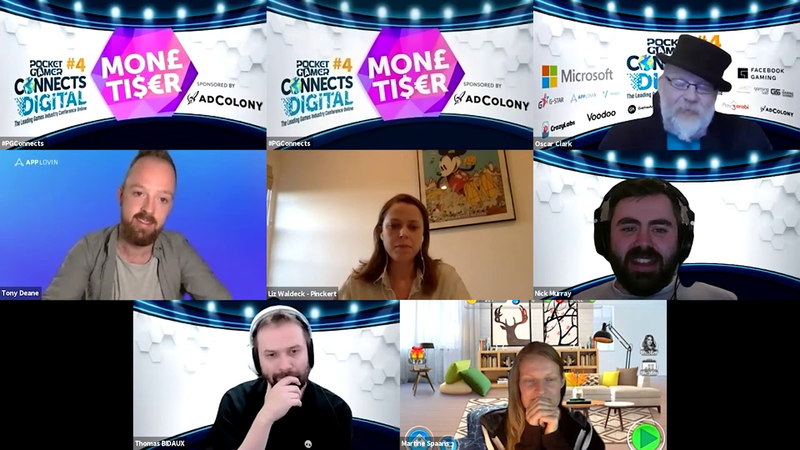
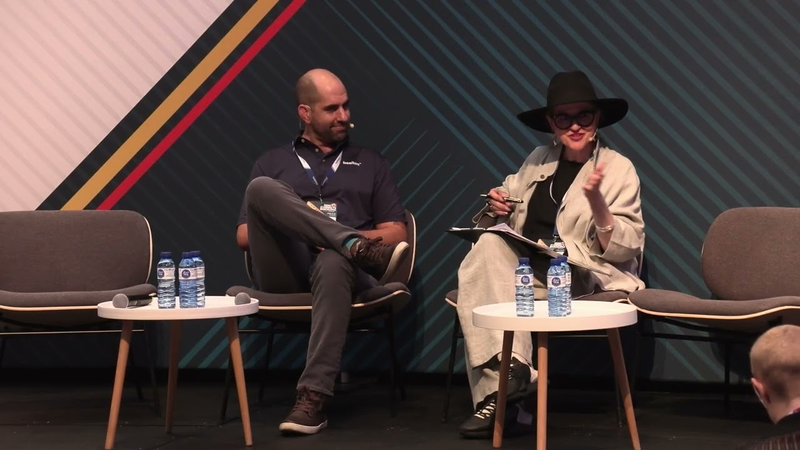
Panel: Have we Reached the End of Innovation with Hybrid Monetisation?
Key insights
6 takeaways- 01Hybrid monetization shifts mobile gaming strategy from whale-dependency to a balanced ecosystem of in-app purchases, subscriptions, and diverse ad formats to maximize total player lifetime value.
- 02Rewarded video ads should be positioned as high-utility consumables to improve player retention and serve as a gateway for non-paying users to eventually transition into spenders.
- 03Future industry sustainability depends on harmonizing player experience with revenue generation, ensuring every monetization touchpoint provides clear, perceived value to foster long-term loyalty.
- 04Optimizing ad yield requires rigorous segmentation and lifecycle-based placement to ensure ad frequency remains tolerable and rewards feel meaningful to the player.
- 05The industry is shifting toward iterative adaptation and internal user identification to navigate increasing regulatory pressures and privacy-centric technical constraints.
- 06Developers must treat ad revenue as a ring-fenced component of the game economy to prevent the cannibalization of in-app purchase revenue.
Ask AI about this video
Transcript
i'm going to be hosting a moderating our kicking off panel uh that means i've got tony dean from app loving hopefully uh i've got uh thomas uh buddy from ico partners uh we've got uh martin from um uh tamalacki we got nick murray from game consulting liz um from ad colony i think that's everybody uh such a huge list of people but don't worry we've got lots to talk about um so um let's start off uh just explaining what we're gonna talk about so my my crazy title today was uh uh have we reached the end of innovation with hybrid monetization so uh with us an attempt to get you guys to explain what i was thinking about tony do you
want to tell us who you are what you guys are up to and uh you know where you look at how you look at monetization in games well thank you very much for having us of all uh so i'm tony dean i head up business development for nordic israel yeah logan is a global technology platform that works to provide an integrated speech of solutions that helps game developers monetize analyze cool cool liz do you want to tell us about yourself and what you guys do yeah so i'm the publishing lead at ad colony for partnerships within north america and europe and so we're responsible for supporting the existing publishers on our network with building strategic plans for optimization in addition to
bringing on new publishers that are seeking monetization cool when you say publishers because i know that i could i get confused over this even though i know i shouldn't because i've been doing ads for too many years um so when you say publisher and when you say um well it's really the supply demand question uh for if anyone's in the room don't understand the difference between the supply and demand from your guys and i i imagine from map loving's perspective as well how do you define supply and demand so for supply it's publishers as we call anybody who owns an app so anybody who's looking for demand or campaigns from brand or ua campaigns to be served into their into their games or into their apps so app developers um you know anybody who's got an app in the app store exactly so that's kind of a really key thing to sort of bear in mind with this thing when we're talking about the ad funding kind of model of things nick uh do you want to explain uh who you are what you do please sure thing so hey i'm nick um i run
gamesconsulting.net so that's a bespoke uh consulting company focused on improving products and generally improving game kpis around retention and revenue um i also have a secondary role which is i'm a head of games for carrie first the largest publisher in africa great thank you much and thomas oh you're on mute tom hello i'm thomas pido i run a company called ico partners uh we do a number of things but in the context of that discussion we work a lot with studios and and publishers in the publishing a game definition of publishers optimize their uh their revenue work on their strategic development um we do work across uh different platforms like you know pc console and mobile depending on the type of games they're working on and
we're looking at a business model across these different platforms as well so help people um make more venue basically always always an important thing i'm told um martine obviously um well actually i don't say obviously i know what you do but maybe there are some people in the room who don't you know where have they been if that's the case but uh could you explain who you are what you do please yeah of course uh i'm martine spanz and i'm a publisher a game publisher but actually also a publisher in uh in the sense that ad colony looks at it because we also monetize our games by showing advertising them and the type of games that we focus on are many casual games so it's like hidden objects match three time management puzzle games and uh been doing that for about eight years so let's try and work out what we mean by hybrid monetization in a bit more detail i mean for me it's not just a case of either choosing between like ads or or in-app purchases or even
subscription or or pay-up-front pay walls i think that for me monetization is a spectrum and finding the right balance can be a factor that is about the design of your game but also about the life cycle of your players um so tom oh sorry tony i'm starting with you um from uh from your side you're obviously well i say obviously my feeling is your focus is mostly on the kind of ad monetization side of that but within that there are various formats and and processes that go with that um do you have any kind of particular kind of ways that you would describe what you know the role of hybrid monetization and where your teams you know worked with developers yeah sure so i think really hybrid monetization is about really growing the segment of users that you are monetizing in your game and really working to almost extend our one extender life cycle but also grow your overall ltv as well
yeah i think like even more diverse real range of mobile gamers now today than there ever was and they want to engage with games and demonize let's say in even more varying ways so hybrid monetization really allows you to do that personally i suppose work with publishers uh our game developers by helping them really maximize how they're monetizing and how they're working with all of the different partners and helping them leverage analytics to to make the grow their ltbs even further and make sure that they're monetizing and integrating ads in the best way possible actually i think that's an important thing we should dive into a little bit because i think that structurally is an interesting thing so when i was uh the unity guy talking about ads back in the day we we were really focused on rewarded ads and and i think there are good reasons for that but what i think we learned from looking at raw jazz is the placement and the nature
of the ad cast the shadow on the experience no shadow the wrong word it definitely has an impact and there are positive vectors and more negative vectors so placement and timing and value for me really matter even with ads is that something you would back up well totally i think the rewarded video the placement itself can do a lot of different jobs depending on where it's actually you see lots of idle games they use them as a retention mechanism yeah particularly when people are very good if they're placed inside of the store they can also draw like help draw players towards the store where they can also be used to encourage inaudible as well in some ways um whether if you place them after a loss on how you decide to frequency can either serve to extend a negative experience or if they're placed after a win let's
say in a game they can not as negatively impact their attention on those players so it's in like facing positioning and understanding how each of your ad placements are performing is incredibly important so um let's take that a bit further so liz i mean obviously i'd like to know what you think in terms of how you look at hybrid monetization but i'd also like to explore a little bit of that angle we're talking about with tony there this idea about placement of an ad and the purpose of an ad and one of the things in my mind particularly the phenomena of hyper casual versus uh the way for example interstitials are used in other non-hyper-casual games for me a hyper casual game um can afford to have more throughput of ads than maybe some other games can because the placement of the video particular video ad provides a sense of relief a relaxation period between the intensity of play and the and the kind of next next time around having a gap effect essentially provided by the nature of that
so does that make sense to you is that something you you've witnessed uh do you think there's lessons in that for hybrid monetization in general no i think i agree um i think you know it's you know we always try to work with our with the publishers or game developers and trying to find the best placements and playing the game ourselves and becoming an actual user so that we can provide the right strategic plan around where a certain type of ads specifically rewarded video should be placed within the game and then we try to you know one of our big things is we like to test with our app developers and try to encourage them to be willing to you know test different placements across the game um you know we find it it's very important not only for iap but also like for to balance out between some of the users that choose to not have in-app purchases um and so we have found that our rewarded video our aurora video has had amazing high
engagement rates and app install rates as well um and that's where we work closely with our publishers to ensure that we're you know we're connected and where we think those ads should be placed and i think it's important as well to think about kind of the content of the ad and the one of the things i think the providers do a lot work on it although it's more difficult nowadays with you know the issues around idfa and all that kind of stuff coming up from privacy but the learning algorithms to make sure that we provide deeper insight so that we we can get give players something that we're interested in is that still something that you know where your you guys are focusing on um or is it more a case of just getting the timing right inside the game itself i think it's both i think especially with this new apple you know release and we're always testing and shifting our business to ensure that you know we continue to gather the appropriate data especially with users now being a little bit more educated in what they're actually opting into um
you know we at colony have really shifted the business to ensure that not only are we supporting the users but also our advertisers yeah and that transparency kind of anti-fraud and all of the other sort of aspects which are so important to making sure that we're basically making the best value for the game experience generally you know things anymore so nick i've i've focused a lot with these guys in terms of the ad side of the business um inside of the monetization path uh you've obviously been you know involved in running economies of games in various ways and you know do you think that is there something in this idea of ads form a part of a journey in monetization for a player or are they just a discreet factor to identify specific audiences who might otherwise not monetize i mean i think the question of audience is definitely an important one so if you are targeting more casual players who are used to games of a certain genre then they're going to have certain expectations about what you offer them and that can include
the way that they can receive bonuses through ads um i mean yeah i i kind of get the feeling that i'm here as like the uh the iap guy because that's a lot of what i focus on um and that's that yeah yeah uh that said like i do really i do see the value of ads i think they can perform a lot of really good functions um as tony mentioned earlier they can perform retention fun functions for certain games you can also give players a preview of what it's like to get a kind of booster that you would otherwise be getting as a spender like that's a really really great thing to be able to do i think my one my one kind of word of warning about when you're designing like a hybrid monetization economy it's just all about value there are so many games that i look at or review for people and they're wondering why iap revenue just isn't functioning and a lot of the time it's because
they're just totally giving away like great things through ads which otherwise have a much higher inherent value in ieps so i think they can definitely work together um and i think that's the best model because that way you're hitting people who are prepared to spend and obviously those that don't want to that are prepared to watch ads but it has to be done with a lot of caution and a lot of testing up front really to understand your your economy values i'm just going to say the the e-word there i think is it's kind of key to i think really understanding kind of value proposition that the ad delivers versus the um you know you remind me actually um i think my one of my favorite ones was related to tony's point about retention uh when we had best fiends using uh unity ads back in the early days um i don't know i'm not paid by them anymore why am i still promoting it it's just because it was a good story um like a two and a half fold increase in um retention sure but it was the um it was the three and a half times the
session length that was the really fascinating one i think that's the really kind of um the the thing that really turned on the light bulbs in my mind about the roller bags but i think your point as well nick is um if you give away too much value we found if you gave away more than two cents of value in an ad you often break the iap economy now it's a rule of thumb but i mean thomas i think you're more on the iap side of things aren't you generally or remind me i i can't remember the kind of thing that'd be fair that'd be fair yeah um so the way we look at economy because that's that's that's the notion we need to look into here um i used to have that that breakdown where i have the pad bucket the free bucket and then i was called the third bucket well the third bucket had lots of things in it it could be rewarding players for tying their facebook account providing emails uh doing certain
actions doing some promotions things like that and the reason i was using that that bucket technology is because working with designers you you you see they think um economy hard currency paid and free and then anything outside of that they didn't necessarily scoped out and that that third bucket can be pretty big and that's where i put a lot of things for ads because if you just use your pet bucket to feed into the ads you end into the situation you're just describing which is uh breaking your your iap uh economy and breaking that model whereas if you consider ads as its own best book systems inside the economy then you can ring fence it to make it um not too generous on one side and it's tricky because you want to be a little bit generous but maybe we want to get keep the frequency at which you you you have those very like one-time generous ads
and then uh like a diminishing return into what you can get from them you know in this sort of systems and and and i think that kind of like mentality about you need to have elements in your game design in your economy that's ring fence to be able to do these sort of things is quite important and when you have when you have that kind of like mentality then it makes them easier to basically move things around understand what's the value that's perceived by the user because it's also another big important thing is what you as a designer consider is high value it's not necessarily what is the reality when you start to launch into the wild and people actually um value certain elements of the game a lot more than you expected and so you need to shift things around in terms of where they sit in terms of your uh monetization mechanisms i mean it's something i i spend a lot of time thinking i've actually moved away from the three buckets kind of model like in the way you describe i instead i'm looking at um exchange as a spectrum um you know when you're moving from time um you know to in-game currency which is
arguably a form of time to real money and then to subscription and looking at you know how ads fits into that flow as well you know looking at sort of exchange i think is a really interesting thing particularly i think going back to nick's point about understanding what people actually want want and worry you know what what makes it meaningful to them and i think you know from writing from your point of view i mean i think a lot of your games are you know really seem to focus to me anyway on understanding the audience and their untapped needs that other games don't seem to try to tap into and try to make those those free-to-play elements meaningful is that is that right i mean how would you look at this this approach yeah well that's that's always been kind of a point that's uh yeah it's very important for us uh of our company uh so yeah definitely and uh i think we've also with that sort of grown with the needs of our audience uh where we typically cater to very much non-splendors
people who are um you know kind of laggers when it comes to the adaption of like new media um so when we started the company we actually only monetized by ads you know just like very simple interstitial and we've kind of gradually grown more with also what the audience is used to what they were ready for um so meaning that you know first our first in-app purchase was simply like um you know switch off all the ads you know it was very basic back then um and then kind of more growing of course towards offering um you know the typical in-app purchase to like more complicated uh tax even to integrating subscriptions um but all the while you know our biggest success in terms of monetization was still from implementing rewarded videos um not only in terms of the sort of actual revenue from the rewarded videos but also to sort of help our customer base with conditioning to spending in the game um if you get them
like a bunch of free gems with the uh through the rewarded videos then they get you know more sort of acquainted with the use of gyms and then when they see that special you know christmas offer or something that's that's coming up then they they might actually be persuaded to to make their first purchase um it's an important point you're making there because what you're basically saying to me anyway it i mean it's not a cynical process this is a communication process and you're able to give them something of value to define what value is by creating this asset this experience that is tied into something that they know is commercial is that right yeah exactly you know like you say often there's kind of a cynical view of it like you're squeezing money out of whales and and you know there's kind of terminology but the way i kind of like to look at it it's just like like you're saying exchange of value and it's our job to make that that value offer as interesting and as good as possible to the players so they
really look at it like yes this is worth you know a few bucks um and and if not then you know it's totally fine and you can still continue to play and enjoy the game without that uh but yeah if they do then of course that that's a great compliment to us and i can't wait to see what your equivalent of that battle pass will look like because i bet you there is one i bet you there is something which is about that kind of vip engaged you know increased reward sort of a subscription model yeah where you know it was of course like you know uh all interstitials switched off uh with the daily login you get like a sort of a bonus gym pack uh you know like sort of a daily surprise um and like you know we had some exclusive furniture for those people um we discontinued it because there were there were not so many people actually doing it um you know i mean the typical conversion rate in the casual game is about one percent so the conversion rate to actually subscription was as you can imagine you
know a lot less um but it was definitely interesting to see that there is sort of this um you know this this core of players who are like so much into the game uh that there definitely see that as a meaningful uh value exchange and i think that's actually an interesting kind of thing to sort of pursue i mean i i wasn't going to cover it yet maybe i'll come back to this later but just to sort of a place how we how we define our audience and we segment our audience in monetization i think is really an interesting thing now personally i use life stage and you know the life cycle i try to identify the life stage of the player to try to identify what we offer and when and the value proposition because i think there's a correlation between uh you know the kind of teaching part and the learning curve of the player versus when you super engage versus you know re-engage with users um i mean tony it's up to you if you want to go into that in more detail but i i am interested in how you would look to use segmentation in
games but otherwise we can go and carry on as planned and talk about innovation what would you prefer to talk about i like to talk about innovation i suppose i can talk a little bit about segmentation yeah yeah sure i mean either way you you take it as you will i'll come back to the segmentation bit later um cool uh and it's on the innovation side then um from harm seeing like i think one of the largest ones in the last couple of years on the on the ad monetization side anyway has been enacted what that's been what that enables the developers to do is really to maximize the yield on every single impression and also massively reducing the operational workload they're no longer like having to optimize what hundreds of difference of line items and going back and forth between networks like my own and liz's uh they're able to really streamline that process
so what we're seeing is add monetization managers now moving more in towards product roles and focusing on things like ad placements and to your point segmentation are they actually uh working on when it's best to show ads and frequently that they show ads to users um uh yeah innovative license how they're also delivering the best experience of those users depending on what stage they are in those lifestyles at certain points like interstitials can be the right thing to show your users and they can really help post or overall ltv from non-players and then understanding when you're actually showing them to them and what stage they're rewarded video as well what kind of offers you give to them when you might be if they uh cannibalizing iap rep from a user that would have already likely have made an enough purchase or whether it is actually just a gateway in certain ways like martin said to encouraging users to make purchases so
yeah i think in-app bidding has been huge really and how it changed how few years have operated and then yeah hybrid monetization as well from a news perspective i think a hybrid casual genre and how it's been really growing and it's been developing in terms of innovation is brought to how games are moving from one genre to another from either like more hyper casual games moving having much more sophisticated core features and in-game meta to like let's say ancient battles that is like an io game that has moved towards uh i was explaining that the other day yeah it's really great um i had like a really sophisticated in-game economy a little bit here to appeal to more poor players and i think the standout which you've all probably played as well is uh arturo which is kind of moved to arpg um 102 a little bit more of a hyper casualized core mechanic
um yeah i was addicted to that for you yeah there are so many examples i think what's interesting i think i think nick you wrote something about archery as well didn't you i know i did um the the whole process of looking at the game in terms of how they actually delivered the longer term retention cycles but they did seem to fail somewhere around the mid game and their the purpose the value proposition of progressing seemed to diminish and i think that was a kind of core issue but they did an amazing job of taking what was essentially a hybrid casual game and making it feel like it was something deeper and richer and i totally agree so so liz in terms of you know innovation for you i mean is it you know the the bidding side of things is it the um industrial versus um playable versus rewarded ad what do you think that really is kind of um opening up your eyes about the possibilities for a game developer um i think it's all those things mixed together in addition to
you know just we're really interested in how users are just becoming more educated on advertisements as a whole um so i think it's not just you know the type of ad but it's also them caring all of a sudden right not just about receiving the reward so just you know for an example but also what's the content like you had mentioned earlier within the advertisement itself is it another game is it a brand ad what is it that's going to provide that reward to them and i think they care more and so i think at ad colony which you know we're finding that very interesting and working closer with our with the game developers to ensure that we gather that information from them that they've learned from either other ad networks and their own testing so that we can you know provide the best performance that we can depending on all the different ad units that we offer you know with session time and user engagement retention rate all that stuff we try to put together as within our strategic plans and i think
for me it's about not looking at users as a way if you just target wales obviously that's not what the ad business really for me feels like it's about for me the ad business is about enabling players to engage more deeply in the game you know and and turning that engagement into revenue and i think getting that mindset right getting that placement the types right matters um i mean nick do you do you think that because i think it feels like a lot of people traditionally be moving towards the in-app purchases they're kind of targeting the whale but as you may as you know i don't like the term whale anymore i'm trying to kill it off as a term because i think it's the wrong one where do you sit on terms of you know how this balance is between what the audience wants and the type of monetization i mean as you say like firstly we should try and move away from the term because it feels a little disrespectful to players who are really invested in your
game functionally wrong it works for gambling because there's lots of people who spend tens of thousands of dollars to stay in vegas until they run out of money but that's not what i think is going on with games no and and i mean i really like i prefer to focus on iaps but i really do see like the value of of ads being there as well um it's easier to focus on iap as the main area because it has a greater return on investment than an ad would like typically for your ads you're looking you know around maybe one to two cents whereas like iaps can be a lot more and then minus the 30 of platform fees and whatever else but um i think a game that has done this really well recently and it's interesting tony uh mentioned arcero because for me i feel like mr auto fire is like a better implemented version of ads and iaps than archero
primarily because it's i mean if you haven't played it it's very similar um to arcero with a bit more like bullet hell feeling thrown in but the core game is totally run based and therefore like you get rewarded videos regularly for power-ups so you're unlocking power-ups as you level up and then it offers you periodically an ad for an additional power-up to to add to your collection and then the goal of each run is to kind of reach the end unlock the next stage so any advantage you can get is really useful it's like a big boost to your core game experience but it really doesn't touch the metagame very much and since the core game is totally run based you're not really damaging your economy in any way either players are watching an ad and then the effect of that ad is gone within five minutes when you finish that run so i think it's really really cleverly put together um and you know it feeds very lightly into the metagame and your overall
progress but without damaging the iap economy that sits behind it which obviously helps you also progress like further and better through runs i still want to go into more detail on that because i'm doing a masterclass on game design uh monetization design sorry uh in uh december so there's a whole bunch of areas i'm going into on this like uh you know understanding what what utility looks like and how you devise uh the forms of utility from consumables to generators and all this other stuff but that's not for today uh i'm gonna try and hold back on that but it does seem like sir nice plug though i'm gonna plug it hey any opportunity um but i think the the crux here though i think what you're what you're saying to me at least is finding the right balance finding where for example ads are like a consumable in that context you described they you use it it's gone it has its effect it's meaningful during that period of time but then it doesn't cause the game to reset it doesn't ratchet the game forward is that
essentially what you're saying exactly and i mean there are certain game types which lend themselves more to this and i mean if you haven't played like mr auto fire or even archero if you imagine something like hades you know recent huge pc success imagine if that were free to play and had ads in the middle of each run you would definitely watch them because you're already invested in that run and and then again the effect is gone no damage to the economy it's kind of a win-win i always try to work out how much i would have spent or watched ads had that been an option in dark souls um enough of that thomas uh so again you know from your point of view this kind of balancing act of you know experience and value whether it's uh ad or you know how how does this work for you what innovations really stand out that show just what you can do with this way of thinking uh i'll i'll cheat and just bounce back on
what nick said basically um what i think what's interesting when the two example describe archer and uh mr the fire is that archer was probably designed from the ground up as a enough purchase experience and then the the monetization on ads was grafted onto it you know it's like where can we put the ads afterwards where is just if i autofile it sounds like something like from the ground from from the very beginnings is like what can we do for ads that makes them meaningful but not run our metagame and i think that's where the innovation is it's kind of like like when you know to the questions right where's the innovation division is standing on the shoulders of giants right it's like iterative one game does something very well the next game does it very well as well but add uh something that's a bit more natural into the system and um and that's how it grows and evolve and it's a bit of a boiling frog effect if you ask people as they have been in your innovation lately in game design and stuff like that maybe
they'll say no because because these innovations have happened throughout you know the life cycle of game development which takes a while and over many months and years and i think i find that fascinating to basically come back in time look at games how they were like two years ago or three years ago and how much games are now and all the lessons have been learned and absorbed and i think there's much better understanding now of the mix of modernization you can use you don't have to because depending on your game and how they work better uh and the identity of each methodization path basically and yeah what what are the best used for basically no no completely understand yeah absolutely getting that right balance and that timing right uh martina what what innovations have you seen have you seen any new formats or new kind of mechanisms have you taken any lessons from other pla i mean we talked about battle pass arguably that's come from pc
um what other things have really do you think have shaken up the way you think about making money from your game um well nothing like really big shocking and spectacular um but you know it's it's all about small tweaks basically so yeah we also always try to look uh outside of gaming to basically look at other areas of commerce and and you know see what we can learn from them um so that's also for example how we came up with that you know prestige points uh system that we've implemented in the game where people have sort of um sort of a cashback rewards to to any inner purchases that that they've done or any other sort of ways that they've shown really um sort of a commitment to the game um you know perhaps by should by by watching more rewarded videos about reaching a certain level in the game and um you know kind of also hooking a little bit of value into that and of course feeding back uh you know some free things to them that again um could show them and teach
them a little bit more about the value of the in-app purchase offers that we have um and and this is really you know not really anything new in in other uh yeah so even others of commercial areas you know basically any american supermarket does it um but you know it is interesting to see um like what kind of value that that can bring to the people in the game uh so yeah that's why we've implemented a similar system um you know like i got no shocking results but the people who were already in the game you know they appreciate it because again it's something extra yeah i think it's always an interesting kind of balance to try and work out you know where is the value for as perceived by the player but where is the piece that will make them want to spend money and what is the shadow that's cast by them either spending money or watching ads or whatever it is that you're using for exchange i think those kind of balance points are always really you know interesting and tricky to get and i think it's also about the nature
of the game expectations so you know in terms of looking at say hyper casual at one end or a kind of full-on living game at the other um are there any particular lessons left for example could we take that high frequency of ads that works in hyper casual and make it work in in a game as a service and vice versa could you take the kind of long-term retention based value proposition that you have in a game in the service and find some way to apply that to uh to other games or is it just that they're simply too different tony do you have any views on any of those things um yeah so yeah i definitely think that hybrid casual has shown us that there's a really large segment of players mobile game mobile gamers that have a really high exception to that yeah i think like players now understand more than ever as well that it's true advertisements that a lot of game developers get to keep making the games that they need
without tension um that's a hyper casual games i think it's also much more of a function of the simple snackable nature of the games themselves than being solely related to although it's going to be in the nature of any business model that helps players find different uh other games they would like to play that is going to have an impact on retention so i think there's definitely a lot that can be learned there particularly with what we're seeing now is that games that have much longer term retention the tools that are available now in terms of let's say a b test and understand frequency capping um the winding are like compression level data that can show you the ecbn degradation on a user over time we're really digging into this data that hyper casual games started to look at as well to really understand how they can maximize their monetization while keeping up the ads and then also
still providing a great experience yeah there's definitely a lot of lessons that can be learned and i think that uh mobile game developers are already starting to do that and we're seeing it in even longer term retention games now that makes sense makes sense uh so liz from your point of view um you know do you what do you think about this kind of balance and uh you know the lessons learned could you could well again what do you think i think we can learn from the hyper-casual data that we've gathered at least within this year i think it can be a little bit difficult to take let's say an advertisement that's in a non-hyper-casual game and put it into a hyper-casual game i think that's a little bit more of a challenge um versus the other way around um but i think i think we're constantly trying to test and learn is it possible to you know have the same type of retention for a hyper-casual user versus a
non-hyper-casual user um you know i think it's something that we're just i keep keep on going i think it's i do think it's difficult though to take an ad from a non-hyper casual and put it into a hyper casual game and expect to say to me the the the lesson is i think i suppose tony's covered some of this already but to me the lesson is really about thinking about the placement of the ad in terms of the threshold and that thing we you get that kind of relief factor i think is the key one but i think it's interesting that it does show that the threshold that you have expected for ads may not be as high as you think it may not be as problematic to have more ads in um what really matters is what the value is and i think this is the lesson generally for all monetization which is if you don't understand what the value is to the player i think you're stuffed in fact one example i had i was helping with the game in fact i couldn't manage to fix it but we just couldn't work out what was
going on because we had a very nice football shooting game it played very well but it turned out it wasn't enough of a stake so because they didn't have the kind of you put in 100 coins if you win you get 200 coins back if you lose you lose 100 coins because we didn't have that type of model in there there wasn't enough reason to be bothered to upgrade things so if you couldn't be bothered to upgrade things there was no value in the rewards you were getting for playing and therefore there was no value in spending money in the game but we didn't work that out until too late and i think that's really fundamentally for me the creep kicker i mean nick i mean have you had experiences like that that understanding the value to the player is overriding or do you think i'm i've missed something no like value to the player is key and it's so influenced by a bunch of different things some of which you won't even have control over um like you know you have to consider things like item saturation is there a
ton of this particular booster already in the economy or on people's accounts um like how does it look visually sometimes you know for cosmetic items then you need to consider like actually a lot of value comes from just the aesthetics of the thing so i think you know understanding value is a really tricky proposition um and then like actually leveraging that value to its best extent is is really like one of the keys of making a successful iap driven game um i'd say like just to come back briefly to the idea about like learning from hyper casual i think you're also right that um there probably is more tolerance for a higher level of ads than than people including myself would have previously thought um but i think the key is that if you were gonna try and have like heavily ad driven games for like or heavily add a heavy number
of ads in an iap driven game you would need to have this value proposition clearly in place and you'd need to also make sure that the core game and the flow and the fun aspects of the gameplay are also be you know the idfa and the um however you pronounce it scan network or scad network or however you want to talk about that kind of like alternatives um is is this balancing act between uh in-app purchase and hybrid is this gonna um integration of these two ways of thinking gonna change is the balance going to shift or are we really talking about just finding different ways to to recreate business as usual i mean thomas do you have any views on that
um we are very adaptable so i think whatever happens we'll we'll find a way to to go back to either different way to optimize or or just just adapt to the new framework so i'm not sure it's going to change in the long term in terms of the balance of things do you i mean no do you think it might trigger some different innovation i mean like for example might we see we're getting more brand or maybe less brand and what might we see the mix of like um you know audio versus uh in-world ads versus um i think this would happen regardless right um and and this might accelerate the need to look at different uh uh opportunities but these things would happen realize i think because there's always an appetite for new integrations and and new approaches
that you will see and sometimes it's driven by either very niche games that have very specific needs that can't that can fit into the usual models or like very big brands trying to break out and can do things at the scale that others can't do and and just you know not be uh bound by the same rules of physics as the smaller smaller developers um but once the waste showed then then it opens up for many variations of any new angles for that so i expect that to happen absolutely how do you feel about that i mean in terms of is it as thomas says we're just going to renovate and make do and make it all work or do you think that there's um some you know troubles on the route yeah no i i definitely could agree with that uh you know it's just basically find find a solution for it uh you know patch that up make it work and continue um you know there's been
there's been countless of hurdles kind of thrown uh thrown out the uh the mobile game publishing space and um you know every time it's like you know sort of first overcome and innovate later you know it's kind of a survival strategy because you know that's why i also think uh that will kind of be the way to go now makes sense makes sense so uh tony i mean yourself i mean obviously i'm assuming that you've got yourselves all organized when it comes to this but probably you've been doing this for you know knowing what you're going to do for a while yet i imagine liz as well um do you guys have any kind of advice for people in this uh changeover time um yeah well i i think it's still a little bit of plugs until they really understand what is going to happen and what happens um i think the things that from an advertising perspective developers should be doing is
[Music] or some sort of internal user id and drama so that they can read go back to users and really understand them and then from a very perspective like it comes down to understanding what is the minimum viable products that you need to run on successfully weight campaigns and making sure that you have that in place because you're ready for funding of things comes anyway you know deal with the hurdles that are going to be ahead of you as much as possible i mean do you think there'd be particular implications for example for like early stage monetization like you know day one to three uh there's a question that came up about that do you think that there's going to be a particular issue around that um so i think if we're talking about like skype network i think
is we have to wait and see what the new product is going to be like um [Music] um do you have a similar view on this or yeah um you know we've adapted pretty quickly um at ad colony to support you know the scad network um infrastructure and supporting scan ids and things like that i think there's two main things that publishers i think need to think about is that one is consent messaging you know what type of messaging can you provide to your users to get them to opt in versus to opting out and i think this is a good time to test that out at least you know with other ad networks and gather as much data as you can before they enforce that and in addition to that is supporting
you know all the dsps that had to produce these scan ids and implementing them within the sdk of your ad networks into your app and i think you know once you start to minimize the sdk the dsps that you want to support or allow or get approved to serve the demand into your supply is going to decrease the revenue that you're seeing today for example so i think those are the two main things that we and i colony like to emphasize when we talk to gaming developers is you know don't forget like use there's work that needs to be done it's not just an advertiser on the ua side that's being infected here but it's also on the on the app developers as well absolutely makes sense to me i think yeah that's kind of being prepared understand the consequences are going to be really important i think the the biggest changes in some ways is for games teams that are about to launch because you're getting you've got so much else to worry about to have to worry about getting yourself ready for this as well is problematic
could you buy i've got three games i'm currently testing um anyway enough of that so uh and oh look i've just run out of time to ask you what you think about the apple tax oh wait no that wasn't deliberate at all um because we don't want to get into that conversation that's far too dangerous so on that note i'm going to say thank you very much to my panel and uh you know it was great stuff thank you all and obviously we have to specifically thank ad connolly because they are sponsoring this track um and in fact i think we've got a brief um message coming up from abconnect it doesn't have uh audio don't worry so if you do if you hear silence don't worry it's intentional um so i think we'll run the vt on that please
[Applause] that's great stuff so again like i say uh our thanks to our track sponsor about conley
you
Summary
Hybrid monetization represents a strategic evolution in mobile gaming, shifting away from reliance on high-spending whales toward a balanced ecosystem that integrates in-app purchases, subscriptions, and diverse advertising formats. The primary objective is to maximize player lifetime value by treating monetization as a value exchange rather than a simple extraction of funds. By positioning rewarded video ads as high-utility consumables, developers can enhance player retention while conditioning non-paying users to engage with game assets, which often serves as a precursor to future spending.
Success in this landscape requires a rigorous, data-driven approach to game design. Developers must treat ad-based revenue as a ring-fenced component of the economy to prevent the cannibalization of in-app purchase revenue. This involves careful segmentation and lifecycle-based placement, ensuring that ad frequency remains tolerable by providing rewards that feel meaningful within the context of the gameplay stakes. Innovations such as in-app bidding and the rise of hybrid-casual genres have further enabled developers to optimize yields while maintaining a focus on product-led engagement strategies.
Looking ahead, the industry is moving toward iterative adaptation rather than radical structural shifts. As developers navigate increasing regulatory pressures and technical constraints, such as evolving ad network infrastructures and privacy-centric consent requirements, the focus remains on internal user identification and robust integration strategies. Ultimately, the future of sustainable monetization lies in the ability to harmonize player experience with revenue generation, ensuring that every monetization touchpoint provides clear, perceived value that encourages long-term loyalty and sustained engagement across the entire player base.



















Comments