1 free read left. Create a free account for unlimited reading + AI research.
Create free account
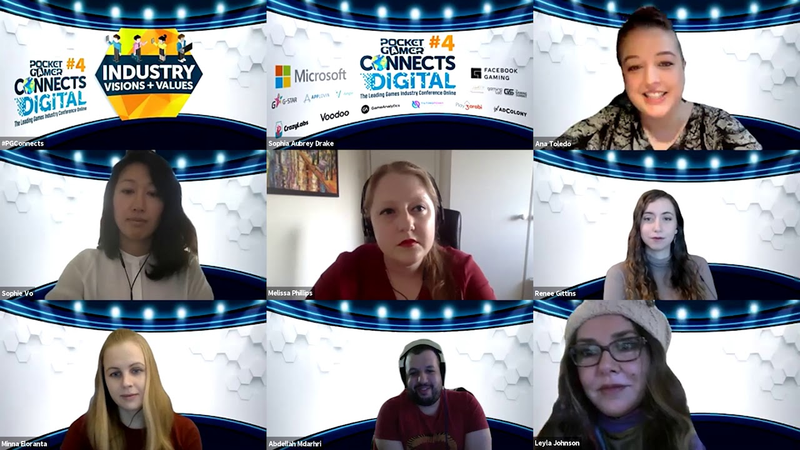
Panel: Building the Perfect Team
Key insights
7 takeaways- 01High-performing teams are built on psychological safety, mutual trust, and a shared mission rather than the acquisition of singular technical talent.
- 02The team itself is the studio’s most valuable asset, often outweighing the importance of a rigid initial product vision.
- 03Sustaining a high-functioning studio requires the enforcement of clear codes of conduct, a commitment to employee well-being, and ongoing mentorship.
- 04Company culture is defined by the consistent daily behaviors and actions of leadership rather than corporate slogans or superficial metrics.
- 05Hiring strategies must prioritize cultural alignment over technical skill to mitigate the organizational stability risks associated with value misalignment.
- 06Studios must foster diverse perspectives and encourage respectful disagreement to ensure products resonate with a global player base.
- 07Effective management requires balancing professional boundaries with empathy while actively encouraging constructive questioning and self-reflection.
Ask AI about this video
Transcript
but next up and closing off our industry visions and values track for uh day five as it is a pocket gamer connects digital is our panel about building the perfect team which is a perfect follow-on from the last talk that we were listening to and we've got a variety of people joining us there's anna i can see who will be moderating upon it i know there's quite a number of you joining but hey it's good to see you it's great to see you so it's been a while yeah it has been a while yeah as i was saying the other day online when we were talking i i missed g-star oh me too i missed you started so much i'm so sad it was so much fun it was wasn't it for everyone in the audience we were both in there in busan in south korea for g-star last year and uh
obviously g-star is uh happening next week or but it for the b2b side it's digital next week uh so um you know it should be great but i'm sure we're both looking forward to returning next year i hope so too now before i leave you all to talk i just want to obviously welcome all of our other wonderful panelists so i can see we've got sophie let me just check you all off i've got renee i've got uh melissa i've got minna i've got abdullah let me just see it's a big panel this one i've got layla and i believe that is all of you perfect so yes welcome to every single one of you lovely to have you here and i'm sure anna as i know will lead a brilliant panel uh i have no doubts about that but uh in the interest of uh letting you guys talk and keeping the flow going in this track i think i will disappear into the background and uh leave you all to it thank you so much we'll very quickly say yes sure throw any questions to the audience throw your questions into the q a because either myself or anna will be coming to those at the end
but to everyone else enjoy the panel and i'm looking forward to this thank you thank you so much sophia thank you thank you for everyone uh here um i think we we can start with some intros so i will uh start with myself uh my name is anna toledo i am the co-founder one of the co-founders and ceo of unicorn pirates studio in helsinki finland we are a 100 female non-binary lead studio and we were built in the values of diversity that was the reason why we opened the studio in the first place i'm super happy to see all of you um i let's start alphabetically please introduce yourselves i think you're the first one hello uh so i'm eduard from morocco i am the ceo and co-founder of shinko games you are mainly focusing on making mobile games yeah that's it
and nice to meet you no i think it's layla uh yes it's a bit too early here on the on the east coast of america i can't even go through the alphabet my name is leila johnson i'm the ceo of mohawk games i also work i developed the game myself i am the art director for 2d art and i'm on the design table and the head writer for a game called old world currently in early access awesome melissa uh hi i'm melissa phillips from silver rain games i'm the head of studio there alongside my co-conspirator abu bakr salim hey everyone i'm mina laronta i'm the ceo of boom corp uh in helsinki finland we actually have an office in tampere finland as well so we're kind of in in two cities and we're four co-founders who wanted to create a games business while doing fun games with a kind of a
game jam attitude awesome renee hi my name is renee gittins i am the executive director of the international game developers association the igda where we support and empower game developers in achieving fulfilling and sustainable careers and i am the ceo and creative director of a small indie studio called stumbling cat awesome sophie hey hi sophie here um so for me i have been working over a decade in the gaming industry and i'm running a studio now in berlin with vodou that i opened a year ago so to focus on casual games that's great so we are talking about building a perfect team and i think we all agreed that perfect team is a strange concept so i think we will just construct that a little bit during this panel and all all the challenges that a perfection would bring as well but i think we would be
talking more of a dream team uh of an ideal team of that team that we want to build together so uh the first question that uh we have it's uh what is a perfect team for you and your company uh what does that mean for you yeah personally when i'm looking at a perfect team or trying to define one i visualize a team that is happy productive and proactive um i think that having teammates who respect and collaborate with each other and empower each other to make their own decisions and provide feedback to each other allows for that perfect team where everyone feels safe in giving input and safe and receiving input and then feels like if they do notice an issue or problem they can take that and bring it up as an issue or make that their own and work on a solution
yes i would agree with that too anyone else totally agree with renee uh i think that's actually in our code of conduct for the company uh the the team at mohawk games actually collaborates uh regardless if one is one discipline or or not like the design team can uh can um collaborate with the art team the art team sometimes has input with the uh with the design team like everyone has a has a word to say and we make it clear that respect is is a main thing and we work a lot on our communication and knock on wood we've been you know just kind of knocking it out of you you know we've been doing well in that in that regard um and the star of the show is always the project so if it's in the best interest of the project you know then we're all agreeing abdella i think you wanted to say something yeah so uh for us i think that uh the perfect team is a
team that is able to deliver and uh make uh uh work quickly on projects okay and also a team that is able to communicate and uh yeah i'd like to jump on that idea of evolution because i think that's having having worked with teams that always from the beginning might have not been like like so how we say like the perfect team like communication is perfect and everyone respects each other but i think the most important thing is that a team feels safe to improve and they feel like they can improve communication and i think teams like perfect teams are informed from the start even if you bring all the best and all the best characters together you still need to build trust and i think that's kind of like the evolution is if every month we're seeing like yeah we're getting better and and everyone's feeling happier i think that's the best trend to be on even regardless of where we started
because we can't always pick of course a studio leads we can kind of pick the people we work with but in bigger studios people might not especially developers might not be able to pick who they work with so i think it's more important to focus on how we can evolve into really good teams and not how we can maybe build one in the sense of pic as in people were just resources to choose from or i'm just going to jump off the back of that and say um so we launched our studio in march and and we've had a lot of hard learnings between you know in the middle of a pandemic a black lives matter movement and a second me too movement in games um we've had a lot of learnings on on you know what we would look for and what the perfect team means and picking up on on the previous comment in regards to for me it's well-being um and a lot of studios don't like to talk about well-being they don't like to hear about well-being because if they hear it then they have to fix it and uh something we're learning is that the sooner you address uh like disgruntled us and you you start
to hear these you know oh why do we have a meeting on a thursday if we had it on a monday it'd be so much easier and that's such an easy win for a studio like let's just move the meeting till monday unless it needs to be on a thursday but actually addressing those problems straight away and not letting it fester is such a more healthy way of working and as a result you get better well-being in the team they feel respected they feel heard so you have to create a a system in which people are being heard and able to feed back we have a number of different ways in our company for our employees to do that that's great sophie do you have something i would say for me fundamentals have been mentioned so i i fully agree of uh with what was said but for me i'll share more personally what it is to me and it comes down to really a simple thing that is trust so i think it's very
making games is very tough as all of you know here and there are a lot of hard times there are a lot of moments where you are in doubts there are conflicts there are heart changes and trust is at the foundation to go through all of it and the second is uh having a shared why so our mission why are we why are we even a team and i think when this is shared then a line there's no need of our argument like why we should have to do this because we share the same why why we are making games or why we need to deliver this or why we need to perform or whatever is the reason so for me it has been uh yeah the main things yeah i think that's a very good point i think also uh to make sure that the whole team is on the same page in regards of what is our main goal you know because if people are there just because it's a job i don't think it's going to go any
further than what a team can really uh accomplish and we've seen a lot in many industries but also ours that people rely a lot on uh superstars you have the rock stars of the team who do everything and i i would rather have five juniors than a rock star to be very honest five juniors that work really well together are much more valuable to me than a rock star because a games are made of teams they are not a product that just one person should do and um i think this is one of the things and i think it was uh renee who said the collaboration pointer leila the the collaboration is so important and i think we're moving to towards a world that um it's not as important to have um competition but that actually collaboration is what moves us forward and um well in the notes uh we are talking also about the company culture so how do you think
that company culture connects to how the team is built uh how how do you think i think it connects with some of the things you already said but uh so i i'll take that on on my on a personal level and say that um i've worked around a toxic team and where i had to come in and realize okay well this is this is a person who is contributing to toxicity this is another person this is another person realizing that there's a click so i started forming a code of conduct and um and uh applying it not just like have it in the background it's beautiful wording or something that okay well you know there's there's a rule you have to actually apply the rule and uh and that was you know this allowed me to um to create i think a healthier uh healthier culture at work and productivity went up so when we when we applied the code of conduct like i held people accountable um some people left and you know i had a
moment of panic oh my gosh a lot of people are leaving uh what are we gonna do are we gonna fail in fact that we didn't we didn't even lose a day in releasing our project and everyone else who came on board that was a while ago now everyone else who came on board pushed the productivity forward the team is happier they talk um i feel like they talk in a place where they know is safe even if it's on slack under covet everyone is contributing uh it's just it feels like a whole new place and i'm very happy for something like this so i'd say i'd have the team follow the the uh the culture of the studio so i would say that uh uh okay respect it's it's one of the things that is very important in our company culture culture and uh i would add also that what we are trying
to do because we asking the small team is that everyone is working on something that he would like to work on you know and on the long term this will allow everyone to work really on what he he likes and not only on something that he is kind of obligated to work on yeah can i just say as well i think in regards to company cultures we're seeing a very uh strange phenomenon at the moment in which companies are feeling pressure to adhere to very specific public goals so i'm thinking in regards to things like diversity um and and being able to show that they are on side and supportive of things like diversity pushes um and it's it's this very strange phenomenon where we get companies that um are pushing diversity but not necessarily showing it within their company culture
and as a result we get this sort of weird um i see a lot of companies advertising roles at the moment for example that are like um we hire women and people of color and i'm like that's weird to even state such a thing like you should just be hiring them anyway like but they're putting it in their job posts which i find bizarre um and i think that's telling us that there's a miscommunication in regards to what companies think is good company culture uh to what actually might be so having lots of different faces is great but not if you're going to value them and create a working experience that you know really leans into each of those individuals abilities um i see a lot of exoticism around you know what's our diversity stats how many women have we got and it's more than that it's um and then i also see when they come into the culture that they then become part of well you're the savior now to champion for all women because we've got one woman and she's now responsible for
transforming this studio that kind of picks up on the last talk that we were just in the back of you know like um if you bring them in more will come um but we have to we have to try and figure out how this this this can also be a healthy experience you know that we don't have big corporations that are just hiring so that they can line us all up and show diversity um but they're actually actually taking steps to create a a good company culture so i think that starts um very much at the heart of of who the company is it starts it very much at who your team leaders are um and and again it comes back to i can't remember who said about having a shared goal and shared milestones that all of that team um come into one of the books that i really recommend is tribal leadership and this is the idea of not seeing us as a workforce but seeing us as a tribe and the bigger that we get the more uh
diaspora these tribes become you know we have to separate into smaller tribes and then what you get is a studio where you you're this bunch of different tribes all represented by different people fighting in amongst each other so how do we keep it in in a way in which everybody is moving towards that same part and that that has to start from the leadership um and is integral to your company culture so when it comes to um building a team and that company culture uh as noted it is um an integral part of of building a team and i think that if we just look at the process around building a team the interview process the in-person interview process in my opinion is 75 interviewing for culture fit and maybe 25 confirming uh skill set or or other values but really when i've been a hiring manager for a while now and when someone comes on site to
interview the things that i'm looking for is that they can both take feedback and that they can potentially in the future be a good mentor that you know they they are going to be a person who fits well with the culture of the team and the one time the one time i decided not to give feedback because i had a difficult time interviewing someone it turns out that they were a terrible culture fit and they didn't work with the team and it was just painful until they actually they decided to leave the team themselves but it just shows sure they can blow a programming test out of the water but if they don't fit culturally then they're you shouldn't bring them on it's just too painful to try to shove a you know a round person into a square hole of your culture and you're lucky renee for them for them wanting to leave themselves it would have been worse i'm staying oh it was it was an entire
it was an entire thing yeah we had been considering letting them go but then they started uh facing health difficulties and so we didn't want to to let them go during that time and i feel like there's also this kind of at least in finland right now i think we're all the time needing more workforce into the games industry especially more like mid-career and senior people and i think lots of companies might not value culture fit that much and people especially like company owners aren't thinking about these issues too much they're thinking oh we really need a programmer for this project and then they become full-time hires and they then they've kind of gone with that hr attitude for they might not even have an hr person it's maybe the ceo or just like someone from the company interviewing and and then suddenly you have a 25 person company who doesn't share anything and i think from there it's it's really tough to decide okay what is the company culture when we're still small studio owners we can use this time to kind of think okay what do we want this to be and and
i think there's you most times there might be a situation where the company just grows and grows and we're thinking like oh we're not big enough to think about these kind of stuff and actually even with just two three people i think that's one of the most important questions to ask like who are we and how do we represent ourselves and how what kind of people fit like how and also it's about self-reflection as well like what kind of person am i how are we as a team and and and so on so yeah i'll share here also my case which i think is i understand from panel might be different here so when i think about company culture so i'm at vaudo which is i would say a good size of company where about 300 people the company culture existed before i joined and then i came to be on a studio with my own philosophy values and how do this interact with each other so and it actually makes it even more complicated in hiring because in hiring we have also people from the
organization are interviewing and if it's not a good match in terms of company values but in team values how do we make this work together and company values is one thing but it's not very applicable on a daily basis for a team i think the culture is actually more in the actions the behavior that people have and this is where you see the real value so framing company values help as a reference point and this is how i have used it at purdue we have six values i i won't go through it but i had very clear values for the team i wanted to be on and that was what i was hiring for when i was going in interviews um very important was for example growth mindset and i think some of you mentioned this it's a an environment that changes a lot not to mention even the team the projects when you stop when you start uh when you change the team so this is one
of the key values for me and that is not necessarily part of the company values but for our practical work it is very important so in the end uh the values for me are the ones that are carried by the people of course model more by the modern more by the leadership so we are living the culture by the actions we're doing and then we encourage them by also the roles we have when as a lead or ceo you know all the positions that uh have teams yes it's true i think that also connects to the the our next question which is how do you ensure all employees they feel appreciated and part of the the team because we have of course the leadership but how to ensure that all the sales in our companies feel appreciated for example a lot of startups don't have a lot of money so we can show appreciation monetarily so how how do you do it i think it's through communication you
know uh and and setting a culture of of positive feedback as well you know if you thank people for their hard work or applaud them for their efforts even if those efforts aren't always successful i think that begins to make people feel valued and also empowers them to give the same types of comments and support to their peers as well and so as long as you keep planting those seeds and investing that positive and supportive attitude then i think that's what will grow within your studio as well in our company we have profit sharing um so 25 profit sharing with a team we are relatively small um with contractors who are about 40 now but we are at height like the peak of the project so um uh but i am big on communication actually this is where i come from i come from journalism and communication
uh and uh i i can feel i have this instinct yesterday in a meeting i saw one of one of our uh employees having a her face was kind of i felt there's something so i communicated like are you okay and she's like yeah i had a rough day it's like i was on the phone like five six minutes i was just there talking just checking her you know just thought what's going on and i found out and it was it was terrible uh but uh yeah the the person in charge or the people in charge need to kind of keep an eye out and you know think of them as also friends it is hard when you're the ceo i know i'll never be friends like i have accepted that because you know regardless i'll always be this person of authority and it's sad right that's all i have right now in my life but i'm there [Laughter] but um but i try i try and i want to like the fact that you want to make sure that they're okay that it's fundamental for you to make sure
that they're okay it goes a long way i think you can think a little bit oh sorry abdullah please say because we are seeing a small team and all the members are actually the founders okay that the main the main thing for us is is really really evolving together and and have some the same vision but for the employee employees i don't i don't really have a nurse for a specific answer right now but uh yeah i think so i just have a question for layla why why do you think that a ceo can can't be friends with um well i actually asked it to one of the most candid i think employees of ours is he and he said like it is hard because i'll always determine their fate you know i'm an owner and also a ceo so if they kind of mess up you know they always want to tell me
their opinion but they'll always keep me that oh you're the ceo so i'll always have the filtered version and that kind of grounded me i heard that last year and it grounded me so now i feel like well i have to accept it i would love for me to build a relationship where this is not a barrier that's my ideal scenario but i have to always keep in mind that if i'm going to determine yeah it's impossible it's it's about power relations um if i'm responsible for deciding on your career um then i have to it's my responsibility to make sure that i am judging you fairly with an as little non-bias as possible um and if you're my best friend or we're in a relationship um that does that causes trouble even if i'm aware of that that still causes trouble i mean i've started a studio with my friend um we are you know co-founders together and um there are difficult times where i have to tell him you know you are the chaos my job is to stop chaos at every level um as soon as
possible and sometimes he is the chaos and therefore we have to have words um and it's hard it is hard it's much harder when you're in that relationship with each other um than it is if you're an employee but you just have to be aware and it's it's unfair of you as well to put a friendship relationship onto an employee if you know that you are in a position of power above them and this is kind of why we end up with these metoo movements where these positions become blurred and i'm not saying don't be nice to them and don't have relationships in in regards like a friendly relationship uh but you just have to be very aware now of of who you are um to them um not how they make you feel yeah i agree with you melissa 100 and i think like i've in the past i've had issues with uh when i've been in an employee role with bosses kind of thinking that they're not my boss they want to be a friend and and realizing people not realizing their
kind of power this this kind of power relationship and like you said like i think people can have amazing relationships with their um co-workers and also with their bosses also with the ceos of the company but also they're i think always the person in power has to have responsibility they have to really take responsibility and and how they act and realize it always has a final straw kind of thing so exactly i think the awareness is the the biggest thing as well not only um because for me uh a lot of people in our company they were my friends before the company so that is also a completely different dynamic in itself uh but um when you have a little bit of more of a flat structure like we have these things get a little bit more deluded but there is still a power relationship that cannot be denied it's it's how it is and uh but of course that doesn't make me the queen of everything it just makes me in another senior position um and i think it is very important to to
everybody know that you are a team and even though i mean management i'm not like sitting back and having a cocktail and going like you do this that's that's not that's not what we are doing we're actually working a lot there are some people who are like that i'm not saying anything but i don't think we are uh these kinds of leaders and uh the leader has to put themselves out there as well so well um we are getting almost to the end so how do you advise other studios on building this uh ideal team that follows our values and our culture and our goals that we've been discussing i can uh jump in because that's what i've been doing when i was building the studio a year ago as well and starting actually really from scratch so where to start was a question like should i first come up with a vision of a game we're making and then hire people which order and in the end i think of a game studio really as
well a game for the long run so your next game you are thinking of is probably not the one that will go very far as we know it's very hard so the team the people is the the game you know what you're building for and my advice here would be really instead of focusing too much on the vision of what you want to build have more vision of what kind of people values characters you need to go through whatever the journey wherever it will take you having a vision of the team the values you want and then framing uh then in the hiring process of how will you evaluate these values during the recruitment and following this very divisionally during i don't know the probation period training coaching to keep an eye on what kind of team you're building and you already you understand this more through the process organically
because now a year after i had the vision of a team i wanted to build and now i i see with my eyes and my heart the team i have and it's beyond what i have imagined it's even better but in the end the people make the culture once again so it's as far as you can envision it and then you have to correct it once you have more clarity about it okay that's really really great anyone else i would say that i have more advice okay for small teams at the beginning it's uh work together first then be friends later that would be my advice for uh for building that team yeah my advice is oh go ahead abdullah my advice is also take advice when i when i had trouble i tapped friends in the industry i'm like hey listen without naming names this is what i'm dealing with
you know you are in my position what would you do what has been your experience and i've got you know a lot of feedback which actually helped me uh go in the right direction hopefully i think i'm in the right place today but you know it's just again i'm like up there looking you know like is this is this what it is is this real i'm so happy i hope it's real so ask for advice i have none to give i just you know collect data before you you never know collect data collect data before you give input so we have talked a lot about company culture and company values and i think what's important is when you're building out your team when you're doing those interviews and talking to people to not just talk about your company values but to truly show them like if if candor and truthfulness is part of your core company values and somebody asks you how your project is going in an interview you should be truthful about how your project is going and be like hey
we hit a little rough bump here because of this we hope to overcome it because of that and see how they respond to that um because seeing seeing you express your company values is going to attract the people who will support those right uh and i think that is very core to building that healthy culture and that healthy team and i also added i think you know culture is at a three-stage level as well we often think it's just to do with the internal workings of the studio but it's it's not just that it's you know the product that you're putting out is important as well to how people from the outside view your studio and your studio culture um and not only that but the audience in and who interact with that as well there's a whole you know it's a three-pronged approach to the on-screen off-screen and your audience that you're dealing with are all part of what feeds into your wider company culture and ultimately not only
how your team sees you but how potential applicants are also looking at the studio to join yeah when i when i think back to the teams i've worked with and the teams i've been we've been kind of building together now with boom corp as well i think respect is is one of the most important key features to have with people i think we all have our flaws and we have all our bad days and people might say silly like stupid stuff to each other but if in the end if after having a bad day you can go to the other person like hey sorry i i had a bad day i i didn't mean that you know this kind of culture of respecting each other and also i think uh also being aware of our own biases when hiring and not only hiring the people you kind of like and like this is just and but actually thinking about like will this person will their skills be a fit to the team well they're um like we talked about team fit and building this kind of good team i don't always believe like people that like when we're in situations uh as as producers as uh studio owners we we'd like to pick
the people that seem like us that's a bias that everyone does but i think it's kind of it's kind of more important to think like do we i think it would be better to have lots of people on that like if like we're four people in the studio i'd love every one of us to be there and meeting meetings deciding like who will we hire and this kind of thing so it doesn't become this one bias of i like this person and it might become this like echo chamber of i love people disagreeing i think like a perfect team disagrees a lot but respects each other a lot as well and that's how we can make like global and good games and diverse games when we're not all on the same page all the time and it's probably more about like working with with this disagreements respectfully than not having disagreements at all and just always being happy which is a dream scenario which won't happen in any case i think even being happy is not that much of a dream scenario because i think if everyone is happy all the
time there's something very wrong going on and abdallah also said that the same thing as you mean the respect and the respect is extremely important uh the respect is where you can really go through all the the paths that we are telling now when you respect each other and you respect the other person and some people are not very yeah i think there's like the biggest maybe personal issues i've had with people is usually like like i said i think respect is a really hard skill to learn and if you're already in in very well into your adult life without learning to respect other people it's really hard to change that in like a year or something in a team so that's so true yes and i think this is one of these things that it's very hard to also point out because people will get very defensive it's much easier to say hey your drawing is i don't know not
not according to what we want that's much easier to take than now you are not respecting your co-workers or your leadership or whatever it is and people are going to be extremely defensive over that so it's also important to create i think this environment of feedback because then when this environment of feedback is so preeminent when you point something that out people are probably going to receive it differently i'm not entirely sure but i i believe so yes all right irony i think one of the best skills that you can encourage and foster in a team um particularly if if people haven't acquired it yet is the ability for self-reflection because when it comes to giving criticism on someone's you know behavior towards their co-workers or things like that i think if you can encourage them to be self-reflective and consider situations and problems
from a different perspective from you know and looking internally perspective that can plant the seeds that cause people to grow into to better co-workers and into better contributors and i think those seeds are easier to plant than it is to give that feedback because a lot of that feedback has to be self-internalized prior to them receiving it or else they are going to react very poorly to receiving it that's true i agree one thousand percent with renee if that exists even uh because you know it's already hard for us to really it i don't know if it's the same for you but for us to identify a problem and you know um uh formulate a way to communicate with the employee and give them that critiquing it's it's already a journey for us that we have to make so by the time we do this and receiving
pushback after pushback after pushback you'll come to a place where it's either pointless to give them critique and you have to like accept whatever is happening it becomes harder when you know this is becoming a conduct issue with other employees because you can put on yourself as much and you know take as much of that and say you know what i can deal with it you'll have to deal with it differently if it concerns other employees and this is where you know this is our this is where like our journey ends because of the inability to receive critique and that's really and how do you handle when you have a problem in leadership how would you handle it i'm leadership so i uh managing up for leadership above or managing down for other leadership i think both of those i think both of those can be a complex i would say yeah yeah um managing up is a very difficult uh skill and a very important skill um i think that it is possible
to start poking around more with with questions than it is to do any other type of feedback um managing up is always best done i think through questions uh questions and praise it's like oh that's a really interesting idea so that means you've considered this and and oh do you think that's going to solve this other problem that we have and you know you're not forcing anything but you are you know giving those hints that direction and giving them an opportunity to to own the correct solution um and to own that forward progress and i think that's the best way to manage up for for leadership who are you have difficulties with um when it comes to managing leaders i think that having a you know a good policy where you are open with them and you ask them to be open with you and you you
practice that so that when there is difficulty you know you can say hey i've been really appreciating your work i've noticed that there's been this this issue let's talk on how we can work work through this let's talk on what i can do to empower you to improve in these areas uh let me know if you need anything and in that way it doesn't feel like you've you're messing up and this is your fault it's like hey this is an issue let's work on it together and most the time even if you say let's work on it together they they can probably figure it out on their own but just offering that olive branch is enough for them to feel like they are being supported through that criticism that it's not just a attack i have learned actually also through my career that i uh about the upward feedback uh which is very hard but there's a position of power so when the way you talk to a person is not the same way that you would help and coach your team members and
actually shouldn't be any different sometimes your leaders need to be coached to understand what you're trying to achieve here but you're affected by the way of communication that is not always ideal and it's the same it's harder because there's a power struggle but i think it's a it's a one that works over time to build the trust of a relationship upward same way yes it's um it's a very different topic i think also because we are now slowly building different cultures um and in in companies in general i think that the idea of company the idea of leadership they're all very they're getting into a very different concept uh we're not working anymore with that 19th century uh early 20th century concept of the big
boss having a whiskey at 2 p.m and you're a fire kind of movie thing i think we are changing a lot and as a historian i'm originally a historian i'm in the gaming industry somehow and uh this is this was a very very short time ago so i think it's very important to have panels as these so that we can discuss because it seems like we're talking about common sense but it's not as common as you would believe and i've seen so many companies have values that they don't follow at all and uh you can see it in five minutes it's like it's not even uh i think and mistreating their employees or as melissa said using uh diversity as a buzzword not really as a value and uh i think that exists uh it's more like i want to look good to people and um i i believe it's very important that we continue to discuss these things so that we can uh
make the gaming industry also a little bit more more diverse healthier and um because gamers are very diverse as well we cannot forget our players they are the most important part of our jobs and we we need to represent them and if we have a horrible team we are not gonna make uh games with i'm sorry you are not gonna get games with care uh because if you don't care why why would your player care so i think that's extremely important to put the product out there um i think we still have a few minutes uh anyone oh no sophia's coming sophie is coming back yeah no um i was just gonna say uh yeah unfortunately we have uh reached time on the panel i'm afraid but i was gonna say i mean what what didn't you guys cover in that panel i mean i've seen i think it went through just about
everything didn't it which is fantastic we did a coaching session yeah it was brilliant yeah it was fantastic yeah so um no i just wanted to say thank you to all of you i know that we um you know we sadly haven't got any time for question and answer but like i say i think you guys covered just about everything but um you know i don't know if any of you are going to be in the discord later but uh if so people can hopefully grab you if they've got any further questions and i just wanted to say uh please uh anyone that is interested please add me on linkedin uh also to know what our company is doing and i probably think our my uh fellow panelists will also agree and um we i hope to see you all soon i think this was very um it was a very good learning experience for me it was really great thank you and thank you sophia it's been an absolute pleasure and uh as as the igda it is literally our purpose to help you be
successful in the games industry so reach out to us reach out to me if you need anything at all great energy just great way to start the morning yes thank you oh yeah contagious your energy is contagious i need it that way yes it is it very much is it's a brilliant pick-me-up for the rest of the day oh thank you so much to all of you it's been an absolutely fantastic way to end our uh a brilliant morning on the industry visions and values track it's always one of my favorite tracks to to you know help you know introduce you all and be a part of and so thank you for all of you for sharing all your wisdom and knowledge thank you so much thank you thank you have a great day you too yeah have a great day everyone get some get some coffee recharge get ready for the afternoon
you
Summary
The pursuit of a high-performing game studio team necessitates a fundamental shift in priority from individual technical prowess to the cultivation of collective health and collaborative synergy. Rather than relying on the acquisition of singular talent, success is driven by psychological safety, mutual trust, and a shared mission. A team’s ability to evolve, communicate transparently, and support one another serves as the primary engine for long-term productivity and creative output. Consequently, the team itself stands as the studio’s most valuable asset, often outweighing the importance of a rigid initial product vision.
Hiring strategies must prioritize cultural alignment over technical skill, as value misalignment poses a significant risk to organizational stability. Company culture is not defined by corporate slogans or superficial metrics, but rather by the consistent daily behaviors and actions of leadership. Effective management requires a delicate balance between maintaining professional boundaries and fostering genuine empathy. Leaders are tasked with navigating power dynamics by encouraging constructive questioning, self-reflection, and collaborative problem-solving, ensuring that stated values are authentically practiced throughout the organization.
A diverse and healthy internal culture is essential for developing games that resonate with a global player base. By embracing diverse perspectives and encouraging respectful disagreement, studios can ensure their products reflect genuine care and inclusivity. Sustaining this environment requires the enforcement of clear codes of conduct and a commitment to employee well-being. Ultimately, the quality of a final game is a direct reflection of the team’s internal dynamics, making ongoing mentorship and industry-wide networking vital components for maintaining a resilient, high-functioning studio environment.



















Comments