
Success in mid-core mobile gaming requires aligning development scope with realistic marketing budgets.
Key Finding. Success requires aligning development scope with realistic marketing budgets for complex user acquisition.
This increase significantly complicates the ability to scale titles profitably in the mobile gaming market.
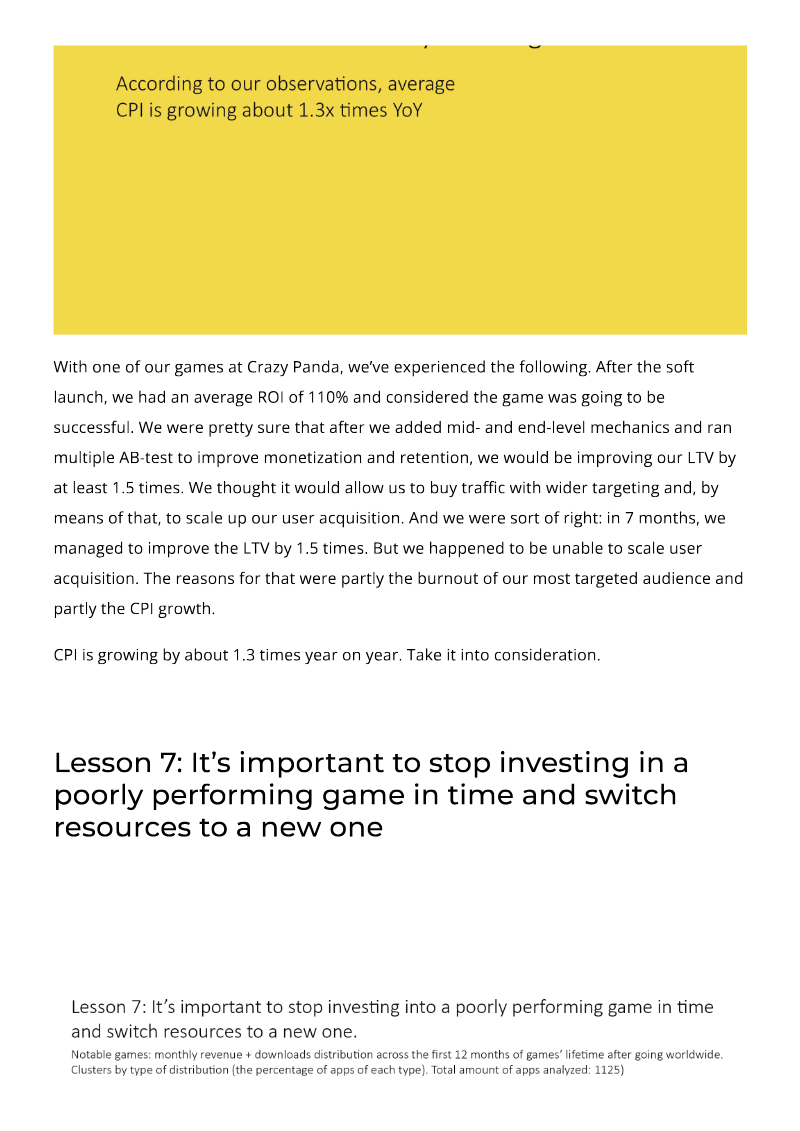
Genres like 4X strategy and RPGs need significant resources to remain competitive.

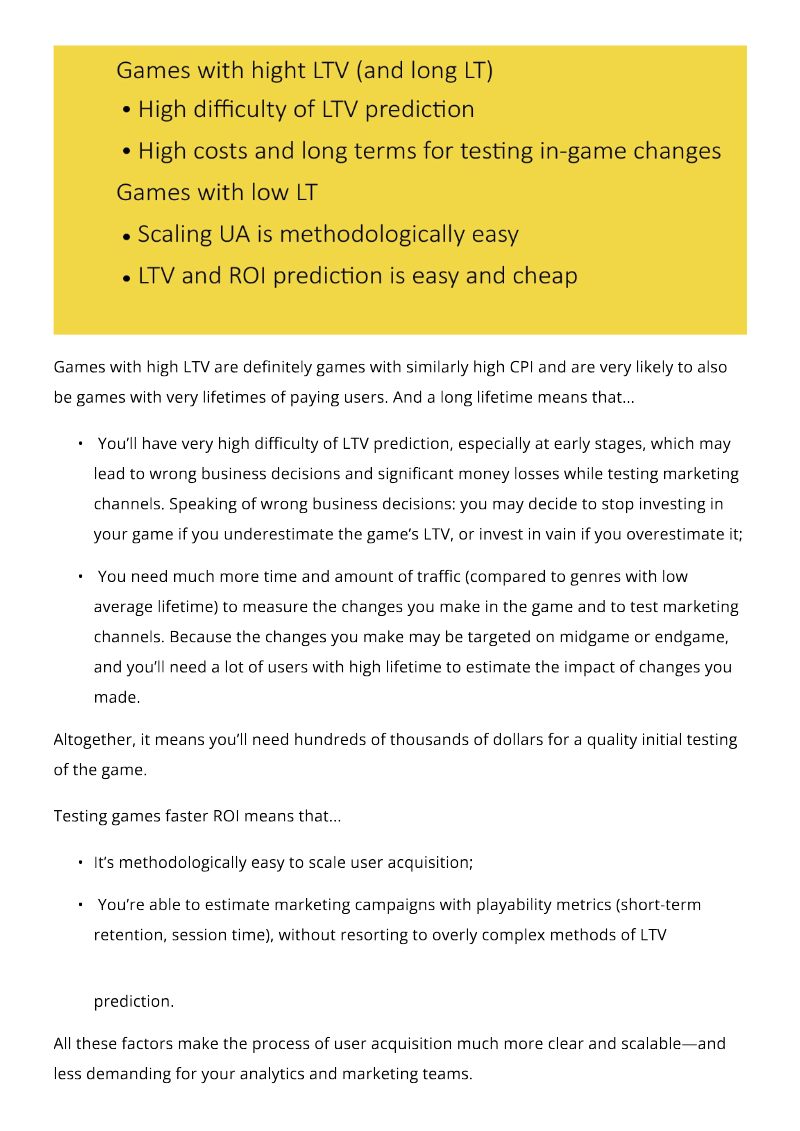
This capital is specifically allocated for rigorous testing and accurate LTV prediction models.
Performance trajectories are often established early in a global launch.
Like a sapling that doesn't grow in its first season, it's unlikely to become a strong tree later.
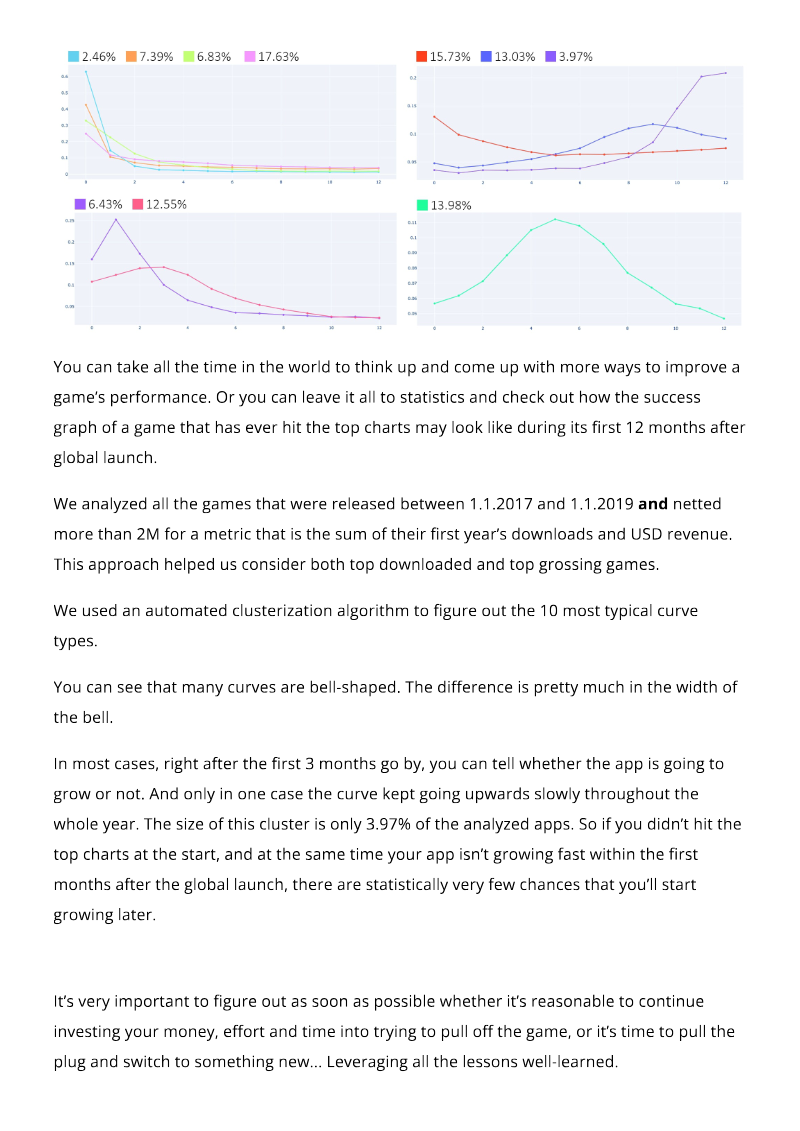
The primary objective of this analysis is to provide strategic guidance for developers and publishers navigating the competitive landscape of mid-core mobile gaming. The central thesis posits that success in this sector requires a rigorous, data-driven approach to production, user acquisition, and lifecycle management, as the market is characterized by high barriers to entry and escalating costs. By examining industry trends and performance metrics, the analysis emphasizes that developers must align their development scope with realistic marketing budgets and be prepared to pivot quickly when performance data indicates a project is unlikely to achieve long-term growth.
Key findings highlight that games with high lifetime value (LTV) typically demand significant production investment, as genres like 4X strategy and RPGs require extensive content and technical sophistication to remain competitive. Furthermore, user acquisition (UA) for high-LTV titles is inherently more complex and expensive, requiring substantial capital for testing and accurate LTV prediction. The analysis identifies ad creatives as a critical, often underestimated, driver of scale, noting that even misleading or non-representative creative assets can significantly boost download volume and market penetration. Additionally, the data indicates that average cost-per-install (CPI) is rising by approximately 30% year-over-year, further complicating the ability to scale profitably.
The scope of this research covers the global mobile gaming industry, with a specific focus on Western markets, utilizing data from 2017 through 2019. The methodology relies on cluster analysis of over 1,100 games that generated at least $2 million in combined revenue and download metrics during their first year of global release. The analysis concludes that performance trajectories are often established within the first three months of a global launch. Statistically, games that fail to show upward momentum during this initial window rarely achieve success later, suggesting that developers should prioritize timely resource reallocation over prolonged investment in underperforming titles.