Key insights
7 slides
The shift
The industry is moving from hardware unit sales to platform sustainability.
Distribution innovation and market fragmentation characterize the current phase. Focus is shifting toward recurring digital revenue.
Core approach
Switch 2 prioritizes backward compatibility and ecosystem retention over technical disruption.
Nintendo aims to preserve software value and high attachment rates. This insulates it from premium handheld PC devices like the Steam Deck.
Pricing power
Nintendo leverages strong pricing power to maintain full retail value for its titles.
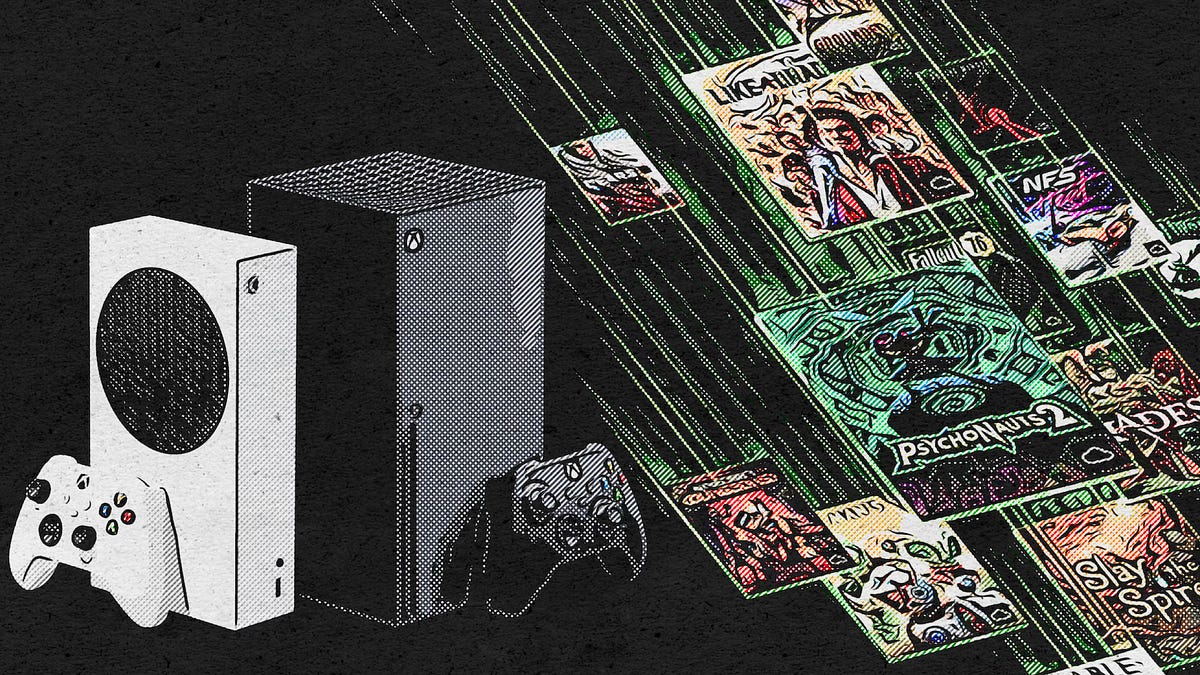
This contrasts with subscription-heavy models favored by competitors like Microsoft. Nintendo continues to extract full retail value for its marquee titles.
Key number
The U.S. market historically accounts for 40% of Nintendo’s global console sales.
This market remains critical to Nintendo’s financial stability. Potential trade tariffs could impact this critical U.S. market.
Price point
Market analysis projects a $399 price point for the Switch 2.
This strategic threshold balances premium hardware aspirations with accessibility for its core demographic. Nintendo faces macroeconomic headwinds including potential trade tariffs.
Peer results
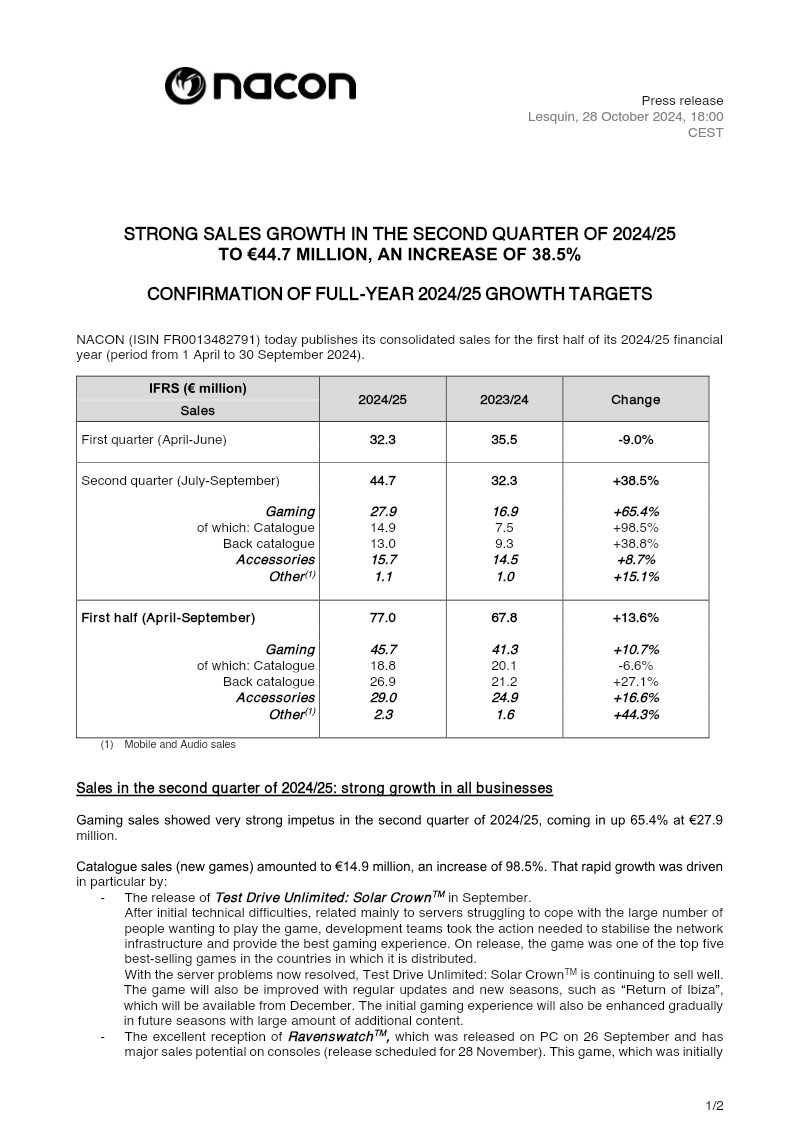
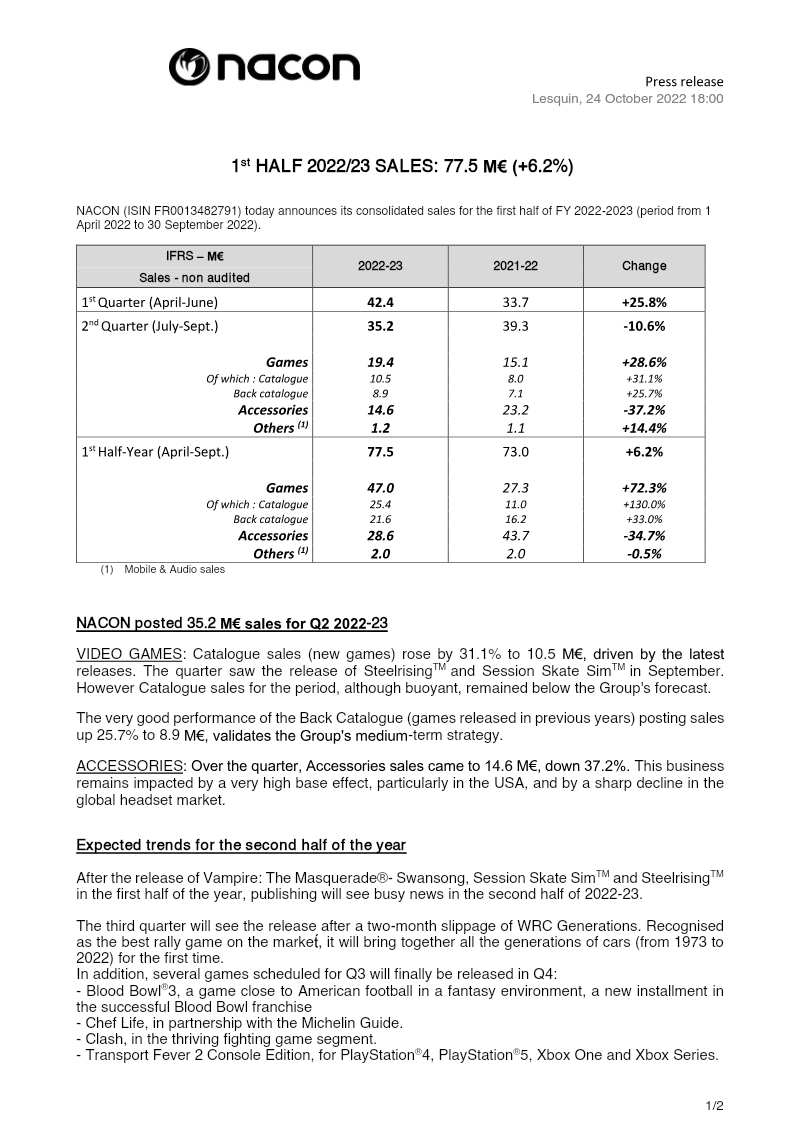
Sony’s gaming division recently achieved record operating income of $787 million.
Broader industry performance remains robust despite economic uncertainty.
Sustained growth
Supercell reported $3 billion in annual revenue despite industry layoffs.
Advertising technology firms like AppLovin have also demonstrated high efficacy in mobile user acquisition.
1 / 7
Ask AI about this report