ArticleGame File
Nintendo Says It Has No Legal Duty to Pass U.S. Tariff Refunds on to Consumers
21 Jul 20261 pages~2 min full read
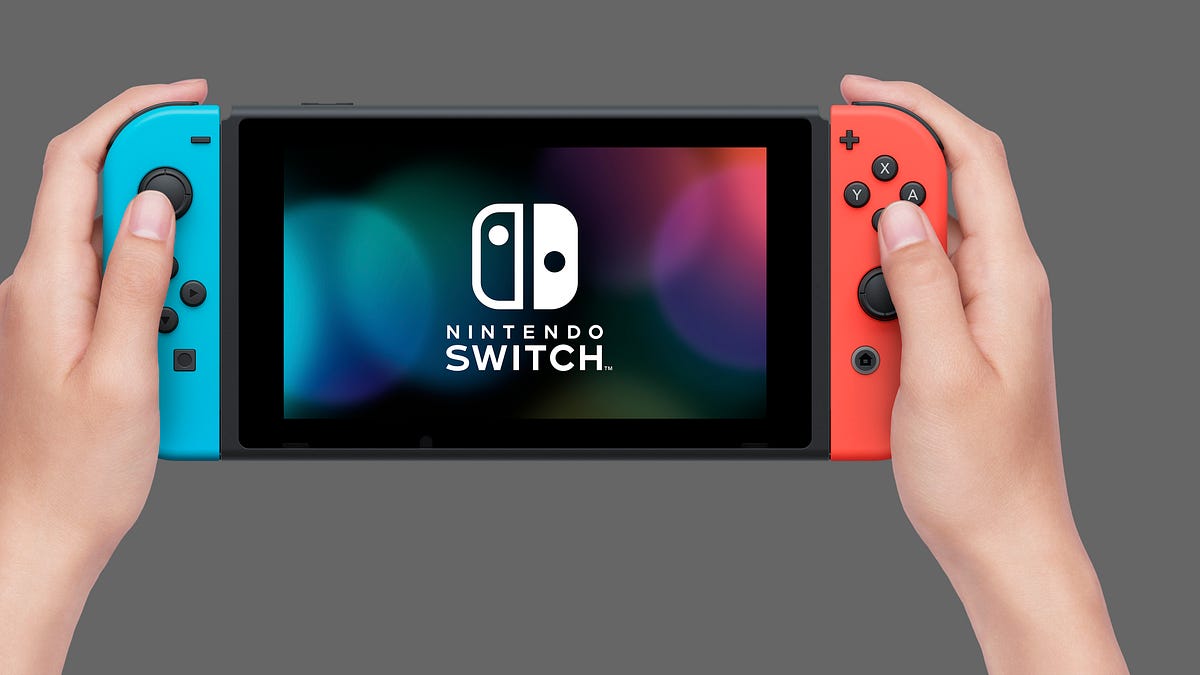
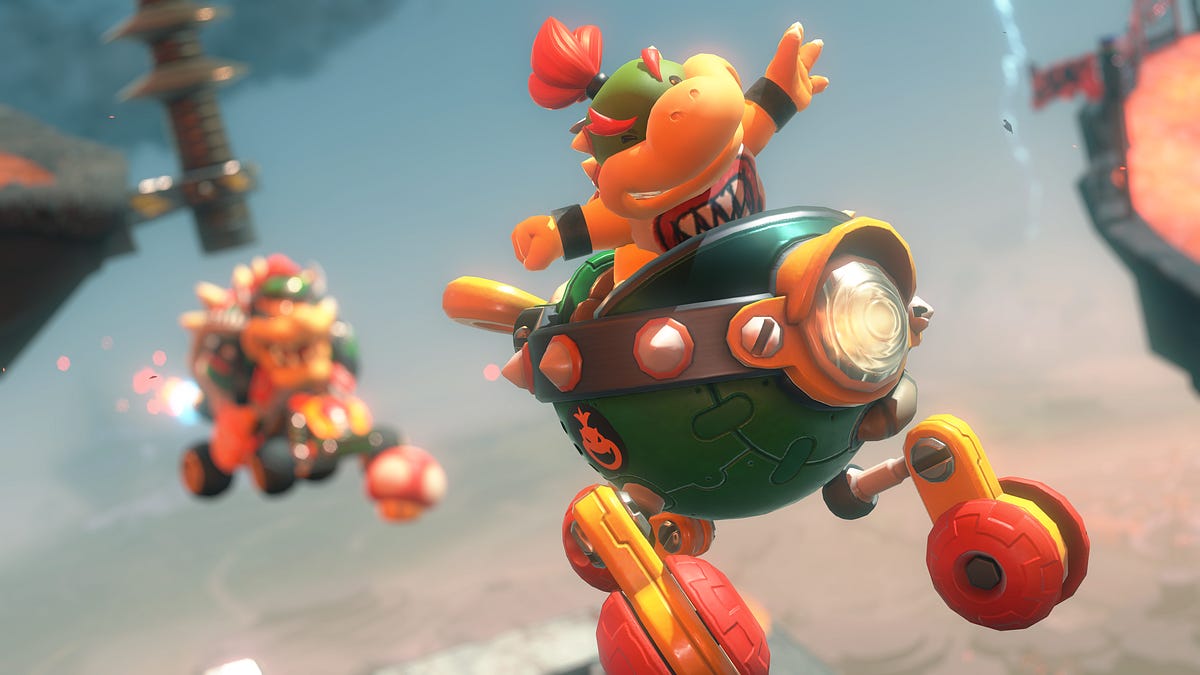
Nintendo is currently seeking the dismissal of a class action lawsuit, Hoffert et al v. Nintendo, which alleges that the company is legally obligated to pass U.S. tariff refunds on to consumers. The litigation stems from a period between February 2025 and February 2026, during which Nintendo increased the prices of hardware, including Switch consoles and controllers, in response to shifting U.S. trade tariffs. Following a February 2026 Supreme Court ruling that declared these tariffs illegal, Nintendo pursued a refund from the federal government, prompting consumers to file a lawsuit claiming that the company is engaging in unjust enrichment by retaining both the inflated retail revenue and the subsequent government refund.
The core of Nintendo’s defense rests on the principle of completed commercial transactions. The company maintains that consumers received the goods they purchased at the agreed-upon price and that there is no legal precedent requiring retroactive price adjustments based on subsequent legal developments regarding trade policy. Nintendo argues that the plaintiffs’ claims misinterpret the nature of retail commerce, asserting that the company holds no legal duty to distribute government refunds to its customer base.
This legal dispute highlights the intersection of international trade law and consumer rights within the gaming industry. The scope of the proposed class action covers all U.S. consumers who purchased price-hiked Nintendo products during the one-year window when the tariffs were in effect. By filing for dismissal, Nintendo is challenging the premise that a company’s recovery of costs from the government necessitates a corresponding rebate to the end-user, framing the matter as a standard business operation rather than a breach of consumer protection law.
Game File · 2026

Game File · 2026
Game File · 2026
Game File · 2026
Game File · 2026

Game File · 2026
Game File · 2026
Game File · 2026
Game File · 2026

Game File · 2026
Game File · 2026
Game File · 2026
EA · 2025

GameRefinery · 2021

Sensor Tower · 2021

App Annie · 2021
Entertainment Software Association · 2013

Mistplay

Almedia · 2026
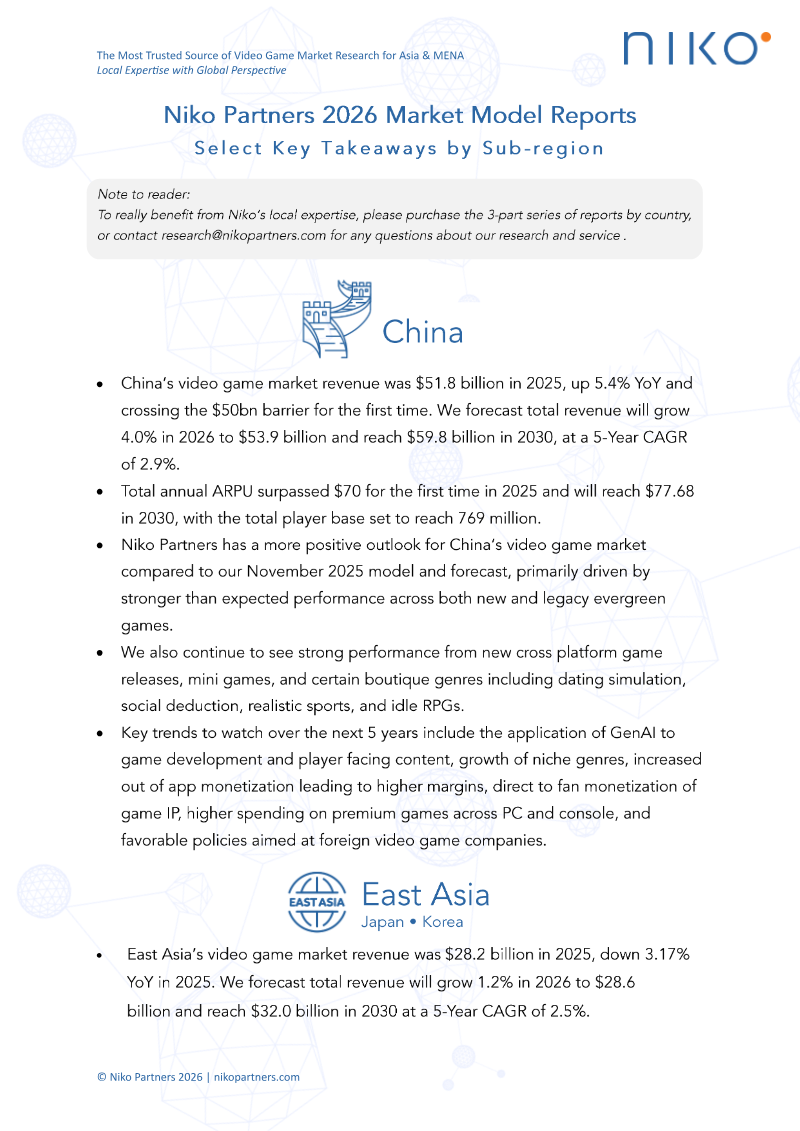
Niko Partners · 2026
Gamesight · 2026

Sensor Tower · 2026

Sensor Tower · 2026
AppLovin · 2026