ArticleGame File
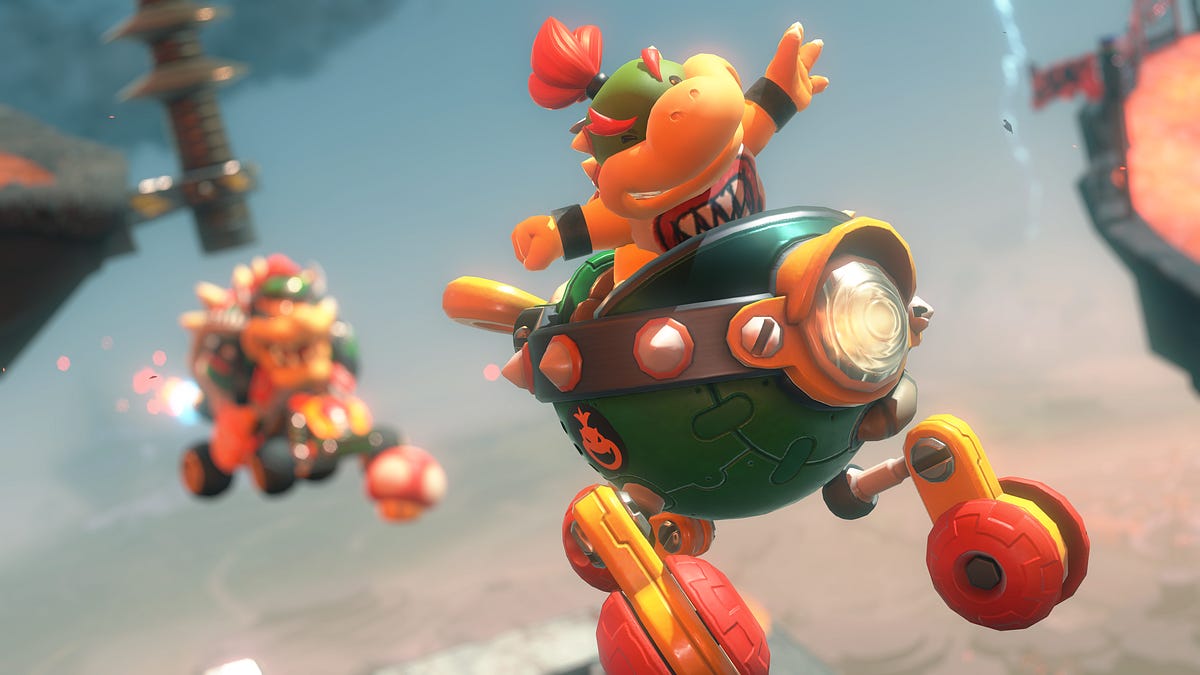
Mario Kart World Can't Quite Shake Mario Kart 8 Deluxe, Nintendo Sales Reports Show
12 Aug 20261 pages~3 min full read
This analysis examines the competitive tension between Nintendo’s legacy title, Mario Kart 8 Deluxe, and its recent successor, Mario Kart World, to determine how backwards compatibility and pricing strategies influence consumer behavior. The primary thesis suggests that the enduring popularity of the nine-year-old Mario Kart 8 Deluxe is actively cannibalizing sales of the newer, more expensive sequel, posing a significant challenge for Nintendo as it manages its internal software ecosystem on the Switch 2 hardware.
Data from the second quarter of 2026 reveals that Mario Kart 8 Deluxe sold 450,000 units at a $60 price point, while the newer Mario Kart World, released in June 2025, sold 690,000 units at an $80 price point. Despite the newer game’s higher volume, the performance of the older title remains remarkably resilient. Notably, sales of Mario Kart 8 Deluxe relative to the original Switch installed base have actually increased since the launch of the Switch 2. Conversely, sales of Mario Kart World have experienced a sharp decline relative to the Switch 2 hardware base, a trend exacerbated by the cessation of hardware-software bundling.
The findings highlight a broader industry dilemma regarding the lifecycle of mega-franchises. When consumers are presented with a choice between a highly polished, lower-cost legacy title and a premium-priced sequel on the same platform, the older game maintains a competitive advantage. This dynamic suggests that Nintendo faces a unique internal conflict, as the backwards compatibility of the Switch 2 allows its massive library of legacy hits to compete directly against its current software lineup, potentially hindering the market penetration of new releases.
Game File · 2026

Game File · 2026
Game File · 2026
Game File · 2026
Game File · 2026

Game File · 2026
Game File · 2026
Game File · 2026
Game File · 2026

Game File · 2026
Game File · 2026
Game File · 2026
Ubisoft · 2026
Newzoo · 2026
Newzoo · 2026
Aream & Co · 2026
Take-Two Interactive · 2026
Epyllion · 2026

Aream & Co · 2025

Aream & Co · 2025
Newzoo · 2025
Square Enix · 2025
Konami · 2025
Epyllion · 2025