ArticleGame File
Saber Denies Replacement Claim, as CEO Publicly Insults Former Writer Who Called Out AI Usage
13 Aug 20261 pages~8 min full read
Key insights
5 slides
The claim
Former writer alleges she was replaced by ChatGPT.
Stella Sacco publicly alleged that she was replaced by ChatGPT in late 2023. Saber Interactive has formally denied these claims.
Staff growth. Saber asserts its total writing staff has tripled since 2023.
tripled
Writing staff growth since 2023
AI usage
Generative AI creates dialogue for an experimental side mode.
Saber confirmed generative AI creates batches of dialogue for an experimental, free-ride side mode. Human staff review and edit the generated dialogue.
Offline production. AI-generated dialogue is produced offline via writer-led prompts.
offline
How AI dialogue is produced
CEO remarks
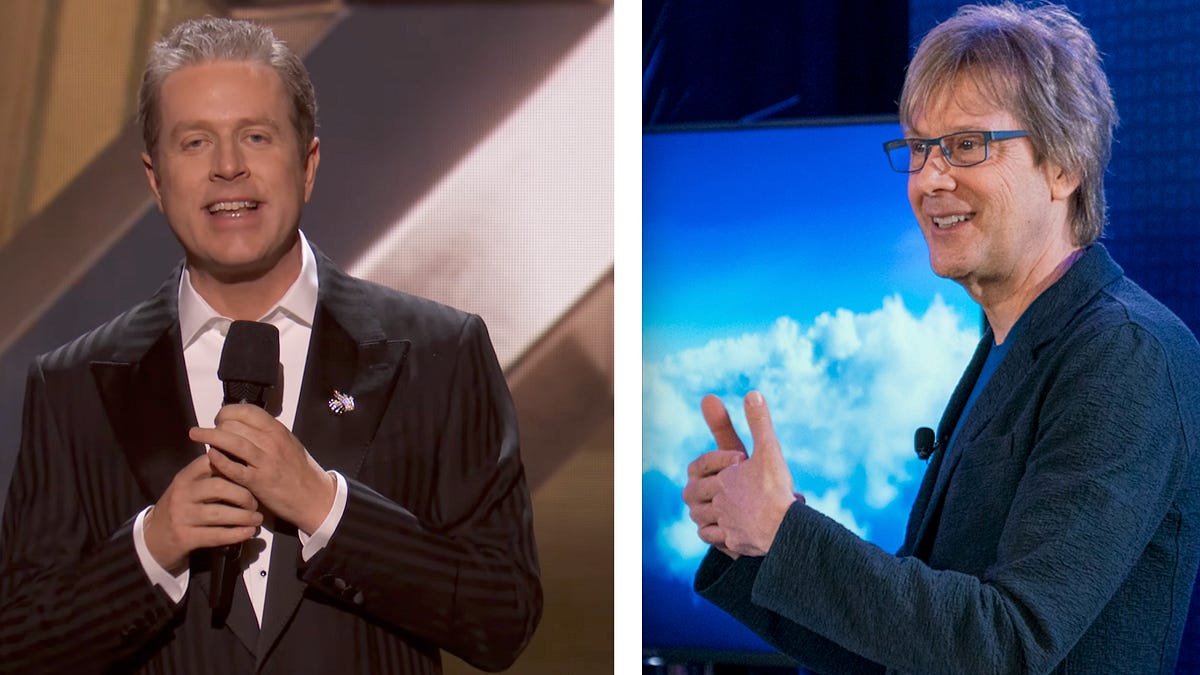
CEO publicly insulted the former writer in a press statement.
Matt Karch issued statements dismissing the former employee’s claims and questioning her professional contributions. These remarks drew significant criticism from the gaming community.
Disclosure plan
Saber intends to add an AI disclosure to the Steam page.
The company intends to add an AI disclosure to the game's Steam page. This complies with Valve’s 2024 policy requiring developers to label games using generative AI.
Reputational risk
CEO comments overshadowed the technical explanation of development.
The public fallout from the CEO’s comments has overshadowed the technical explanation of the game's development process.
1 / 5
Ask AI about this report