1 free read left. Create a free account for unlimited reading + AI research.
Create free accountArticle GeoPoll
1 free read left. Create a free account for unlimited reading + AI research.
Create free accountArticleGeoPoll
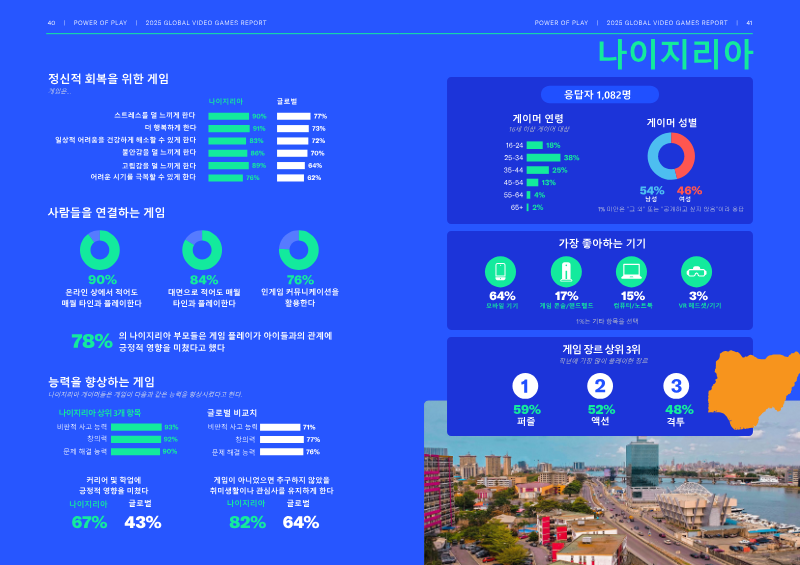
91% of players identify mobile devices as their primary platform. Three-quarters of players engage for more than an hour daily.
Mobile Dominance. 91% of players use mobile devices as their primary platform, with 75% playing for over an hour daily.
The 2025 Gaming in Africa Report provides a comprehensive analysis of the continent’s maturing gaming ecosystem, highlighting a mobile-first market characterized by high engagement and evolving monetization trends. Conducted by GeoPoll and the Pan Africa Gaming Group, the study surveyed over 6,000 players across six nations—Egypt, Kenya, Nigeria, South Africa, Tanzania, and Senegal—between September and November 2025. The research underscores that the African gaming sector has moved beyond early-stage development, showing significant economic potential despite persistent infrastructure and visibility challenges.
Mobile devices serve as the primary gaming platform for 91 percent of respondents, with three-quarters of players engaging for at least one hour daily. Monetization is increasingly driven by performance-based mobile advertising, as evidenced by 59 percent of players making purchases after viewing in-game ads. While payment methods are diversifying through the adoption of mobile money and digital wallets, high data costs and limited disposable income remain primary barriers to growth. Furthermore, a notable discovery gap exists regarding local content, as more than half of the respondents could not name a single game developed within Africa.
Cultural representation has emerged as a critical driver of player engagement and purchasing behavior. Over half of the surveyed audience prioritizes cultural relevance, expressing a strong preference for African settings and Black characters. Additionally, the report identifies a growing trend toward environmental consciousness, with nearly one-third of players utilizing energy-saving modes. These findings suggest that for the African gaming industry to reach its full potential, developers must prioritize locally resonant content and sustainable practices to better align with the expectations of a sophisticated and rapidly expanding youth market.
SELL – Syndicat des Éditeurs de Logiciels de Loisirs · 2026
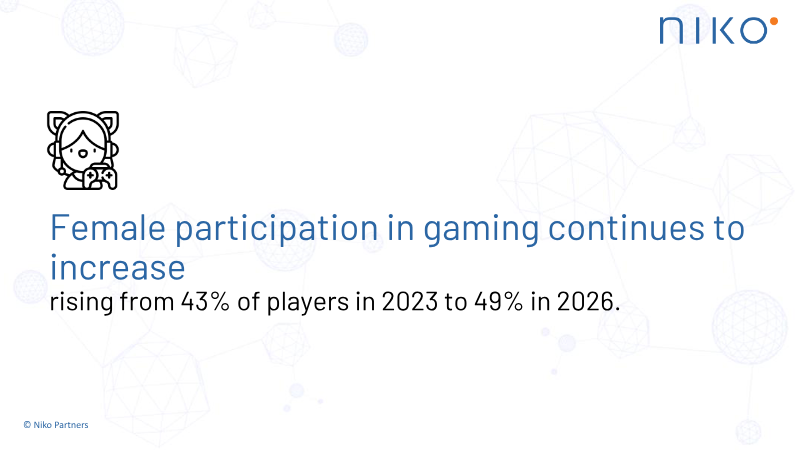
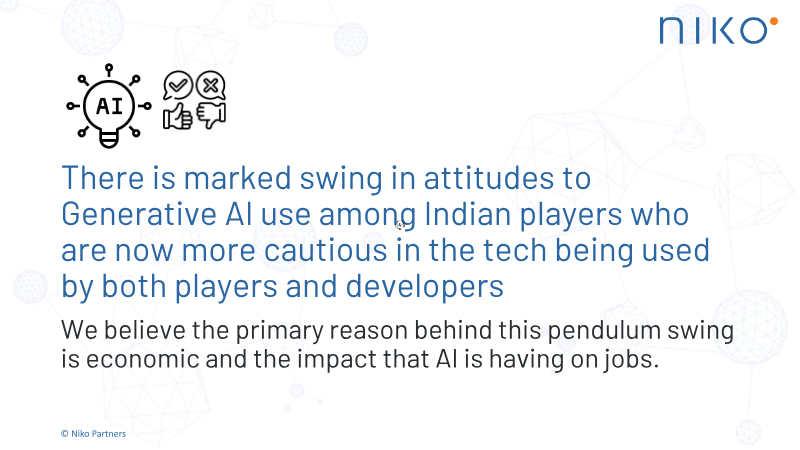

Niko Partners · 2026
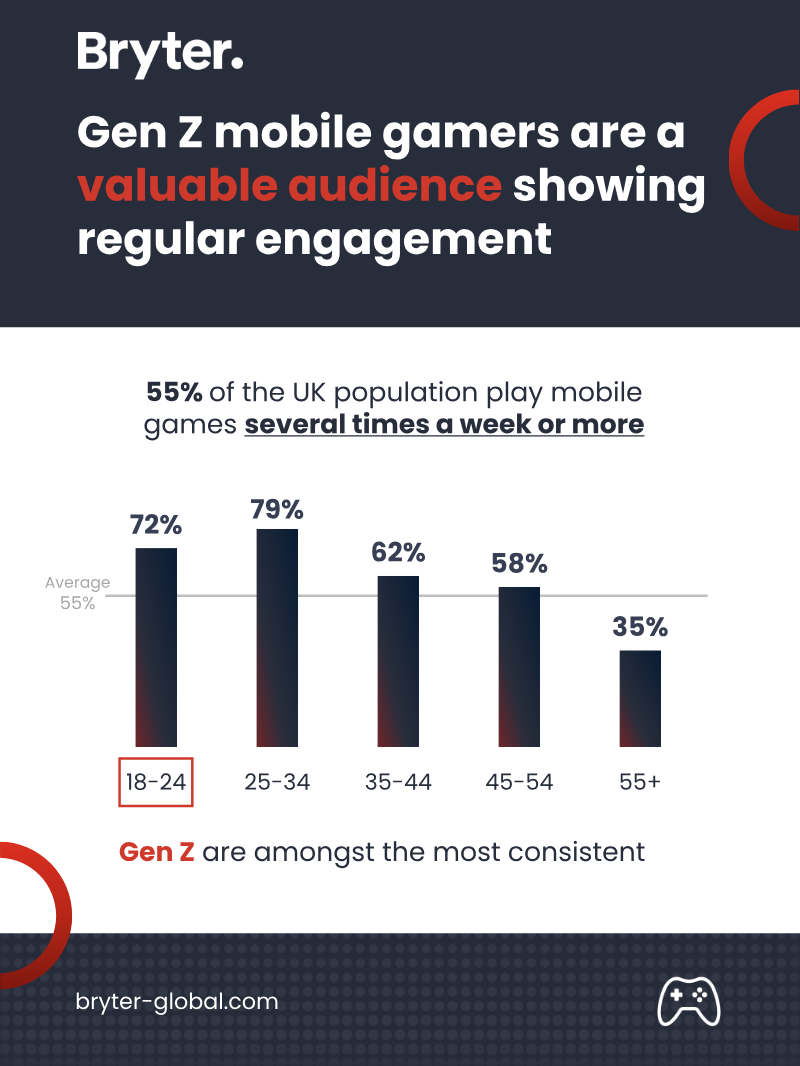
Bryter · 2026

Deconstructor of Fun · 2025
Entertainment Software Association · 2025

Deconstructor of Fun · 2025
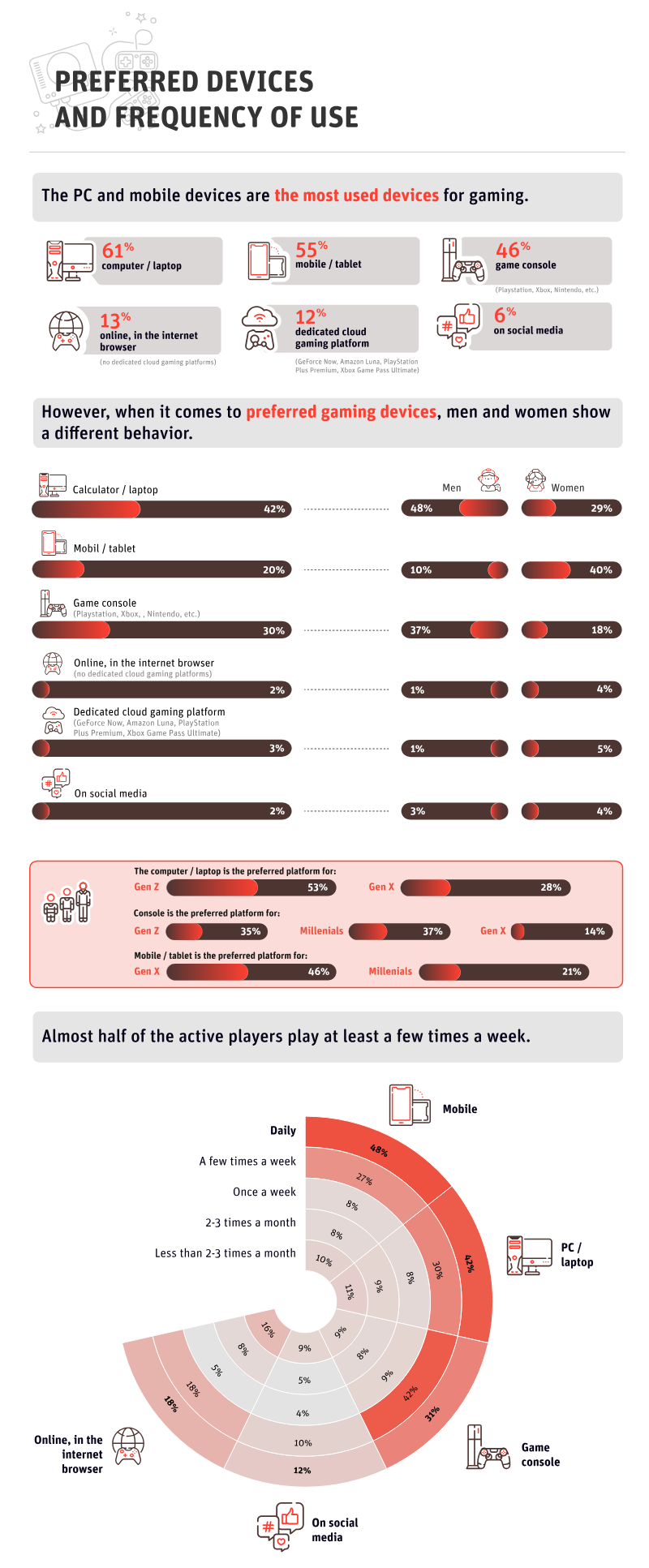
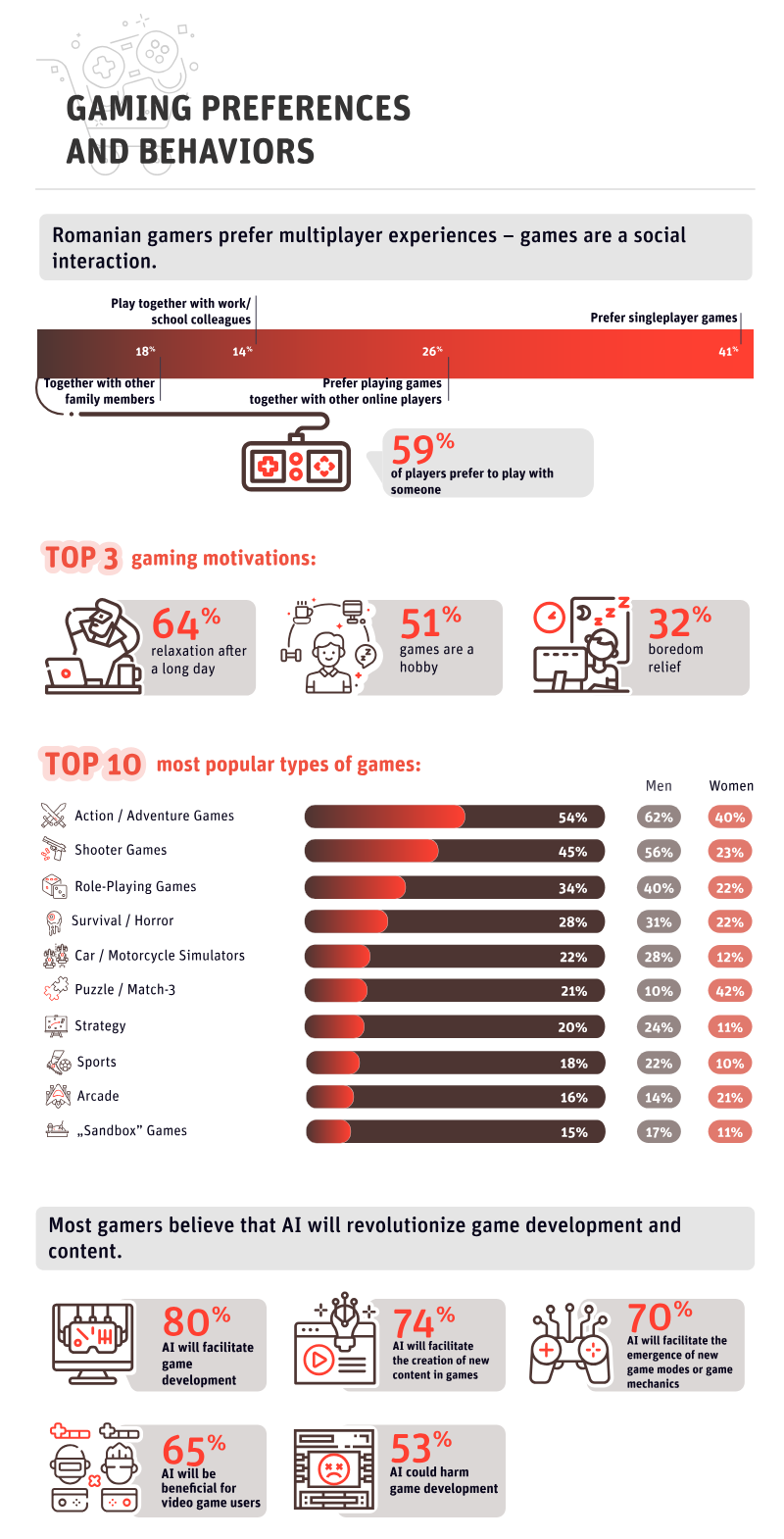
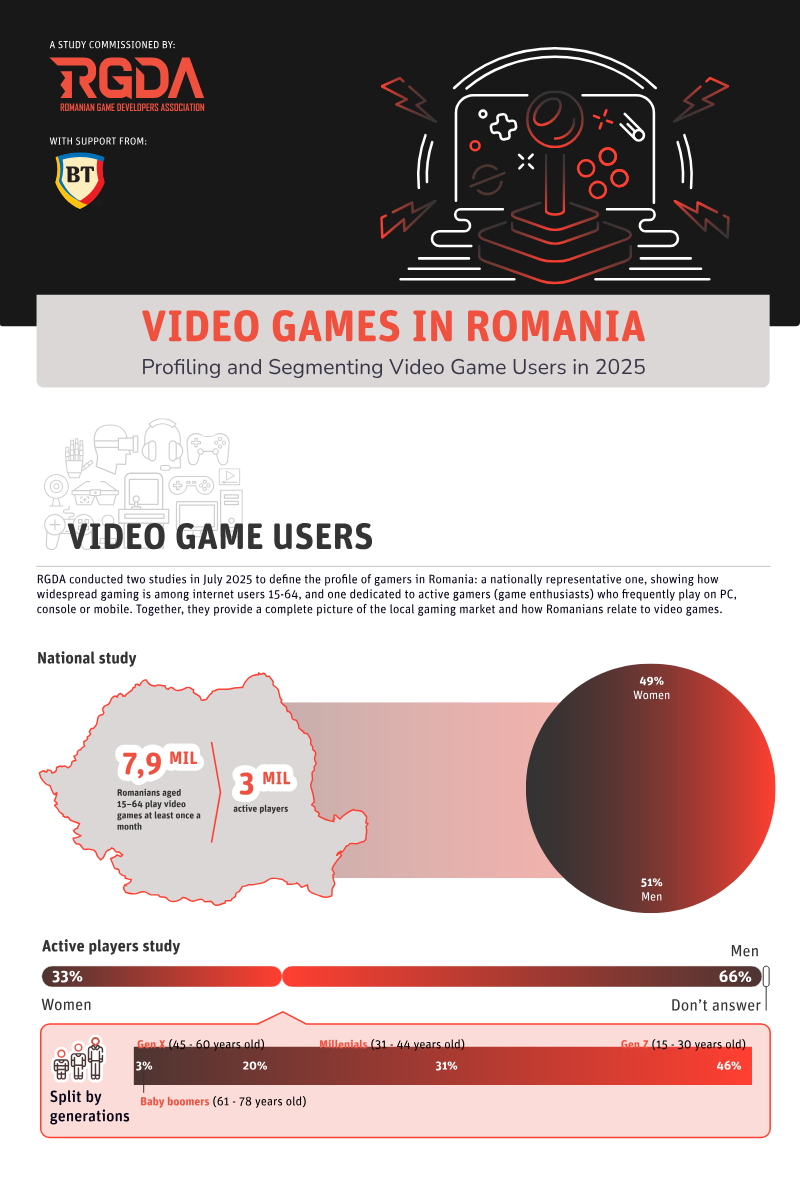
RGDA – Romanian Game Developers Association · 2025

The Game Business · 2025
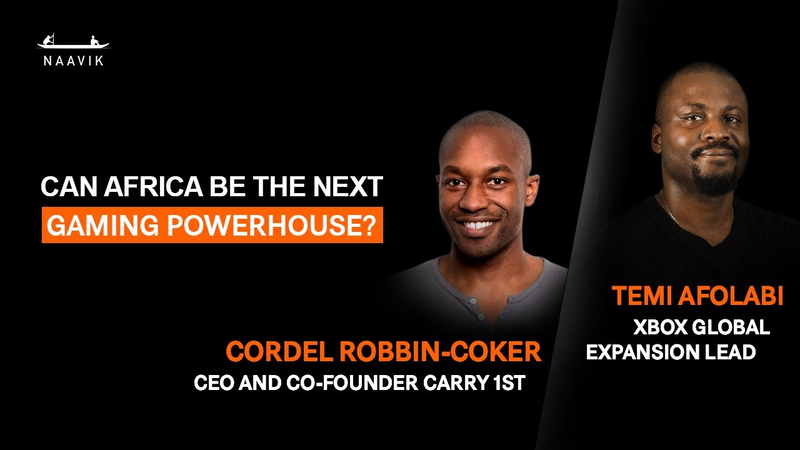
Naavik · 2025

Deconstructor of Fun · 2025
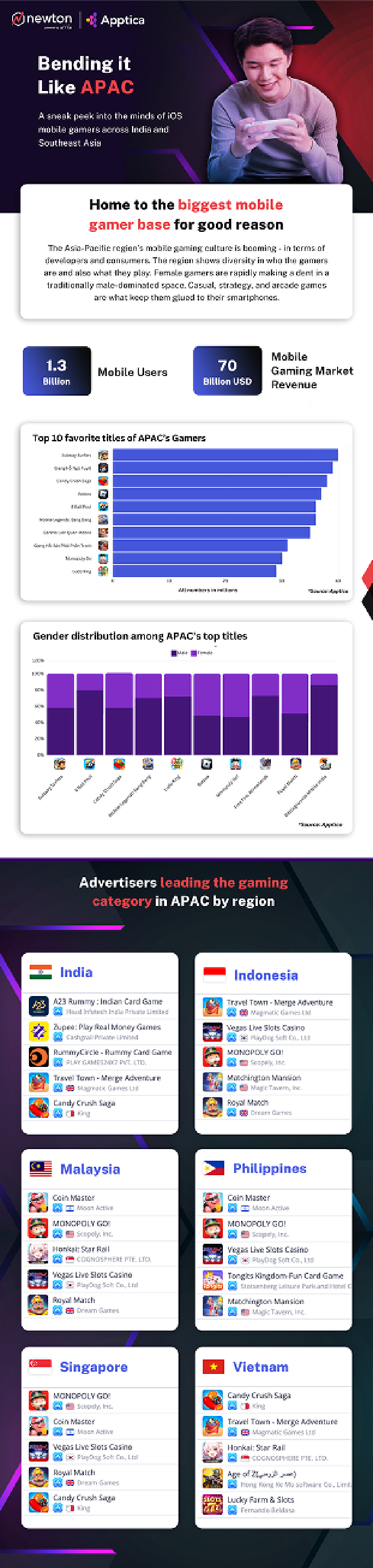
Apptica · 2024
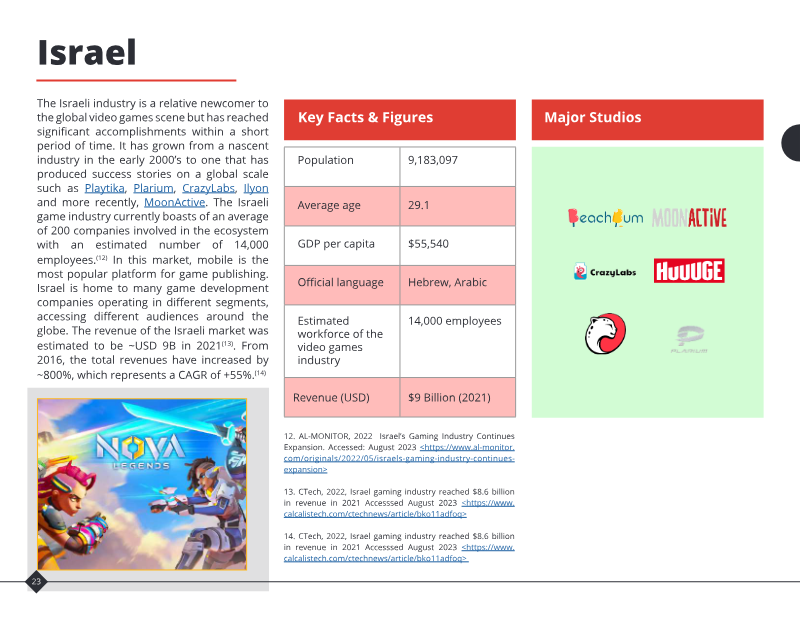
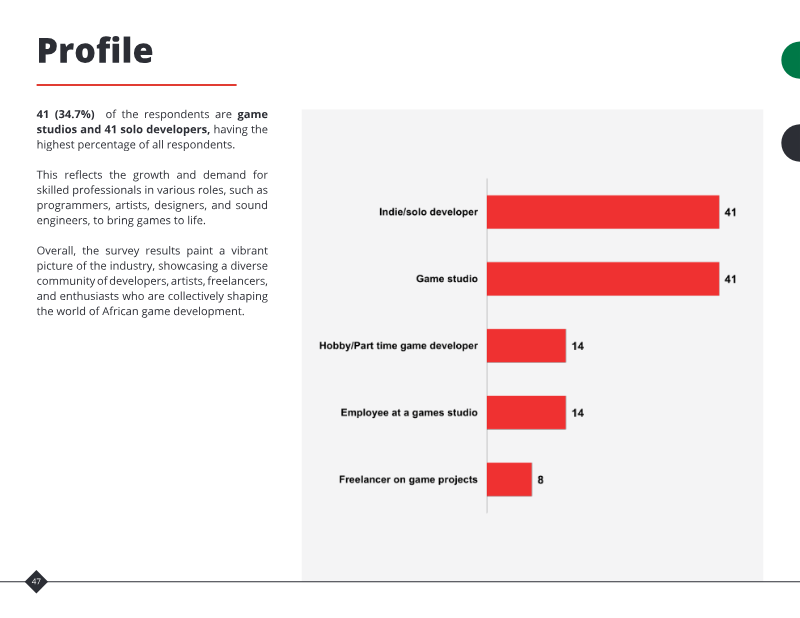
Games Industry Africa · 2024