1 free read left. Create a free account for unlimited reading + AI research.
Create free account
More or Less: Gaming Podcasts & Blogs
Key insights
6 takeaways- 01The professional gaming content ecosystem targets a specialized audience of 300,000 to 500,000 individuals, prioritizing high-value industry authority over mass-market consumer reach.
- 02Gaming industry media platforms like Naavik, GameMakers, and Elite Game Developers function as B2B marketing funnels rather than traditional media, using content to drive consulting, recruiting, and deal-sourcing revenue.
- 03Maintaining a consistent publishing schedule is the most critical factor for long-term audience retention, as the recurring nature of newsletters and podcasts mitigates the impact of individual content failures.
- 04Growth in this sector relies on organic social media engagement and lead magnets, though many creators struggle to scale due to the operational complexity of managing multiple media verticals simultaneously.
- 05To remain sustainable, many creators are adopting lean operational models that utilize AI and modern technology to balance deep expert-level insights with a consistent publishing cadence.
- 06Effective business models leverage small, private peer-to-peer communities to facilitate secure, high-level industry discussions that convert intellectual authority into tangible financial outcomes.
Ask AI about this video
Transcript
foreign [Music] gaming podcast where it is our mission to explore the business and future of video games we bring together the industry's brightest Builders investors and thinkers to keep a full sun current events dissect emerging Trends and games share Lessons Learned and have a great time this podcast is also part of novik's growing ecosystem which ranges from free and premium research to Consulting and advisory services for more information visit www.navic.com [Music] this episode is brought to you by pragma pragma is a back-end game engine founded by the engineering leaders who built the platforms for some of the largest live service games including League of Legends fortnite Destiny 2 and plants vs zombies 2. pragma power services like accounts matchmaking and player data for the world's most ambitious live service
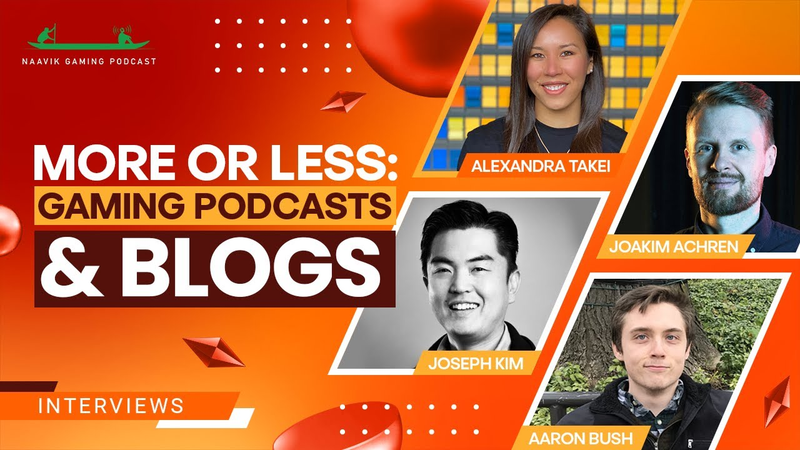
games the pragma back-end game engine is the only solution that is truly extensible so that game designers aren't blocked by clumsy black box designs with pragmat Studios no longer need to hire a large back-end team and get the ultimate peace of mind that their game will always be ready to scale to learn more simply head to pragma.gg or check out the link in the show notes and with that let's jump into the episode hello everybody and welcome to the novik gaming podcast I'm your host Alex Takei and this is the interview and inside segment today we're being a little meta breaking the fourth wall and talking about the role that those who build blogging game Consulting and podcasting streams with a professional game development Community play in our industry and the challenges can combinate with that aforementioned task specifically building a profitable Enterprise while we're at it in other words today we're talking about us navic gaming and others like us such as Elite game developers deconstructor of fun and game makers all Niche news and advisory
firms in some capacity or another either through podcasting deep Dives writing newsletter or Consulting assisting game developers across the vast spectrum of AAA Mobile Web 3 Indie investing to make decisions across production business design economies and more and so to do so I've gathered some of the best in the biz first our very own Aaron Bush co-founder of novik and another voice you've heard on air all the time Aaron say hello hello next representing deconstructor of fun and a prior life in game makers is Joseph Kim ex-podcast host on division instructor and current host at game makers which he somehow finds time to do um during his day job of being CEO at Leela games welcome JK thank you generally closing us out is founder of elite game developers and formerly the co-founder of next games which was acquired by Netflix in 2022 for 70 million welcome welcome hey thanks Alex all right so the super team has
assembled and now it's all time for you to start arguing about whose podcast is better um but I kid in all series we're here to discuss a pretty meta issue for us all and that's all though there are three billion gamers in the world by the latest survey data the count of gaming professionals across the globe pales in comparison and but what I and by what I've read probably sits around 330 to 500k in the west furthermore this is parsed into a few select pieces AAA developers mobile developers Indies web 3D gen's business folks so like PMS Biz Dev finance and investors and each one of our podcasting brands has dug their heels in to find a further Niche so game makers is described as a free resource for other mobile game developers with an emphasis on free to play Elite game developers Brands itself as an online resource to help gaming Founders deconstructor a fun holds the crown for probably the most popular News podcast I.E information distribution and discussion of Trends and then finally novice Niche is the business of gaming helping any gaming professional do business stuff
and so it's important to see here that none of us truly serve the three billion player consumer side unless those players happen to also be industry professionals and thus the conundrum is how do we build a profitable business off the backs of the same audience we're all competing for not to mention there's another unspoken competitor in the room which is anybody with a LinkedIn account or a sub stack so to start we're going to give some grounding on what our organizations do and how big they are so let's go around a circle um Aaron I would love to start with you could you describe you know who works at your organization what services you provide um Etc yeah and I guess the the first thing I would say is that none of us are really content companies right we're all content fueled businesses in some way that you know make money doing other stuff which I think is a pretty big difference compared to like the b2c world or even just you know people who are individual and sub stack or something like that so there's interesting you know differences in there to dig into but Revenue wise novik is vast majority a Consulting business um you know helping teams with game
design economy design market research due diligence Etc um and we use content as really a top of funnel way to build our audience our brand and of course give back to the community you know my roots from starting Master The Meta way back in the day just for fun have kind of always veered around you know just creating content learning about the businesses of games and then you know increasingly leaning on to other people who have much more expertise and a bunch of other things that I don't to kind of fill us out in a lot of ways plus it's just fun to build like an internal community of of contributors and so um we have really five employees essentially that are full-time but we have another 30-ish or so contributors that are wide ranging in Focus um some of them lean on novik for a good chunk of their income through Consulting and of course we have you know many others who have full-time jobs as game designers as Founders product managers you name it that contribute and other
you know ways often lighter ways such as joining the podcast or you know writing the newsletter once a month uh for example um and you know even though managing a system you know that has many many people um that brings about operational complexity and headaches sometimes but you know we find that it's worth it because it allows us to dig into more types of topics in a higher quality way more globally it allows us to reach more um people who aren't just you know like adding another you know see the number go up on the newsletter but you know like build a real relationship with us as a company and that leads to more upside um and other ways on on both sides so um so yeah I mean I guess that would probably be my answer to your question I'm not sure if there's other areas you want to dig into um there but I'll say like our goal has never been to reach the most people it's just always been to reach the best people
um and that's just kind of a reflection of who our business is and the types of people that we that we ultimately serve and that has like big trickle-down effects on how we think about content and how we you know push ourselves out in into the world but hopefully that's a good summary of novik and content there got it and so before we pass it to JK succinctly basically and this is obviously I'm cheating because I'm very familiar with nautic we have about 30 to 35 people split um basically one-third one-third one-third between podcasting writing and Consulting and then we've got a couple podcast pipelines we report on the news we will do some interview structuring and then we basically do weekly deep Dives and a bi-weekly newsletter um and we also provide consulting services so is that the way that I would describe novik in a nutshell that's what I should have said at the very beginning thank you Alex [Laughter] I'll go JK what about game makers yeah so game makers start off as a Blog really the objective initially was just
more as a learning and sharing platform where I would write about some learnings that I had in the hopes of getting feedback and hearing from people out in the audience somewhere who would be reading what I wrote about uh since then I think in in the current form it's more of a newsletter YouTube podcast but I would say that the current objective of what I'm doing and why I spend time developing content is that it turns out that uh similar to Aaron it's not like a primary business right I actually spend less than five hours a week in terms of content but for me it's been something that's been very helpful in in the sense that all of our best employees at the company so you know my full-time job is running a free to play game Studio working on an FPS shooter game but all of our best employees have joined because of content that they've um that they've you know watched or read about things like that so that I think
from a reach perspective and being able to find the kind of people that we're looking for it's been very powerful and also from an investment perspective like I didn't have to actually reach out to many investors because people were aware of of of me and some of our content and even during our you know seed round of funding um this was back and by the way just to be clear I don't I don't represent uh deconstructive fun anymore at all it's been a while since I've done that so I don't think I can speak too much on deconstructor but I I can't talk about a little bit about the past but back in those days I had mentioned on a podcast that we were going to be raising funding and then um that round as well as our series a round I would say that uh the the fact that I was doing content and investors became aware of our activities it really helped us close those funding rounds and so I I do think that um to the point about for the game development ecosystem being so small I you know I would find it hard to I think
it'd be very difficult to just create a standalone business or at least in the ways that that all of us are kind of doing content right now if you want to if you want to have a um a business that that makes a lot of money I don't think that's the approach but I do think that there are these um other effects in terms of reach and being able to um you know reach out to people in the industry that that might make a difference for your other business whatever that may be got it so your YouTube um podcast and um a written blog and how many people newsletter and how many people work at game makers are you a one-man a one-man show or basically a one-man thing although I'm trying to change that so I have um we have uh because it's recruiting really related I I do so are HR and Ela games um will prepare Market data for for me and then I'll kind of go in and and um and you know comment and and look at one
game a week so yeah I I I don't do much now but now that recruiting is becoming even more important for us I do plan on increasing my time from like call it five hours a week to 10 hours a week got it interesting and a shout out to your co-founder JK he's great with his videos like Paul oh yeah like when Paul makes videos he's he does like so I would say Mike I'm I'm more a quantity he's more equality yeah it's amazing stuff can't wait for a new video it's been a few years already I'll tell people's minds if he actually pulls this off but uh yeah we won't see that for another couple months but if he does what he's planning I I think it's gonna be very entertaining such a tease all right yeah okay this is a perfect time to to kick it to you
yeah like so I started in 2019 that was four years ago about right right now it's coming up um so it's um it's a newsletter and a podcast and I I do uh like a lot of online templates that you can download like uh like an NDA template for instance for your company or um like a cap table breakdown like different kind of documents that that are useful as tools when you're doing a gaming startup so I put together that that kind of um it's like a knowledge base or resource uh for for Founders and that's that's the focus um I did have a lot of aspirations early on to actually monetize through premium content like I like I remember it was like under a year since I'd been live I I put out the course like an online course paid online course on teachable which was um 5.99 uh where you get five hours of
lecture videos from me on how to pitch to investors like games company and uh and you get three three pitching training calls with me over Zoom um which you can book to calendly so I think that went quite well I've sold probably like 50 of those courses over the the years and several Founders that actually ended up going VC backed after they went through the course so the success rate probably monetizing side of things it's not like something I could make a living on but it's it's been very impactful for a lot of Founders and companies so I think with these kind of businesses it's sort of like you you can't really it's not about like okay you know you're you're gonna you have a limited amount of Runway and you need to achieve something or you go bust but with when you're doing like a newsletter
or a podcast it's more about like oh there's always going to be another newsletter next week another podcast next week and it grows and grows and people find you and there's less churn than there's uh new user acquisition let's say like organically coming up that's what I've seen so it these are these are kind of businesses that aren't worth a lot in a few years but like 10 10 years into this this might like I might have like a really interesting business in my hands but I don't treat it as a like a salary business um we're probably gonna go into that later but like I I do like a lot of Angel Investing and uh I have an angel Syndicate as well which I operate and all of those kind of funnel back towards like complementing each other as businesses that's really interesting um I don't know if you know of like Brad Feld from Foundry group um who runs Venture deals um and they do a similar course where you can just download it helps you it's it's not as it's not bespoke to gaming right it's for the basically the Silicon
Valley entrepreneur but it is like a very interesting monetization strategy to sell that content talk about pitching talk about how to you know organize your cap tables Etc so um it's really cool to see like how many different value propositions each three of us have and it's like you know we talk about this is like oh very Niche like game business people but novik is like mostly a Consulting business for game economies JK is using his as like a free to play recruiting tool you're using it also like as a deal sourcing engine and mostly founder focus and so I think it's really interesting a lot of us have mentioned a little bit um about what kind of drives Revenue in those capacities and so I'd love to go a little bit deeper into that right sort of like what are our business models given those specific niches um and so Aaron Maybe will bump back to back to you I would love to talk about what are what sort of drives revenue and what sort of drives Roi because as we have kind of succinctly said you can't really do this thing like on its own there used to there needs to be some
sort of other um activity that you're almost like pairing alongside of it um so it's a it's a good question um the the way I think about our business model and Roi is that um obviously we have a Consulting business where you know we need clients get hourly rates sometimes longer term projects and you know builds up a great roster over time um content has always been core to what we do so you know we we've had you know novik Pro which is like a premium like a research business that you know did pretty well from the standpoint of like you know if you were a sub stack writer like you you would wish that you had our our numbers for you know like a premium tier but as a business you know like it's it's a bit different and so we're making some some changes there um to to kind of put less emphasis on premium and more emphasis on just like truly scaling out awesome free content so there's much more to come about that you know and and the weeks ahead that
we're excited about but really the way that I have kind of think about this and what I've learned is that a lot of a lot of this is from the last business I was at the Motley Fool which published a lot of content about investing but monetized through like premium Services of like you join a fund or you subscribe to some investment advice service or something like that at different tiers and what I learned from that that I have have taken to navic is I think a lot of people think about like the user acquisition funnel or just like an audience funnel backwards um where in a B2B sense typically what's not the best thing to do is just focus on building an awesome large audience and then selling them something is actually more the reverse where you start with or the product that you have and then build from that to kind of determine what your content is and what um what your focus is on like what you put out onto the free side and the
reason for that is because um when you kind of start from the the bottom of the funnel so to speak and you build your foundation there really well what changes is that the LTV of your audience just becomes a lot higher because you know one single conversion um changes you know the economics pretty heavily on what makes sense to do and so for us at novik we're trying to think most about like what are the products and services that we can offer to truly generate the most value to as many people we can across the industry and then once we have that set then it's thinking about all right how do we reinvest into to like really building our brand in our audience and like helping the the industry more broadly through all of the content and other things that that we that we do um and so that's you know at a high level view how we think about Roi but when it comes specifically to content
just a couple of quick um things I'll say is that not all content is created equally some content definitely has much higher Roi um than others or it's a different different people and so you know what we've learned is for example we have we publish a game deconstruction on axi Infinity a couple years ago that was one really awesome long-form piece of content that probably had 100x the impact of anything else we did that quarter um and so there's something really powerful and recognizing things like that the other part too is and I alluded to this before is that for us at least it's not about building the largest audience it's about building the best audience it's for us because one relationship one new right relationship can be pretty transformative and move the needle for us as a business also Revenue wise and then allow for even more reinvestment and so much of what we do is focused on like truly serving the people that we
want to be in business with over a long period of time and that informs so much of the the decision making that goes on and there's still so many ways that we can improve and things to learn and new ways to grow um and such but that's the the mindset that we have right now um um and so JK is that and for welcome is that sort of the same for you sort of like serving the right customer versus a broader base appeal wondering whether or not you guys can also talk about that as a strategy um for each of your individual brands yeah well I mean I can start for me it's it's more about recruiting and learning so I I do think like if there was a focus more on revenue or reach or things of that nature the the way that I would be oriented and the topics that I would cover would be completely different right because if you if I were more focused on reach or trying to reach more people I the content would be more consistent and you
would be trying to follow topics like to Aaron's point about axi Infinity there are certain topics that if you if you're fast and if you're current you're going to get a lot more users and so the way that I've I've oriented my content is more around what's going to help my business so for example as I was going through the fundraising process I released a lot of podcasts on fundraising um I if if I am interested in a specific topic like the impact of idfa deprecation things like that then I do a podcast on that and so to some degree I'm kind of Niche and my content is Niche because I'm only covering the topics that that will help me or that I'm interested in so this is the JK problem podcast basically it could be yeah but I would say that um you know the the way I I do think though that one of the things I do think is more important is more reach so while I probably will still try to focus 50 to 80 percent of of the content that that I
work on on things that are relevant current to me I do think there should be more content that can be like an axi Infinity type of um you know uh type of episode to to draw in more uh to be more effective on the reach side and so I also think that I'm gonna try and um put a little bit more time in and also just get a little bit more help uh so so I'm exploring things like that right right now but um you know I haven't haven't started yet in a way like Elite game developers was always about the founders uh that was the the idea to actually like the mission and everything to help Founders not sort of like learn everything the hard way uh so I went through a lot of uh interesting times in startups and I definitely want to share those kind of learnings so it's in a way um the customer is very clear for me like who it is it's the found gaming founder a person who wants to do a startup uh
it's a long tale of people out there so this Monday I posted a uh uh it's like a question on on LinkedIn about like who wants to who wants to go on and record a pitching session with me that goes public on YouTube where I give feedback and I got like hundreds of requests there's like people so many people out there with pitch decks trying to reach investors of course it's like very limited amount of people who who get in into the racing from a BC but I I think like I want everybody to have the chance to you know get better at it get better at like what they're trying to build uh learn what's going on inside the Investor's mind because it's not a lot of people are sharing um which is part of the the thing that like all of us showed up on the scene in in the last five years so deconstructor was a Blog before that but the podcast
really blew it up and in I think people's knowledge I don't think that was really like a serious sort of like a business um sharing and uh like posting of these these kind of things that we're doing all of us nowadays yeah yeah um I think like that is yours is particularly interesting because it's also as the founder of elite game developers you're uniquely equipped to help people with that because of like what you have done in the past and so I guess a question for you is when you think about growth you've got 100 applications to do a pitch session um and maybe uh you are currently right now maybe like a smaller like one-man show shop how do you plan to sort of scale that and grow that over time as that becomes probably pretty unsustainable to basically be a really strong guided mentor to all those Founders if that's that if the demand there is so high so I've I've come to the conclusion I can keep it as a one-man show as long as
I don't start expanding into like what I'm doing like if I do a newsletter on a weekly basis if there's a podcast like and I don't do more than that like I share sometimes new templates and and like things like that but it can be something that I don't really need another person if I reach now I have almost 10 000 subscribers on the newsletter it goes to twenty Thirty forty thousand like I don't need another person to to handle the like the load so it's it's great what what you know all these modern Technologies can give you and now we're having AI come and assist us as well so it's looking really bright for the one-man show I'd say got it and in terms of the growth for the for the newsletter right where do you feel like that has really been driven from um have as that was that something that was done purposefully intentionally blasted and work it in specific areas um talk about your journey from like zero to ten thousand newsletter
subscribers yeah sure I think like everything started and still is like a lot of social media pull in like I do a lot of posting every day on social media so that helps people to discover me uh so I would say like virality is really cool like I hear a lot of people tell me that oh yeah I'm I'm sending your newsletter to a lot of people immediately so that's just happening organically and I don't need to do anything else besides not hold back on what kind of content that I post uh I I think the third sort of angle there is like just keeping making interesting content um and I will sort of take care of it of itself so I don't do any any marketing I have done like these things called lead magnets which are the templates I don't know if you guys know the term lead magnet which which helps you to grow an email list so that was that was the
intention with the the the templates in the early stages but now I've actually started creating more and more just direct links to a Google spreadsheet on my website that here you go so it's I I think it's there's a certain point where it just starts growing on its own and then Aaron and JK have you experienced any of this type of growth where it's mostly organic or has there been a different story for the growth to whatever number of newsletter subscribers that novik or game makers has I mean it's been purely organic in in different ways and there's still a ton of things that we're really bad at like not making social media are is a really bad compo right now there's so much more we could do and learn from you know walking about what what how to improve um and you know other areas like SEO we know we can do better and you know we're taking steps towards all of these things um but really you know all of our growth really has just come from like great content standing out and people sharing
it um and different content resonates with different people um even having different contributors has helped us because you know we have different people sharing different things and different different places um and and that's nice and so there's you know always been like a a slow and steady trickle of you know new subscribers at least you know for for newsletter um podcast over time with you know occasional bursts here and there depending on something that gets shared more um for whatever whatever reason and of course you know you see some growth too whenever you make certain changes like we haven't had success with the the lead magnets so to speak despite our attempts although we did we did wrong there but um we definitely have had you know once we have like changed the Cadence of the newsletter or launched a new type of like podcast segment or something like that we've seen more more growth come
from different places as well yeah and I guess that also like brings up the question of like growth in a specific vertical vertical so like growing listenership on the podcast or a horizontal lateral expansion across media formats and services that you provide and so I think novik is actually maybe a little bit different than the other than game makers or Elite game developers where there's actually like a vast Suite of services that are able to be provided versus game makers a little bit more podcasts and newsletter and then your team is more of like the founder of the founder journey and anything that they need in help and assistance with that um so how do we think about like kind of like running deep in terms of like one specific vertical and growing that way or growing horizontally I'm pretty focused on Niche topics I think out of all of us I'm probably the most Niche but yeah it's it's tough I I think the the broader you go the I think the the greater the top of funnel um and I I do think that um just going back to the previous question I I do think social media does
have a big impact I I know like I'm probably the absolute one of the worst in the world at Twitter so I mainly just read on Twitter and anytime I post something it's like it's like to be honest like it took a year it took it took years for me to it's still crawling on Twitter but LinkedIn worked I don't know what what I'm doing like that works on LinkedIn but Twitter it's still yeah LinkedIn I think I do okay but on Twitter I like some of the people I know in in like for some of the other newsletters that I follow it does seem like Twitter is a huge a component in terms of driving virality and and growth on their newsletters so I I but I I just don't think there's there's a good I think you need a certain level of scale or try attraction or reason for people to read your Twitter stuff which I don't have right now so I'm probably going to wait and then when the time is right maybe try to grow Twitter later but uh um anyway going back to to to the
question uh I'm pretty Niche and hopefully we'll broaden broaden up a little bit in the near-term future got it I think going going deep um is underrated versus broad um in the sense that like you can really capture a specific audience if you're consistent and high quality about something specific like what Joachim does you know with Founders is very specific and goes very deep over time into lots of different topics and it seems to be doing um very well but I don't think there's like one recipe for success but like the most important thing at the end of the day is just like the quality of your content and you know whether it's good enough to resonate with a lot of people and get shared and get you know start conversation and things like that so that's always always the battle at like every step of the way like getting a loaned on like what the content should be you know making sure the analysis is right you know you know doing our best to play whack-a-mole with
typos and all that kind of stuff um and you know for us as a team you know maybe we we see more of the complexity there that just arises when you have different people and different functions doing different things that is a lot easier to manage as a one-man show and I'm also bullish on on you know people being able to step up and kind of scale themselves in more ways over time too um but yeah going deep is underrated but really at the end of the day what matters most is just like the quality of your content in my opinion yeah and I guess that brings us to the question of of quality of content is a derivative of the quality of Labor in a way um and so right now like JK and yellow Kim you guys are a little bit more of like one-man shows but I'd love to hear your perspectives on recruiting and growing new um talent to join join your team and I think you'd mentioned something about if you don't think of this as being a salary oriented business but um you know I was actually writing a paper
um in my leadership and entertainment class um at Stanford and uh you know we've there's been all these Trends in terms of like Waypoint um being canceled advice um there's G4 TV which is another brand that was supposed to be making games TV content that totally got canceled and kind of the the theme is that you know nobody there's too many like chefs in the kitchen right there's everybody on LinkedIn everybody with a sub stack right so how do you and basically everybody has this tremendous amount of publishing power so how do you recruit somebody to come join like game makers or Elite game developers or not when they could also just like kind of self-publish themselves and kind of build and start to build their own brand um how do you guys think about recruiting top voices and maybe UI came since you had mentioned um the salary business thing maybe I'll bump it to you yeah like I had recently a guest author on my on my newsletter which was like something probably like a year ago I would have sort of felt like oh it's my newsletter I'm not sure if I want to bring anybody
on board but I have uh had Kim Nordstrom comment and write about like his work and as an advisor for gaming companies uh he used to be a king and then at Paradox and like he's he's actually writing a book right now about leadership in gaming and uh he he was really good and like his the the open rate for the emails that went out with his his uh piece were amazing and I heard that he got a lot of new people reaching out to him uh because of this so I I think like maybe thinking about like recruiting people is more like hey do you want to utilize my platform to bring out something that it's important for the industry like Kim had like a really good topic that he covered so I'm I'm happy to do that use my sort of like the
platform as a megaphone for people who really resonate with the mission that I have got it and what about you JK anything yeah similar to that so there isn't like a whole lot of Revenue associated with with the with the content I I think all of us right we we we do it for another objective but I you know having done it for a long time in terms of like starting with a Blog and keeping that old audience all the way through uh I I think one thing that um game makers offers is just access to some really high level people in the industry um so and maybe one thing I can push back on you Aaron is that I also do think that while quality is important it does seem that quantity and consistency can sometimes be more important than quality and so you know kind of what I've noticed is even if if I'm just a little bit more regular that numbers tend to go up more than if I just kind
of you know kind of scattered in terms of approaching things like that and and one change and one of the reasons why I want to devote more time to game makers content and to actually try to grow it more is that I you know I increasingly feel this is something that I now call the rrr principle is that basically you want reach first you get the reach then you get the revenue and that equals relevance um it's it's it's supposed to uh you know um there's a little bit of tie back to Scarface if you guys uh notice that reference but anyway um so yeah so I actually think that you know reach is really important um that's one thing where I I actually am probably going to be thinking about you how do I broaden the audience because the more reach I have the more the better the recruiting gets and I I think the the more people I reach the the the better I'm able to to learn from more people more people get access to the content that that I deliver and then
you know oftentimes as you guys likely know when when you publish a piece on something um a lot of feedback that you get through DMs and feedback it can really help sharpen your thinking so um that's one change for me is that I do I think I've underinvested even though like having this content platform has been so impactful to the business in terms of recruiting and being able to raise our rounds of financing and things like that so that's one change for me is I I do plan on investing a lot more and going for reach and more more quantity as well as hopefully quality and where where do you think you are going to get these people from so this is going back to the main premise of like the fact that there are not that many gaming professionals as compared to the consumer side where do you plan to sort of find and reach to the people that you haven't reached to yet yeah and I mean I've talked about this before on the deconstructive fund podcast like one
of the reasons why I kind of retired was like I felt that um if I'm gonna go back and do more content then either want to go deeper or go more Broad and I I mentioned this before but you know my brother-in-law has uh has a golf YouTube channel and I remember we both started around the same time in terms of YouTube and I remember telling him you know how many old people that play golf are going to be on YouTube are you sure there's like a ton of game people but I don't know how many golf people there are and you know today he has 370 000 subscribers he's got he's got so many videos that have reached over 1 million views and I so I think to to like where we are it is a niche audience right the game development ecosystem is much smaller but I also think that there's things that we are not quite doing right because there are like game news YouTube
channels and other other folks that have gotten substantially greater reach than we have um but also think it is platform dependent as well so like when when I first started the podcast on deconstructive fun it was the right time and so we were able to mass audience very very easily and organically and it just blew up and and by the way like the thing that really blew up the deconstructive fund podcast was when we not only did the the weekly twig News segment but then I then added in a weekly like um interview and so then that consistency and having more regular content really drove the numbers higher and then after that then we got even more famous people on and then like you know you get Tim Sweeney or something like that and that drives things higher as well so I anyway I I I think that that's kind of the the direction where I hope to get to but you know um I know this is the other thing too is like I've got I've got a full-time job that is a priority so sometimes I might
disappear for a bit just because like you know things are always on fire sure um and so you have been saying that there are things that we are doing wrong and actually like I one of my one of my questions was kind of like what tell us about how deconstructor monetize which I suspect I know how and tell us about how game makers does that and whether or not anything that was happening at deconstructor informed what you're gonna what you're doing now at game makers and you mentioned that I want to go more deep or I want to go more Broad and so right now you're going more deep um and because of the scale of deconstructor they're able to monetize through an ad space business which is distinctly different than none of us have mentioned ads once which is I think actually just really fascinating but could you talk a little bit more about the things that you think we're all doing wrong because I think like that's that's just like where we could really really learn can I drop drop one thing here so I think like uh cross promotion we could do a lot better like between all of us uh I I like I usually read everybody's newsletters but I don't really see a lot
of links to to each other's like newsletters that that's like something we could do I I think the audience overlap is amazing so just and it's not like if somebody's reading uh you know they can structure fund they're not going to read novik or the other way around I think it's like those kind of like you know if you're thinking about crawling that's the the most obvious thing we should be doing interesting yeah collusion I like it can we can do what uh mobile games do which is just everybody will Market their own games and their own portfolio to the same users um so that's perfect um JK sorry I didn't mean to interrupt yeah so I think in terms of things that we're doing wrong I I think it it depends on the the medium so I think one thing yo Kim is doing right is essentially the things that he has in terms of templates and things like that and I know Aaron you mentioned that you tried to leave magnets but it didn't work out so well I
do think there's a path there where whether it's through free tools that you have to sign up for to subscribe to the newsletter and Twitter which you know again I suck at and I'm not going to do for a long time but I I do think those can help Drive newsletter um I I like a few weeks ago I checked out all of our YouTube numbers well not maybe not you you can but like um whether it's it's you guys or me or deconstructor that the YouTube numbers are like bad right so so I I think like um the biggest platform is obviously podcast right so so like on podcasts you can drive uh big audience especially if you have regular content and I would say I think by regular you should be put posting at least two episodes a week I don't do that but if you really want to drive podcast I think that's what it takes and then on YouTube I I think that they're either the content the format or something is just not working um I mean in some cases like I think my best video was uh Tim Sweeney interview
and that's got like 44 45k views but like I you know I there's unless you got someone Super Famous I don't think I mean you know and and some of my YouTube stuff does a few thousand but the the ones that that don't will just do a few hundred and that's that's you know uh there's something that could be done better on on YouTube as an example um so so yeah so I would say newsletter I think you got to figure out viral Loops um and Lead magnets or free tools that that you have to subscribe to to get access to um YouTube I think it's it's a format thing as well as just trying to figure out that platform better and podcasts I think you you need to have regular content twice at least twice a week and you need somebody interesting like somebody like you know one of the great things about um deconstructor of fun podcast is we were able to get Eric and Eric crass is just extremely entertaining smart you know and he's
just he's a natural he's a natural guy and I think that also helped a lot when when we were growing as well yeah yeah I actually just uh Chris came down for the Stanford conference panel thing that I had the other day so we caught up which is always very fun and he's sitting in the back of the classroom just like taking shots at people which is just oh yeah the thing that I I don't think so and by the way to your point um Alex there are a lot of new people kind of jumping on trying to do podcasts and things like that but like I gotta say a lot of them don't understand the entertainment side like if you're gonna do a podcast people don't just want to sit there and you know hear you drone on about this uh whatever right but you need a little bit of entertainment you need a little bit of fire and Pizzazz and that's the one thing that I think Eric Crest really brought to the doff podcast is uh dudes entertaining and he's got Insight that's that's the magic formula you need both isn't the entertainment even more like
highlighted on YouTube like that that kind of angle yeah what do you think definitely yeah yeah the other thing I would say too is like at least for for us JK like or at least for I'll speak for myself like we're not making YouTube specific videos right we're we're like having conversations that we're putting all over the place if we were to make content specifically for YouTube it would probably look really different um maybe we should or maybe that's down the road or something something like that um but I think it's just a completely different type of content and skill set that goes into to making like each of these you know verticals really really Pop um in their own way and for novik I mean the thing that we're gonna lean more into is just like we've we've seen now what type of content works the very best for us and drives the most traffic and sign ups and things like that uh like I mentioned like the XC Infinity deconstruction we had another one before on like gentian impact or you know like
uh Piers kicks who's at Delphi and has done a lot of you know work with with big craft too um you know he wrote a piece called like into the void where crypto meets the metaverse that you know these are like really in-depth long-form con like content that are saying something fresh or hitting the Zeitgeist and um you know like just drive a lot of interest in some way uh but they're also really hard to do and the reason we haven't done much of that is because like one it's hard to do not many people can pull it off um and um also it's just like finding the right business model to support that kind of thing consistently um is hard um like you can't rely just on volunteers to make something like that happen um most people themselves can't do that repeatedly um and even you know for us with not like in a Consulting business sort of kind of been reinvesting in the content in different ways it's hard to just you know reinvest into that and then there are trade-offs with what do you drop for
other things and so you know we're thinking about like how do we scale that up and kind of Infuse some of these new business models like we invest a lot of our own capital from novik to you know make all of the content we do possible across all the contributors editors things like that but you know how can we start infusing like we Alex you said we hadn't mentioned ads which is interesting you know we're going to start thinking about like who are really like the best partners for us um that can that are aligned with what we're doing who can even contribute um in in some way partner with us on stuff to create more of this content that we know Pops that you know I suspect will then kind of drive more audience building growth and things like that but of course we'll see as we as we go but the more the hard thing about going broad is that like for each specific thing you focus on whether it's a newsletter or a deep dive or a podcast or YouTube each of those specific things takes very different as I mentioned like skill sets and like types of efforts to really make each one
pop and so when you go broad you can cover a lot of space but it's harder to like really make any one specific thing um pop and so you know we're gonna go back to Our Roots where we know that we can make things Excel and try to use that to kind of Drive the the feedback loop the engine of of everything else so to speak so we'll try we'll see what happens we'll we'll all learn along the way yeah oh by the way just a real quick point on yokim's point about you know collaboration I I do think that that's also pretty powerful like um it was like a week or two back I saw a big spike in my subscribers and I was like oh that's weird I wonder what that was from and then I got some DMS mentioning to me that I was in Benedict Evans like he had linked one of my articles and I I went and I tried to find it I was like where is this and it was like a tiny little Link in his in his newsletter but he's got so many subscribers that like you know but that makes a huge difference so I I do think
whether it's collab or having somebody else that has a has a big platform like a Benedict Evans if they link to you it does have a big impact sure sure and then in terms of so we talked about the cross collaboration but what about actually like the communities themselves so like I think one of the most interesting things about doff is is the slack Channel obviously which we hear about like Ad nauseam um but I'm in the slack Channel and I love it and I talk in there and I learn a lot of things from that um and so I'm wondering how we think about the role of the community part and the almost like the free crowdsourcing information versus the premium content and pick getting everything behind it you know uh you know I don't know if you have started a slack channel of all the founders that subscribe to Elite game developers but one might suppose that if they all start talking to each other they may no longer need you anymore um you know I'm not that's that's not obviously exactly accurate but I think that's what I think of I've thought a lot about that as well is sort of like what's the role of the community slack Channel and what's the role of the premium content um does that make any sense yeah I don't know if I'm confusing but
I I think it like the I've been thinking about that for for years like when do I have a slack or a Discord for Founders I think one of the the key reasons I've been holding on back on it this like that would actually require me to get somebody else on board I think like doing it well like running live Ops for a community is is like it's it's a big job it's not like you can just you know use Chachi pity to come up with new cool things for people to do every day um so like I I think that's that's one of the reasons I I don't really want to create like a ghost town slack or a Discord if I I thought if I don't do it really carefully so that's the main reason I haven't done it yet that's wise because navic created a ghost town and it's always with our with our Discord um with novik I mean we we sort of have two tiers of community we have our contributors and basically like 90 95 of
our contributors have come from our audience um because they like what we do they want to be a part of it like we have our own slack where there's lots of conversation and things across you know lots of different channels and of course they're they're like the the benefits of of like you know getting feedback on what you do um you know the connections navic has and how it's led to you know different people's jobs and Investments and and rounds and and things like that that add value um but yeah creating a community for everyone uh I've learned is a lot harder than it looks and you like really have to put time and effort aside to make sure that it it blossoms and that it holds over time uh they're they're definitely hard to maintain and so um you know the mistake we made was just doing too many things at once and that was like one of the things that just sort of um dropped and we of course hope to get back to it at some point because we
think it's important but kind of in the order of operations of all the things that we're doing um Community hasn't quite made that list of like like being the next big thing that we like really want to put all of our efforts around um just because we've learned that it's harder harder that it looks but I would love to um you know not have a ghost town but also too just like a bigger picture we have um you know we're talking about like there is more room for cross-collaboration the way I view it is just that like I don't I think there's room for more people to share their voices and share their learnings and all of that kind of stuff more broadly but I don't want that to turn into more silos um and I think that um you know with the rise of sub stack and things like that it sort of has gone on that trajectory which is great and empowering to individuals um but I do think that there's more that people can do to like team up in ways Beyond just like sharing links like what would it look like if we were all to
like build a community together for example or like what would it look like if we were to you know not just do all of our own content individually but like work on more stuff together um or fold certain certain platforms into one and you know you know that like the the more you think about the more complicated it gets reality is complicated but I think like expanding that conversation to be more about lowering silos um I think is probably where the most powerful you know next steps and all this might lie yeah and I don't want me to jump in here but one of my recommendations in that paper that I ended up writing because I had to make a recommendation uh as part of like the requirements for this essay um is that I always should consolidate the podcast again blogging groups so basically combine premium brands that have strong writing teams with those that have the best podcasts and those that have the best consulting services and this could create some sort of Consolidated um audio audience expansion that might actually enable to scale business right so I think that is actually something that I was going to
ask you guys about and like a final question is sort of what do you guys think about that right if you're if JK you're free to play Mogul on mobile and you know Hakeem you basically serve Founders and Aaron were doing financial markets and stuff like that updates right like one could consider that that's all a basically a buffet menu of support right and you know and then you have the new stuff with deconstructor right like what would the world look like if all like of these big Brands were to combine together um and if that's true sort of like do you think that that something that's realistic to hit a Enterprise and and business scale in which case it could be profitable or not or does that just put on too much bloat and then the cross structure is too heavy and the users are still the same it's an interesting thought I I do think from uh content and consistency perspective like you could release content every day in that scenario but um I don't know yeah interesting to think about so I thought about this a lot actually and um I it's it's easier said than done is the way
that that I'll I'll put it because um you know the the main reason why is you know sort of what we've talked about here is that like the actual businesses that we have are so different and the content serves those businesses in different ways and so it's not even just about combining content it's about thinking about like the implications of like if you combine content what does that mean for the like the the businesses behind them um and I think that um there still is some Merit and thinking about that like sure what if you had Consulting and investing and game making in some ways like under under the same roof I think you could unlock some interesting like really interesting um things and that'd be pretty powerful but when you do that you're you know you're dealing with like you know individuals or organizations in different stages with different cap tables with different goals um that want different things and it
just like the more you dig into it the harder the harder it gets um but I I'm all for it in theory and so I think this is something that we should all talk about you know more you know offline or if you're listening come reach out you know it would be fun conversations to have whether it's you know little collaborations or something something bigger um but yeah interesting I think at the minimum whether it's in YouTube land or in music there's there's always collaborations between different different groups and I I think that the net effect is that it improves both parties but one one thing I also think um instead of going broad is also going the opposite way so you had mentioned slack community so I I do have a private game maker slack Channel which is capped at 55 members and it's very active it's very very active and uh on top of that the other thing that I I would recommend for a lot of people to do and one of the
most valuable uses of my time is actually having like a well a monthly um what you know tribe basically a group of six seven gaming CEOs that that meet and talk about various topics every month and that has been one of the most useful you know uses of my time and it's just been very very helpful and so whether it's the slack Channel where you can because it's private there's an advantage in the sense that you could be more open you can talk about things that you wouldn't want in a Channel with a bunch of people and a bunch of lurkers and who knows who's gonna like screen cap and share and do things like that and you know in a private setting with with a tribe that you're talking about you can talk about very sensitive topics that that you know that is going to just be within within your group so uh I would I would highly recommend other people um whether you're an executive or you know even if you're if you're a product manager like getting a group of five or
six other product managers to have a a monthly call so that you can all get better is is some you know it's not content related but I I think speaking in terms of more Niche and having private groups I think there's a big Advantage yeah that is a very very awesome idea actually um even for because I think when you think about going to big company right you might work on a PM team but if you're at a startup right you're might be a discipline of a one of right you might be the only producer you might be the only artist or you might be the only pm and I think like cross sharing and collaboration if like your brand gives that Avenue and access to do so and that tribe format is actually really quite powerful um and it's also kind of it's also kind of like what the Venture portfolio Co pitch is too um so you're kind of like eating into like maybe that value proposition of like what a um you know what a makers or big craft or Forerunner or whatever might provide if you're coalescing with that port code because I think that's also the pitch of like um of joining that Community as well um yeah yeah I think that's that's part
of the reason why things turn into ghost towns you bit with like too many people into one place and they don't discourse anymore but it needs to be like these small groups like five to six like JK said fascinating yeah um and then you all came I know that you had something to say earlier but I accidentally um we may have cut you off by going to JK first but just wanted to give you the air time in case there was something there yeah I I think like like I earlier said like about this this idea of just being consistent like with a lot of stuff that all of us are doing like if you have a bad episode or or newsletter that just doesn't didn't work there's another one next week you know there's always yeah next one so I think that that's something I've learned to to deal with like that if if some something like I post on social media and there's one person who had reacted to it in for 24 hours I've got a good example of that
later yeah go ahead so uh so I I think Elon Musk sent an an email about being hardcore or something like that so as a joke in my newsletter I I took his email and and I just changed it around and I lost like my 25 subscribers because they were all pissed off but they didn't realize it was a joke yeah yeah so that would be an example of like a bad newsletter where I piss people off sure sure and then I was like oh a lot of people don't lock Elon I get it yeah it's polarizing right I think that's actually the question is like do you do you go for the polarizing ends if we're talking about going deeper going far um is in terms of that but fortunately we're not really like um yeah Chris hasn't been canceled yet so I guess he's still going yeah all right guys I think that this is actually a perfect note to end on so our
note our note is that there's always another newsletter so if one's bad there's always another one coming and don't put Elon memes or quotes in your newsletters because it's um ostracized and you'll lose subscribers so that's the trick no Elon and more newsletters and consistency and so I think for you guys I I think everybody here is so easily accessible via their own blogging services but um once more you know Aaron from novik and JK from game makers and yoakim from Elite game developers everybody in the audience if you want to access any of these guys just go and follow their channels um look them up on Google should be very should be very easy actually since you know we're front facing Community Brands um and so on that note uh we'll be concluding a big thank you JK Aaron and Joachim for coming on thank you to our listeners and I'll be back in two weeks um and so until next time friends feel free to hit me up at Alexandra dot Co if you have any questions comments or concerns would love to hear your
feedback and with that arvoir bye guys if you enjoyed today's episode whether on YouTube or your favorite podcast app make sure to like subscribe comment or give a five star review and if you want to reach out or provide feedback shoot us a note at podcast navic dot Co or find us on Twitter and Linkedin plus if you want to learn more about what novik has to offer make sure to check out our website www.navic.com there you can sign up for the number one games industry newsletter navic digest or contact us to learn about our wide-ranging Consulting and advisory Services again that is www.navic.com thanks for listening and we'll catch you in the next episode
Summary
The gaming industry’s professional content landscape, encompassing approximately 300,000 to 500,000 individuals, operates primarily as a B2B ecosystem rather than a traditional media sector. Organizations such as Naavik, GameMakers, and Elite Game Developers utilize podcasts, newsletters, and blogs as top-of-funnel marketing tools to drive primary revenue streams, including consulting, executive recruiting, and deal sourcing. By prioritizing high-value industry professionals over mass-market consumer reach, these platforms leverage specialized analysis to build brand equity and foster essential professional networks.
Growth strategies within this niche rely heavily on organic social media engagement and the strategic deployment of lead magnets. While high-quality, specialized content is the foundation of authority, scaling requires a delicate balance between deep, expert-level insights and a consistent, broader publishing cadence. Many creators currently struggle to optimize cross-platform distribution, particularly regarding YouTube formats, and often underutilize collaborative opportunities. The operational complexity of managing multiple media verticals simultaneously remains a significant barrier to expansion, leading many to favor lean, sustainable operations supported by AI and modern technology.
Ultimately, the most effective business models focus on fostering small, private communities where high-level, sensitive industry discussions can occur securely. These peer-to-peer groups provide substantial value for startup practitioners, reinforcing the importance of consistency over perfection. Because the recurring nature of newsletters and podcasts mitigates the impact of individual content failures, maintaining a reliable publishing schedule is the most critical factor for long-term audience retention and professional influence. By focusing on these high-touch, niche interactions, creators successfully convert intellectual authority into tangible professional and financial outcomes.