1 free read left. Create a free account for unlimited reading + AI research.
Create free account
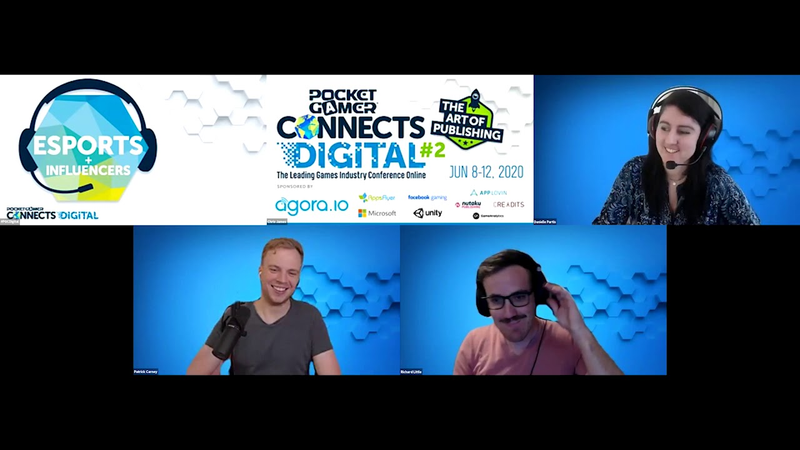
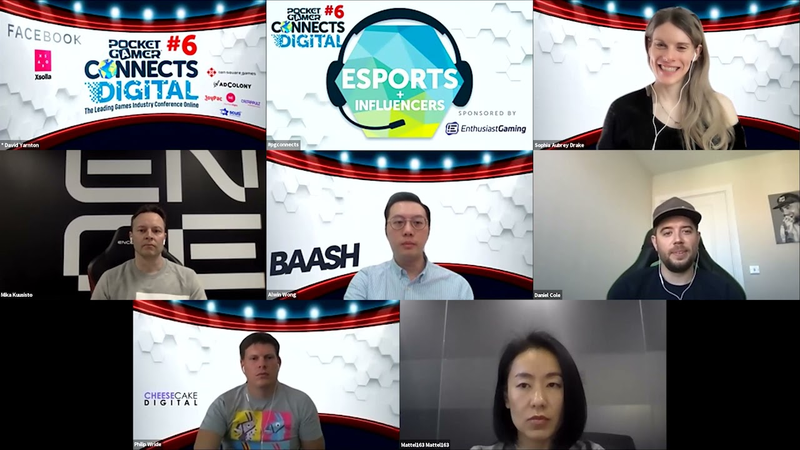
Panel: Are Influencers the Future of Game Marketing?
Key insights
6 takeaways- 01Modern marketing effectiveness is defined by the depth of the relationship between the creator and their audience rather than the sheer scale of the influencer's platform.
- 02Publishers are increasingly integrating influencers early in the development cycle to move beyond transactional product placements toward authentic, collaborative content.
- 03Game marketing strategy has shifted from prioritizing raw follower counts to focusing on a creator's ability to drive measurable actions within niche audiences.
- 04Co-creation between brands and influencers is replacing one-off advertisements to mitigate the risks of inauthenticity and improve resonance with target demographics.
- 05Successful campaigns now utilize a hybrid model that balances large-scale celebrity partnerships for initial visibility with long-term micro-influencer relationships for sustained community growth.
- 06The industry is transitioning toward data-driven planning, requiring rigorous research into audience relevance, geographical fit, and platform-specific dynamics to meet clear key performance indicators.
Ask AI about this video
Transcript
to the next session which is our panel of our influences the future of game marketing however i did promise a few little extra things i mean you might not you know think that's a promise of something special but it's going to be part imparting information about our sponsors and the main sponsor for this particular track is enthusiast gaming i've told you all about them before so i'm not going to go that but i just wanted to mention our platinum sponsors i don't think i really need to explain facebook as to you know what they're about zolo a lot of you may not know but is the one of the other platinum platinum sponsors and the great thing they can do is accelerate video game commerce globally so what that basically means you can help you to market sell connect and optimize your game with one platform so there's a little bit of extra information about one of
our major sponsors platinum sponsors our other sponsors ad connolly ten square gay ad colony colony ten square games catapult joy pack number eight and scooty score i will try and find something about the others there but more importantly we're now moving into our next panel and with so sophia aubry drake who's a developer in vangelis and big indie pitch manager i've got down here as queen of all things indie i can't see where's your correct tiara and your crown all things she's also a global speaker and lifelong gamer with financial love of things nintendo and japan konichiwa i did actually meant to have my mario cap on so i've got the moe ready for him it's a little bit he's getting a bit older i was gonna have my mario kart on for you so much so that she's written a thesis on one and lived in the other but the great thing about having sofia here is that i don't have to introduce all the
other panelists that's up to sophia it is that's my job thank you david thank you no thank you david for a lovely uh introduction i've been watching the track it's uh yeah lovely to have such positive energy in the track i try and bring some of that when i'm moderating as well but uh you know it's nice for me to uh be on the uh well i say moderate and that's what i'm moderating this panel but when i'm yeah hosting the tracks i try and bring some energy and i'm sure a lot of you in the audience will have seen me throughout the week hosting um tracks and running big indie pitches and you know uh i won't bore you too long in my introduction but as david says i work for steel media pocket gamer right here alongside uh at some other places and i basically um you know present and host uh the big indie pitch tracks here do a bit of writing and mainly work with their independent developers and have them for years but we're here today to talk about our
influences the future of game marketing which is a really interesting topic and one that i get asked an awful lot by indie developers uh regularly in fact so at this point i'm going to uh start to bring in the screens of all my panelists because i'm sure you're thinking wait a minute they haven't got screens on or anything like that but here they come just uh just like just like magic so yes we've got mika alwyn daniel philip i think amy might be joining us shortly but in the meantime obviously we'll get amy to do an introduction when she joins but i know we're running a little behind schedule um oh here's amy um i believe um and yeah hey and i know we um you know we're running a little bit behind schedule but we'll still get the full time for the panel so don't worry about that and i know we've got a range of questions that we've discussed and everything but i think we'll not think it we would
be wrong not to start with introductions so i'm gonna go just in the order that i've got you in my screens which is basically i think the order that you were promoted up uh to the to the panelist stage so uh mika let's start with you cool thanks uh always always happy to be promoted as a first one right uh yeah my name is nico i'm ceo of nc sports and uh you know this is probably my 15th uh presentation of panel with pocket camera guys so it's always great to be back um i come with a little bit different background of this panel as as i'm actually running an esports organization so ends has a we represent you know a bunch of different games uh including counter strike pubg uh starcraft 2 stuff like that counter strike is our kind of bread and butter uh where our team is one of the one of the best in the world and uh and actually all baptist teamers
just they spend about 12 weeks in korea they just got back two weeks ago uh from the bubble so they were the biggest pubg tournament ever organized so far with the total prize pool of around like whatever 67 million and i think we got i think we were number 14 in the world oh i think we'll wait for mika to come back um i'm sure we'll get mika back imminently uh but in the meantime uh whilst mika's coming back into the into the flow wait a minute well anyway what we'll do is we'll uh we can come back to mika in a minute because we've got quite a big panel here which is amazing um oh mika you're back brilliant sorry i i dropped there for a second but uh probably my internet so so just the last last word so um um yeah so my team basically has a bunch of influencers who are actually professional gamers so we work with
different brands like red bull uh to leverage those that power basically that these guys have at the end of the day their main focus is to be professional gamers right that's important fantastic and you're making me jealous going on about travel but uh owen uh introduce yourself to everyone sure sure um so um i i guess i'm i came from both sides of the of the things uh gaming and down now into esports however my focus area is more on mobile first of all and then second of all it's primarily focused in asia um so i i work with a ton of different influencers large and small and now currently i'm the head of bd in capsule and our product is called bash as you can see whoops this side i do that as well it's all flavored yeah and and the key to this platform is uh helping like micro influencers grow um so we're we're kind of like a tournament platform so people come in
and they compete on any mobile mobile games that they want um but the key is that these people are also streaming their tournaments gaining traction with their fans and then growing their follower base so in one of the best cases like six months ago a person that signed over she grew her fan base like three times in six months by you know working with us on dash um so yeah fantastic and uh daniel over to you next oh you're on mute the perils of zoo barking dog so i do apologize it's fine so hey everyone yes my name's dan um director of gaming partnerships at wii q um so a bit about we queue um they're a i guess we're a creative influencer agency based out of berlin serving uh global clients uh that's everything from you know publishers across console mob mobile pc right through to your gaming brands and
on endemics and then for a little bit about me in terms of my background so i started in the gaming industry uh back in 2016 with the insomnia gaming festival team so i've covered pretty much every single type of client and every type of sort of every every area of the gaming industry at this point whether it be sort of esports digital advertisement marketing influencer etc so yeah excited to be here fantastic excited to have you and phillip i'll try and get myself off mute as well hello everybody my name's philip i'm the ceo of cheesecake digital my background is 20 years in esports predominantly but also crossing over into the traditional industry so i've worked published aside for ea sports square enix and disney interactive studios cheesecake as an agency focuses on strategy and consultancy about the industry and esports so we often get inquiries as to you know who are the top talents in
different markets when it comes to influencers and streamers and we currently our focus is the middle east which is where i'm based and we release quarterly reports looking at top streamers watch time and various other metrics for the streamers across different platforms in the middle east fantastic and then next up is amy hi my name is amy i am ceo of mattel163 so this is we represent um the gaming side of this panel um we have a game out there called uno which a lot of can play it's it's the classic card game so we are tapping into the casual side of esports in terms of tournaments and we are actively engaging influencers to work with us on our game so i have a different perspective on this topic from the game ip point of view fantastic and i know we've got elena
here and but i don't know if there is someone on the other end so we'll see if elena joins but in the meantime given that we've got oh well there we go i suppose elena will join if possible but i want to get into it because we've got a lot of panelists today we've got a lot of experience to share and you know hopefully we can get through quite a number of questions um so let's start with something simple and i think it's something that can create the basis of you know a lot of the topics that we're about to talk about which is quite simply how would you define an influencer today because i think there's a lot of different definitions and there's obviously different sizes and different types of influencers so simply put how would you define an influencer today and i'm going to do this randomly so that we don't stick to the same order so um let's start with with you philip um how would you define an influencer today it's a great and interesting starting question uh because yes lots of people will have different views on this whether you look
at people who have a huge audience people who have a small audience but have the power to actually as we say influence and and encourage people to make decisions or take actions and i guess for us in terms of the way that we look at the space and the conversations that we have with brands it's about who can actually help me achieve my objective and that objective may be awareness maybe you know conversions it's about okay who has an audience that they have a direct relationship with and can encourage to take a certain type of action yeah anyone else want to add to that um please feel free to jump in normally i'd come to all of you but obviously once we get to a sort of agreed upon definition it might be that we can move on therefore but yeah dan you you've got something to add yeah no absolutely so i think it makes a great point now i think you know working backwards from the goal that's set is always the way to sort of identify you know how to sort of work for that process find the right content creators influencers depending on what they're labeled but
for me i think it's just um you know i think anybody can be an influencer and i essentially all it is is somebody that has the power to affect somebody else's like person habits or buying decisions potentially um and that's and the reason they have that power is because of their sort of knowledge or relationship with a given personal audience um so i actually think that influence uh the term influence is actually usually built around um maybe a specific neutral common interest and obviously in this case it's video games fantastic um and anyone else or if we got a we had a basis now um alwyn i think you've just come off mute that's always a good sign someone wants to say something yeah i guess i just want to add to you know the size of like your following does not matter at all um you know like ourselves we we work with you know really small uh micro influencers right and that's like a few thousand um and you know micro influencer here in asia to
micro influencer in the states could be very very different numbers so like we call micro when they're like still below 100k followers um but if you have 100k followers in in north america it's not you're not no longer micro right so i think looking at the number um doesn't really make a lot of sense um it's more like your fit to the particular brand or your topic yeah i think that's a really interesting point and you know without spinning it off too much i think that goes down the line of you know just like we see in genre of video games as well as you know like a horror game or a visual novel it might not potentially do the numbers that something you know like a massive you know you know call of duty might do but at the same time that doesn't mean it's not massively successful as a genre and hugely important uh with an engaged audience so i think that's a that's a great point well i think unless uh you know amy or mika have anything to add to that uh i think we've got sort of a great basis there to to continue the conversation but in the spirit of you know giving
everyone chance i'm going to come to you first mika and then on to you amy is um you know keeping on that topic you know in what ways do you think influencer marketing differs from from traditional marketing i know in your case mika you obviously have an esports team but which is you know you're delivering in a lot of ways that that influence and marketing to people who who want you to and so in your experience how would you say that what you and your teams do differs from traditional marketing in what way is it maybe more impactful yeah there's there's there's definitely there's definitely similarities uh if if i approach this from the perspective of a a let's say product placement for example right like like red bull is one of our partners and and they are just integrated across everything we do this is probably one of the only streams we ever do without having a red bull game somewhere on the background all those so but but it's actually like in the states after a few years of working with them it's actually it's very organic right we
shoot a lot of content uh with our players in the office in this tracking practice this is counter-strike practice room actually by the way so they then there's a red pool cooler here there's a canyon over there etc so that's there's there's a lot of similarities from the product placement perspective however taking another very kind of uh easy to understand uh a a kind of kind of example would be let's say logitech uh logitech is our are our partners well in terms of gaming gear like headsets keyboards mice um our players influence a lot of young people who want to get better on counter strike or popsy simple idea then playing with the best gear available happens to be logitech you see also that gear across the content we do obviously we do different activations as well but there's this natural connection of hey this guy is one of the best players in the world on counter strike i want to i want to be as good as he is so
i need this gear and and and there are this kind of product placement similarities as well but there's obviously a very clear angle of a performance improvement there in the in that case as well this is easy like like endemic partners are like those are easy to understand now if we work with let's say non-endemic uh even an energy drink it you need to be much more kind of you know creative in a process of actually uh uh running different different schemes for the for the brand yeah and then before i open it up to everyone else i'd like to come to amy um and obviously we'll apologize for any doorbells that you hear and we can't help that a bit like dogs in dan's case um but um yeah amy i was going to to ask you you obviously work with traditional marketing and influencer marketing what would you say the key differences are from your side when you reach out to them yeah well so from perspective for us as the gaming brand we use
influencers to help us expand the brand so compared to performance marketing whereas it's very extremely targeted very precise i think some of the panelists mentioned that influencer marketing has a very uh targeted subset of audience however we find that in our dealings with certain influencers they if you if they don't have a direct affinity with our brand uh let's say our game uno um then then it becomes a hard cell so then the face of the influencer together with everyone doesn't really help promote and expand our game which is what we're looking for so my perspective on this is you know this comparative traditional marketing um if there is a a influencer influencer who is deeply passionate about your brand uh like a lot of these fortnight players out there the teams
who are who are very passionate about the game that they're playing it's a different story you have an audience that follows you they enjoy watching your play but if it's a directly sponsored uh influencer type of deal and the influencer him or herself does not really engage with your brand then it becomes a very hard sell kind of like traditional marketing so so my perspective on influencers is actually slightly negative uh at this point in our in our brand campaigns and i would love to learn more from my fellow panelists today yeah well i mean let's open it up to the to everyone else you know philip alwyn and dan do any of you have anything to add on this when looking at you know um the different differences between influencer marketing and traditional marketing and maybe what people should consider also before someone jumps in i want to apologize again for my doorbell it's a very annoying one i only commented the other day i should change it to like the mario brothers theme or something but um yeah does anyone want to add anything
i think one comment i would make would be you know if we take that line of targeting and we say traditional marketing there are certain aspects of traditional marketing that you can target uh if we look at digital marketing again there are certain aspects that we can target if we're looking at a facebook campaign okay there's tools there that facebook provides whether it's location whether it's gender whether it's language interests all those sorts of things one of the challenges when it's working with influencers is okay i can see you as an influencer potentially from a specific country but i don't necessarily have the visibility of where your audience is from and whether that matches with the you know the requirements of a particular campaign now if you're launching a game it may be that okay your game servers depending on how you set things up are in a specific location and therefore you're starting with four key markets and therefore you're looking for talent to support that now if you can't get the data
around the audience and the viewership and the social followings of some of those influences then you potentially undertake a campaign that doesn't support your end objective because there's a disconnect there between who you can access as an influencer and who you can access as a relevant audience and i think that's one of the challenges as well when it comes to influencer campaigns is when you look at you know who to use and why to use them that data piece is still something that there's a lack of visibility around it and i think that also you know potentially goes to amy's points the the extension of not is it just about the influencer and their connection to the brands it's whether the audience of the influencer is relevant and can connect with the brand yeah i think that's a really interesting uh point as well because you know like you say in many ways it's not just about looking at the influence and what alvin said before at
the pure numbers in many ways i suppose there is a little bit more onus on the people seeking influences to actually put a bit more research into into who they're connecting with and whether this will work in comparison maybe to traditional marketing where it's set up in a certain way to have a meeting with certain you know uh deliverables um moving on though to the next question and i'll i'll probably come to you down next to try and keep the flow going and keep everyone's voices in is um you know how important do you think it is to to be considering influencers right from the very start um you know when you know creating a game or if people are reaching out to developers how important is it to to the influencer and to the developer or publisher and that whole relationship that you know you start thinking about this fairly early on if you want to leverage influencer marketing properly yeah no i think it's become uh increasingly important
to um you know factor this in as a i guess a sort of tent pole in your you know traditional marketing mix to be honest with you um i think for a lot of publishers and brands out there if it isn't a part of the conversations very early on then you're probably missing a huge opportunity that other people are taking advantage of um and and i think that in order to you know establish the sort of the best results from um initiating those conversations early it gives you sort of the the the best opportunity to sort of look at it uh quite holistically and say okay well look you know we have we have this specific game here's sort of the launch cycle maybe there's other aspects to the process that are happening there um and actually you can you can really start to identify the points of where you know you can plug influencers into that process to gain the best results so um and and on the flip side of that as well when you look at the sort of the more traditional market models where they might fall in line to
help support that as well so um i think that it's i think it's got to a place where it's actually become a very i can say a very stable pillar to um any sort of traditional marketing mix but um also to the point where now you know we're looking at it and it's it's not just sort of influence and marketing in isolation it's actually a really holistic thing that speaks to many different areas of your you know your entire marketing journey for a launch or a game that's happening yeah i'm gonna i want to touch upon the difference between larger and smaller and how important it is with them with starting early in a moment so i'll come to you all but before i do that because i think it's relevant um mika how important is it for you and your teams that you know companies open those conversations um earlier if they want to to to work with you guys is it important or is it something where you know it is important it is so i i i guess kind of like i i joined ends uh as a ceo and cereal like two and a
half years ago right like that that was a this this market was still very much driven by the fact that you really have sponsors as an esports team sponsors like the logitech or red bull they give you a bunch of money and then you know a bunch of energy drinks and then obviously they expect you to to tweet about them etc etc etc nowadays completely different i think you know the first question we always ask when we work with uh where we discuss with a new new potential partner is that what what what are you actually like reaching for what is your expectation we try to build kpis right we work with uh food delivery app uh vault obviously it's really performance driven we need to drive the new registered users for the app uh uh every month now then we work with telecom operator which is a lot more around branding and then them kind of positioning them as a gamer friendly telecom operator and and also selling gaming gear and subscription whatever but i think you know the best cases we work recently is that something that we
can actually plan these campaigns together right that we can be you know involved into the process of how can you leverage our games gamers right uh we recently did a shorter term project with a vegan food where basically this brand start like launch the product into the finished market by trying to target young male from say 20 21 to 29 right that will stay a quarter this is how they wanted to make sure that this audience kind of approves accepts the product and then then then kind of leverage later so and our courage is 18 to 34 year of may which is probably 80 of our audience right so us being able to kind of together plan with them a little bit like an agency actually and then we actually would do a lot of content for them we used our our our streamers etc the results were a lot better than if we would have just you know okay you know you come in later things are working on and you try to do something you know integrate something
on some of your streams you can still do that right but it's it's it easily feels fake and this you know what amy mentioned as well being passionate about product you need to be hundred percent authentic we've we've been you know people brands have been reaching out to us that we've said no because we don't find a common passion in the product we don't think it's genuine to market or promote their products if if we feel that our audience will kind of you know they don't believe the storyline right and we shouldn't do that because then it's actually gonna impact negatively our own brand as well yeah and then alan i wanted to ask you because obviously you know well not obviously that's the point um i want to touch on you know your work with with micro influencers and do you feel like this differs depending on the size of the influencer and whether they're associated with an agency and i know that you know like other members of the panel like phillip and maybe even amy from
a point of view uh as the person reaching out to influence might have an opinion on this but if i start with you alwyn do you think that there is a difference in the way that you should approach not just starting the conversations but working with micro influencers compared to bigger influences sure so i think it all uh i think you know mika kind of also mentioned this already um like the the core to this is um your strategy um so what are you actually looking to achieve right pretty much what mika just said um and if you uh you know for example um i can give two two examples i guess so one is like a really big publisher trying to launch a huge game right and they want everyone to download their game and they know that they will lose maybe 70 80 of the players because the game is a very hardcore game right and most people who just come in from uh from you know having a celebrity as their influencer right they drive you know millions and millions of install
but 90 of those or 95 of those installs are going to be gone right and they know that right that's fine right what they're looking to do though with that is to um basically push them up the charts right and once they're up in the charts then uh the actual you know uh you know minnows and whales you call it right they would come in right and because they see oh this game is high in the chart well it must be good right and then they come in they invest their time and over a longer run right they kind of continue to um hype the game uh in the long run with uh targeted micro influences of their specific cohort right so you know i targeted four or five influencers who are uh you know really core strategy game players they've been streaming content of strategy games and these guys i signed a longer contract with them but they're cheaper right because you know it's a four or five month period campaign uh whereas for you know the particular you
know a celebrity i'd be going you know bang right you know before the game even before here in asia it's like even before your game launches you start pushing marketing uh if you have the the the cash right um and you have like a celebrity and they come in and promote your game you know months before the game is launched and so when the game is launched you stop in the charts and then you kind of continue that campaign uh with your targeted influencers right and that's kind of how the the big players do it i'd say right um on the other hand if you're like uh if you don't have that kind of budget uh to do that right and i would recommend that you actually spend time you know either with an agency or spend time yourself to find the specific uh influencers that are in that cohort right and definitely working with multiple different micro influences of your specific cohort would give a much much better result than going for someone who's you're
really popular and you know let's just say you spend the same amount of money with five different micro influencers you know extending your campaign to five months instead of using one big influencer for just one month um and ultimately that would hurt your game's performance as well right so it depends on you know what style of game you are and what you're trying to achieve you have a lot of confidence in the you know retention and monetization of your game uh then i think it it's you know recommended that you uh go with you know a big influencer and then smaller influencers right um but if you're like oh i'm just still testing things out i don't know uh go with micro influencers of your cohort build up that you know cohort uh you know that that niche uh in your in your title right build up that confidence in your own product and then you can think about going going bigger and bigger and bigger yeah amy is that what you find when working with with influence as well do you have a different strategy for larger versus micro
influencers actually i want to yes i address alvin's point in this that um for smaller gaming studios i honestly don't think they have the cash to burn to try out influencers because it's a one-shot thing influencers if we find for the most part they don't really guarantee you results so it's more about the impressions and the brand uh branding part of the game and i find a lot of the gaming influencers specifically are only suitable for the hardcore games so there's a a lack of market for more casual influencers that might be suitable for a casual game like ours is a very very light if you want to call it esports you can call it casual esports but it's a very light touch competitive game um so so for us we do have a rather significant budget going towards influencer marketing but micro versus a large influence actually these days i'm leaning towards using a
well-known celebrity i'm paying you know high six figures to seven figures and the sum of these top gaming influencers are charging in that range and why don't i just go with a name that everyone knows a household name rather than a youtuber who may or may not touch the audience that i want so just from our experience it just i find the micro influencers sometimes are not very professional in the way they present uh represent your brand so that's where we're gearing towards more of the the larger ones who are used to wrapping brands and even more so with celebrities with agents who can manage the content professionally i'm gonna come back um in a moment to um the the bit about you know how it's like a one shot and there's no guarantees unlike traditional marketing but before that i wanted to come to you phillip to just address the notion of you know we talk about influences but this drastically differs from region to region and you do a lot of research
on differences in regions and obviously you especially look at influences in the middle east what would you say to people in the audience who are looking at influencers but maybe haven't thought about regional differences and how you know as alwyn touched on at the start someone who's small in america or let's say china or japan might actually be have a massive reach in somewhere you know like parts of the middle east or africa yeah i think it's it's certainly a key consideration and you you need to look at it from the perspective of understanding what's actually happening in that local market so you know if we take an example here in the middle east and our most recent reports what was i guess the biggest takeaway in the biggest surprise is that okay and i guess it goes to the micro versus large size influencers but the top eight regional streamers on facebook gaming had more watch time than the majority of
streamers on twitch youtube and no no live combined okay so facebook gaming then is absolutely one way to reach a certain type of audience here in the middle east and depending on game preferences and things like that but the key point then is to say yes there will be regional differences there are different streaming platforms in asia versus the middle east versus the us there are different social media platforms there are different tools that people use and it's ensuring that you take a look at what is regionally relevant and how those influencers and content creators sit within the context of that not just doing a general comparison of okay you know they're at a hundred thousands great that's a good number i'm going to go with one you need to spend that time thinking about what actually is relevance in each particular market and i think just to go back to the previous points if i can of course daniel made it i made a
comment about the life cycle piece and meeker in terms of trying to get involved in the overall strategy i think there is an opportunity there to look at it from that perspective and say it's not necessarily just about the launch of the game that's currently where a lot of people focus but actually if you're doing betas and you're doing development work before that launch points there's still an opportunity to get influencers involved either to help shape the game or to get buy-in from their particular audiences you know is that a specific campaign that's crafted with an influencer that is benefits for their particular key audience so that you can get by in before the game launch and i think you know that's as part of that the overall life cycle of development is also a key consideration for developers and publishers yeah and um i'm i'm gonna come to you dan with the next next question because obviously philip mentioned you so i'm using that as my inroad but um you know we've we've touched upon and i think mika will have
something to say about this i'm sure everyone will but um is you know we've talked about that fact that when working with influencers it's obviously very different to traditional marketing in the sense if you have no sort of direct control or direct you know there's no guarantees necessarily or anything like that especially if you're working with more micro influencers i mean do you see that's a problem for companies when using influencers with marketing or is that potentially what makes influencers so great is that they're real people and can create a real connection with their audience yeah no it's a good question i think for for some brands um you know there's obviously right for concern they're trying to protect their brand their identity and they want some control over that but i actually think that um the industry as a whole has done a really good job and is continuously trying to improve how we manage sort of both sides of this yeah i think like on the one hand obviously control is very useful in the sense that we don't want to an influencer going completely
rogue with something that you're you know trying to achieve an activation or a campaign but on the flip to that obviously the message to their respective audience or community needs to obviously maintain um authentic and in line what that community is trying or always used to experiencing when they go and watch that specific influencer or their content so um i mean the content creators ultimately know best how their communities are going to engage and um what's going to service them best in terms of you know they like to see this kind of content i can bring a brand in into the space here quite naturally um and ultimately i think that's what then yields the best results and it's something that here at we queue the conversation we have um very regularly quite early on is is making sure that you know we're quite open in the sense of how much control is this a very sort of like strict ad read where we know that if that's the case then we're building a campaign that's probably going to be more integration based 60 to 90 seconds
it's very kind of like transactional in nature or is it a case of actually we want the content creator to have a bit more flexibility and how they deliver our game or product to the audience and obviously then that's where sort of the more creative elements of influencer marketing come into play and you can have a bit more fun with it so um yeah i mean it's it's one of those things haul disc of course is people are gonna um you know want to to have that control um but i think the best successes are when those barriers are kind of knocked down a little bit and actually give the content create a bit more flexibility in what they're doing yeah and and like so you know i gave you the headset that was going to come to you mika is you know for you and your your teams and how important is having a degree of control not control but you know freedom to be creative when it comes to to doing this sort of marketing you only mentioned creativity before and how you have to be more creative in influencer marketing can you be more creative when there's not control set down on you
yeah so and i i think i'd like to kind of you know bring this back to different platforms actually so i think how we communicated our our audience and our players audience is it is is it is fundamentally different will we communicate on twitter than what we do on twitter instagram or say you know tiktok right so when we might work with the same brand on on all of these platforms it's just you know the campaigns you know what we're going to execute what are the activations might be very different or it might not be actually an activation so uh on on twitter and it's very straightforward uh activation of uh use this code to get a discount go to the site register and and and we try to kind of you know uh uh encourage a dialogue with the fans that they reply respond be reactive there on instagram it's completely different it might be it needs to be usually the stories work pretty well it's visual stories around like you know you implement the product in a nice you know we work back at the base for example with samsung uh samsung was not around like pushing
mobile gaming or mobile devices to certain campaigns it's more about the capability of those devices to take amazing pictures our team would be traveling in new york right they would just you know on their free time they create pictures our content team would be on it you know post it tag relevant parties etc so so it's really about the uh the uh the channels as well uh when we use but i think i'm coming coming once more back to this kind of being you know uh influencers are real people i think uh i hate the comparison between esports and traditional sports there are certain similarities there are best practices but but in fundamentals they're different things but i'd say that one of the strongest elements we have as as esports company is that uh esports professionals on top of the world are role models to young kids or young males who think that you know i have the same i you know if i have a pc if i have an internet connection i can play the same game on the same server you know imagine can
you do that on football i mean yeah i mean i i want to be the next round on linear right yeah i buy expensive shoots etc but you can't imagine like it's completely different now um being online being playing you know competitive you know games you can be so much more closer to actual know you available achievement that these guys can can deliver it is a big edge for us as well yeah now um unfortunately you know obviously i there's no no fault of any of us here the the tracks obviously running over a little bit and we are actually coming close to time anyway so what i wanted to sort of um quickly wrap up with before i try and get through a few q and a's is very much if we keep it to sort of like one sentence and kind of like try and force you into an answer to sum up the
sort of you know focus of the panel is you know um if i come to you first phillip and i will come to everyone is simply you know to answer the question off the panel do you think influences are the future of game marketing that's tough putting everybody on the spot it is it is i mean and obviously it's going to be a nuanced nuanced question but i i think obviously with it being the point of the panel we should we should address that directly if we can before we move to q a uh i would say yes in the sense that it enables that direct connection with a target audience yeah um compared with with some of the other channels and tools that are available the caveat with that would be my previous point of needing to understand the data of the audience of the influencer yeah and then amy do you think this is i mean whether we say the future or a part of the future of game marketing i think both are valid uh do you think this is here to stay amy i think it's a part of uh digital
marketing overall but it doesn't replace the other types of performance marketing etc but i do think in the influencer marketing there needs to be uh more you know uh more options for all types of games and the right kind of people too so there needs to be more more professionalism in market for them because i think one of the comments in the questions the q a you've been going to people are asking you know every third grade now wants to be influencer because there's a lot of money in it right how do you how do you make that into a sustainable career and not just a one shot one chance thing and a lot of people we work with in the past we do it once and we're not happy and then we drop them right how do you the influencer make sure that your customers are happy with the work that you've done yeah and then daniel yeah i actually think it's you know it's already established i
think that it's hard now to go onto a social platform or into youtube or twitch or wherever that might be and not see a sponsored broadcast or some sort of um advertisement that's happening on behalf of an influencer um today their communities so i think it's it's only gonna you know grow develop and to amy's point i think that you know it's still relatively young it will mature um and people will become more professional um and it's already happened at the top um and that obviously will trickle down so yeah absolutely yeah and now alwyn before we give the final word to mika before i see if i can fit in a question or two can i say no and just leave the panel no right obviously it's already a part of the thing right it's already here and i i guess you know ultimately it's you know what everybody said um you know just wrap it up i think it's just like the strategy and your kpi what do you actually want to achieve and then how you're gonna execute you know
towards that goal um and i think you know even for like i guess i'll ping amy right and i have kind of like a solution to you know what to do um i guess i'll leave it there i don't want to you know get everything into too long um but i mean like you know for for a casual brand for something casual there's also a way to do it right whereas compared to a hardcore game then there's a cartoon way to do it so i think it's a strategy yeah and mika yeah a hundred percent like it's it's already here right so i think it's it's just you know what exactly what amy says it's part of the digital marketing uh you know it's already here um and i i i think 100 also more professionalism is needed across right i think you know us working we like like like pushing those kpis etcetera we've heard from so many brands when they reach out to us that you know we're the first team to actually ever ask about those things right that people are just not even asking the right questions yet as i mean like you know you know as an influencer you also need to require like it needs to be kind of partnership right
and then dread like okay give me the money i'll smack your friend somewhere i talk about something nicely but it's it should be like a communication that you know exactly what i mentioned earlier that if he can plan things together with the brand you know the impact will be much much more stronger and uh and i i guess that's that's that's what i want to say it's already here but there needs to be much much more professionalism across the industry yeah thank you and um and yeah and unfortunately i'm getting word that we are sadly out of time uh no no it's not you david i am i'm just um you know obviously the panels are running over and everything but i will fit in one question if that's okay with everyone don't feel you need to answer but if anyone does have an answer i feel it's great to at least fit in the one question and then after that we'll get a link to the discord down and if any of you are in the discord we'll hopefully give people a chance to reach out to you more and continue conversations um but um blending um two questions together here um you know
for anyone who's looking to work with with smaller influencers you know what sort of tips would you give people for vetting channels and working out whether they're a right the correct fit and and on that point do you think smaller channels have more freedom um in their creativity compared to larger channels or or not um does anyone have anything they would like to say on this point yeah do your own homework right um unless you don't care uh about the results right if you want you know your brand splattered everywhere which is not what a small studio should do right then then you need to do your own homework right yeah you know who your competitors are for your product study who they use right and then are those guys are fit of of your product right and then find people or places we're discussing about your product or similar products right and um see who's actually talking
about them right and you know basically do your homework right that's that's all there is to it yeah and i think not to take the words out of out of phillips mouth and i am definitely stealing from from what you said earlier but you know there is obviously strong merit and also thinking about geographical locations not just the content uh and the audience and also the different platforms that they're targeting and and and who's on those things um just quickly though sorry did someone want to i was just gonna philly yeah please say yes it's your answer don't focus on the top line metrics and actually you know this is a conversation i had the other day is you know 100 000 followers is great but is that 100 000 from three years ago or is that a hundred thousand from right now and they're all acting and they're watching you because that will give you a very different result that's a very good point and very quickly and we'll try and keep it as as quick as possible but you know i don't want to leave phil out is um with over 30 of school children now identifying
influencer as a desired career path does the panel think that so the celebrity culture of reality tv is affecting this this number sort of like what do you think is contributing to so many people wanting to become influencers yeah i know it's a difficult question but yeah dan it's a whole panel really isn't it but um it's a really uh interesting sort of um to take on it all but i think actually when you sort of like start to to really identify what these school children actually want to do whether that could be they actually want to be a streamer or a content creator or somebody that is an entertainer then you start to get a bit more into the nuance of actually working out what it is they want as a career path i think the term influencer is so broad that yeah that could mean anything to to anybody um and i think phil makes a great point i think that yeah there you know reality tv does affect that for sure has a knock-on effect as to why people see that as like maybe a quick way to become a celebrity within your own right um but i think when you're looking in in
the context of gaming and content creation um you know there's actually a lot more professionalism involved in um each aspect of that sort of choice and career path i guess so but you're right i mean that's a that's a a pandora's box question of you can go into the depths of everything there for sure it is a bit but i think you make a really excellent point and and hopefully if the panel doesn't mind i think it's actually a really good point to close on is something that we we address throughout is that you know the term influencer is quite broad which is why you know i wanted to start with sort of you know a definition and it's so multifaceted that that applies to what everyone on the panel's saying have been been about doing your research because the way you might work with you know mika and the esports teams would be completely different to the way that you know allen might say that you work with micro influencers to the way that you know you know everyone else is working with different areas whether it's teams in saudi arabia whether it's amy working with celebs you know working with core you know twitch streamers so yeah do
your research but this is something that's here to stay and is obviously vitally important and impactful in the market not just i think for you know people who are marketing their games but for the community of gamers as well and learning more about you know you know gaming and the the community and everything else like that i just want to say thank you so much to a whole panel i know we were a little late but tamika owen dan phillip amy thank you so much for being here thank you for sharing your uh your wisdom and your experience it's been an honor to have you and so thank you thank you for hosting the panel and thanking all our panelists thank you it's uh yeah we have run a bit this the topic was so interesting and so many people had so much knowledge to impart um i just do a quick hello to mika and phil because i haven't seen them for ages so good to see you guys and nice to meet the other people virtually
Summary
Influencer marketing has transitioned from a supplementary tactic to a foundational pillar of modern game promotion. The primary thesis posits that the effectiveness of these partnerships is no longer defined by raw follower counts, but rather by the creator’s ability to drive specific, measurable actions within a niche audience. By integrating influencers early into the development and launch cycles, publishers can move beyond superficial product placements toward more authentic, collaborative content that resonates deeply with target demographics.
Strategic success relies on a tiered approach that balances broad reach with sustained engagement. Large-scale celebrity partnerships remain valuable for achieving initial chart positioning and professional brand visibility, yet they must be complemented by long-term relationships with micro-influencers to foster genuine community growth. This hybrid model allows brands to maintain a degree of control while leveraging the creative authenticity that influencers provide, mitigating the risks of inauthenticity that often plague transactional, one-off advertisements.
The industry is currently undergoing a shift toward greater professionalism and data-driven planning. Effective campaigns now require rigorous research into audience relevance, geographical fit, and platform-specific dynamics to ensure that marketing efforts align with clear key performance indicators. As the landscape matures, the focus is moving away from simple reach toward a holistic, goal-oriented strategy where brands and creators co-create content. This evolution reflects a broader recognition that the future of game marketing lies in the depth of the relationship between the creator and their audience, rather than the sheer scale of the influencer’s platform.