Key insights
7 slides
Key number
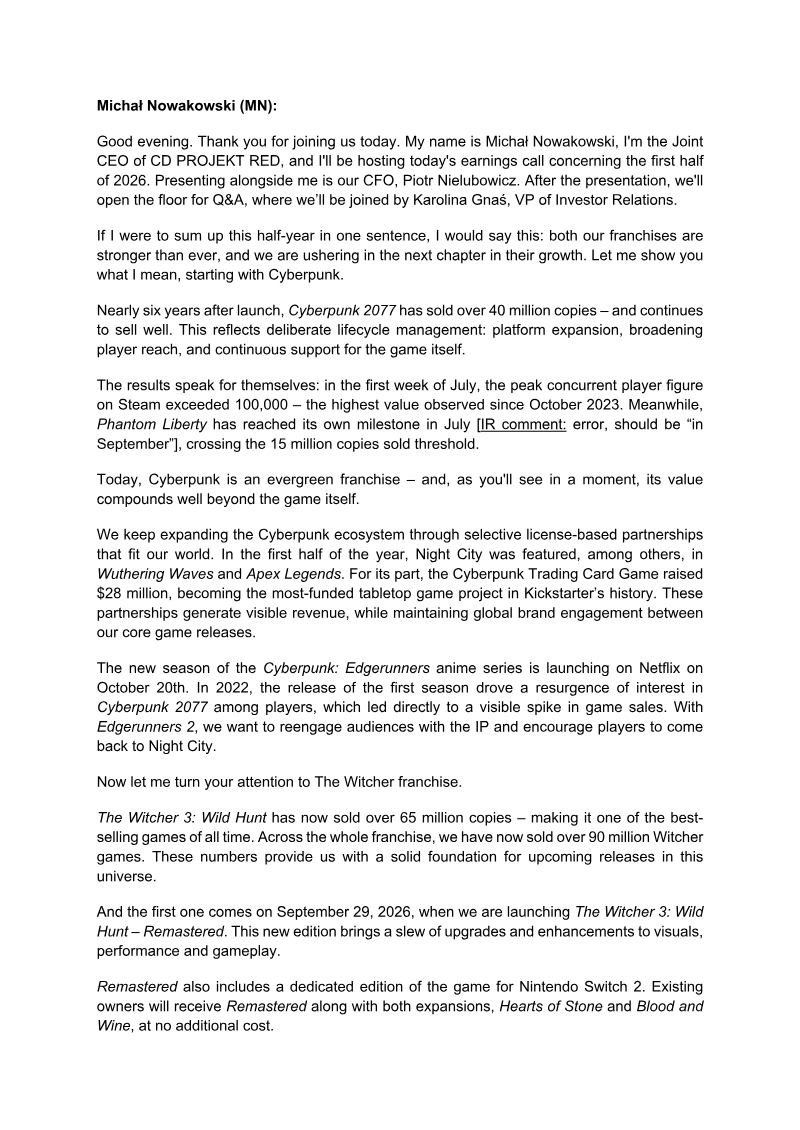
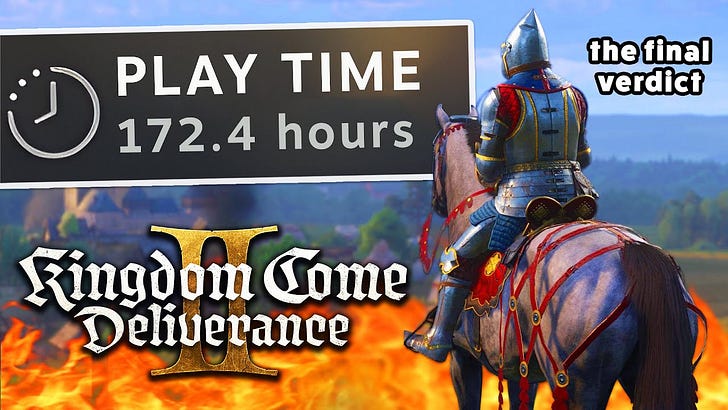
Kingdom Come: Deliverance II launched with a 91% positive review rating.
The open-world medieval action RPG achieved significant commercial and critical success on Steam. Praise for its technical stability and lack of bugs at release bolstered the rating.
Conversion rate
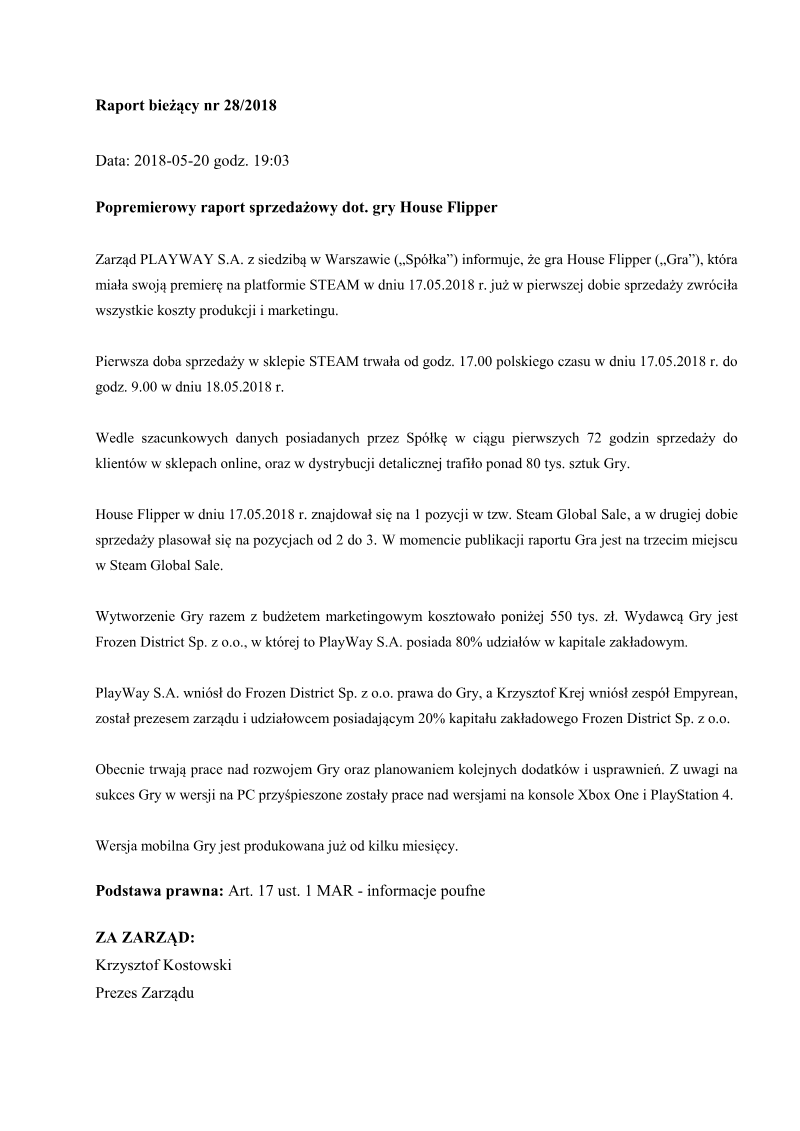
73% of the sequel’s purchasers already owned the original game.
Data indicates a strong conversion rate from the existing player base on the platform. This performance positions the title as a dominant force in recent media coverage.
Platform strategy
Meta is signaling a move toward supporting free-to-play models on Quest.
Platform holders continue to adjust their strategies to drive growth. Meta is pivoting its Quest store strategy toward supporting free-to-play business models.
User growth
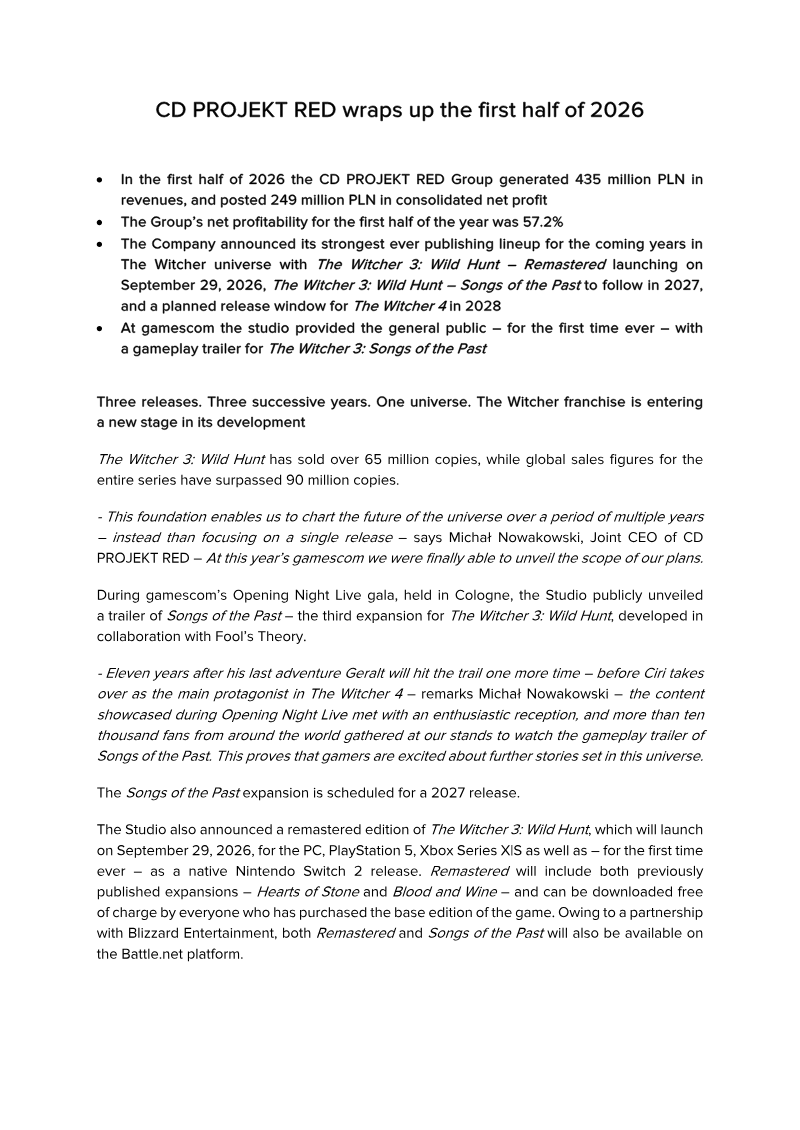
Roblox continues to see growth in daily active users despite missing expectations.
The company continues to see growth in daily active users. However, it misses broader financial analyst expectations in the process.
Regulatory hurdle
Apple requires local publishing partners in Vietnam, mirroring Steam access issues.
Global digital distribution faces increasing regulatory complexity. Apple’s requirement for local publishing partners in Vietnam mirrors ongoing regional access issues for platforms like Steam.
Creator tools
Facepunch is advancing toward a royalty-free licensing agreement for S&Box.
Developers are navigating new tools and events in the market. Facepunch is advancing toward a royalty-free licensing agreement for its S&Box creator tool, built on the Source Engine 2.
Industry focus
The market is increasingly focused on high-retention titles and ecosystem evolution.
These developments reflect a market that is increasingly focused on high-retention titles. The industry is also navigating platform-specific ecosystem evolution and the complexities of global digital distribution.
1 / 7
Ask AI about this report