1 free read left. Create a free account for unlimited reading + AI research.
Create free account
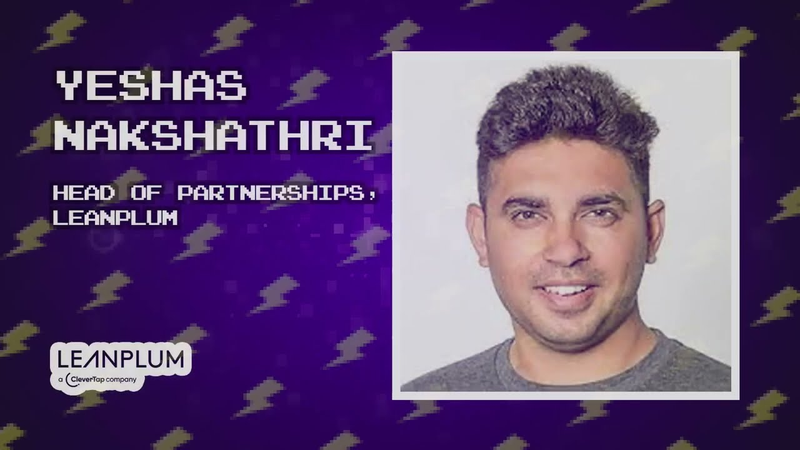
Leanplum’s Yeshas Nakshathri On Reinventing Live Ops And Deciphering Your Data
Key insights
5 takeaways- 01Modern live operations must shift from manual, engineering-heavy workflows to automated platforms that empower marketing teams to execute complex campaigns independently.
- 02Data-driven live ops treat games as evolving, continuous journeys, using feedback loops to ensure interventions remain intuitive and relevant rather than intrusive.
- 03Effective hyper-personalization relies on behavioral triggers that engage users at context-aware moments, fostering habit formation rather than relying on static content updates.
- 04Implementing automated, hyper-personalized in-app messaging can drive a 300% increase in event-based revenue while simultaneously reducing dependency on engineering resources.
- 05Retention strategies should focus on identifying specific churn points, such as onboarding friction, to create personalized re-onboarding paths for high-value user cohorts.
Ask AI about this video
Transcript
[Music] yes your topic was Reinventing live Ops we know liveops is super important I've heard a lot of marketers talking about it because this is probably going to be the year for it you're going to reinvent it what way does that go so the topic of Reinventing in the sense was about what are you going how are you going to adapt it to the new Norm um and we were discussing with the new normals right so most of the companies as we still know liveops is not there yet in terms of adaptation to how you can utilize tools like more people in live Ops are asking for better tools more efficiency you know running more events they need to do without the in the support of Engineers where we can do with less engineers and do more without them how you can utilize you know a lean Plum you know live Ops technology in
terms of like allowing them to run more events in a more hyper personalized manner utilize the data in the most efficient manner segment the right amount of audiences uh take that across within their system and you know we can allowing even an intern to run one of the highly successful campaigns first challenge is tight so if everyone can run it or if or if you can understand how to run it then you can spend your time on other aspects of your game build an amazing game some of those events how's that shifting because it used to be well you know let's give a different number of coins or something but more sophisticated now what are you seeing what are you enabling everybody knows how to run a live Ops campaign it's it's not that everybody's smart enough this industry itself everybody it's a very smart industry it's about how we can get everything together and how we can improve in Leaps and Bounds right so most of the people that we're looking at um the big ship is like taking the data
in how much more data we can take in and which data to take in at what time how do we trigger that across how do we engage with users more and how actually we can improve the game you know it's it's not about you churning out a game and just relaxing and sitting your feet up it's a constant feedback loop that you receive from your users how you utilize that how you improve their experience how you ensure that they come back to the app again out there and sure that you know the events that you're running is relevant enough to them to development to the audience and that is one of the big shift that is happening and I just don't want to talk about live Ops thing but in a general at all the whole team the communication that is happening internally and externally with the with the user base and that's a big shift that the change which is happening which is going to help um and yeah then companies like lean Plum is allowing them to communicate much better and use the time much more efficiently so that they can do more with what they have now you dropped a
couple of words I just wanted you to unpack a little bit because I'm not certain that all the marketers all the companies I'm speaking to understand how personal they can get or how personal it needs to get the hyper personalization is but not just about like how you can make sure that you're calling your name hey hey yes welcome to the game no that's personalization a high personalization hey yes this is what it is that you can do today at this point of time time because I'm free it's not just sending out a push notification at one hour of the day or at some part of the day it's about based on a trigger on your behavior to ensure that when they come into the app it is their willingness to come into the app and that is because they feel that that app is their own the app has become their habit and that is all due to the hyper personalization that somebody can run across to it so there's a big difference between what you can do in terms of personalization hyper personalization but I also want to say that hyper personalization is all within the
privacy and how you use the data and how you do it without any intrusive way to make it as personalized as possible to make sure the user experience is the best as it gets We've Got Big Fish we've got Mobility where we've got a ton on the wall behind you which means you have a lot of insight into how companies do what they do without maybe naming one give me some ideas give me a blueprint so one of the companies what they tried to do was they added issue right they had an issue right they want to they were not running enough events um but they want they had a target of Revenue Target which was double right so what events they came to lean Plum and you know they implemented our tool and started running so with just half of the amount of people they were able to achieve 3x of what they were able to achieve beforehand and that was all done with because they could do something in terms of behavior it's one simple just one simple Behavior triggered in-app
messaging and what they did on that how the data they took across which was there it was their data they took that data they personalized they analyzed the data and they ensured they reach out to the Right audience with the right content at the right time and this was all allowed them to increase their revenue by 3x and then of course that 3x also doubled in the next when they actually went to take the next step and went for hyper personalization so everybody has their own formula that they can use it but what I'm saying is we can provide the tools which allows them to find that success how can I harness that to get the people to come back you're talking about keeping them there I want to bring them back how do I do it best well first you need to understand why they're left right that's the biggest thing and and that data can also provide us like at what time they left was it probably because they didn't have a good onboarding experience probably what they you know came across was not they were looking for so you cannot bring everybody back that's the first thing so
you need to realize which are the ones that you want them back and when you realize that these are the set of users that you want them back you need to analyze why did income probably for onboarding change the experience get them the experience that they were looking for so when you onboard them or re-on-board them again make sure it is as personalized as possible as intuitive as possible to ensure that they can continue their Journey you are it's it's called Journey for a reason yeah they're taking the journey along with you it's your app they're investing their time they're investing their interest and now we have to ensure that we keep that interest and that's how you can get somebody back into the app it's all about the experience yes and mine was excellent with you today yes so I'm gonna say thank you so much and uh thank you thanks for the learnings
Summary
Modern mobile game development requires a fundamental shift toward efficient, data-driven live operations to maintain user engagement and revenue growth. The current industry standard emphasizes moving away from manual, engineering-heavy processes toward automated, scalable platforms that allow marketing teams to execute complex campaigns independently. By leveraging sophisticated data feedback loops, developers can transition from static content updates to dynamic, hyper-personalized user experiences that treat the game as a continuous, evolving journey rather than a finished product.
Hyper-personalization serves as the cornerstone of this strategy, moving beyond simple name-based greetings to context-aware interactions. Effective implementation relies on behavioral triggers that reach users at the precise moment they are most receptive, fostering a sense of habit and ownership within the app. This approach must balance deep data utilization with privacy-conscious practices, ensuring that interventions feel intuitive and relevant rather than intrusive. When executed correctly, these targeted in-app messages allow studios to optimize revenue, with some organizations achieving a 300% increase in event-based revenue while simultaneously reducing the reliance on engineering resources.
Retention strategies follow a similar analytical framework, requiring studios to first identify why specific user segments churn. By analyzing the timing and context of departures—such as friction during the onboarding process—developers can refine the user experience to facilitate successful re-onboarding. Success in this area is not about universal re-engagement but about identifying high-value cohorts and providing them with a personalized, intuitive path that aligns with their original interests. Ultimately, the integration of advanced marketing technology enables studios to maximize their existing resources, turning raw user data into actionable insights that sustain long-term player interest and improve overall app performance.