1 free read left. Create a free account for unlimited reading + AI research.
Create free account
Building a Sustainable Web3 Game With Sorare
Key insights
6 takeaways- 01The platform avoids systemic financial risks by eschewing proprietary game tokens in favor of Ethereum as a transaction rail while supporting fiat payments for non-crypto users.
- 02Digital assets are positioned as functional in-game utility items rather than purely financial instruments, fostering a stable secondary market that remains resilient during broader industry downturns.
- 03To prevent pay-to-win dynamics and maintain competitive integrity, the game utilizes mechanics like point caps that prioritize analytical skill and sports knowledge over financial investment.
- 04The platform mitigates seasonal sports volatility by adapting its scoring and scarcity models across multiple sports, including football, baseball, and basketball, to ensure year-round user activity.
- 05Sorare prioritizes long-term engagement by anchoring digital collectibles to real-world athlete performance data rather than speculative, volatile tokenomics.
- 06The company’s long-term growth strategy focuses on building an interoperable ecosystem where digital assets maintain utility across third-party applications and real-world experiences.
Ask AI about this video
Transcript
foreign [Music] gaming podcast where it is our mission to explore the business and future of video games we bring together the industry's brightest Builders investors and thinkers to keep a full sun current events dissect emerging Trends and games share Lessons Learned and have a great time this podcast is also part of novik's growing ecosystem which ranges from free and premium research to Consulting and advisory services for more information visit www.navic.com now let's jump into the episode hello and welcome to the navic gaming podcast I'm your host nickovery today we are going to be diving into one of the ogs of the web 3 space and one of the most sustainable web 3 businesses out there our subject today is so rare the French company that has pretty much cornered the market in football or soccer for American listeners collectible trading
card games slash fantasy sports uh the game is based on a very simple concept which sower has refined since it launched in 2018-2019. the game is essentially a form of fantasy football or soccer that makes use of player trading cards which are of course nfts players construct a team five players each occupying different positions using the NFC cards they own the aim is to score points based on these players real life match performances over a three to four day period so Ray Arsenal hosts tournaments and leaderboard contests with opportunity to win rare cards and in some cases even cash prizes which are paid out in crypto The company generated over 400 sorry over 300 million in secondary market sales in 2022 and just under 90 million in the first five months of 2023 according to cryptoslam and we can have our guest confirmed or deny this so while the volumes are down during the crypto winter we are currently in so rare is clearly sustaining much better
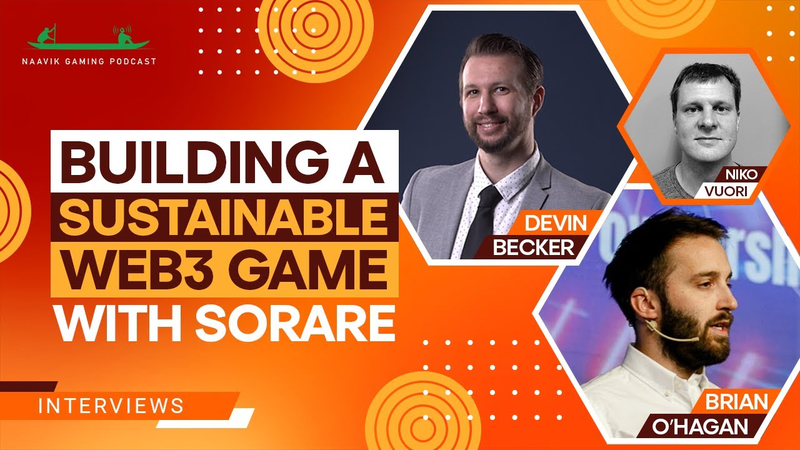
than other web 3 games or nft collections furthermore the company has successfully secured multiple funding grounds the most recent being a 680 million series B which value the company at 4.3 billion in September 2021. and we at novik recently covered so rare in a navic digest article which you should totally subscribe to Link in show notes and I've personally been wanting to cover so rare for quite some time now uh so on the heels of the navic digest article it seemed like the perfect time to do so so on the Pod today we have two guests uh first we have the author of the recent navic digest article uh on so rare it's our very own Devin Becker Devin welcome to the Pod thanks thanks happy to be here and we also have a very special guest with extra insights uh that is Brian o'hagen who is the chief growth officer at so rare Brian welcome to the pod thanks Eminem Nico I appreciate the invitation absolutely all right well with that
intro out of the way let's get right into it and I always like to start with a question for our guests about the journey into web three uh and so let's start with Brian here um what was your journey into web3 how did you end up at so rare um so it's a long story so I'll try and keep it short uh short and sweet um but really um the discovered Bitcoin 2014-15 uh through a great entrepreneur called ventis caceres um and then I just really wanted to kind of start becoming obsessed with you know crypto or Bitcoin you know following now the rabbit hill all that all that bam and um and sorry working full-time in the industry in 2017 in a place in Paris called La Meson do Bitcoin uh so it was a Bitcoin Center that had opened in France um in 2014-15 it was opened by The Ledger Founders it was it was that's where Ledger was created during the first hackathon in that house of Bitcoin
and um and so I was I joined the company there spend some bunch of time with our um we were kind of the you know the cap like the main place where all the crypto community in Paris and France or anyone who would go through France would would hang out um doing lots of events and and it's through that that you know we uh co-organized with the sword Founders uh the first event around nfts um empires in 2018 and um and from that you know kind of joined the company uh so we're after because I'm passionate about football and about crypto and so um you know so it was the perfect perfect opportunity and to be honest it was the first time I understood um nfts um and why nmts could be interesting so I'll Deep dive a bit later uh into that but uh but yeah that's the short story no you did you did great that was a very succinct um uh intro into until you got there I I I actually have a very similar background I'm extremely I'm European
originally from Finland and extremely passionate about football soccer for American listeners um I've been playing a game called football manager which nice yeah since 1992 which is the the year that the game actually launched and I have played it every single season uh since then and did you not play Championship manager I did well originally was called Championship manager back in the in the day and then they changed their name uh to football manager uh to be a bit more appealing I guess to to broader audience so um to me the so rare story you know football trading cards the stats like the heavy uh leaning into the the data um and ownership on blockchain to me makes a ton of sense um so to me so we're I wish I had done so rare um back in 2018 or you know even earlier um but uh I totally get that Journey so um follow up for Brian here so let's talk a little bit about the so rare origin story so you know that's your
story about how you got into into crypto and uh into silverware itself uh what's the so rare origin story like how did the founders come up with the concept why did they choose blockchain for for ownership um and most importantly I think how did a startup company uh get the licenses that you need in order to obviously have real player stats real imagery real names uh real ownership um over that really curious to hear that story yeah um so you know they were so the two Founders uh Nico and Adrian they were um so actually the CEO and co-founders called Nico with a c um and um they met at their previous blockchain Enterprise company called stratum in Paris um and so they were kind of looking um at you know potentially launching something together um end of 2017 and and you know they saw
the uh the rise of you know non-verbal tokens and at the time was you know crypto kitties it was all over the place um um and you know for instance I was amongst the people who just really didn't get crypto kitties I didn't understand why people would spend you know thousands on cats on the blockchain I was like this is a stupid concept uh but Nico unlike B were a lot smarter and they you know understood and realized that hey this is the uh the first time you can create unique digital property that has you know um you know where you can see exactly what what about scarcity uh for every single object et cetera Etc and so they thought ask football fans listen there is I think I think actually where they started is they were both they both to crypto enthusiasts um and you know crypto they were working that in that in an industry and they wanted to build the products that kind of um ex told a crypto story for you without having to explain it without having to talk about censorship resistance what a
blockchain is et cetera et cetera and I thought to be able to popularize crypto we need to build a consumer product and what better consumer product that a product that is about uh art culture Sports um and you know with gas football fans they realize that you know we've always collected um sports cars um but we've never been able to collect online um and with this new technology non-fungible technology we can now create you know unique digital objects that um um and bring that you know these official licenses to these unique digital objects and and so that's where they started in their thinking but then they always thought this and the the thing with you know tops cars or Panini et cetera is that it's really cool to collect but you don't really use them you don't engage with these objects and so here since this object will be digital like we can actually make it usable um and we can make it usable in a game
um and so these are more than just Collectibles they are also in-game items um in a fancy uh sports game in a fancy football game or soccer game um and so the simple concept is like fancy football is like you know you you compose a team of uh of players um and based on what these players do and the real in real life um you collect a certain number of points um and the difference between a traditional fantasy football game like um you know uh fancy Premier League which has like 15 to 10 million users last year I think um and sewers that you know the players and so are personified by a a trading card and that trading card is backed by an nft and unfudgable token um and so it's really the intersection of you know Collectibles and fancy games put together uh through um you know with an infrastructure of non-fungible tokens
um and I'd say from day one their thinking was we're not selling a technology we are using a technology that will help service a better user experience in a game um that's always been you know the kind of guiding philosophy of of the team of the product um and then you know maybe to come back to your question um how did you know how did it work at the beginning um well the company was you know officially created in in October to start in 2018 was launched in you know enough or Alpha was launched in March 2019 um and then like the beta really opened to everybody I think in uh end of 2019 and the first license they were able to get was the Belgium pro league license and the simple story of how they got that was you know Nico got a few interviews left and right with different leagues um and um you know he got a business meeting with the chief business officer of the
Belgium pro league and uh I think the chief business officer was expecting Nico was expecting a phone call for 30 minutes and actually Nico took the train from Paris to Brussels um and she knocked on the door really and was you know it's just like showed up um and literally like you know was really really motivated and didn't have a product didn't have maybe even a company at the time when he was pitching this to him uh just he just had a deck and a lot of energy and a lot of I guess perseverance and persuasion and so um the Belgium probably was was um probably didn't understand all the ins and outs of that technology as anyone would you know or would not in 2018 but you know they took a bet on on him um nearly as you know a venture capital company would some extent um and they basically sold the license to uh the image rights of the Belgium probably meaning all the all the players all the clubs um to uh to Nico and Adriana and they
were able to start iterating and testing with with that first license I absolutely love that story yeah that's the origin story of of companies especially ones where you're doing something with literally nothing and you're pitching a vision just like you would to a you know a VC uh but to a you know a business entity or or you know a professional League that it's it's really hard um and so I'm so glad that we got this origin story uh out there because uh yeah gives me goosebumps you know as a as a Founder myself like gives me goosebumps to kind of think through how that experience must have been in those early days right the the energy the excitement the tingle that you get when you get that first like oh my God we have the Belgian Pro license like we can actually use real images we can actually use real names we can use real stats um very very exciting so thank you very much for sharing that story um all right we're gonna um head over to Devin here so I I acknowledge that we haven't heard from
Devin yet um on this pod so Devin uh obviously you covered uh so rare in the uh the recent digest article it was a great piece uh I learned a lot from it and that was the you know the impetus for for having this episode and bringing Brian on as well um one of your main takeaways from that piece the novice digest piece was that so rare appears to be more sustainable than most if not all web 3 games or even web3 you know products overall um how did you reach that conclusion what were kind of the what was your thought processing in getting to that point not just the revenue numbers um because you know Revenue numbers always speak for themselves but also the the the core gameplay like how do you see so rare compared to perhaps the rest of the web 3 landscape yeah I mean I I like the simplest definition I think of a sustainable game is Just can you make enough money to keep the game going Revenue wise and can you keep enough players to to keep like
interested people actually playing and I mean in theory that could be one player and that player could be paying enough to you know keep the game running but in the case of of this particular type of game right like the players are going to be Evergreen because it's it's real world sports fantasy sports is certainly not going anywhere so like you've already got the players and just assuming they don't go somewhere else right and then Revenue wise the game actually has a business model that makes sense where it's like hey uh you know a lot of these fantasy sports things are a little bit more like say on the gambling side of you know things like DraftKings and stuff like that or is this more on the collectible side you're buying the players as opposed to like just picking them and following Point restrictions and other stuff like that so there is like an actual monetization and almost in a way a sort of pay to win in the sense of like you're buying the players that you think will help make you win and there's an auction format so therefore like they're is an element of competitive spending to get the potentially the best players and that drives potential revenue and you've got seasonal models people buying stuff over and over so like the entire Revenue
model like makes sense from an ongoing perspective and the other really important thing I think that just a lot of these web3 games you know just didn't really get especially around axi and stuff like that is putting everything on a token is not a great way to to have it sustainable because if that token value changes that could drastically impact players interest players ability to play all these things whereas this game just being like hey it's based off ethereum like the focus is entirely on the collectible cards which is where it should be and like the the ethereum is just there to facilitate like the in and out of the transactions in a way that's not like real cash and I think that was the smartest approach just keeping it really simple and focusing on like the parts of the the game that actually mattered made it more sustainable and of course you know like they've continued to update the game trying to do things to keep like moving to a layer 2 Network where they could keep you know the gas costs a little more sustainable things like that just being smart about it and uh you know being adding more Sports and things like that to keep expanding the
interest from players in a in a business model that just makes sense yeah you know one of the things that that struck me uh from your piece Devin in particular and and I'm so glad we have Brian here to either confirm or deny um some some of the uh the analysis that you did was how simple the the model really is right like it's really really simple it's very straightforward in a good way right I mean this is a as a like it's not trying to come up with crazy tokenomics you know like a a two token system you know which they have their their benefits I guess but but in many ways it makes it more complicated and it makes it more you know difficult for the developers and for the participants in the economy and and the game itself um to understand what's going on and to your point Devin if the price of the token drops drastically um or you've designed the tokenomics in a way that's you know unsustainable or ponzi-esque uh dare I say uh use that
phrase here um it it totally devalues the entire ecosystem right you're like no matter how good your game is or how fun your game is like you're kind of devaluing the entire ecosystem if you do that so I want to ask you Brian um how conscious were those choices early on um when you guys decided like Hey we're going to base this on ethereum we're not going to have our own token not two tokens not even one token um we're just going to base this on ethereum we will do the nft piece right digital ownership of these trading cards we will have Rarity which is very deliberate by the way and Devin and or Brian you can both speak to this uh you know the different classes of Rarity that you have like the erling Holland emails that I get on a regular basis uh to to buy those I still haven't uh you know I think they're like fifteen twenty thousand dollars at the moment so a little pricey for for my for my liking but um the question really here is how conscious was that choice of keeping the
gameplay Loop really really simple early on and not doing your own token there must have been pressure internally and even externally from your your investors I mean I've certainly heard this story from from other Founders who have launched web3 company like hey you should do your own token you should do your own token you should do your own token you should have a dual token system what made you guys stick to that Simplicity and really not go down the path that so many others followed almost everybody else in web 3 followed which is hey we're going to do our own token or even two tokens yeah so um you know just to jump on the investor pressure I think um sure what's interesting with sewers that the pre-seed investors um very few came from the crypto World despite you know sort of you know having a crypto technology and nft technology and I think to some extent it was also because it was a product that a lot of people told me so it was kind of web 2.5 rather than being a true web 3 product and and and and I think it was in kind of like a you
know first of all first of all like the precede was raised in in 2018 starting 2019 so that was burmarket uh times like pretty hard to fundraise back then um and second of all I think you know the product wasn't really the exciting kind of thesis at that moment which was more focused around maybe defy and more Focus around icos Etc and so I think crypto investors were not that interested in that in that kind of product they really understand where we're going with it um uh but it all comes back to the idea that yes when when sewer launched initially uh the the the the alpha the closed Alpha um actually a lot of the early users of silver were other interested crypto gamings Sports crypto gaming kind of audience so there was a nerdier game than somewhere and um I would say in the the sports gaming um crypto industry which was
um MLB Champions and a lot of the early sewer users were xmlb Champion users who were I would say unsatisfied with the MLB Champion experience and who came to sewer to try another form of you know Sports gaming crypto so that was quite interesting for us because we had already kind of user base where we could test a lot of things um but always in the back of the mind of the founders was the idea that hey this game that we're building is for the wider population of people interested in football gaming or NBA gaming if we launch NBA one day or MLB gaming you know all these and that's a massive audience and and and and the idea was always you know from day one to bring non-crypto users to this product and so how can we try and onboard these non-crypted users this product in the in the easiest way possible um and a simple example is you know
yes the kind of payment infrastructure um the rails is based around you know eth um but uh we never first we were in a layer two and then we had to which was called Loom Network and then we had to go on layer one because Loom network was closing as we went to ethereum but we always subsidize the fees for transactions on server so that as a user you didn't know you didn't need to know what um meta mask was what signing is signing up you know like a contract was et cetera et cetera and so that allowed us to onboard non-crypto users to the game and very quickly we tried to bring in you know Fiat possibilities to buy Cards um so since like early 2020 you can buy you know server cards hence like you know NFS or nfts with um stripe directly since like early 2020 and and that's always been like you know our guided philosophy and so when we saw obviously
all the kind of interests driven into um you know what three gaming tokens such as axes we were like this is you know this is super cool but it's not for us because it's not solving a game mechanic problem that we have like you know we could launch a token and potentially you know make money and and potentially try and find a utility for that token but it didn't you know it wasn't it was never a need for us it was never we never needed you know nor the money nor the nor we had the utility uh of a token that that had monetary value so um yeah I mean for us the the monetary aspect is just you can you know trade these cards um you know collect them buy them sell them and that's it um and then it's all about what do I do with these cards um um you know I can put them in an album I can I can you know play the kind of more
collectible game I can play the more fancy game now um I can potentially use these cards outside of sewer et cetera so um how can we make it as simple as possible for someone who's interested in football gaming like you Nico uh who's coming from Championship manager football manager Fantasy Premier League and who doesn't have any crypto knowledge like you know can can they on board and server and that was organic philosophy and it still is yeah I mean I I love that kind of cleanliness if you will um of the approach where it's you know it's just about you know Dapper Labs with uh topshot obviously took a similar ish approach um but they they kind of to me at least this is my personal opinion uh editorializing here they missed the gaming aspect of it right like it was the the beauty of the the moments was amazing right now you know the videos and the the clips like they did a great job with that but then there was that like okay now what do I do with these things right you know I can collect them
but I don't actually have anything I can do with them um and I I know other people who feel the same way here I think what you've done in my opinion quite well is it's not just like okay I can collect these things and there's this You Know Rarity and there's you know the commons and the ultra rarest the erling Hollens of the world um but I can also use them I can play with them I can actually you know the utility comes from not Financial necessarily but from gameplay um value and I think you've done a really nice job of just keeping it really really clean um and not going down that token Rabbit Hole um so to that point let's talk a little bit about the gameplay itself we haven't actually fully covered like how does the game itself actually work right so you've got these these cards you've got various classes of Rarity uh for these different players obviously there's different levels of skill you know that's reflected in the real world and I love by the way I definitely want to touch on this the real world component to this where how well the players play in the real world actually reflects upon
what happens in the game and I think that's to me at least that's one of the key aspects of this so I'm gonna ask both of you guys so I'm gonna start with Devin because you know you're the analyst you did the piece um you you looked at this from a kind of outsider's perspective what is the core game Loop how does it work what keeps people coming back on a daily basis weekly basis um and you know in a nutshell why is this fun right why is this game fun why are people coming back to it it's interesting because it's it like I mentioned some of the traditional like fantasy sports like even DraftKings and stuff like that that you know are very popular but this has a pretty Different Twist to it in that those games were generally about uh picking players and being strategic within like say Point limits things like that this still technically has that to an extent but it's really about buying collecting trading the players and that sort of secondary Market aspect and so like there's there's both a game and a meta game at the same time right the the game is is picking the team putting together the team based off of what you think is
likely who who you think rather is likely to perform that given week uh as well as anticipating who might perform in the future who might get injured and not be able to play all those sorts of things but also playing the metagame of the market at the same time where you're like strategizing like who's undervalued who can I buy for cheap oh hey I think this guy I have who's kind of expensive right now actually isn't going to perform I can sell him take that money and use it to buy someone else that I think will do better and so that aspect of like team management women from a financial standpoint and a player trading standpoint is that actually adds to the the gameplay of just picking players for a given week and I always think back to like people that probably love Moneyball it's it's so that that movie in that aspect of like how can I budget this because in a regular fantasy sport is budgeting off of the points and this is sometimes budgeting off your actual wallet and I think that's like a really interesting take on it because you have to be smarter than the other players in a lot of ways and and so there's you know even the social aspect
of it that involves in that uh that Loop of picking those players that's that's really sticky for sports fans to have these kind of discussions because you think back to one of the most exciting parts of a lot of fantasy sports is that draft pick right that part of the Season where people are trading players picking players making deals that sort of thing is happening continuously within this game in a way that regular fantasy sports doesn't have because there's not really player trading there's not really negotiation it's just maybe head to head like strategy but but that's about it and I think that's what makes this game particularly compelling is those two things combined yeah I I would agree with that um I think yeah what's interesting to me is is this idea of the Rarity piece right because if you have a normal Fantasy game anybody can own you know Tom Brady or you know Lionel Messi or whatever depending on what sport you have right as long as you're within the cap right like you've got to follow the rules but anybody can have that player on their team and I think what makes silverware so interesting to me and what
makes nfts as applied to a fantasy sports game that interesting is that Rarity aspect um you know not not everybody can own Airline Holland right like only a certain number of people can own Airline Holland and this goes back to kind of your your point earlier Devin you said Pay to Win I don't think in a pejorative way I don't think you were talking about it being a bad thing at all it's just a very clear way of playing the game and knowing like hey I have Airline hotland only 100 people can have him on on their team we know he's a superstar um and that is going to make my team better and that has monetary value if I'm a game player that values this type of gameplay so Brian talk to me about that clearly there was an explicit choice right like you know you you touched on this briefly uh in your intro but using nfts and that digital ownership and that Rarity piece and it's in your right name so rare soccer rare uh sorry if you're Italian um but that Rarity aspect I think is
that's the piece that's really different as it relates to nfts and web3 compared to a kind of air quotes traditional fantasy sports game and that to me is the Nugget that makes so rare interesting and that's what makes you know these cards valuable as long as you have a fun fun game so talk to me a little bit about how that Insight came to be and how you guys are leaning into that Rarity aspect um without it being and feeling like a pay to win in the pejorative sense if you know what I mean right um like you know there is there is that criticism sometimes of like oh if you just pay more than the next guy you can you know win the game beat the game and they are games certainly where that doesn't feel good but here it actually it's the opposite it actually feels good because that's part of the game design that I think you guys went with so talk to me a little bit about that Rarity piece and how the idea of pay to win versus you know
um pay to own I think that's that's a phrase that is banded about these days uh with a lot of web 3 games but you guys are leaning into that pay to win piece and the Rarity piece in a way that actually feels good and I want to hear from you directly Brian like how are you guys doing that um and and how did it come to be yeah yeah um so you know maybe it's just to jump back on the previous question um where Devin uh had a great great um um insight into the scouting the collecting I absolutely loved it that's that's exactly it so the the way the simple way we kind of frame it is you know this the game Loop is composed of four steps um that you know Loop and loop a loop again the first one is you come you Scout like there's this massive scouting element to it as Devin said and then based on your scouting then you collect um and based on how you collect you basically compose then your lineups in you know you've got a team of 10 people
of 10 players you have to you know feel five uh players the compose your lineup depending on what you know what's gonna happen real life that weekend and that's where there's a lot of extra game mechanics that come into in playing silver that we don't control that is basically controlled by what's happening in the real life it's is this program going to play you know is this uh player being transferred to another club and then hence going to play for another club there's like there's so many things that are happening in the real life that make the solar experience so much better that in that that is you know fancy sports but so Scout collects composure lineup and enjoy the live experience and so that goes back to the idea of fantasy of you know owning these players having bought and collected these cards being connected through this purchase through this collection to the player to the moment where he's playing in real life you're watching him on television or in the stadium and you know what he does in
real life will affect your performance um in the game and based on you know who you select as all your players um if they perform in real life uh for you um and um you know then you will be ranked um in the leaderboard and depending on your ranking in that leaderboard you will potentially earn uh rewards and these rewards can be um you know new cards can be um some experiences so for instance um in in during the uh the global uh cup that happened last year in football uh people that won our Global Cup game um the top five they were able to play after with Zinedine Zidane like have a whole day with them go to like VIP and Marseille like kind of the dream of any football player to be honest um and so for us it's like really kind of connecting your digital fandom with your physical fandom um through this item that is you know the collectible the nft right um and so so again the simple gameplay
or or game Loop is you know Scout and collect compose your lineup enjoy the live experience and earn rewards um and on and on and on and on and you repeat that um and since football changes every single moment every single minute there's a transfer there's a new game that would that's that's what makes it a kind of a forever game um to some extent right um so that's the first thing um on the scarcity elements and the Pay to Win aspect that you were mentioning um I'll first start by saying sir is free to play I just want to make that statement because it is it is the case and it's true it's free to play and this basically I would say two routes for you to play the game there's one route that is purely free to play um like any game you can grind your way up um and through that free to play aspect you can actually win cards that are backed by
um you know non-functionable tokens and non-forward Technology hence scarce cards um and and and through these coast guards um you know start playing other types of competitions and kind of ground your way up um you know it'll take some time um but it's like in any other kind of game and so that's the simple game mechanic that you can see and you're free to play game and then you can pay to go faster in different types of game modes um um and and that's if you collect specific types of cards Etc um I think you know the the they're there's a balance um and that is important to find for us so that sore is a skill uh based game which is the case in most Fantasy games because um you know with the the biggest the kind of Flagship competition today and so is competition called CAP 240 um and then cap 240 you have to so you
have to bring players that have a maximum of 240 points in the last like five games and that kind of creates an equal Level Playing Field uh Level Playing Field for all players and so that makes it 100 a skill based game and then you have you know some other competitions where indeed like it's more open and um I would say um you know the better the players you collect uh the more chances you have to potentially like score really high scores in these in these competitions so I would say you know for us it's a it's an acts of balancing between different types of strategies would it be the free to play one would it be the the skill based one uh or potential other routes um and um yeah we I think at the end of the day the this game economy is is always hard to get um but what we're trying to do is is to make it as accessible and as exciting as possible for any type of news you're
coming in um and in the context of maybe web3 where we will work is I would say in a context that's independent of what's happening in the world of web3 would we be at a bull market and a burmarket that shouldn't matter within the store game what should only matter is your skill set your scouting ability your coaching ability et cetera Etc um and that's kind of the most interesting aspect for me from my perspective is people that love playing silver or people that love the idea of potentially one day becoming a coach or like a general manager um and through playing store they kind of get a feel of what that could be um earlier today I'm sorry doing long answers but earlier today I was speaking to uh a team of of managers who kind of partner together and they built a tool
called Data Scouts and it's a tool that help um basically like discover create football players around the world are they now trying to sell that tool to different football clubs and different different agents um in the football world and all these guys they started this because this tool helped them as a decision decision making tool and they're sort of scouting and now it's becoming a decision making tool in the real world and so I think these are the things that I'm pretty excited about is how how um you know we can Bridge you know like the gaming and and and the professional world of football management the same way you know Nico you as a football manager fan the game uh recently a coach uh called will still who's 30 years old became uh yeah I love the story manager player and became you know coach of a league one team I think you know that that story will happen with server managers and that's something I'm really
excited about because these are the dreams of these are the types of dreams that our players have when they play this game yeah and I think that's exactly what I see with so rare and I think part of the sustainability piece is the fact that you guys are truly through and through football fans right and you you value realism just like football manager does right my one of my geeky I used to work for Ernst and I was an auditor in the previous life in the UK and uh one year Football manager the the founders of it um Stan and Oliver Collier they won the entrepreneur of the Year award um which I understand young sponsors so if hopefully uh listeners and you guys will indulge me on this little side Journey here um and Stan and Oliver Collier don't like publicity I I don't think I've ever even seen a photo of them but miles Jacobson who's their general manager who they brought in to do the business side of things and he's still there um he got to meet him and so I was like kind of geeky like oh my God you know I got to meet my heroes uh the founders of
this this company or this game that I've been playing for for literally 30 years um and uh what was very clear to me about them is is very similar to what you're saying here Brian which is there is this incredible passion for realism and actually mirroring like what is real these players in the world that are actually playing they're human beings they're players on teams um and then what you guys have in your game that realism of like okay we want to reflect what the real world is doing so the stats need to be accurate right um if they're you mentioned if they transfer from a team to another like that obviously has to be reflected in in the game um and you're really going after that um football fan that's really deep into realism into the stats into the real world watching their their favorite players play so anyway sorry for the little detour but that's what I'm hearing from you Brian um and that's what I've been seeing from the outside and that's what I saw from Devon's analysis as well which is part of the
reason I think that so rare has been sustainable up until this point is that that mission to capture the realism um of what you're actually representing which is real players real world real Clubs real results right so you know just to jump at this that's the power of Ip also right right you know you through the IP we are able to bring emotion into the game and to you know have people that decide to play this game because it it it it provides them this type of emotion of collecting um you know an amazing I don't know what's your team Nico but you know maybe you know we we launched legend cards of a Finnish player called um um well literally also legend in the Solar gameplay and then as a sore card so we have the yeah Litman and um Legend card and I think you know if you were playing silver I don't know if you are but you
probably would have bought that car just because you um are from Finland and so you know like you know that emotional connection can I think is is is is super important in the context of of this game um yeah yeah no and I and that's why I'm a Liverpool fan by the way so my team is pretty cool of course played for Liverpool and uh that's how I originally became it so that's my team I know it's a now it's a cheat in football manager because obviously the team is so good but you know about six or seven seasons ago was not a cheat it was it was hard work grinding up with with Liverpool um Okay so um so Devin I'm gonna dive in here so we just talked about the the commitment and the passion to you know the real life football being the starting point obviously you know there are other sports and you know you noted in your piece Devin that so rare is actually working with uh new leagues I think we've got MLB and NBA um obviously much smaller than football um but I guess my question to you Devin
and then we'll get back to you Brian is the passion for football is clear right I think that we can all see that it it's hard to do multiple Sports um my opinion um and so Devin from your perspective as the analyst they're looking you know outside in uh how successful has the expansion I think we can call it that into NBA and MLB uh and Brian can talk if there's any other sports on the horizon um how successful do you think that has been um with that lens of hey we're really true to the sport that we're going for can you do it for multiple Sports Yeah It's Tricky it's kind of funny too because it's like uh while football may have like a huge fan base or soccer rather just to clarify because of what I'm gonna say uh you know worldwide as far as ranking uh fantasy sports goes American football is actually generally at the top then baseball and and uh basketball so soccer is actually not one
of the top ones so bringing in baseball in in basketball is actually really big from the fantasy angle right because especially baseball is such a stat driven game where where the kind of fans obsess over that stuff like like I referenced Moneyball earlier is like a good touch point for that and it's and so it's it's something that really appeals to them and so I think it's it's a great uh sport to bring into this and the basketball as well has a huge amount of appeal to to different demographic as well and the the difficult part here is adapting I think the the games and so for what I've seen so far right like the games are relatively newer and so like I see just looking at like secondary market prices and things like that a little bit lower right but I get can see that there's clearly some traction but it requires acquiring somewhat of a new audience whereas like so rare the the soccer side has been around for a while and obviously has a lot of players and so it'll take some time I think to get them there but like I said as far as fantasy sports go and trading cards go like baseball you know is is a shoe-in I
think as long as the marketing can reach those players and get them to come in and have them do something besides maybe other types of fantasy sports that they're doing I think that's an easy sell and basketball as well I think could follow as you mentioned Top Shot earlier was a great example of that fan base potentially being something that would be interested in because you can't do anything with those moments as you mentioned earlier the difficult part of course is you do have to adapt to the game right like there's the basic game like you pick a lineup and you put put that lineup in right that's that doesn't necessarily have to change too much right because even Esports can do that right you see like League of Legends versions where you're like oh this dude's this position this position especially it's the carrier that is the jungle like there's ways to translate it but you do have to see some differences so like for example the baseball one you have to feel the bigger team right because it supports more teams in different positions and that requires more cards right so there is a little bit of some difference in terms of collecting between those and then you also have to think about the the scoring systems are very different between those games like uh on one end of the spectrum soccer sometimes like you see like a 1-0
game right like there's a one point score the whole game and On The Other Extreme end basketball like goes into the hundreds uh you know it's like 120s is not an unusual in the game you know baseball's kind of somewhere in the middle right and so like all those kind of different factors have to be translated into how you do the scoring systems how you how you balance out the players how you handle caps so all that stuff I imagine will take some time as well to get correct but fantasy sports have been doing those sports for a while so I don't think it's like that hard to look at what those other ones are doing and adapt it but I do think it'll be interesting to see over time like how they kind of shift uh you know the different sports to fit the the audience and the collectibility ability aspect being different than the typical fantasy sports where like I said like with the baseball one you actually have to have a bigger collection potentially to field more teams as opposed to like a fantasy sports game where you just it's just a budget and it doesn't matter how many you like have and so I think those differences will probably manifest a bit over time uh and have to be worked out
but you know as I'm sure Brian could speak to there's there's starter packs there's the the free cards that you get when you start out there's plenty of ways to kind of help you know mitigate that to an extent but the differences I think will you know come out over time uh in more than just prices yeah Brian um your thoughts on obviously they're newer so you know smaller I mean not smaller Sports they're huge Sports obviously to to Devin's Point um but you know they're smaller as a line of business so far um how are you guys at so we're thinking about expansion into these new sports and how do you think you can stay true to the passion you clearly have for the football soccer side of things with these these new sports like how are you structuring your teams you know some of that ins let's use this phrase inside baseball um because we're talking about baseball here but like um what's the inside track at so rare on how you guys are are thinking about making sure that you do justice uh to these new sports because again to
Devin's Point bigger lineups different scoring you know different rules different fan base right you can't just cross promote from your football soccer fans into baseball like it doesn't translate necessarily so your thoughts Brian on on how you guys are are thinking about this yeah um so I mean Devin's point was was spot on um in terms of you know all the differences in the gameplay one that is also interesting is uh card population um so if you think about it you know NBA MLB um limited number of teams um you know it's a closed League you have um you know 30 teams Etc um and and a specific number of players in every single team um was with football we have like 20 leagues um and so far more players meaning that um since we have four more eligible players that we can create cards for um well then we have to think differently in terms of
um how many how many cards should we print what scarcity level should there be between like an NBA and MLB and a football game and that would be true if you know let's say tomorrow hypothetically we launched like uh like a tennis game or or whatnot you know how do you think about that carbon population also so this is more on the you know gameplay aspect which I think is you know interesting when you think about um any sort of game but but that's that's one aspect in terms of you know the fan base how we how we kind of structure the way we work is um you know football is our most major product major product like it you know it's been we launched it like four years ago um we really found product Market fit on that product and and it's a matter of like improving the products making it um more accessible more exciting more fun um more engaging and and so there's a there's a ton of work for for years to come but but it's we're in a different I would say phase of of the product life cycle
um on the MBA side of things and the MLB side of things you know we have first of all two very different sports um you know NBA being a very Global sport for nature um you know obviously very strong in the US but also actually with with wemby and and and others you know very very International very European some extent becoming more and more European um and so there is a lot of crossover between um between uh football and NBA and what I'm really excited about with sewer is you know a lot of people play store and know the game so much that they willing to jump into a new sport and maybe start solar MLB just because they love server they don't know anything about MLB um and they're going to start playing you know sort of MLB and they're going to learn about MLB and potentially they will start collecting MLB cars and they'll start building a fandom for them you know whomever the Yankees or whatever uh because they are uh because because of sober thanks to Silver and so I think you know that's also quite
interesting from the MLB perspective is saying hey how can like this partnership with sewer helped me attract a new fan base uh um in a different you know based in Europe or based outside of the US um who might have not you know gone into MLB if if it were not for silver so that's one thing I think um second thing is obviously in terms of fan bases like still for MLB for instance like the biggest MLB fanbase is based in the US and so there's a lot of work that we need to do as a company from a marketing standpoint and making sure that store is um a fantasy game um that is you know different to the other kind of daily fancy games you have in the US but that is known and that you know uh where we have that brand awareness that help us uh drive that organic I would say flow of um of of interest um and and since like the fancy Market itself is very different between the US
and Europe um you know when you say a fancy game in Europe you think fancy Premier League or you think Fanta Castro in Italy you think you know these are purely free to play games there's no at all like money element in it um it's like purely free to play bragging rights that's it um again fancy Premier League like 10 to 15 million people playing lots of people in India that's for people in the UK but lots of people all over the world um if you think fancy game in in the US you think you know DraftKings fan Jewel very different type of gameplay um uh where you need a betting license Etc like where we sit is we're not a daily fancy game and we more like uh to be honest so we far more like uh uh Fantasy Premier League game with the difference that again these players that you Fielding in your team are cards that you can collect and trade um um and so and so that's the big difference and I think you know it since these markets are in different level of
kind of maturity understanding uh um and and different kind of product uh products well we need to adapt our you know NBA MLB product to different um type of understanding these users might have um I think what in our case what's challenging is we're kind of creating a new product category uh and a game category and so with this comes uh a lot of work on the um education aspect of what's the game about what is it like Etc it's not like you're coming into a game category where you can say oh just like is this like you know FPL um but for the French league or for the Spanish league here it's it's different all together and so you need to start from scratch and you need to to get you know we need to do a lot of work in in making sure that people can get it quickly um and can jump into it easily yeah that makes sense uh Devin I know you had a follow-up comment on uh multi-sports uh yeah it's just something I I forgot to
mention earlier is uh it's also worth noting that because everything is based off real world play uh there's also the limitation of Seasons right and so having multiple Sports means potential for activity during times when other sports are inactive and so like spreading out the uh the sports that you have kind of across the year allows I think for a little more consistent Revenue potentially you know for the company and things like that so it is something that's like important to making sure that there's consistent activity on the site and consistent revenue and you just consistent things flowing around especially with the secondary market trading and stuff like that yeah and that was actually that was going to be I had a question that I I passed on earlier but I'm going to bring it up now because that's actually a great Point Devin it you know obviously uh Sports have off Seasons right and right now we are in the football soccer off season um except in the US except in the US right exactly so um I'm curious to hear uh how you guys think about the off
season in general not from a multi-sports perspective but like hey I'm playing so rare football soccer uh it's the middle of the summer uh in the European leagues which is where most of the action is um I I don't have any games that are going on except for maybe European Championship or World Cup but they only come around every four years uh what are players doing in the off season uh how do you guys keep that engagement for players going when you are so tied to the real world which we've talked about is an Incredible strength because it ties you to that like hey weekly Cadence of games um that you're actually watching either in person or on TV but it also breaks in some ways when the off season rolls around yeah 100 so on the football side of things um so when the European season finishes like right now um there's still MLS the Asian league so you know Katie J League all these South
South American League so basically it's only Europe that's off and all the rest is on so if you're like a massive massive massive football fan like you're gonna you're gonna find your way and you're gonna start playing MLS or you're gonna start playing k-league or J League et cetera so it's actually like a great marketing trick from the MNS some extent I'm not really sure it's done on purpose but if you master football fan like you know you'll find interest in watching MNS and engaging with with the MLS product um so that's one thing the other thing is you know um so I joined silver like early 2020 and something happened in 2020 called coven um and kovid uh from a sports perspective was a nightmare because suddenly you didn't have any sports events for you know a good six months even more so what does a fancy game with those sports events do uh so that was an interesting moment because you had to we had to reinvent the game altogether um but we were still a fancy game and so
what we did back then is we replayed past seasons and so what we were saying is okay we're gonna we're gonna uh okay there's no more football uh we don't know when football's ever going to come back uh and so what we're gonna do is you know we're gonna keep on this game week mechanic uh of like you know you have four days where you have to wait uh you'll see the scores pop up but basically what's gonna happen is we're gonna select a previous match day a game week from a previous season from last year and so that's what we were doing is we're kind of replaying past game weeks um which actually made the game even more data driven in the sense that you knew let's say that okay we're saying it's going to be the 20 it's going to be like that the first half of the Season plus the season before and so now you knew that there was like a sample of maybe 50 different game weeks
that you know your uh players can be scored on and so you could like you know Analyze This these 50 game weeks and say okay based on you know all my kind of data crunching Etc like these are the players that I should field in my team and then maybe like we had a thing where obviously if we had one game we'd have been you know used we can't use it anymore and so now that changes you know the kind of best lineup that you could field and so even that just kind of created some some mechanics where you had to like you know change your your you had to collect different types of cards and players based on on that changing data right so um there are there are things that you can do um an off season but obviously right now it's the NBA off season the activity is is on the NBA game is is uh is pretty low um and and so the fact of having three different sports can help us you know if there's no MBA maybe it's the time for you to tip your toes into football right now we're into MLB um so that's what we're trying to do yeah that makes sense uh okay so we're
coming towards the end of our time here but I have a question for both of you here which is uh you know it was part of my opening statement which is so rare looks to be a sustainable business right despite air quotes or because of depending on how you want to look at it uh of its web 3 Roots uh digital ownership and and embracing blockchain Technologies uh and and you know my segment for the navic podcast is very web free focused so I want to talk about sustainability here um and hear from you both so Devin we'll start with you as you looked into so rare and and you made that statement like hey server looks to be a sustainable business obviously down a little bit because of of crypto winter and and what have you but nonetheless still a very uh healthy looking business uh certainly from the outside looking in uh what do you think so rare is doing right and how does it avoid some of the other pitfalls that that other web3 games especially the ones that are leaning heavily to play to earn
um are are doing um where does so rare from your perspective as the analyst that's not looking in go from here in a sustainable fashion how does it grow even further from its web 3 roots and goes to mainstream I mean it goes back to some of the things Brian was talking about uh which ultimately this isn't a web 3 game this is a fantasy game with digital Collectibles that happens to use web3 technology to facilitate that to facilitate both the trading and ownership aspect and some of the financial aspects but at the end of the day like all almost everything about this game could potentially be done in a web 2 environment and I know that's often an argument against web3 right but this is you know using web3 technology correctly which is to say like it's enhancing the experience by opening it up rather than closing it but not trying to do anything overly gimmicky with that it's not trying to like uh try and do weird tricky tokenomic stuff it's just like hey like we tried to facilitate some ways to make this all work using the blockchain so that you guys can freely do what you want to do with this
stuff and we're going to help build around that and make sure that like this is a fun experience and it's like it's fun to own these cards and do things with them and then potentially maybe other things can happen with these cards also and I think like that's that's a great way to look at it and I think in terms terms of growth like that's one option to look at it it's like how do we grow this outside just our core gameplay what are some things we could do like Brian's touching on about what what they're doing with the off season for example uh like there's different ways to look at okay well we've got people owning these cards can we drive different types of ownership can we go okay well maybe you want to buy cards for a different reason than just to play this particular season like you're talking about oh you you you're playing the off season games like the the ones that were previous Games you start to shop differently you start to scout differently and so looking at opportunities for different buying patterns different ways for for them to get people to collect in different ways I think it's always the way for to make us like a collectible based game more sustainable is to I I caught thinking horizontally you want to broaden people's Collections and give them
incentives to do so and I think there's plenty of opportunity for them to do that and luckily like fantasy sports are an evergreen thing right like this unless the sports themselves go away which is very unlikely uh there's always like a base for their game and it's just a matter of like how well that's managed and it sounds like from what I've seen and from what Brian said it's been done very well so far as long as they don't kind of like get overly confused about what they're doing and keep their eyes on the prize I think it's it's very easy to continue to grow with it assuming some legal aspect doesn't come in like and her things that I know like for example There Was You know the issues around the the French government stuff with uh you know the the cup stuff like that but you guys dealt with it and I think keep doing that should be fine Brian your thoughts um no I I you know create analysis Heaven appreciate it you're gonna set it all um but um you know I think um there's what I'm excited about is is is is indeed um giving more
uh Pathways into why you would collect some of these cards would it be the fancy game would it be the collectible game that we have would it be um you know just like being able to uh proudly show your your your you know football digital identity like I'm a Mara Donna fan let me collect my donor cards and like show this to my friends and be proud about it you know um and this maybe comes back to a bit more what NBA Topshop was doing why were people buying um or still buying um you know top shots because like I want to show that I'm a massive I don't know like um uh NBA and specific San Antonio Spurs fan for instance um so I think I think that that's an exciting and like an exciting uh aspect for roadside the other one is which is kind of the Holy Grail of some extent went through gaming is like how can these items can be how can these items be used outside of like just like
Silver's game right and and and so we've had some exciting experiments around that and I think fielded by the idea that you know these items can be used anywhere by any by any by anyone however they want because we don't control these ones these items when they saw then they out there in the open and so you know we have a company called we don't have it it's called server data it's created independently where you can scout look for numbers Etc they do competitions there are different type of fancy competitions there was one called Sarah megas or Bragg um you know other kind of third-party apps being built on top of server and I think that's for me quite exciting is the idea of thinking like hey this I'm thinking very differently than I would say web to gaming where like hey my incentive is for you to stay in this game as much as possible and consume everything in the game because I think for me what what the day will really win um truly in a massive way is is when um as an owner of the sorrow cards um I
can participate in multiple different types of experiences not only Built by Sir but built by third-party apps um and so that's true if you give you know kind of I don't know discounting utility through sort of card you can get like a 10 discount um and a real Madrid shop if you have a real Madrid player um that's true if let's say you have a retired player um such as Yari litmann um and you're in your wallet but actually someone built a team for retired players uh sorry a game for retired players where it's like kind of the Earth stone uh mixed with football cards um and you know this is the type of game that you could build on top of silver um and and and you know you can you can potentially one day make a business out of it um and you can actually kind of hack your way into a user base just by saying hey like you know sir has like I don't know three three hundred four hundred thousand um you know paying users right now like you know I'm going to build a game for these guys and you know if I can bring only like just 50 000 people to my game
um and like have a way to like you know monetize this through like boosts Etc et cetera well then you have a viable business here and so I think for me that's what's exciting is like the ultimate long-term view of like the card as a platform rather than like the game is the platform um and and and yeah that's particularly exciting but I think it's a very long term long-term view within the context of where we're through gaming is today um and maybe just to finish on the play touring aspect like we've never used that word uh uh and you know it may it might be something that's cool too and that's okay to say in 2023 it was uh but it's it's we were saying the same thing in 2021 uh it's really about uh playing uh playing for fun playing to your own or playing to win but it's not about playing to your own um and so uh that's that's ultimately like what will make a game sustainable um so that's why I'm finishing on that part yeah I know I and then you're preaching to the choir here I'm sure but I won't speak for Devin necessarily but I see him nodding his head so no
absolutely like the play to earn to me never really made much sense either um to earn like that's a job right it's not like not a game the word earn gets so misused yeah even loyalty programs right like earning is just spending money yeah yeah true um but uh the the final note I'm just gonna pick on here from what you just said Brian which is you know the cards as a platform I I love that idea I love that Vision because that's as a football lifelong football manager Championship manager player that's exactly how I think about that game like every single player card they're not called cards there but like you know the the view that you get when you have all the stats right um that to me is the ultimate in kind of football fandom slash football gaming right when you combine the two um and I love the idea that so rare's cards which are officially licensed and presumably living and breathing you know updated you know as the players transfer from Club to club and and make you know
their way through their careers um if you as a as a player actually owns that card and can create different kinds of gaming experiences or even non-gaming experiences right like experiential experiences you know discounts in stores or access to that player or whatever access to that club um that to me and that travels with you forever right like it's your digital ownership you know that that's the rights that you get that are associated with it that to me is incredibly powerful right and so to to me this long and the short of it is like if we were to say why do I think that sober has a chance to be one of the most sustainable and again I know you don't think of yourself as a purely webbed three business but you are obviously leaning into web3 Technologies why do I think you could be one of the most sustainable players out there companies out there it's because of that piece right which is like the true digital ownership something that actually exists in the real world like it's it's perfect to me that's the perfect match for web3 and you know digital uh digital in real
world connection um so anyway on that note I know we're we're actually over time so I appreciate you guys staying a little bit late here uh so we're gonna wrap it up here I had so many more questions um but uh we'll have to have you come back uh a different time to talk about uh talk about those things so Devin Brian thank you so much both of you Devin thank you for writing the piece it was a great eye-opening piece I encourage everybody to go navic digest uh we'll put the link in the show notes Brian thank you so much for coming on and sharing your insights um and again I really feel the passion for what you know what you guys are doing for football no soccer fandom and digital owner like to me it's it's it's one of the purest expressions of somebody who cares about what they're doing what they're building and that clearly understands um the depth of the fandom the depth of the passion for you know what football fans really care about such as myself
for example so Evan Brian thank you so much both of you thanks a minute Nico thank you and as always a big thank you to all of our listeners we'll be back next week with more interviews more insights and more analysis from the weird and wonderful world of web3 and gaming more broadly so until next time friends stay crypto curious and feel free to send questions guest recommendations and comments to me my email is Nico navic dot Co and you can find me on Twitter nicothefin DM's always open thank you if you enjoyed today's episode whether on YouTube or your favorite podcast app make sure to like subscribe comment or give a five star review and if you want to reach out or provide feedback shoot us a note at podcast navic dot Co or find us on Twitter and Linkedin plus if you want to learn more about what novik has to offer make sure to check out our website www.navik.com there you can sign up for the number one games industry newsletter navic digest or contact us to learn
about our wide-ranging Consulting and advisory Services again that is www.navic.com thanks for listening and we'll catch you in the next episode
Summary
Sorare establishes a sustainable model for Web3 gaming by prioritizing consumer-first utility over the volatile, speculative tokenomics that characterize many blockchain projects. By integrating official licensing with real-world athlete performance data, the platform transforms fantasy sports into a long-term engagement ecosystem. Digital collectibles function as usable in-game assets rather than purely financial instruments, fostering a stable secondary market that persists despite broader industry downturns. This approach effectively bridges the gap between traditional sports fandom and digital ownership, creating a sticky, skill-based experience that emphasizes scouting, team management, and strategic market participation.
The platform’s operational strategy centers on accessibility and long-term retention. By utilizing Ethereum as a transaction rail while supporting fiat payments, the service successfully onboards non-crypto users and avoids the systemic risks associated with proprietary game tokens. To maintain competitive integrity and mitigate pay-to-win concerns, the game employs balanced mechanics such as point caps, ensuring that success remains tied to analytical skill and sports knowledge. This focus on a forever-game loop—where players continuously scout and manage rosters—positions the platform as a durable digital hobby rather than a short-term investment vehicle.
Geographic and sport-specific expansion remains a core pillar of this growth strategy. By adapting scoring systems and scarcity models to fit the unique structures of football, baseball, and basketball, the platform maintains consistent user activity throughout the year, effectively neutralizing the impact of seasonal sports calendars. Looking forward, the platform aims to evolve into an open ecosystem where digital assets possess utility across third-party applications and real-world experiences. By fostering this interoperable environment, the company reinforces its identity as a platform for fan identity and digital ownership, distancing itself from the unsustainable pitfalls of play-to-earn models.