Loading the document
1 free read left. Create a free account for unlimited reading + AI research.
Create free accountArticle DiGRA
1 free read left. Create a free account for unlimited reading + AI research.
Create free accountArticleDiGRA
Nathan Altice's study examines Japanese board games from the Shōwa era (1945–1989), which it says have been eclipsed by corporate narratives and later videogames.
Documentation gap. Bandai alone released more than 400 games in the 1980s, yet this output remains poorly documented.
Postwar Shōwa-era Japanese board games (1945-89) remain poorly documented because they have been conflated with localized American titles, rooted in the traditional e-sugoroku picture-board racing format, and dominated by Japan-specific licensed properties. Bandai alone produced more than 400 games across 20-plus series in the 1980s, yet omitted them from its corporate history. The central thesis is that Bandai, through its Joy Family and Party Joy lines, was an under-recognized fulcrum in Japanese game history, and that e-sugoroku, rather than imported Western design, shaped the era's most successful games.
The story begins under the U.S. Occupation (1945-52), which reshaped the toy industry. Takara, founded in 1955, began importing Milton Bradley and Whitman titles in the late 1960s through its American Game Series, with localization ranging from translated rules to full board redesigns. Nintendo similarly licensed Disney and Twister games. Takara's 1968 Game of Life succeeded where Monopoly did not, largely because its fortune-and-misfortune structure resembled e-sugoroku, a native format dating to at least the 15th century. American-style wargames from Avalon Hill and SPI arrived in the 1970s through Hobby Japan. When the yen fell from 1:360 to roughly 1:210 by 1978, rising import prices pushed Japanese firms to produce wargames domestically.
Bandai's 1980-81 "Game for ADULT" line, with nearly fifty titles, used Japanese historical and sci-fi themes and cards instead of dice, but ended by 1984. Its sibling series Joy Family, launched in 1980 with JALPAK Around the World Game, fused e-sugoroku conventions with Life's model; Haunted House reportedly sold over 800,000 copies. In 1983 the ¥1,000 Party Joy line followed, running to 1992 with 135 games. Its sliding-tray packaging and six-month production life favored simple rules. After Super Mario Bros. (1985), Bandai shifted almost entirely to videogame licenses such as Zelda and Makaimura, a good fit for e-sugoroku's mappable boards, and competitors including Epoch, Namcot, and Takara copied the format. Though eventually eclipsed by videogames, these games warrant deeper research into the many designers behind them.
Each row is a game or company this document names, each column a document, oldest first. A mark means that document names it. Select a row to see those documents.
DiGRA · 2026
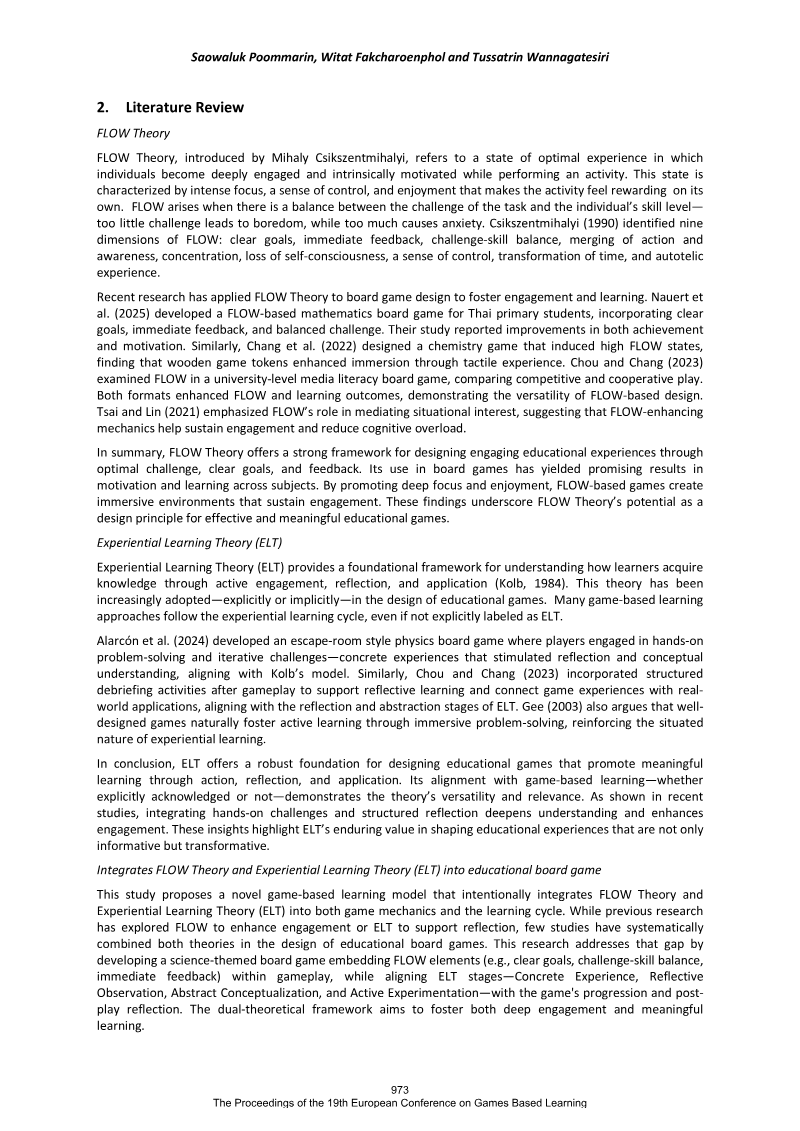
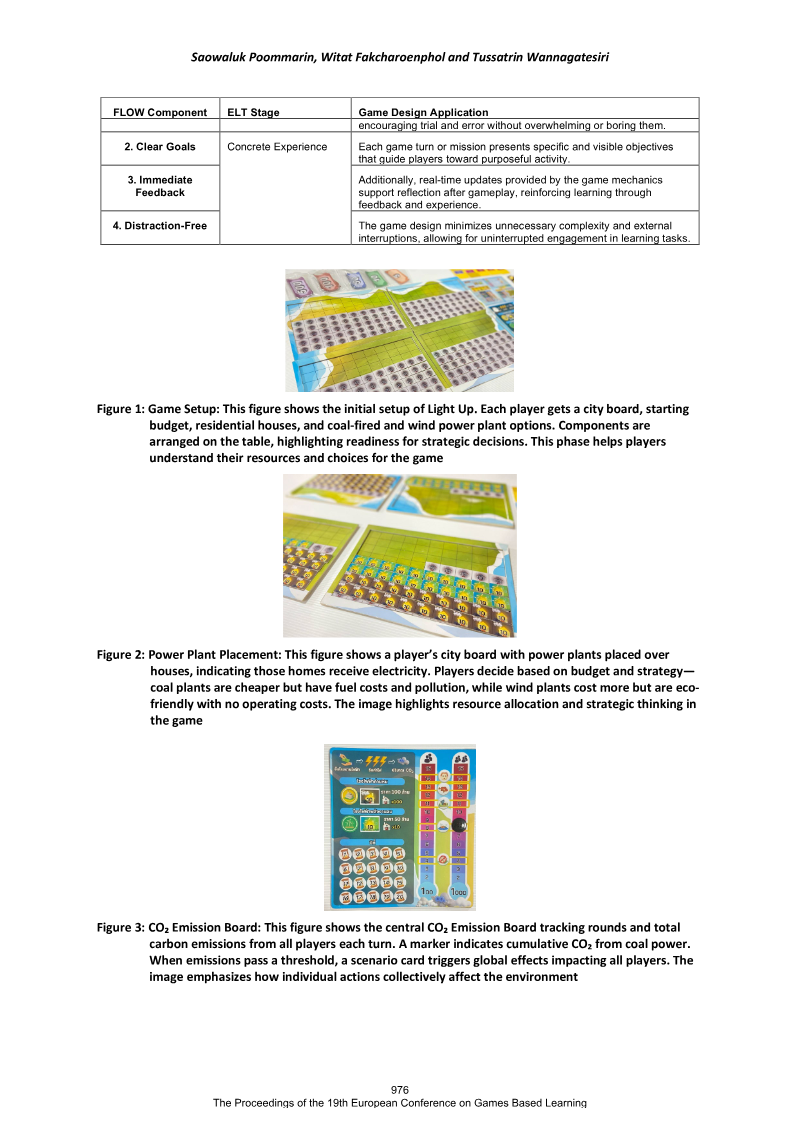
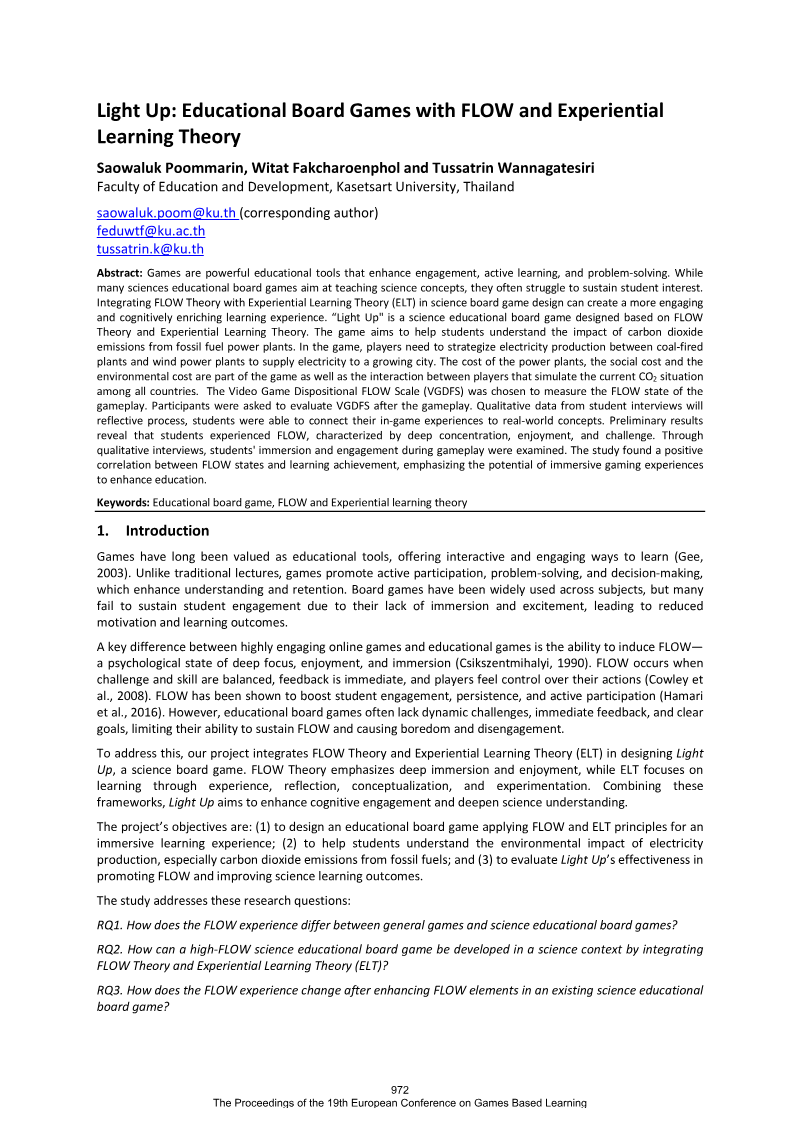
European Conference on Games Based Learning (ECGBL) · 2025

Naavik · 2023
ETC Press · 2019
Game Developers Conference · 2018
Game Developers Conference · 2017
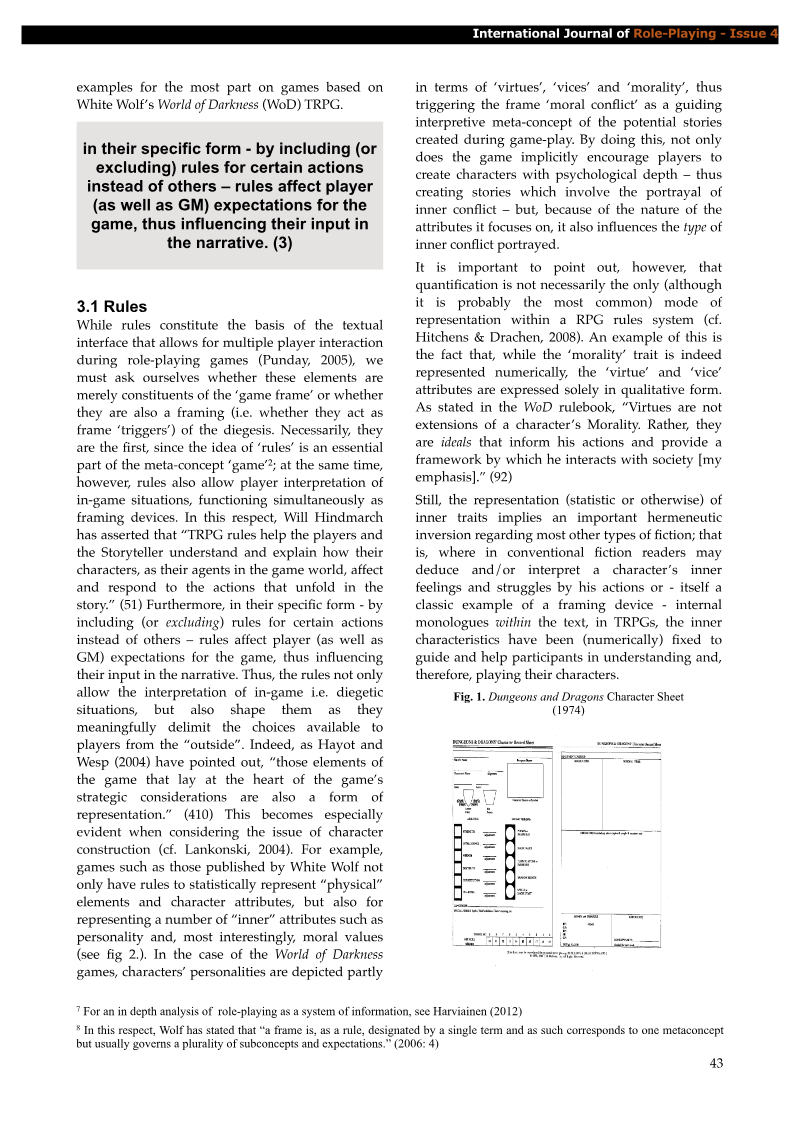
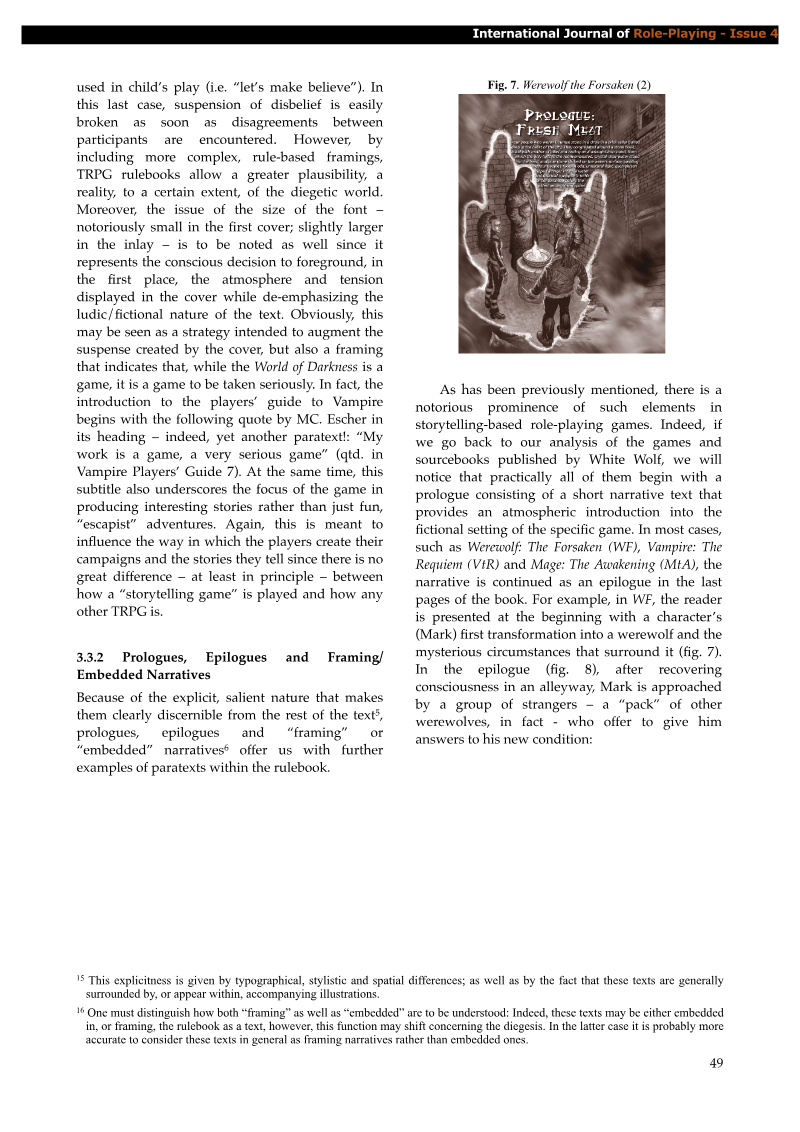
International Journal of Role-Playing · 2013
DiGRA · 2007
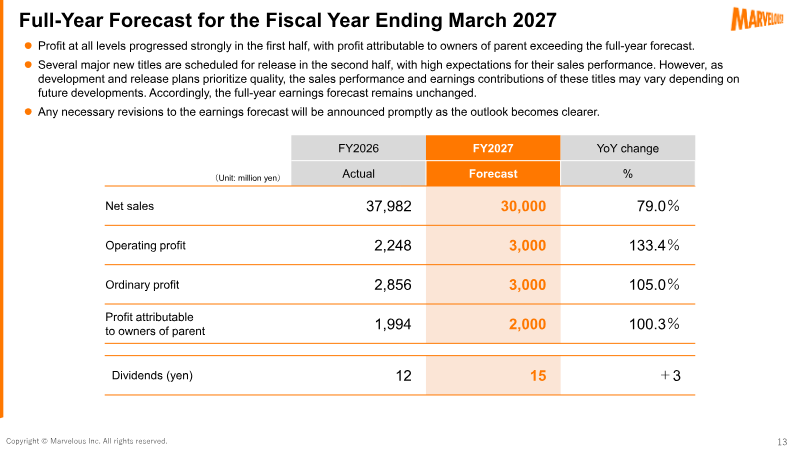

Marvelous · 2026
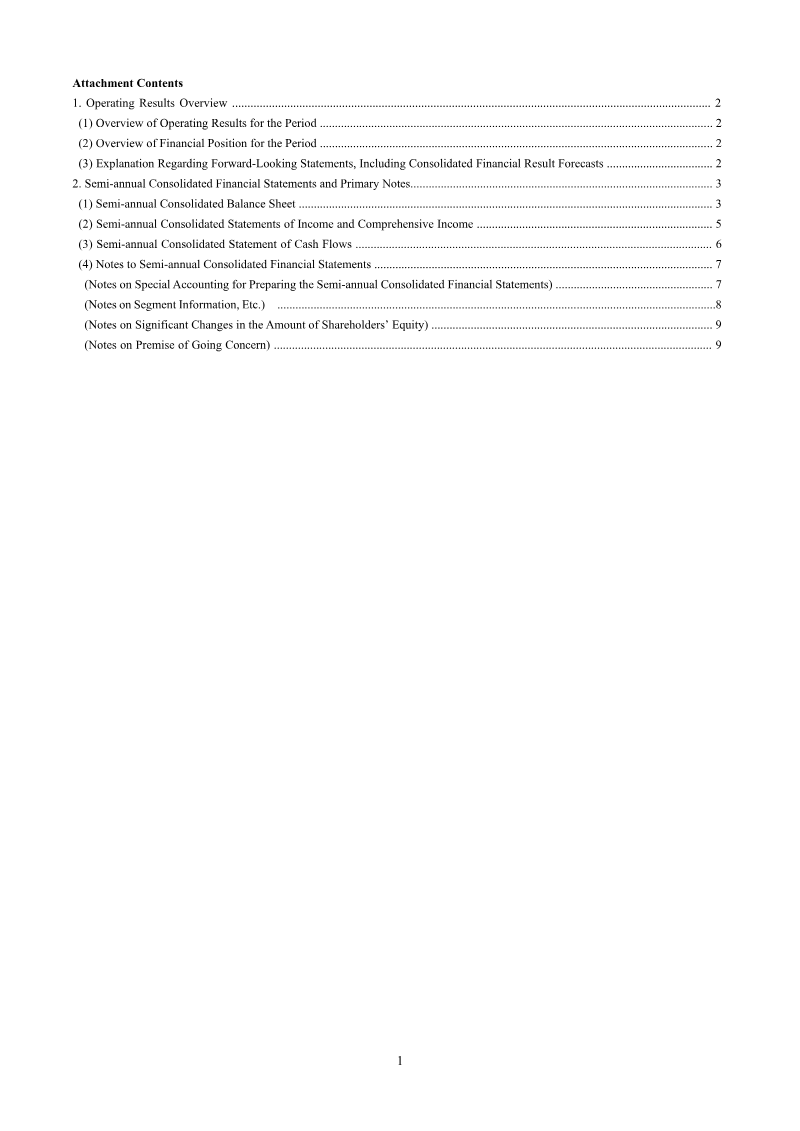
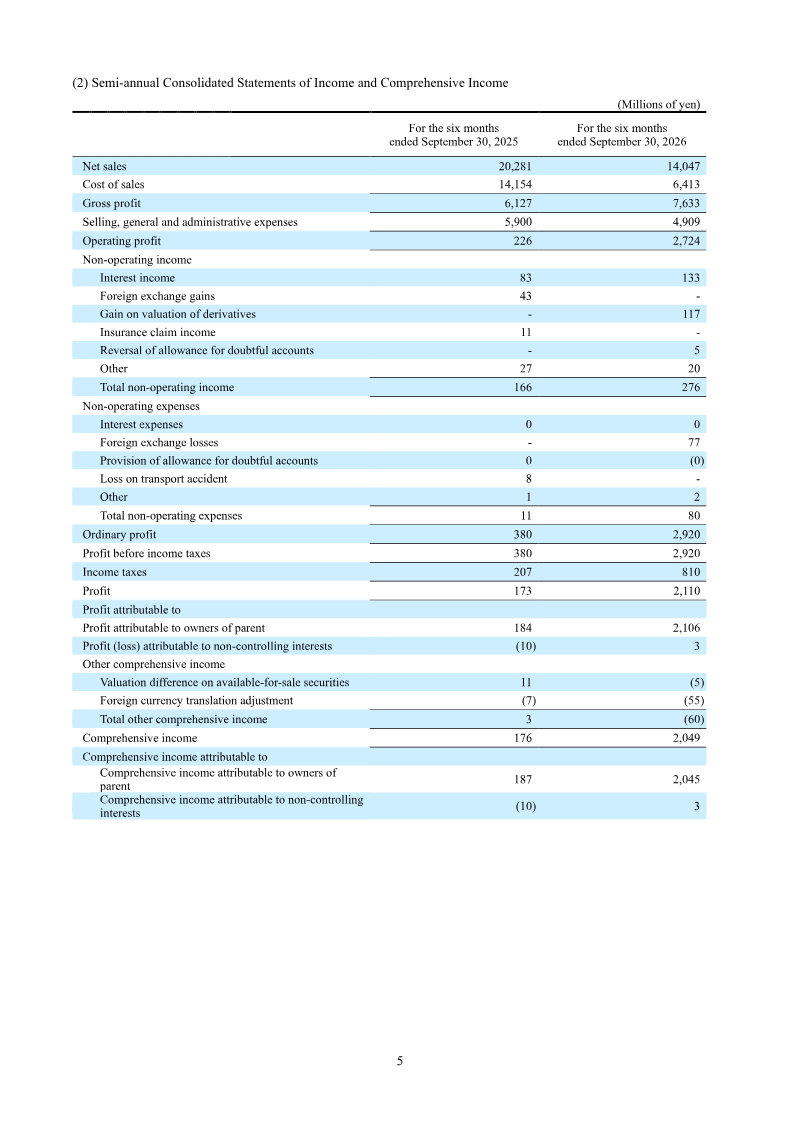
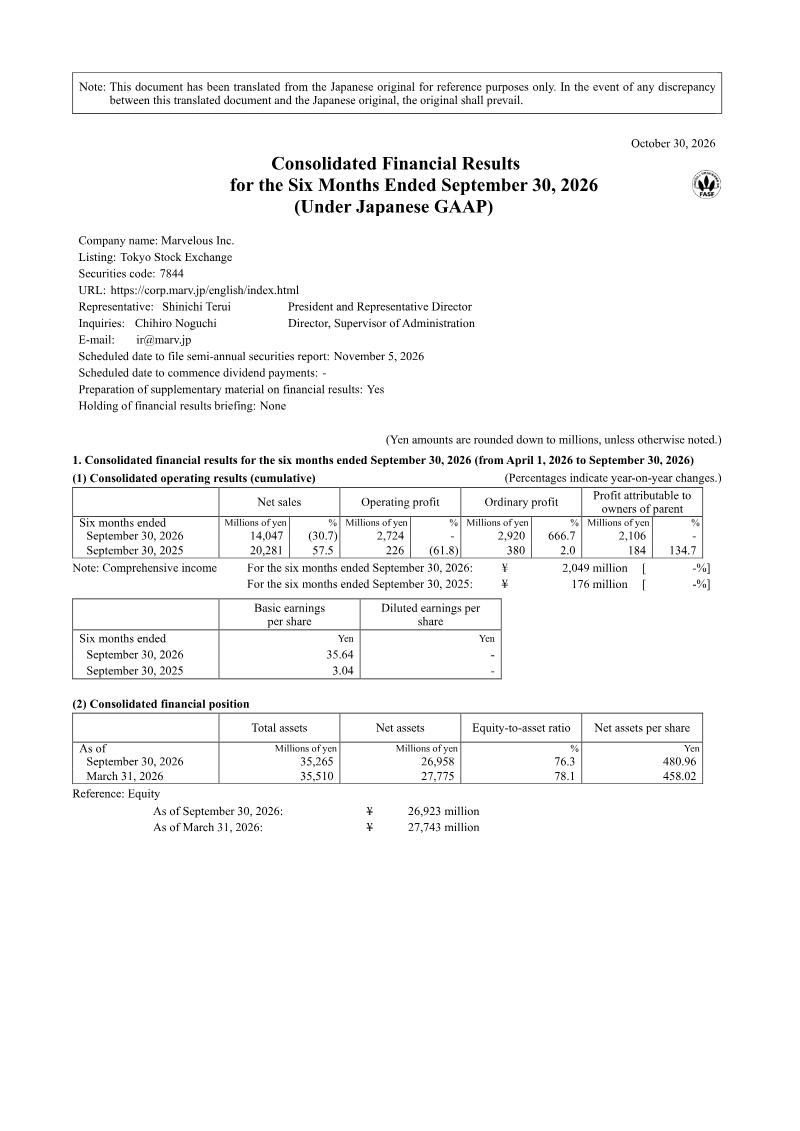
Marvelous · 2026



European Conference on Games Based Learning (ECGBL) · 2026
European Conference on Games Based Learning (ECGBL) · 2026
European Conference on Games Based Learning (ECGBL) · 2026