1 free read left. Create a free account for unlimited reading + AI research.
Create free accountWhitepaper Ludic Language Pedagogy
1 free read left. Create a free account for unlimited reading + AI research.
Create free accountWhitepaperLudic Language Pedagogy
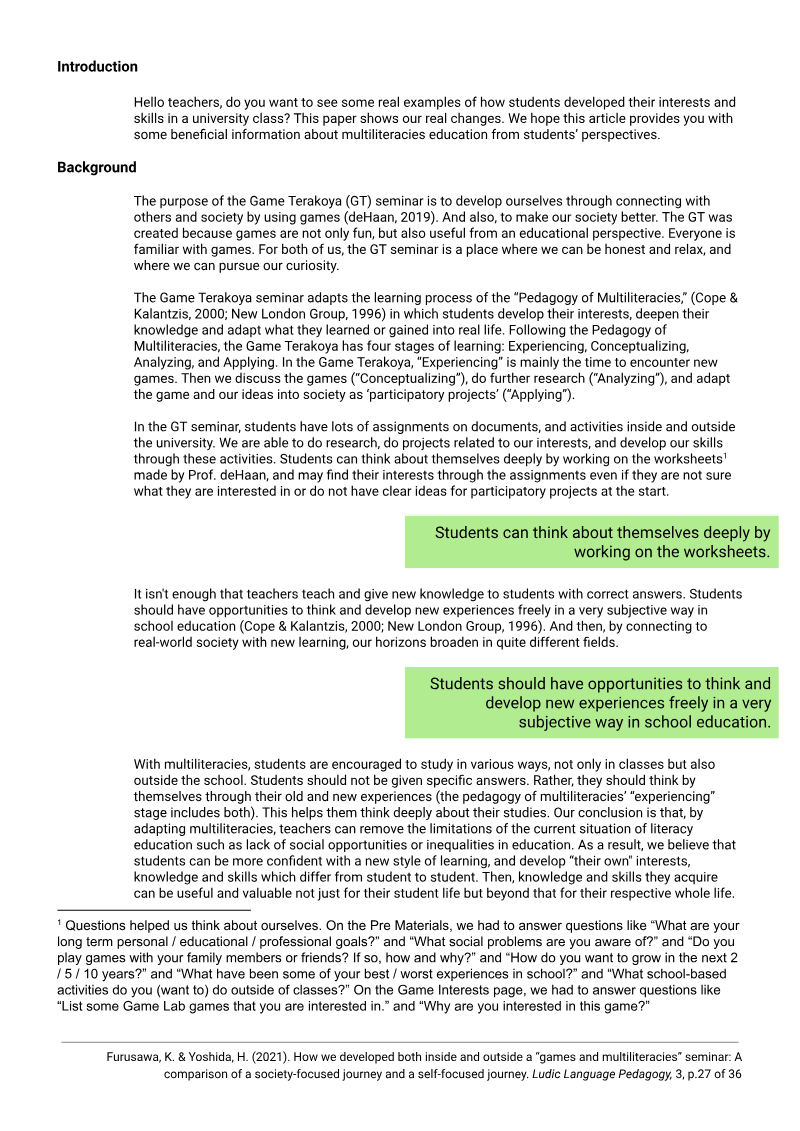
This approach connects academic assignments to students' personal interests and real-world applications.
Key principle. Multiliteracies pedagogy enables students to achieve highly individualized learning outcomes.
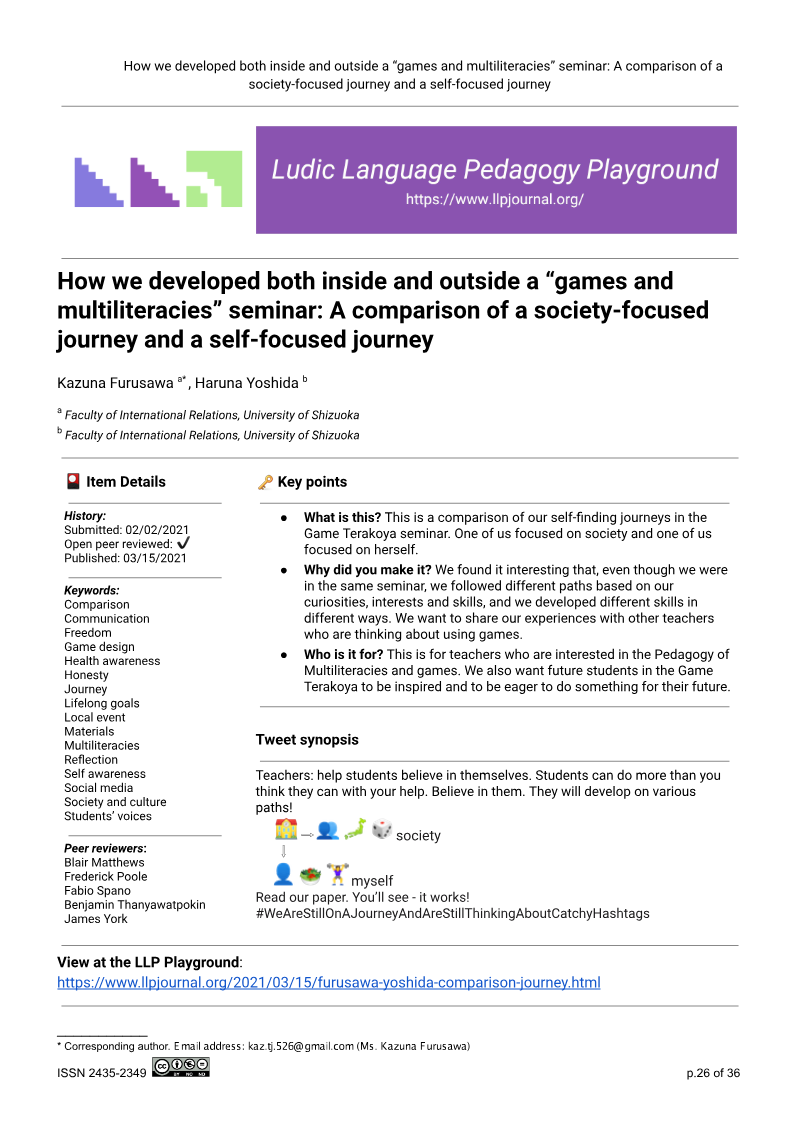
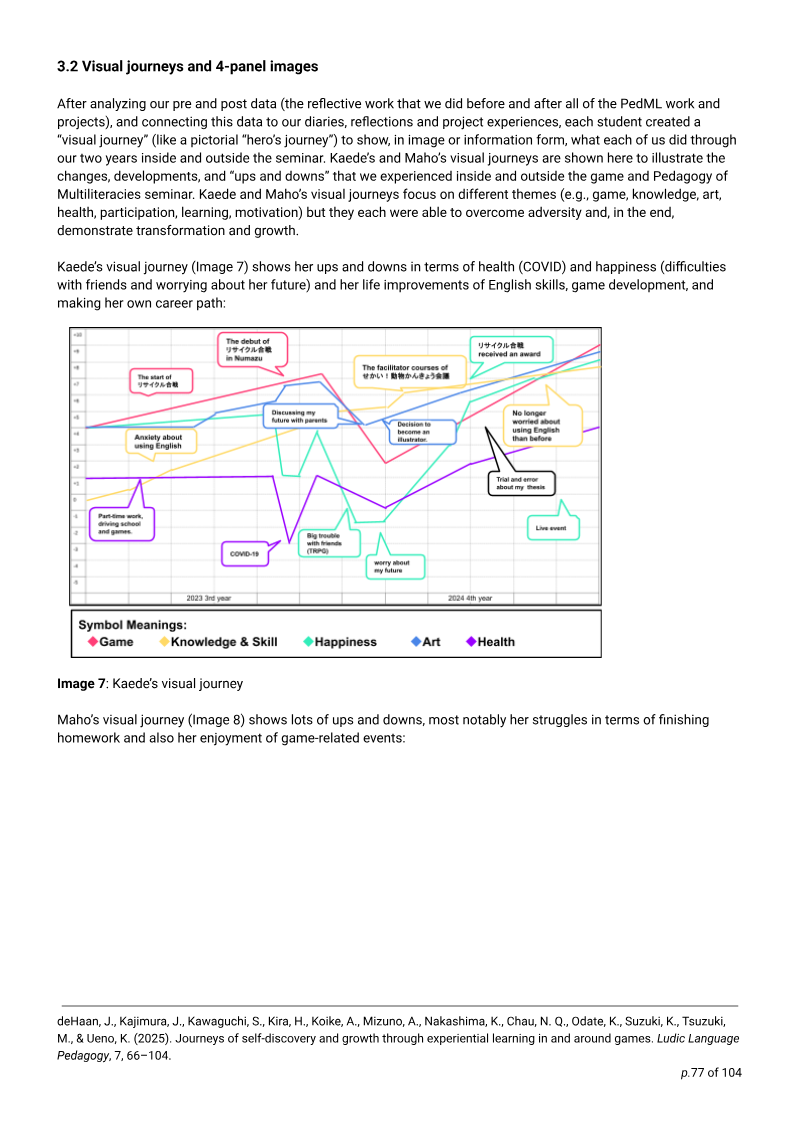
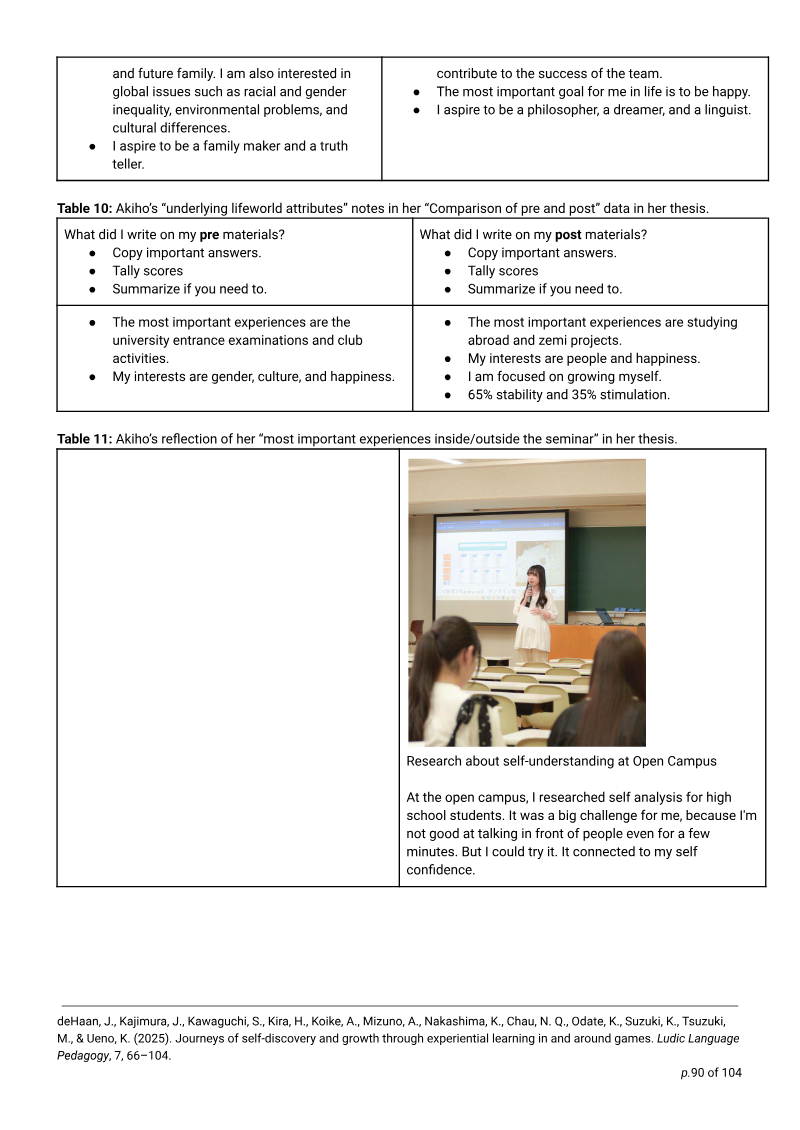
This analysis examines the developmental trajectories of two university students participating in a "Games and Multiliteracies" seminar at the University of Shizuoka. The primary thesis posits that a pedagogy centered on multiliteracies—which emphasizes experiencing, conceptualizing, analyzing, and applying knowledge—allows students to pursue highly individualized learning paths that extend beyond traditional classroom boundaries. By comparing two distinct journeys, the authors demonstrate how the same curriculum can facilitate both society-oriented and self-oriented growth.
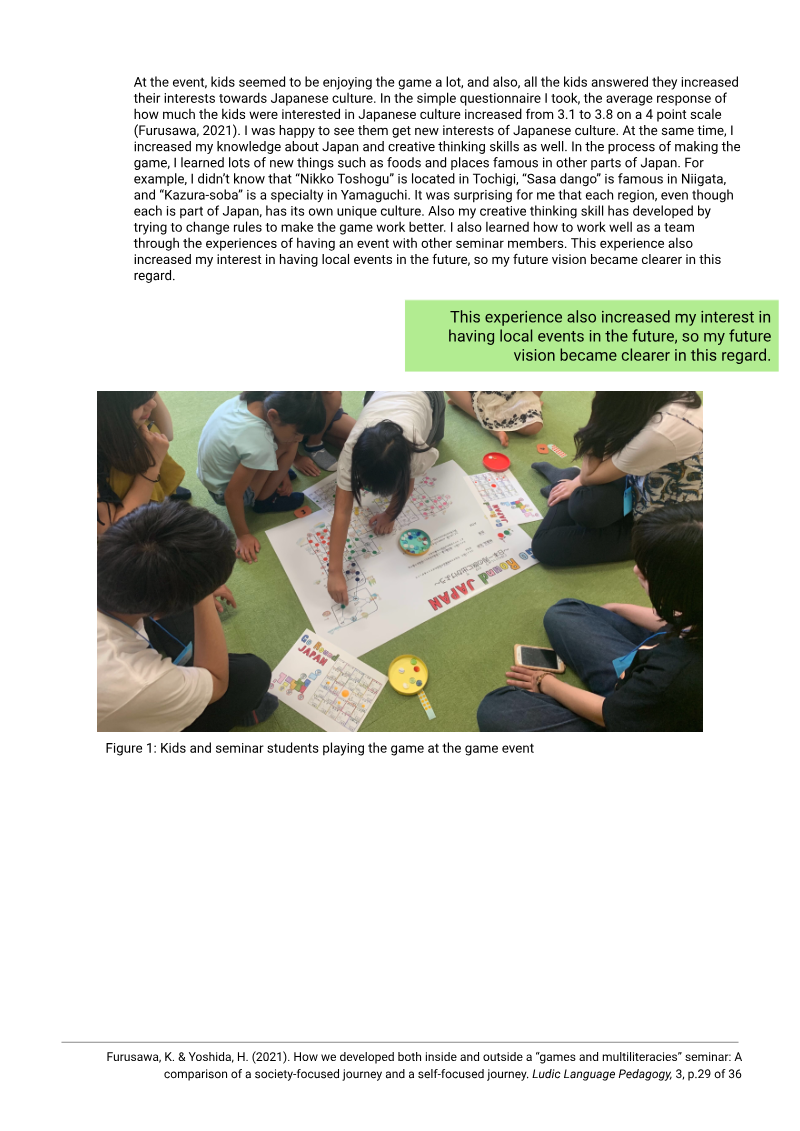
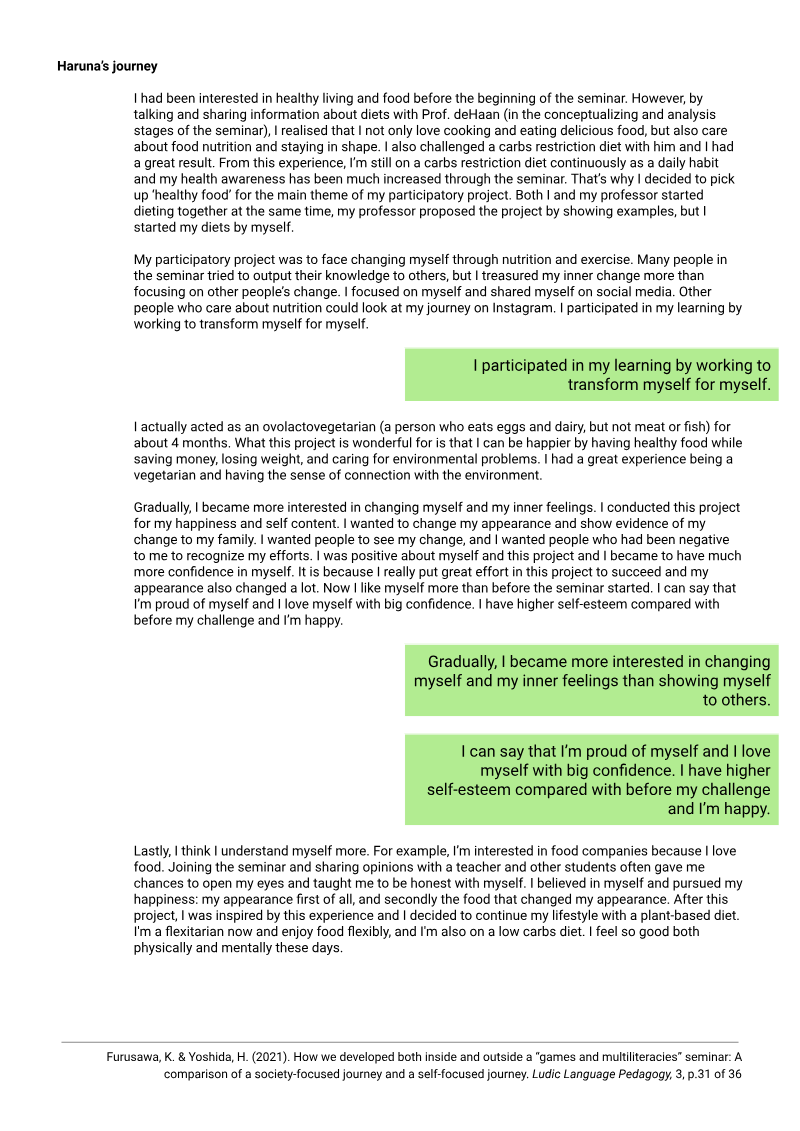
The study utilizes a qualitative, reflective methodology based on the students' personal experiences within the Game Terakoya seminar. One student adopted a society-focused approach, developing an original board game to teach children about Japanese culture and facilitating local events. This path fostered creative thinking, teamwork, and a clearer professional vision regarding community engagement. Conversely, the second student pursued a self-focused journey centered on health, nutrition, and lifestyle transformation. By documenting her progress on social media and committing to a plant-based, low-carbohydrate diet, she achieved significant improvements in self-esteem, physical health, and personal confidence.
The findings suggest that when educators move away from providing standardized answers and instead encourage students to connect academic assignments with personal interests and real-world applications, students develop unique skill sets and lifelong values. The authors conclude that the integration of activities both inside and outside the university is essential for fostering student agency. They advocate for pedagogical practices that prioritize open discussion and self-reflection, arguing that such an approach removes the limitations of traditional literacy education and empowers students to define their own paths toward personal and professional fulfillment.
Ludic Language Pedagogy · 2026
Ludic Language Pedagogy · 2026
Ludic Language Pedagogy · 2026
Ludic Language Pedagogy · 2026
Ludic Language Pedagogy · 2026
Ludic Language Pedagogy · 2026
Ludic Language Pedagogy · 2026
Ludic Language Pedagogy · 2026
Ludic Language Pedagogy · 2026
Ludic Language Pedagogy · 2026
Ludic Language Pedagogy · 2026



Ludic Language Pedagogy · 2026
Ludic Language Pedagogy · 2022