1 free read left. Create a free account for unlimited reading + AI research.
Create free account
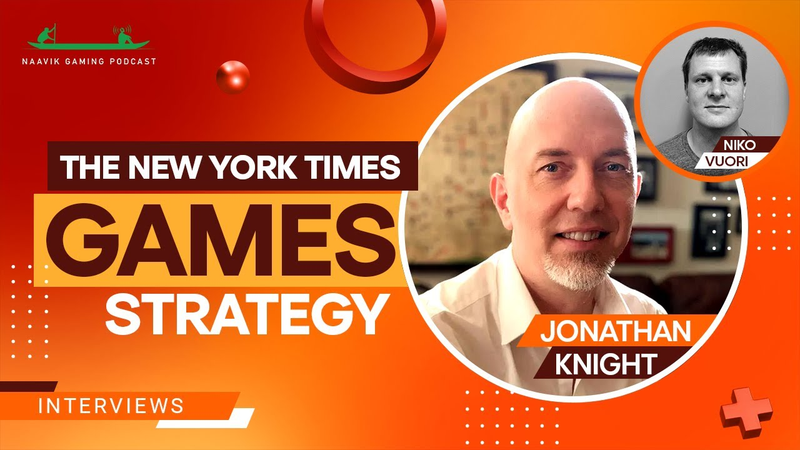
Jonathan Knight: The New York Times Games Strategy
Key insights
6 takeaways- 01The New York Times utilizes its games division as a core pillar of its digital subscription model, aiming to build daily user habits that drive long-term retention.
- 02The games portfolio is curated to function as a necessary diversion from the news cycle, effectively complementing the organization’s mission of independent journalism.
- 03The 2022 acquisition of Wordle serves as a strategic centerpiece, leveraging the game's viral social mechanics and accessible design to bolster the existing portfolio of puzzles.
- 04Strategic partnerships with external entities such as Delta Airlines and Hasbro are being used to expand the brand's reach beyond the core digital platform.
- 05The company maintains a disciplined development philosophy by prioritizing internal prototyping and beta testing to ensure new titles align with its broader subscription bundle strategy.
- 06The division intentionally avoids speculative technologies like Web3 and NFTs, focusing instead on high-quality, human-crafted experiences that reinforce the brand's cultural influence.
Ask AI about this video
Transcript
foreign [Music] gaming podcast where it is our mission to explore the business and future of video games we bring together the industry's brightest Builders investors and thinkers to keep a full sun current events dissect emerging Trends and games share Lessons Learned and have a great time this podcast is also part of novik's growing ecosystem which ranges from free and premium research to Consulting and advisory services for more information visit www.navic.com now let's jump into the episode hello and welcome to the navic gaming podcast I'm your host Nick o'vori today we have a very special episode on the Pod we have a guest who is responsible for probably something on the order of billions of hours of casual gameplay every week and if it's not billions then it's still a very big number nonetheless Our Guest is none other than the head of
games at the New York Times the gray lady of Journalism the Mastery publication that covers everything from U.S politics to international news to Lifestyle stories to real estate to cooking and even Sports via their acquisition of the athletic I'm personally a huge fan of their content and full disclosure I'm a subscriber to the news to the cooking and I regularly read the wire cutter for product reviews which in my opinion is one of the Hidden gems of the New York Times portfolio uh and of course I play games I'm a gamer um I play the crossword I play the mini crossword I play spelling bee and of course I play Wordle just like so many millions of others and onwardl as I'm sure you are listeners eager to know I'm personally on day 383 uh with a 98 win record seven seven losses by my count uh and I have exactly I did the math just before this this pod I have exactly four guesses on average 4.00 literally uh which is you know it could be better
but at the same time I'm not necessarily optimizing for uh win record uh you know I'm trying to have a good time that's what you do with games right um I play hard mode I don't have a set starting word like I do and I like to look around and be inspired by my surroundings for which start word I I choose so I'm sure you all wanted to know that listeners um the reason we have Jonathan Knight Our Guest head of games at New York Times here is because we have a really interesting moment in time for the New York Times uh Wordle in particular is somewhat unique in that it came into the portfolio by acquisition uh which seems a strategy that New York Times has been employing more uh not aggressively but more frequently recently like with the athletic um all the other games as far as I know are homegrown internally developed um and games definitely don't seem like an afterthought for the Times indeed they seem to be becoming an increasingly important piece of the overall strategy uh so to discuss that strategy on the New York Times in general I'm thrilled
to welcome Jonathan Knight a long time gaming industry veteran now head of games at the New York Times and a former colleague of mine from Zynga back in the day so Jonathan thank you so much for being on the pod thanks for having me I'm super happy to be here awesome all right so with that out of the way we're going to dive into today's episode um so Jonathan first question this is super relevant for where we are right now tell us a bit more about your gaming industry career it's long and illustrious you've been around the block so to speak um how did you land at the New York Times uh of all places um not a traditional gaming company not a traditional gaming studio certainly um and uh what are you doing to drive their game strategy forward yeah well I've been a game maker my whole life so um I've worked for you know big traditional video game companies I started out as a producer um a little bit creative leaning I was at Activision like early early days um I moved up to Electronic Arts where I was a producer and then eventually
executive producer uh for what almost a decade um I was really lucky to get onto the Sims franchise right after the first Sims game came out and was part of this amazing team at Max's building the sequel to the most successful PC of game of all time at that time um and you know I really love the internal development process became kind of like like I said more of a creative leading producer building teams Building Products launching operating big games um worked on The Simpsons at ea uh eventually went to Zynga where I spent about five years I was a general manager there as you well know um and did some cool stuff there I got really excited about mobile I ended up running the Words With Friends team at Zynga for a bit when we launched new words with friends I was on the team that brought Farmville to mobile um and after that was at Warner Brothers games where you know I ran the studio there in San Francisco DC Legends and then eventually we built Harry Potter Wizards unite in a joint development
production operation with Niantic Labs makers of Pokemon go so those are some of the things you know just kind of highlights there through a long period of time but yeah basically game maker Studio head general manager I guess it was um just right around the when the pandemic hit right around lockdown I left Warner Brothers and kind of had basically that that initial pandemic period off which was kind of cool um in a way and um you know was spending time with the family you know like ordering groceries online like a lot of us we were doing hikes in the woods and just had a fair amount of time off and um in the fall I guess trying to remember the sequence but I basically got a call from New York Times They were looking for a head of games um I was ready to go back to work and it really worked out well um and was excited about the opportunity loved the brand um love what the company stands for uh like being able to work on games that contribute to the incredible journalism right like the profits from our games go
to um fueling the mission of the company which is to seek the truth and help people understand the worlds right here on my desktop um and you know that independent journalism is is you know so important to like what the companies doing and I just love it it just it brings meaning to the work basically um at the same time on the gaming side of things it was an incredible opportunity to love the games um kind of a open you know kind of a blank canvas in a lot of ways in terms of like what we can do and where we can go in the future games platform and we can talk about that but you know love the products love the opportunity to build something cool and love the company so um yeah I signed on and it's been an awesome couple of years so uh was there a previous head of games before you joined actually this wasn't on my list of questions for you but I'm very curious to hear um is this a recent development recent two years ago but recent development at the Times is now you know really focusing on games and putting this head of games role in there you know with you
of obviously helming it now um or was there a previous head of games or was there was there was there a holistic games function so to speak of course New York Times has had games for decades you know the the crossword of course is is legendary will Schwartz of course legendary crossword designer um but is this a new thing or is this something that pre-existed but it's you know you're now the new head of it yeah no it definitely pre-existed I mean I think me coming on that signaled to shift it was strategic to to bring on someone from the games industry to help take us to the next level in terms of our game strategy so that was definitely an intentional shift but um yeah there was an executive director before me general manager of games as you said the crossword's been around forever started in 1942 in the Sunday paper then moved online crossword app came out 2009 so like our history with the crossword puzzle goes way back and we were early to digital you know early online and basically what happened was
um we launched a subscription business for the crossword alongside the new subscription um a number of years back and started to see people subscribing to the crossword um we've got over 100 sorry over 10 000 puzzles going back through the will shorts era back to 1993 so the the archive is a big part of it we had a mini crossword to go along with it and um you know that those subscriptions just started kind of coming in alongside the new subscriptions and the the crossword business was growing um around four years ago a little over four years ago the team and this predated me by a couple of years built spell and that was based on a great game by the way like just the really really fun like I love that game yeah yeah it's awesome and and you know I think in a lot of ways yeah people should check it out it's a it's a word finding game um it's editorial editorially driven so
we've got an editor for that puzzle who who puts it out every day um and curates the list and everything and chooses the words and you know you can find there's a pan gram you find and there's a bit of a ranking system so it's um you know it's a word puzzle but it's also got a little game around it and it's based on a puzzle from the paper that will shorts brought to the paper um so you know like the crossword had a history in print brought it digital and then what we saw and we put um kind of a pay model on the spelling spelling bee it's like free to play model you can get the first few ranks for free and then for Full Experience you you have to be a subscriber and those subscriptions started kind of stacking on top of the crossword subscriptions and that's when I think the company realized like oh it's not just the crossword we could have a portfolio of games that people are willing to pay for um and much like the thesis of the New York Times is people will pay for Quality journalism you know the thesis became people will pay for like really great handmade human curated uh puzzles for you just solve every day and it's not just crossword it's also spelling
bee and then the team started building a series of games and we had kind of a portfolio and you subscribed to that so that's a little bit of the history that that you know there are eight games that we operate now um we made a couple more tiles letterbox vertex those were all made and and launched before I came in and then there was a bit of a kind of a pause on new games uh as crossword and spelling be were driving most of the growth um and a recognition that like we had this really big opportunity and that's when um David perpich who at the time was head of Standalone products at the New York Times he hired me he was my first boss he was running cooking wire cutter he'd overseen the integration of wire cutter games um and he really just had a big Vision that like we need to invest more in games let's bring in someone from game industry to help us figure out like where to go from here and so that's when I came on board and so it's very much been a continuation some of the team that's been around for for many many years is still there but it's also like
a lot of new folks as well so this brings me to my my next planned question which is you've alluded to this but why is the times focusing so hard on games you know obviously the mission of the New York Times is journalism right is a newspaper right as Shining Light on truth and you know uncovering things and sending reporters and journalists around the globe to to cover the news right um so what role does games play in that uh what is the purpose of the games division as it relates to the overall mission of the New York Times which presumably is still news unless yeah so no I mean look the the I would say the mission of the company seek the truth help people understand the world um remains unchanged our strategy though and this was rolled out by um our CEO a couple of years ago the strategy is to be the essential subscription for English-speaking curious people to engage with and
understand the world uh and we think that news is at the center of that but it really means a collection of products and you know one way to think about this like if you think about the classic Sunday paper right the New York Times Sunday paper that we used to get back in the day um you know it wasn't just the news right it was everything from uh cartoons to like I'm looking up show times to the crossword puzzle um and you know recipes and lifestyle and sports right like all of those things were part of that big Sunday edition and I think in a way like we kind of lost sight of that with the digital news product um it became so important for newspapers to adapt right 10 15 years ago to like transition to a digital age and um and for the New York Times Like We bet big on people will pay for Quality journalism and the new subscription business which is doing very very well
for us but in some ways you sort of lost sight of that original vision of a more complete Sunday paper um that was about your interest and about your lifestyle and about all those other things besides the news and you know the crossword puzzle like like I said since 1942 it the first one ran during World War II right the ultimate tough news cycle and it was a diversion from the news and you know throughout the years you've heard you know I've heard stories like people subscribe to the paper just for the crossword like those people are out there so I think it's not new that this collection of like lifestyle products is part of the the company strategy you know more tactically um games is a Big Driver of subscriptions Standalone games subscriptions people who don't actually take the news they just subscribe to the puzzles um but also what's really cool is we're finding that um people who engage with both news and games in a given week and I should be more specific subscribers who engage with both news and games within a given
week are far more likely to retain than any other combination and more likely than just news only um or games only so we're really seeing that like when people take the the subscription package and we offer an all-access package where you get news games cooking All For One Price um that that engagement with multiple products does drive better long-term retention and so that sort of speaks to why the strategy is what it is um so yeah we play a big big part in that strategy as does cooking so that to me makes total intuitive sense you know at Zynga and I'm sure throughout your career in my career you know we've talked about games as a daily habit you know Mark Pincus you know founder and CEO of original CEO of of Zynga was all about the daily habit right you know like how do we fit into your day make us the best part of your day you know Zynga games are you know the thing that you look forward to and come back to um the wire cutter as much as I love it and I mentioned it's the Hidden Gem it's not something you need every day you
know it's the kind of thing that you need when you're looking to make a purchase and you're like okay which one of these should I choose but that's sporadic at best um the uh cooking yes you could argue and you also alluded to this that kind of goes up the next level which is like okay I'm cooking most days of the week um and so I need I need recipes and I absolutely love I have literally have I should show you this uh it's in my kitchen so I can't but I have a massive binder full of printed recipes from New York Times cooking it has other recipes too but it's mostly New York Times cooking recipes um and I have my favorite chefs and and you know recipes and and collections so that's kind of no too guilty pleasure Nico is it chocolate chip cookies no it's not I'm not a sweet guy I'm more of a Savory guy um but uh yeah so it's it's a lot of the uh I'm a big mediator big carnivore um I know in the Bay Area that's that's a that's a No-No but uh uh a lot of the kind of meat recipes uh instant Pot
recipes coming from the New York Times are really good and then slow cooker recipes those are also my my uh guilty pleasures right on on the on the weekends but um uh the next level up then is really is games right and games as a daily habit is really a big theme um and I'm curious is that the reason you acquired Wordle because Wordle clearly is literally designed to be played one game per day daily appointment I mean that the crossword already was that but Wordle to me seems like almost the extreme versus crossword is not for everyone right crossword it takes time you gotta sit down you got to spend a lot of time on on figuring things out I rarely finish the crossword as much as I love it like it's just too hard for me um as much as I love it I like the challenge when I do finish it I'm extremely excited Wordle is the kind of thing I mentioned my stats at the start and it's not as you know not by accident I'm sharing them because 98 like most people can get
90 completion you know most people will finish it every day and I am extremely curious to hear what was the rationale what was the thought process uh behind the wordal acquisition and how does that fit into your portfolio obviously it fits extremely well clearly cleanly but what was the rationale and how did that acquisition actually go down like how tell us about about the mechanics about it okay right on yeah I know there's like five or six questions in there I know I'm sorry I like to throw them all out there yeah no it's good no Wordle let's talk weirdo um it's you know it's an amazing little puzzle like it's you know I feel really fortunate first of all to have been part of it um internet sensation you just don't they don't come along very often you know one day I was watching CNN and there's Anderson Cooper interviewing Monica Lewinsky about her wordal habit and that's when I knew like oh my God we're involved in something that's just like gone fully mainstream fully viral Global um in 2022 Wordle was the most searched
uh Google term across the entire planet um it was it was crazy um and you know it's just one of those games Lighting in a bottle um however you want to call it like Josh Wardle the creator of the game just knocked out of the park um I think in some ways it was less about um us going like oh Wordle perfect like filling a hole for us in terms of like um a daily habit as you said our games are all actually daily puzzles that's just sort of who we are um and spelling bees once a day crossword once a day you know tiles um for a text letterbox the smaller games um you know have some subtlety around that but like the big ones are definitely like single day puzzles and that's actually one of our like creative pillars is time well spent like we we actually don't want 24 7 engagement out of you like that's not our goal um we want one really great human crafted puzzle and if you choose to do two or three of them or maybe do
spelling B plus Wordle or maybe like you say crosswords not necessarily for everyone but we have a Die Hard group that they're there just for the crossword and they don't care about all these other like um games so it's important to us to have just like we are part of the New York Times um bundle of products within the games product it's important that we have a suite of offerings because different people have different tastes different needs um and so forth so but I think that idea of the the human made puzzle once a day time well spent and then you can put it down and come back tomorrow um is actually really core to who we are um I don't want to speak for Josh Wardle but the other thing to think about and he sort of said this publicly is like he and his partner um big fans of New York Times games he's based in New York's New York engineer they play spelling bee play the mini and and he really wanted to make a game he wasn't a game maker it's his first game basically um and but they were really inspired in a lot of ways by the game The New York Times games they were playing so I think in that way he was thinking about us and it helped sort of like make it such an
obvious fit for for our um portfolio I think you're right though that you know a Sunday crossword can take um can take hours although we have people that you know we've seen our you know our solver Community is pretty intense there's people that will solve really hard crossword puzzles very quickly but um you know that is a different kind of need and in some ways a different segment um Spelling Bee for me really brought in families it's more social it's got a Twitter following kind of like um kids can play it you know it's a kind of a kids and Mom game like moms really like people play their kids play spelling bee because it's kind of good for your brain but it's still a fun game um you know you can you can do it like in a few sessions but you do kind of come back to it like it's it's um you know it's a game that well there's a puzzle that'll stick with you and you put it down you can see if you can find some more words maybe you go look for hints and so it does it is kind of a multi-session game uh and but I think
Wordle you know to your point like just it almost did to spelling be what spelling be had done to the crossword and you know just like even more mainstream even more accessible approachable um you can do it in a few minutes and put it down and you're kind of done like some people do it first thing in the morning and then they're done for the day so I think it kind of carried that Trend um to to the next level and um all obviously as a result really widen the funnel um and just just you know brought in a huge huge audience okay in terms of the acquisition like I can't say too too much about it like I can't reveal too many details but um you know honestly there's not that much to reveal anyway if I'm if I'm being totally honest with you like we uh the New York Times ran a story about Josh Wardle who'd made a game called Wordle and the story ran I think on January 3rd um and you know people had started to play the game it was catching on he uh had made it for his partner as kind of a love
letter they made it together um and uh then he shared with friends and family and then one day he woke up and there's 75 people playing it and the next day you woke up and there's you know 300 000 people playing it it just it went viral it had a very unique kind of sharing mechanic um that helped it really catch on in terms of like social media and you know chat you know private chat threads and so forth It's like that little grid of green and yellow squares um and it just started spreading and so like throughout that December the game had been growing New York Times Reporter kind of got wind of it and this is you know the interview Josh about it and we ran a lovely story um that went around the office I'm I'll be honest with you that's when I first started playing worlds when we did an article about it so that's actually how it came to my attention and um you know immediately everybody thought like this should be a New York Times game and in fact some people thought it was a New York Times game it was just it seemed like such a great fit for us so um on January 5th I had my first phone
call with Josh basically called him up and said would you want to sell the game to us um he was you know he was in the mood to sell he said yes um and you know we kind of did a negotiation and on January 31st announced to the world that we'd acquired Wordle so it was very fast the quickest deal that I've probably ever heard of well that's insane wow I did not know that how quick it happened yeah very very fast um I think he uh again I don't want to speak for him he had a thing he wanted to go do and running Wordle was not the thing that he wanted to do he had no idea it was going to blow up like that um you know he had written a very simple piece of JavaScript code that was no back end um the solutions to the puzzle were just like sitting right there in local storage in your browser um like he was getting thousands tens of thousands of emails like everything was blowing up on Twitter everybody wanted to interview him like and it's just you
know it's not what he wanted he was really looking for a home for the game um he you know he was inclined for for that home to be the New York Times we very much wanted the puzzle we thought it would fit great with our portfolio and I think we wanted to be stewards of the game right and um I like to think that's why he went with us he had other companies interested of course um but you know he kind of liked what we stood for in terms of and I think you know we we sort of didn't want to change the game you know we didn't want to break it we didn't want to like monetize it in a weird way like we wanted to keep it stay true to the game that he made and um so I think that was that was kind of part of why it all worked out um and I'm glad it did but yeah the game was blowing up all throughout that period in January um and just got got really really big and I'm just really glad we got to a great deal and then the hard work began as we you know redirected the traffic to our site um realized you know how basic the game
was and we needed to integrate it into our platform our systems hook it up to a back end allow you to create an account if you want your stats and streaks preserved um and you know kind of the rest is history but yeah that's that's kind of how it went down and um it was exciting no no joke that's that's a crazy story and it's kind of yeah it's actually fairly reminiscent of Words With Friends I know that's a studio you ran but obviously it was founded um you know before and then was acquired by Zynga and it was a very similar I think uh story so I wonder how much of that story of The Words With Friends Story um actually resonated with you when you were looking at Wordle and and and this particular chapter in your career it resonated a lot and people work with me will confirm that I I kind of referenced that a lot um you know like games like this don't come along that often um I was you know I looked under the hood at after my first you know signed an NDA with Josh got a look at
the Google analytics dashboard I could see the retention for myself after the first couple days and and you know based on my experience was just able to sort of say okay that looks good um that's what good retention looks like and so there was a you know it was a concern that a game like that could just pop and then completely drop right like we've seen those before um it was a gamble Draw Something Draw Something anybody uh yeah no I think it is but great game by the way great game and obviously like blew up like nuts but of course uh you know Zynga bought it at its peak I think for 180 million and then literally the next day it started to decline and you know still a great game don't get me wrong um I'm probably a decent acquisition maybe maybe not um but at the same time yeah you're right like these viral Sensations tend not to stick around for very long and that's why it's so fascinating how well Wordle has stuck around and how sticky like I literally like 383 three days
like that's me playing every I I've missed a couple of days so I don't have a 383 streak because I went on vacation and various other bits and pieces but like I have literally played that game every single day and I I know that the the people who play that game do exactly that they play it every single day right and that's where this daily habit piece like it is a daily Habit in a way that very very few things ever become a daily habit right even though we talk about games as a daily habit and so where am I going with this like where I'm going with this is it is just remarkable how well it fits in within your in my opinion with the New York Times strategy and of course you saw that too and which is why you did the deal but that is exactly what the New York Times all about like go to read the news pick your recipe for the for the evening if you're gonna cook that day do the Wordle do the crossword right and it just seems like such a perfect fit and so yeah if there was ever a uh a world in which you're trying to pair a game with another consumer habit I.E
news in this case or cooking this is literally the perfect incarnation of that and I I don't know how well you know kudos to you Jonathan for for getting this deal done and you know finding a home for Wordle um at the times but it just seems such a good fit um and that's what strikes that's why I wanted to talk to you like it just strikes me as some I don't want to over index on Wordle here because obviously we have lots of other things to talk about too um but this is the one thing that that strikes me as just really remarkable how well it fits in with the portfolio and the approach well yeah one thing one more thing I'll say about Wordle which I think you know may be obvious but it certainly for me is a big part of why it's so successful and why it has remained and we're really happy with the continued level of Engagement with the game um we haven't disclosed any like numbers we did say tens of millions of people came into the New York Times with Wordle and you know we're continuing to see like it's come down a little off it's it's uh viral Heights as anything would but um we're actually pretty happy
with um where we are right now and I think um a big part of it is because it's a social game you know you mentioned Words with Friends and it's not an obvious social game in the way that Words With Friends was right like that's literally a multiplayer game and um its virality was a lot around like invites and then getting into game and then the push notification hey it's your turn and then you take your turn and you push back the other person and now you've got a real person waiting for you to take your turn and and that's how that that game works and a lot of other games have been built around that like asynchronous multiplayer mechanic right um Wordle is ostensibly like this single player puzzle in the way that the crossword is um I think as I mentioned with spelling bee what we saw is that you know sort of a community grew up around it on on Twitter it's like the hive mind and um you know we have a spelling before gets a thousand comments a day like there's hints and uh and there's a cool grid you can go to for tips and stuff so that you know there was Community around that right
with Wordle um what happened was there's no actual multiplayer mechanic in the game but the sharing out of your solution for the day it's so ingenious it's a little story right about how you solve the puzzle that day that that is kind of ugc right it's very it's it's different it's almost like very very rare when you see the same grid from two from two of your friends on the same day right it does happen but like almost always there's a little unique story um and I think that's why the puzzle is really Successful by the way is because of all the permutations you start with the word and then you go the next word these letters were the right ones wrong plays these are right letter right plays at least like and so there's there's just sort of endless permutations right of where it goes and then you Whittle it down and you eventually solve the puzzle and that in turn generates these like very very unique moments of ugc every single day and you share those out and it's like I solved it you know I did it in three I didn't four didn't five
here's how I did it but it doesn't give away the answer right it doesn't spoil it either so that balance of like sharing but not spoiling I mean it's so clever and what happened was people basically I we didn't have to create a multiplayer feature for the game which is expensive right because WhatsApp is doing that for me right I'm on a thread you know it's titled World winners there's a dozen of us on that thread it's like friends and family and we use that channel to basically do push notifications right and remind each other every day to play the game and we're seeing like really from in my experience and you know we worked on all the social games like I'm Blown Away by the percentage of share you remember at Zynga we were always optimizing for you know sins percenter and percent sending the percent sending um I mean sends presenters once per day because it's Wordle and that's it but the percent sending is so high never see
anything that high and it has just stayed that High um the entire lifetime of the product so far so I think that's really the core of why and you know and Mark Pinkus would be so happy to hear me say that you know it's social wins social wins I'm sure he's alive by the way I'm sure he's a listener but yeah no that's it I just think social wins uh Every Time games have always been social they always will be and and uh it just shows up in different ways for different games and that's how it manifests for for Wordle yeah uh just a a pet peeve of mine is uh the ones that I've lost are always the ones where you're you're hen pecking the last letter so there's like you've got four of the five and this one letter missing and you've got it probably in three you know that's typically my my story like I've got it in three or three or four and then there's one letter missing but it could be one of like six different letters or five different letters and so you just guess at it um and then you know that's when you fail uh so anyway uh I I don't know how to solve for that I'm not pretending to be a word game designer but I'm just
telling you my my personal experience my personal pet peeve those are the seven or eight games that I've lost are all fall into that category where it's like uh essentially you've got the word in three or four but then there's that one letter that's missing uh and it could be yeah you're not alone in that it it it it basically like all games are some combination of uh you know luck skill power if it's a power based game um and I think on those days luck plays a bigger role than we want it to in Wordle right and so that's where people end up getting a little bit fresh and by the way it's totally okay because those are the ones that I actually share so I don't share the ones that I get I share the ones that I don't get um so those just you know we see that in the data by the way and um it's super interesting because you know initially when we had days like that and a lot of streaks broken and a lot of anger on Twitter right you thought oh man this is going to be bad for uh you know it might be bad for engagement and you know next day we kind
of look at the the numbers percentage of people sharing their score absolutely unchanged engagement the next day you know return rate absolutely unchanged it's something amazing about that puzzle that even in those kind of like yeah uh moments of Rage when you're super mad you still share and you still come back the next day yeah no and that's totally my experience all right I have one final question on Wordle and then we're going to move on to some other things here um so uh we know the back story or we we think we know the backstory at least as it's been told which is you know it's essentially a love letter to Josh's um partner um and then she was actually the original Creator uh of the list of five letter words that are acceptable in the game uh and she apparently called it down I got this from Wikipedia so you tell me if I'm wrong or not um but uh she apparently called down a list of 12 000 five letter words from the English language to about 2500 and those are the ones that are acceptable in the game and I'm presuming it's
because they're you know weird words that you know shouldn't be used and like nobody would be like what is this like this is not a word right so I get it but 2500 is actually not a big number again I mentioned I'm in 383. um and I I didn't get to the game as early as you know the very beginning um what happens when we run out of words what is the world team gonna do uh to make sure that this it's a fresh list I'm presuming every word is is new there are no repeats so far at least uh yeah you're nodding your head so I take that as a yes um but we're about a third of the way through and this this game shows no signs of stopping certainly for not for me I'm gonna keep going but what happens when we run out of 2500 words um where do we go from there um yeah I have no idea we gotta figure that out you have to figure that out um I you know we what I will say is that um it's first things first like for us
it was kind of a journey in getting the game integrated with our platform and our backend as I mentioned um we didn't even have control over the solutions list uh for quite a long time and uh longer than I would have liked um but we do now have that in place and um you know we now publish out the solution every day the way that we publish out the crossword the way we publish out the spelling bee puzzle um so it's in our it's a tool it's integrated with our other like publishing tools and Publishing pipeline um and we now have an editor assigned to the game her name is Tracy Bennett um she's been in the crossword world for a long time um she's one of our crossword editors she's on our editorial team um and she looks after wordles so there is a person and it was Josh's partner in a way it was the original as you pointed out the original editor of Wordle and Tracy is now the um the New York Times editor of Wordle and so she she looks after what that word is every day and you're right like when we have some standards around that
and um and you know it's you know it's it seems like a simple thing pick the word of the day that was actually a really funny um video that went around last year um kind of making fun of I don't know did you see that it's like a spoof on um the guy in at least a little bit like me in a way I think they're kind of making fun of me as the head of games New York Times and it's a whole satire about a team that has to pick the word of the day and and the main guy is like super mad when like his team brings a bad word and you know go back and find a better word it's really funny if you haven't seen it um so she looks after it and I think yes we will need to figure out what happens when we when we run out but the um you know the story there really quickly was just like Josh didn't expect the game to blow up all the answers were just plugged into your local browser um people could crack it open look at what the answers were going to be and we did find the need to change what the word was going to be um at one point last year but we couldn't guarantee everybody got it
because if you hadn't like refreshed your browser and gotten the new code or if you'd like bookmarked it onto your Apple home screen in a way that at the right time like you might actually get a different word than everybody else who got like the updated so we were bifurcating the solutions um because the tech wasn't ready and that was really problematic so we basically took the time to get that right and as of what a few months ago we now like finally control the list and um we want the words to be simple words that everybody knows occasionally they can be a little tricky we think that's kind of fun obviously we're curating to make sure there's nothing offensive or particularly like newsworthy we don't want Wordle to be controversial we want it to be just a fun sort of diversion from the news so there's a little bit of thought that goes into all of that um and yeah the next Hill to take will be do we Circle back and repeat words will you have forgotten three years from now or will you be like oh no you know like they can't do ocean again they already did that so
um we'll have to work through all that yeah fair enough um okay so let's move on from Wordle uh obviously Wordle is a is a worthy topic of conversation and I'm glad we we got to to hear a little bit of the origin story and you know where it's going and where it's been um but let's talk more about New York Times games in general and uh one of the things that I'm very interested by is that you've had a couple of uh recent announcements in the in the past few months uh you announced a partnership with Delta Airlines uh where where it's Wordle again but Wordle will be available on planes um you also did a deal with Hasbro as uh as I understand it to take Wordle into a physical board game format um are these types of brand extension and maybe there might be others that I'm I'm missing here please fill us in if there are um but my question really is are these types of brand extensions new platforms Partnerships is that something you're looking to do more of uh is it just
Wordle which of course is a phenomenon on right like it is truly an internet sensation or are your other games also going to be available in more places first of all the Delta Deal World does get a lot of the headlines um but the Delta deal that we announced is for um is for like this New York Times games product more broadly so you know we're excited about that deal Delta is going to be offering free Wi-Fi this year as they announced and we were part of that announcement along with a few other big Partners like Paramount plus and so you'll you know basically log on when you're on the plane uh using your device not the in you know not the in-seat device but your device um and get onto the free Wi-Fi and you'll have a portal there and New York Times games will be will be front and center and basically you're getting free access to our games so the full version of Spelling Bee for example as opposed to the the you know the one that's gated um and of course our free games like Wordle crossword mini will will continue
to be free um for you on the plane so it is kind of the New York Times games product as a whole not just Wordle for for the Delta deal the Hasbro one made a lot of sense for us they came to us they were really excited about a board game version of world for the holidays um they obviously are kind of a world-class partner when it comes to board game design and um our thing there was like let them do what they do best we were involved in it and making sure it was on brand and and all of those things that there was good like cross-promotional opportunities or QR codes you know in the Box um that kind of thing I think like look yeah we're open to those in the future I mean those are I would say big important Partners who are um are great Brands and do a really high quality job and you know are kind of experts in their domains um and you know we want to see New York Times games played by more people like if if I can reach new audiences um captive audiences like folks on a
plane um you know and we can do that with like really high quality Partners we're absolutely open to that um you know our my vision for New York Times games is to be the premier subscription destination for digital puzzles and you know chasing that Vision means we need to reach new audiences in new places and and that's what those deals are about and this is a very natural segue to another question I want to ask which is you obviously have and by you I mean New York Times in general games yes but New York Times in general has a very very big cultural imprint obviously the New York Times has been around forever and it's the premiere newspaper yeah uh for most most people many people uh in the United States and and globally um and I I'm just curious like how big is the games team um at the times you know again the crossword you know will shorts legendary you know it's been around since 1942 as you mentioned um literally second world war like we're talking a very very long time and
literally as you said uh the worst news cycle ever um and that comes out uh and of course now you have a portfolio of eight games uh of which I think uh the the crossword the mini um Wordle of course and spelling bee are probably the biggest and then the other four are you know probably a little bit smaller but nevertheless a huge cultural imprint a huge cultural impact um and something that everybody knows like everybody knows New York Times crossword everybody knows Wordle um you know where is the team going how big is a team where are you going uh what's the portfolio look like you mentioned earlier in this in this podcast that um you know you had launched all these new titles and then you kind of slowed down a little bit because they didn't have perhaps the impact or the the adoption that you'd hoped for um where does the times team the games team go from here at the Times um and and how do you grow Beyond something like a Wordle of course which was a you know flash in the pan once in
a lifetime you know once in a billion opportunity to acquire just this incredible uh property yeah again a few questions in there but I'll talk about team to the best of my ability first and we can talk about like new games um we don't really divulge team size numbers but I I'll start with the editorial team because that stuff's public so um you know you're right like the crossword always had a single editor the first one was Margaret ferrara's female editor coming out of the World War II era and I think she was editor for quite some time uh we'll there was a couple of others and then will shorts took over in 1993. um you know just so you know like will doesn't just make the crossword every day and it is a big operation we have an incredible community of Constructors and we basically take submissions from all over the country um we get hundreds of submissions a month and then um we have an editorial team that like curates those and works with the Constructor to kind of give them the New York Times um Flair and polish and that Community
uh you know is really excited about being published with the New York Times we also some of our editors do construct puzzles as well and and those get published um we're diversifying that Community um every year and we've made great strides in bringing in new Constructors debut Constructors uh more female Constructors than ever before we've got got Constructors from underrepresented groups were really kind of modernizing um in a lot of ways like the crossword puzzle and and making sure that the clues are staying relevant that they're inclusive that they're broadly representative um we have an editorial director who kind of drives the vision for for that so you've got will you've got um when I when I took the job it was Joel and Sam who had kind of come up with Will Joel foggiano who also makes the Mini every day and samazersky is a big part of the crossword editorial team and um an incredible Constructor himself and he looks after spelling bee every day
and so that was sort of the editorial operation and and um when I was brought on we had just hired uh winnelu and Tracy Bennett and so that took the editorial team to five and we've just brought on Christina Iverson's which takes it to six and so there's like six editors who look after largely the crossword pipeline um you know some do some constructing the other games and then a seventh Everdeen Mason who's the editorial director and she's kind of the the leader of of the group um and and so that's like the team but then we have a big cross-functional like digital product development team um that you know builds and operates and grows our product right so you can play our games on the New York Times app you can play them on New York times.com on website or mobile web and you can play them on our dedicated uh crossword app which is separate from the New York Times uh news app and that crossword app is being rebranded to New York Times game and is inclusive of obviously more
games at this point than crossword you can play spelling bee Wordle and literally just today we launched a Sudoku puzzle in our app um and that ramp to 100 today so excited about that so to play all of our games across all those different surfaces requires a big um digital product team and we also have it unified backend and we're storing stats and streaks and there's a lot more we want to do with that kind of stuff going forward so um Engineers front-end Engineers web native API Engineers we've got product management team obviously an incredible product design team um and we have producers and program managers who are sort of the glue bring it all together data analysts we have a research lead who's amazing so without disclosing any numbers like get a sense there for like it's a good size team and I think we're unique among our peers like you you know we have invested in a real games platform a real games team we're continuing to grow um I think the team has doubled in size
in the last two years since I've been here and we have continued open positions to fill um so yeah that's anyway that's a little bit about the team um you know in terms of like new games pipeline it's true that we had um kind of paused a bit right before I was hired um not necessarily because those games weren't doing well like tiles you'd be amazed at the you know at the traffic numbers on tiles like a lot of people play tiles every single day um you know letterbox is smaller but it's got a you know dedicated following so those games are popular I think and you well know this and and your listeners probably know anyone sort of works in games like it is expensive to launch and maintain a game um there are only so many hours in the day that your players have um and there's only so many resources you know that you have as a studio and whenever you launch something you know supercell is like the classic you know most extreme version of this right they'd have a game that for any other
Studio would be a Smash Hit and they go nope we're not going to launch that because once we do like that is going to suck up a lot of our retirement resources and we only want to support like the very biggest and best games and so I think that for us is a little bit you know the strategy like we would love to have more puzzles added to the portfolio but we're going to have a pretty high bar for that we've got an internal prototyping team um which I'm excited about we have some cool stuff that we're going to be testing with real consumers this year so we're going to have um uh this kind of breaking news I guess but not that not that big a news but we'll have two pretty confident we'll have two puzzles that will bet a test with real um consumers this year and if they take off like maybe we'll end up supporting them if not we'll just Sunset them and try more things but you know Wordle was our big new game for last year and if we have a Wordle like I don't need another new game for a little while um but we're always going to be working on new ideas kind of in the background yeah no yeah love that and that makes
total sense I mean there's only so many hours in the day and you know some of the you know I'm sure the times once people are reading the news and doing the cooking and reading product reviews on Wirecutter and then playing the games and then and that's it you're going to bed and sleeping and then waking up and doing it all over again so yeah no I totally get it like there's only so many um hours in the day that can be consumed by content which could be you know news content or or cooking content or games content okay um we are uh nearing the end of our episode here um but I do want to ask you a couple of questions so um uh our listeners know that I uh generally speaking host the web 3 gaming segment this obviously is not that that's okay this is a very exciting and interesting segment and I'm thrilled to catch up with Jonathan and talk about this um but I do want to ask you uh does the New York Times have a view on web 3 and or nfts um if not I already know the answer to this but Jonathan you're going to give
it to us straight from the horse's mouth if not why not there's been a lot of a lot of Legacy companies have adopted you know nfts and web3 this CNN did their big collection of of moments in history uh I'm an owner of quite a few of those um I'm very curious like if if anybody was going to embrace web3 and nfts and blockchain Technology I feel like the New York Times has an incredible portfolio of content that could be really interesting not just games uh you know but but moments in history um and that the New York Times has covered and I'm just curious uh what are you doing internally both in gaming gaming or the the other parts of the company I have a super exciting answer for you this on this one um like I don't have anything to say about like our company point of view on on that like there have been internal discussions I've been involved in it like we've looked at it I think ultimately we just have a really like exciting strategy with our digital subscription business
um we're very focused on the all-access bundle um and explaining to people why you know they should take the bundle um and be introduced to more of our products and and just driving that like be that essential subscription for Curious people looking to understand and engage with the world um having Best in Class products in their own categories whether that's games or product recommendations or cooking as you've said but also the role they play in the overall bundle um that's just so much work and we're just so focused on that the tech of it all like obviously the editorial The Newsroom um and you know the business side of of kind of driving that subscription optimizing you know that funnel um having the right kind of messaging for consumers um doing that across all of our different platforms like it's just a lot of work and I think you know the reality is that's where we're focused um we've had to you know say notice and things that were in the pipeline um new products we've had to prioritize like a lot of companies just make tough
decisions and I think it the simple answer is just focus um it's just not a focus for us um you know I think we write about it quite a bit and and I'm not the guy to interview about that but the you know I think our our Tech reporters are you know some of the best in the world and and they're up to speed on everything going on there but um not a focus for us in terms of productizing fair enough and then you as a long time lifelong you know gamer and game developer game executive um do you have a view on web3 gaming for for our audience I'm curious to hear what your thoughts are and and where you think the industry is headed crystal ball I think um you know I'm a little bit I'm a little bit skeptic of things like you know the metaverse I'm I'm like I'm a little bit skeptic that we can you know manufacture sort of this I think there's like a sometimes a tendency to look back and go like well that was web one you know and that was web two and you know in hindsight it
seems like it all was kind of planned out so surely we can manufacture web 3 um but I think it it tends not to work that way I think you you wake up and you look back and you'd be like oh that felt a lot like web2 but at the time you know when whatever Facebook was blowing up and Amazon was blowing up um were we all kind of there going like this is web two it's happening as we all predicted it would it's a little bit in in retrospect I think um and I think like kids these days are growing up already in a kind of metaverse it's it's um fortnite Roblox as Creator communities like brands are now kind of like you know all jammed into games in a way it's it's about social like Hangouts you know go and see concerts you can do whatever like that stuff's all happening and um I don't think we're gonna need like this big moment where we all put on headsets to be in the metaverse I think it's a gradual progression of it um you know do I think blockchain technology is awesome I do you know I'm
I've like I own some digital currency like I'm a Believer in um you know I'm a Believer in the idea of the digital Ledger and the decentralization of that and and sort of what that brings to digital ownership and I've dabbled in it myself over the years and and I'm kind of hoping that that some of that really catches on with people but there's you know there's just a lot of friction to a lot of that I mean I think what we saw with web 2 was just like oh man here's my iPhone and here's like a stream of content and um you know social media was just like dead simple and accessible to the world instantly and you know we're not really seeing the that kind of like instant accessibility and instant adoption um with some of this stuff so look it's anybody's guess is it because oh it's just early and that's a simple problem we'll make it frictionless one day and and it'll be great or is the fact that it's not really catching on even in its primitive stage it's sort of a sign that it's not ever going to like that's a debate I come down a little bit on the latter not the former but we'll
see all right well I appreciate the insights um and I think we're right about at the end of our time here so um Jonathan I just want to say a huge thank you for coming on the Pod today uh love the insights got a lot of we got some breaking news here with the two new products coming out this next year and I'm genuinely they're just tests okay babe beta tests sorry yes beta tests uh and I'm generally looking forward to seeing what the times does with games and their other content going forward as I mentioned at the very top of the uh the episode I'm a big fan of of the times a big subscriber to pretty much all of your content um and uh excited to see where you you take things Jonathan Nico thanks so much it's so great to catch up with you and I really appreciate the invite yeah and I also want to say a big thank you as always to our listeners we'll be back uh next week with more interviews more insights more analysis uh from the weird and wonderful world of not just web 3 but gaming more broadly so until next time friends stay
crypto curious and feel free to send questions guest recommendations and comments to me my email is Nico navic dot Co and you can find me on Twitter at nicothefin DMS are always open thank you if you enjoyed today's episode whether on YouTube or your favorite podcast app make sure to like subscribe comment or give a five star review and if you want to reach out or provide feedback shoot us a note at podcast navic dot Co or find us on Twitter and Linkedin plus if you want to learn more about what novik has to offer make sure to check out our website www.navik.com there you can sign up for the number one games industry newsletter navic digest level up your insights with our premium research platform navic Pro or contact us to learn about our wide-ranging Consulting and advisory Services again that is www.navik.com thanks for listening and we'll catch you in the next episode
Summary
The New York Times has strategically positioned its games division as a cornerstone of its digital subscription model, aiming to replicate the comprehensive experience of a traditional Sunday newspaper. By curating a portfolio of high-quality, human-crafted puzzles, the organization seeks to provide readers with a necessary diversion from the news cycle, ultimately fostering daily habits that drive long-term retention. This strategy treats games not merely as entertainment, but as an essential lifestyle product that complements the company’s core mission of independent journalism.
The acquisition of Wordle in 2022 serves as a primary example of this engagement-focused approach. The game’s viral success and accessible, time-efficient design aligned perfectly with the existing suite of puzzles, such as the crossword and Spelling Bee. Wordle’s unique social mechanic—where players share their non-spoiling solving journeys—has proven highly effective at maintaining organic growth and user retention. By leveraging these social dynamics and maintaining a rigorous editorial standard, the company has successfully transformed its games into a premier digital destination.
To sustain this momentum, the organization is actively expanding its brand through strategic partnerships with entities like Delta Airlines and Hasbro. While the division continues to grow its editorial and product teams to support new titles like Sudoku, it maintains a disciplined development philosophy. By prioritizing internal prototyping and beta testing, the company ensures that all new offerings align with its subscription bundle strategy. Furthermore, the division has consciously avoided speculative trends like Web3 and NFTs, opting instead to focus on proven, accessible user experiences that reinforce the brand’s cultural influence and commitment to high-quality, sustainable engagement.














Comments