1 free read left. Create a free account for unlimited reading + AI research.
Create free account
IDFA Loss: Real Data & Real Talk

Key insights
7 takeaways- 01The deprecation of IDFA has caused a 15% to 20% decline in revenue across mobile gaming portfolios due to the collapse of granular tracking and lookalike audiences.
- 02Niche, whale-dependent genres like social casino and strategy games have experienced the most significant disruptions, whereas broad-market titles remain more resilient.
- 03Market efficiency has decreased as the loss of deterministic tracking leads to higher costs per mille and lower install quality.
- 04Developers are increasingly diversifying ad spend toward SDK networks and investing in proprietary attribution frameworks to identify high-value users.
- 05Mobile marketers are shifting from deterministic tracking to predictive modeling, creative-led strategies, and contextual advertising to compensate for the loss of traditional targeting levers.
- 06Future growth is now driven by creative performance and persona-led acquisition, requiring closer integration between marketing data and product onboarding.
- 07Large companies with extensive first-party data reservoirs are better positioned for the current landscape, while small-to-medium businesses face increased hurdles due to limited measurement capabilities and cash flow.
Ask AI about this video
Transcript
hello everyone and welcome to ua coffee talk today we'll be talking about real world data and implications of idfa deprecation now there has been a lot of and if i'm being really honest kind of bad information being published on this topic so today we have with us three real world practitioners and some real data points about what's actually happening and more specifically the discussion today will focus on first real world data and impact of idfa deprecation second specific changes to how we do ua and marketing based on the effects of idfa deprecation third implications to product and monetization design and finally who are likely winners and losers from these changes and with us today we have first brian bowman ceo of consumer acquisition consumer acquisition has managed over 3 billion in creative and social ad spend from the world's largest mobile apps and
performance advertisers they see about 150 million dollars a month if i'm correct brian running through their address platform and work for companies like disney superhuman rovio roblox glue mobile jam city many others i believe you guys have done some stuff with applovin as well uh second mate lonzerik independent ua and marketing consultant mate is a user acquisition expert with eight plus years of experience specifically in gaming he's also globally launched 28 games and oversaw over 20 million dollars in profitable spend across different genres of games and finally we have warren woodward co-founder and chief growth officer at uptick and warren formally led multiple gaming ua divisions including for companies like nexon and wargaming his company uptech offers a full stack growth marketing services and marketing automation tools platform that powers multi-million dollar growth portfolios for companies including candy writer gsn
experian and mino games so welcome guys and i am so glad to have real world experts guys who are running stuff in actual practice with us today and so i thought we could go ahead and start with the first question which is really around what does the data tell us about the real world impact of idfa deprecation and how does that fit against sort of theoretical implica implications and i know brian you have published a blog post showing some game publish we're down by let's say 15 or so to game revenue but do you have any updates in terms of real world data what are you seeing right now yeah hey uh good to talk to you today you know there's a bit of what we have and then there's a bit of what's going on at the public company so i think both of those are interesting data points the kind of sledgehammer which is we're seeing revenue down
for ios about 15 to 20 across the portfolio companies that we're touching so it's a pretty significant impact but when you peel that a little bit you realize there's a nuance to the way that that actually is rolling out where there are different impacts for subgenres those games specifically are apps that target narrow audiences they're hunting whales or those that are really looking for in-app ads that's the way they monetize those are the most impacted and one of the things i found fascinating from the series of companies that have reported earnings most recently is they're kind of distilling the impact into two things one the uncertainty around covet 19 and the fact that people are going back to work you know things are getting back to normal is a way of saying that year over year traffic is declining two they layer on top of that apple's idfa changes and the potential for continued wide range of outcomes both positive and
negative so it's it's really fascinating when you kind of peel through some of these earning reports like ironsource says and i agree with this the industry thought that there would be impacts in q1 didn't happen then q2 it really kind of happened but a little bit only at the end and they're continuing to monitor for short term effects and adam who's the ceo of app11 said they see about 80 of ios devices are now updated to 14.5 or later the consent rates are different obviously app by app somewhere between 25 20 to 25 on the low end 60 to 65 on the high end which means about 35 to 40 percent of people are opting in to share information so i don't know if that's above or below what expectations were but certainly it's having a material impact as we talk through the rest of the day and then zanga i thought was a bit more transparent in what they're seeing
so they're saying that idfa is having a material impact uh on the choppiness of its business they warn that second half bookings could be down 100 million dollars they've scaled back ua on ios and they're adjusting ltv calculations to compensate so lots of really good data when you read through the earnings right when you look at facebook they're saying something i found fascinating which is impressions are up six percent cpms are up 47 which is a fancy way of saying that uh click to install quality is down so you know let me pause there and hand it to other folks and see if they have something yeah that i think that's a great way to set the table brian um i think there's one important earnings report that we didn't mention yet which is apple's own earnings report so one thing that was interesting is they are projecting their own services revenue is going to be down for the second half of the year and while
they didn't spell it out specifics um i definitely know know from some sources i have uh inside there that they have finally started um i think realizing what some of this data means for their future business impact uh i don't think there is a plan yet as far as like how they're going to react to this but i think it is a relatively recent acknowledgement that apple is starting to see that some of this data will have a material impact um on their own earnings and and um broadcast out to the market also and also um yeah i talked some some uh publishers and developers and like i think they saw even like bigger drops in terms of revenue on ios uh since the start of or like in the end of the april but um like smaller devs and midsize that like they got a bit scared and moved their budgets to android already um you know until they figure out how to evaluate ios properly so you know they got from spending some amounts of money on ios to spend
the minimum until they figure it out so you know trying to find out which schema works and which doesn't and stuff like that so uh yeah yeah mate that's an interesting point like and i know um joseph one thing you wanted to talk about here is sort of like theory versus practice and one trend i've noticed in kind of the whole lead-up to this and you know after this the switch flipped is there was a lot of theory talk there was a lot of people like trying to like you know share that they had like the optimal model or or ways to work within this infrastructure um but at the end of the day like the most common thing when i'm talking to to other teams like yeah but what are you actually doing usually it's more often than not they've just paused spend or brought it down massively with just sort of enough inflow of data to to mess with it and to tune it and and then i guess lastly i also wanted to echo brian's statement we're definitely seeing in our portfolio a general rule of thumb is the more broadly appealing an app is the more it's able to kind of uh still maintain some sort of reliable
performance in in this environment the more the more niche it is the more difficult it is it'd be a very tough time to be like a an mz type of product right now yeah or in like before the idfa uh came uh there was probably like every week a podcast with uh other some folks which uh everybody was saying like yeah we shall see we don't know yet but this is this is what might happen come on every week almost every week right yeah and in terms of that aspect and brian i know you mentioned that certain sub-genres of games are being impacted differently and i think the theory has been that the games that are focused more on well targeting so forex social casino games like that would have a bigger impact to to those sub-genres and without naming any specific companies do you guys have any data points that you guys can speak to and by the way from from my perspective that's what i've been hearing as well or
seeing is that to the point about more generally appealing games like some of those games have actually seen increases rather than decreases but what we would have thought conceptually in terms of the well-targeted types of games seem to at least from a few data points that that i've heard about have had a material impact to them so a couple things right not just trusting what we're saying please you know do your own research manny came out with an interesting part which is um they're seeing social casinos and strategy games being hit the hardest by idfa loss um to kind of layer on that we think hardcore and hyper casual are also being negatively impacted you know when you look at the what advertisers are doing it's a natural reaction they're going to try and move spend as much as they can to any viable network which is driving up cpms on those networks so those guys
that thrive and survive on low-cost cpms are finding it very difficult to compete regardless of whether they're a game or an app we have avod and other companies in our portfolio and they also are finding the impact from cpms so i i think it it definitely is is having a a net negative on the industry um the question is you know what do you do to get out of it and what are the next steps right and just to support the the app annie report i actually just did a quick quick data look up last night and i kind of published it on my game makers newsletter where looking at social casino and specifically what we saw kind of through you know may june july is that revenue was relatively stable but we definitely saw a decrease in terms of downloads when you look when i basically looked at the portfolio of like the top social casino companies in their number one game and kind of aggregated that up and uh so it does seem like there is an impact at least to downloads and then we would expect
revenue to trail downloads by a few months so it does seem like there is an impact there as well yeah what we're seeing happening is people ltv models are built up for a long time horizon you know a year or two with forecastable returns when you shake that up and you can no longer measure things after 48 hours what we're seeing is people obviously drop spend but then there's this weird uptick that's going on in organic monetization obviously idfa loss is forcing people into the unknown bucket so how do you build a model around that level of uncertainty it's almost like cpg advertising where you're going back to nielsen clusters and you know just the loss of efficiency is pretty profound as peop as we start to realize what this means is in the sustained long term because you know i don't think we're at full capacity yet i think not until the end of august uh will things be around 80 so i think it will continue to get worse over the course of august before
it will possibly start to get better right and in terms of the theory there was some thinking and you know i've speculated about this as well that the games that monetize more broadly and i i know warren you made a similar point should be should potentially or could potentially win in the new environment and so you know when we look at a game like supercell games clash royale clash of clans we've seen a pretty dramatic uh increase and like they've seen the biggest spike in over three years and so from your perspective when we see something like that do we think we can attribute that kind of a change to idfa deprecation do what do you guys think in terms of other potential winners from the new environment and whether we can make any conclusions about whether these kinds of spikes are due to idfa deprecation or not yes so i think there's a couple of different intertwined things going on here and part of it ties into what brian just touched on so one thing i think that powers the trend you just referenced joseph is
if people want a game they're gonna game they're not gonna um you know we're talking about games specifically right now they're not going to not spend again not play a game because they haven't seen an ad lately so what does that mean is like the the games that have more like presence of mind or maybe that people played more in the past i think those brands have more power than normal another factor there is i know sometimes some of those bigger brand names have a tendency to buy on more blended models all in models and uh if that's the main kpis you're looking at a lot of smaller to medium sized studios have more of a laser focus on more the ua direct performance and like those numbers are going to look worse because as brian alluded to there's going to be a higher percentage in ios that's that's not tracked in the same same capacity so i think those are two factors that are they're leading it you know just the the the presence of mind when uh you know when there's less effective marketing and then also you know that buying on those blended models um one thing i really want to emphasize that brian touched on is the model itself
that's a really big area of work for us right now with our portfolio of developers um it's always an area for work of work with us and part of our philosophy is building a model that factors in correlated uplift like basically like the halo effect of the paid marketing efforts not not a blended model where you claim everything but just like correctly correlating the organic impact of of your paid efforts and we we had something that worked really good before this change happened but we've had to throw that out the door and rebuild from scratch with this and that's one takeaway i would encourage all people to think about is like whatever model you were using for ios before june that model is no longer the right model and if you're still trying to hit those targets if you're still factoring organics the same way it's it's not going to work so everyone needs to be putting a lot of focus into the data science side into building a new predictive model for that uh given product and it sucks because we don't have very much data to feed it for it for any of us right now but that's that's something that we should all be mindful of and i think part of this is we just as an industry have to buy a lot
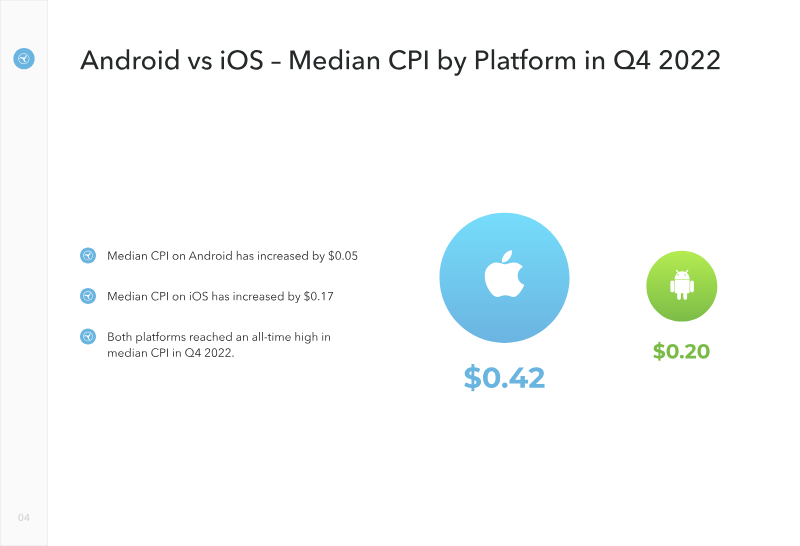
of data right now and rebuild those models yeah well regarding the uh the supercell and clash royale and clash of clans spikes so i believe it's connected to the idea phase and you know as we as we mentioned the the spent went to to android and um honestly like ios looks like the whole ui space last year when covid started a very low competition very low competition yeah those were the days yeah i know like for example i'm seeing for mid core game um well cpi is not like a pretty like interesting kpi but still in the us for midcore game seeing like four dollar cpi's versus like 12 or 15 on android come on that's super big difference and uh you know i also heard some um some of the bigger companies try to push ios 14 campaigns like as soon as they can just to get as much data as as they could so you know they could build those ltv models and as you mentioned like why the whale
oriented games are suffering it's because you know now you need to look at the day day zero even like first 24 hours and then based on those two first 24 hours build these type of like ltv predictions and ltv models which is definitely super hard for the the weather games right and mate i think that's an interesting point that you were raising about like some of the smaller to mid-sized developers might just be pausing because they're trying to get they're trying to get a feel for the market and so maybe as they're pausing you know companies like supercell might be that might be an additional effect where because of the lack of competition supercell's able to gain more share and you know smaller or mid-sized companies they don't spend that much so you know okay that's not a huge impact it's not a huge impact okay and brian one of the things that you mentioned in your last blog post had to do with kind of a lot of big changes where you were seeing to the algorithms themselves deployed by facebook google tick tock
causing a lot of instability and dramatic changes in cpm is this do you have any updates on that front is that changing and does that will that cause a lot of strategies to have to continue to shift out as the algorithms continue to shift as well yeah so facebook yesterday put out an interesting article that i would encourage the folks listening to read it's called privacy enhancing technologies and building for the future um we're seeing you know cpms are very out of whack i think it's a natural reaction where people are bailing on ios because of the lack of optics moving into android which forces up costs but at the end of the day really if you just take as a statement of truth there's more impressions in these marketplaces there's more
traffic being issued in the marketplaces and click to install is down that means traffic quality is down and so what if you were a network what would you do you you would evaluate and optimize your algorithm so that it maximizes your own internal ecpm logical reaction to loss of efficiency that means on the consumption side it gets more expensive for us to buy those people which is why the the folks on the extremes are are struggling with it i don't see that changing in the near future um yeah i i think that's a long-term change that that is going to happen how what we do next in this privacy forward world is it contextual advertising is it some of the things that were laid out in that article i mean these are like 18-month initiatives they're not q4 black friday things are magically gonna change so you know if you're a public company you cannot not spend right you've promised a certain growth of of metrics to hit the street you're
going to spend through it you're going to do it inefficiently and you're going to try and amortize those costs um so is it happening yes will it change in the short term no is it material yes and if you look at the byproduct of what was mentioned earlier um with the loss of idfa you're seeing lookalike audiences start to collapse so whether you're talking specifically facebook aeo and vo or other algorithms that are using app events with a limited amount of people opting in to be tracked that means the custom audiences are very small so where an audience used to last two or three months and we get a lot of efficiency out of it it's now two or three weeks so the even the pockets of efficiency that we used to use to drive long-term kind of sustained success are fleeting they're harder to find and they're shorter lived so i i think that's a long-term challenge you know in the way that we've all grown accustomed to this kind of laser efficiency with
deterministic tracking right and i think it'd be great to talk about when we go ahead yeah one quick comment to that of course like the facebook performance is decreasing but quite heavily i think like since the like beginning of march even and it's getting worse and worse in the last couple of weeks and months and um but i'm not seeing like the same thing as you mentioned with the lookalike audiences uh it is actually hard to build those of course and like the you need to refresh them pretty often but it's still like on some games like these look like audiences are actually working better than the aaa campaigns and other types of targetings which is definitely surprising for me can can i also quickly get everyone's opinions on what you're seeing on google i think a lot of this discussion so far has been focused on on facebook but um any any thoughts there as far as you how you've seen them adapt uh
their outro well uh for me google uac is performing better than facebook and i'm trying to like move all the not all on ios not so much on android that's true okay yeah the ios is struggling a lot yeah i was gonna say for us it's been um it's been horrible i'd say like google has of the big players like they've done the worst of adapting um it's this weird system where like they report on the google google modeled installs and we've had all these conversations with them where they're like what are you talking about it looks great to us with the like the google installs and we're like yeah but that's just your own black box logic and when you you know use a neutral judgment system of an mmp it looks completely different um so yeah we've that's been like the largest area of impact for us is is until google gets their act together and provides some sort of better modeling like we've pulled a lot of that um uac ios spend yeah that's true and also like
they were the last almost well they're definitely late with the sk and network integration and uh and also you you see like the the conversions on ios campaigns like with five day delay seriously like what can you do like in five days just it's terrible yeah i can we're seeing things a bit differently um just to hammer home the look-alike audience thing we're talking a broad swath of clients here that are kind of spanning the the genre segments here and entertainment and e-commerce so it's not just gaming related okay um it is a material decrement in performance like half of what we've seen pre may 26th google my understanding of the algorithm is they were probabilistic in their nature so it's less impactful but we are seeing a decrement to it also the one kind of bright spot is uh tiktok that seems to be
doing better it could just be that many advertisers weren't in the platform and now they're you know starting to move into it um but google is a is is still doing better proportionally for our portfolio than than other platforms right better feeling it's less it's less negatively impacted better from a raw's perspective from a spend perspective or what better from both okay so we're able to push into it and we're able to sustain now to be clear it's not as efficient as it was but it's not as negative as other platforms well for me the clear winner of like the last couple of months is unity it's just uh i'm so surprised how unity was able to like improve the performance and well prepare for the idea phase and everything it's just really amazing how things are going there as well if you read the google earnings and you just do a quick search of it idfa didn't come up one time
that was just like for whatever it's worth that was interesting and shocking to me um i think it both iron source and unity use this phrase just to toss it out to folks contextual advertising whatever that means to all of us seems to be the direction in which the world is headed they both feel like they're well positioned to take advantage of that the numbers were just absolutely staggering when you read the footprint of of what these guys have um in fact i think unity raised their 2021 guidance by 50 million dollars so they're bullish on where they're headed and the stability of their network and their you know their solution with idfa um so that's one of the things we personally haven't done by the way unity captures and analyzes 50 billion in-app events each day that's just i mean it's mind-boggling the amount of information we have not we do not do sdk networks as a company that's something we're moving into um because i think at the end of the day we're all going to have to go wherever
there's pockets of efficiency and move money around you know as as aggressively as we can yeah so absolutely conversation like half a year ago or last year i would say like oh well facebook and google well that's enough to to manage like half a million millions of spend now it's like oh okay not anymore you need to add like so many sources to to get efficiency for different perspectives so i i was gonna say i have a slightly different take here so we we do a lot on the sdk networks um and we've definitely seen on ios for certain apps that the sdk networks in this era have started to represent a bigger portion of the the profitable spend than um than than facebook than google on ios right now but i've seen a different trend in reason um we i'm not going to call out any names um but there's definitely certain major networks that have basically said we won't we won't run campaigns on sky
network yet you have to enable probabilistic through your mmp to run and i see that that's what's powering a lot of that ecosystem still so it's it's working now um but i i think that's gonna be you know that's definitely an at-risk uh like like kind of short-sighted approach depending on you know how apple views the spirit of that right and maybe as a high level just to kind of uh characterize the ros roi loss from idfa deprecation bit more do you guys have any high level thoughts or you know kind of benchmarks in terms of what percentage loss that you guys are seeing across the different paid social channels yeah so that's my generic 15 to 20 right 15 to 20 okay if you push back on it and you look holistically that's the number if you then you zoom into a genre it all changes right because it's nuanced based on how sp are they whale hunting are they
looking for high-end subscribers right all of those businesses should be negatively impacted from the reduction in uh people opting in to be tracked so you know that's a natural byproduct those folks like you mentioned that are kind of match three or very generic are impacted but less so because they're spending and they pick up the loss in inorganic and like it's attribution analysis we can figure it out so it seems to be different if you're overall maintaining the same pool of people you just can't attribute them necessarily either to a network or to a source and obviously ios 15 deals with some of that at the network level but inside of the look like audiences you know it's unrecoverable mate warned you guys have any high level i i have a question like do you think uh what kind of laws would we see if the spend stayed the same you know because 20 yeah 15 20
maybe but also because the spend was really low at um in the last months yeah but just forget about spend for a second again you're a network right you're in charge you're the cro of a network you've lost your ability to deliver people at a specifically high revenue you're going to put more low quality traffic into the mix to offset the ability to target on the high end it's an it's a natural way of doing it to maintain your margins so i think just the ecosystem's reaction to the loss of specificity is going to be you're going to have to buy it you're going to have to spend through it you can't target it so there's an advantage as a network which is i can maintain my own gross margins because you're not going to be able to find more efficient traffic in another source that that i would assume is the bet so just to to add my take here um i think that the general numbers that brian provided are are roughly what we're seeing across the portfolio um and we biased towards gaming we definitely have some non-gaming in our portfolio as well um
the one uh area i would uh diverge a little bit is um so again part of our work is building the right predictive buying model for each of our developers and we're actually seeing on some apps if um if we haven't essentially got buy-in to a new model and you know we'll come to the developer and say hey with the trends we're seeing we think here's how we should adjust the targets based on how we see opt-in opt-out rates based on how we see you know the the correlation of or organic revenue um if we're still working off the old model basically if we haven't bought in something new we're seeing organics trend down too because because we know that you know good ua has a halo effect um and so if you're if you're taking a big step down because you're only going to those pockets where you can still hit last year's goals then um you're losing that halo effect too on so some of our really large-scale titles have had actually a negative impact to organic for for most of them for small to medium size it's it's been the opposite it's been like yeah or the
organic represents a higher percentage as there's more there's more loss but yeah and on bigger titles we're seeing a negative organic impact right and maybe now we could kind of shift focus to talk about specific tactics approaches to how you guys as performance marketers need to change the way in which you do ua based on upon kind of the things that we've been talking about and i know warren you talked to me before about ways in which you know with even with idf deprecation you can try to model campaign performance and so could you speak to like what have you been doing to estimate performance or how you're changing some of the models that that you have to to try and you know operate in this new environment we have yeah absolutely so people are going to have to build up i mean we've had it easy on the in mobile ua for the last the last several years like you could just look at the numbers and know that you could basically operate off of them um any team is gonna have to get into the game of prediction now uh whether you're comfortable with it or not and one thing
i would recommend everyone do today is just one easy actionable if you're not tracking opt-in and opt-out events yet just just work with your product team and get those implemented you might not know how you're going to use them yet but in your future models you will be factoring them in in some way um so i'm not going to get too into specifics of of sort of like what the uptick model is but i will say that like each product is going to vary depending on the how you're surfacing prompts to the user um depending on what your demographics are but you will want to factor in those opt-in opt-out rates and you can use that to our our goal ultimately is we we all know that there's a lot less that's tracked now right and so we want to quantify that and mix it with what we can still track and have confidence in and and use that to build a model and it's even messier because it's not a constant like this is flowing over time like we you know we know that adoption rates have changed over time we know that you know even the trends of the percentages of opt-in we've seen changing over time so you have to also
have like dynamic inputs into the the ideal model here so i guess what i'm saying is there's not like one size fits all model here but identify what are the variables that you would like to feed into your model and make sure that you're starting to implement those events and track those now so you can have your data scientist you know three months from now start working with that data and you build and back test several different models right brian and mate do you have different ways in which you guys are kind of modeling performance um good mate yeah well uh we're working with predictions and that just to simplify it uh it's using an appropriate like multiplier for each cohort and that changes on daily basis anyway um and like this helps us like get the sense of like what can we expect at least and i mean obviously the whole methodology changed so much uh but even if you don't have the prediction models you know like the fact that a lot of developers like decrease to spend on ios can actually help them like better identify the the campaign
performance even when you're looking at the blended drawers numbers or like the blended numbers you know since the baseline of the organics dropped when you drop the budget so you can clearly see like what what's what's happening after you just increase the spend as well that's a good point so that's always sorry sorry i did i just want to say like we have an opportunity right now because usually you know when you're trying to model uplift you always wish you had a period where spending was just off so you see a real baseline so yeah note if you have a real baseline opportunity and and if you've turned ios off like use that as an opportunity to to baseline out your organic revenue so the tact we're taking i think is a bit different here which is you know we're not of the belief that we're going to be able to look inside of the walled gardens of facebook or google or tick tock right so we're not worried about modeling in many ways we rely on our companies you know our advertisers to do that um the things that are working at least in the con constraints that we operate in on paid social are um
top country so the things doing the strongest performance top countries localize ad copy with aeo ideally with broad targeting interest groups are definitely making a comeback so those things where you can in essence formulate a contextual mapping you know if you push back for just a moment and you think there's two kind of driving forces that have been impacting the industry for the last couple of years uh facebook and google with full media buying automation at least their push into that so uac and aaa if you say it backwards they're removing levers from media buyers to simplify the process and level the playing field between advertisers big and small but as you eliminate levers you also eliminate the things that make it efficient to do so if you then layer on top of that idfa removal so deterministic to probabilistic tracking it's a one-two punch and so at the end of the day we believe that the only primary lever that
we currently have we the industry is creative uh in terms of maintaining and driving successful return on uh ad spend it's just really hard to do well right a vast majority of creative fails it's about 85 to 95 percent failure rate meaning do you beat the best video or asset in your portfolio odds are no when you do get a winner it lasts about 10 weeks so there's a brutal cycle of always working really hard to stay on top of the creative fatigue one of the challenges we've realized and if you guys have ever seen the movie moneyball with brad pitt i love the analogy which is quantitative analysis overlaid against recruiting for baseball i see that exact same thing going on but on madison avenue so mobile development teams are very focused on revenue ltv and retention but they're not focused on creative fatigue and because of that their marketing and product teams are often kept separate they're not forced
to work together the assets the marketing team has is often behind for advertising that is behind the curve so like the movie right if you don't fundamentally pivot the model and squish the teams together and come up with a new way of working you're going to be a dinosaur the net impact is persona led creative so the ability to say my what i read watch and listen to my marketing segmentation analysis for my user motivations coupling design with onboarding flow and then with interest groups seems like a sustainable long-term way of doing this it's just hard well it definitely it's definitely not easy but you know that's the industry yeah so brian if i'm hearing you correctly it sounds like you are primarily focused on top of funnel to install conversion but so are you not doing anything with skid network and maybe i could ask the other guys in terms of like sk ad network
conversion value data how are you guys leveraging that if at all are you guys like mucking around with that stuff to try and optimize your campaigns well i'm pulling those data to to get them to to the prediction models and trying to use it that way basically from the prediction models then optimize campaigns okay so to to answer your question no okay we obviously always focus on bottom of funnel but here's the problem okay in this new world because i didn't layer in idfa plus media buying automation plus when you only have one account right the restriction of scan is you can only have one account running ios 14 6 and later almost always the advertiser is going to internalize that account right there unless we're the agency of record it's infrequent that we will get access to that account so that that addresses a bit of the problem here so we do younger older rather operating systems
on ios and android so it's more of a focus on where performant advertising currently exists and then on the ios side the only thing we're going to operate on is because the lever you have is how do you drive i like the phrase earlier you know quality ua it's got it's creative and it's creative to something you can map it to for targeting and that's contextual in some form got it yeah definitely um i agree with the uh i wouldn't say like increased performance or increased importance of creative but just more like people people can't ignore it anymore some teams looked at it as more optional or you could get by we approached it in a different way for our company so like the first thing we had our engineering team put resources on was actually building like an aso creative tool and people like a lot of people that know me thought that was weird because my background's always in ua it's like why are you guys building an aso thing first but we we know that like yeah the levers we
have as ua practitioners are getting fewer and fewer and so we wanted to build a really robust system to just like rapidly test a bunch of creative and like auto optimize the visuals of the app store and have that be a living breathing thing that you could improve over time keep throwing more creative at it and so that was the first actually product that we shipped and built um and it was definitely a big gamble but we we are seeing it pay off and we're starting to see like our both both like the the developers we work with now and outside of our circle just starting to be like crap we really don't have a lot of levers maybe i'll finally do that aso thing that i've been putting off that like i know i should do you know that and getting people to think that like it's not just about like running an icon test like you got to treat this the same as you treat like your ads portfolio of like be constantly testing constantly innovating like constantly refreshing um and so that's definitely been another um another lever of creative that i think people haven't like put enough importance on and that also benefits
your organic conversion too so that's been another way that we've kind of doubled down on on creative all right questions more specific today i'm just interrupting interrupting you a lot but the quick question is like do you remember last year we had uh the podcast about death death of perform performance marketing and you asked asked me like okay so uh you know uh is it going to be really dead now dude we have more work than ever really we need to figure out so many things so many things really so very far from being that you can thank apple yeah i always say we're like we're like the plumbers like you you call them we only you hear from people like when when the pipes burst when the toilet's clogged and it's like we need help right now you know it's definitely been the complete yeah i assume yeah brian you've probably seen similar um but yeah just the demand for help is never been higher but just to dig a little bit more deeply maybe i could ask again in terms of like
skid network conversion value but is there anything specifically that you would recommend in terms of trying to do with respect to how you how you treat that and then i've also had this hypothesis which i've talked about last year where i actually based upon you know the kind of game that you have i actually think that doing stuff with skid network conversion value probably benefits like short rpu games meaning uh games in which your rp curve kind of flattens out relatively short quickly but for the you know the well-driven the more longer rp type of games it's like the predictability is just going to be like completely unguessable in my opinion but do you guys have any thoughts on that as well yeah i can say for me like maybe it's a little contrarian but we're intentionally not investing like we invested enough time to research there to think that we actually don't think that's going to be the long-term viability viable solution for for profitable ua um we're building out a a
different approach that's not leaning on that as the main layer i don't know if it's going to pay off and like i'm not going to speak to the specifics yet but i think that that apple has made such a high barrier of entry and such a usable set of tools that either that's got to evolve or we as an industry have to build superior approaches to that so um yeah we spend enough time on it to say like we don't think this is going to be super tenable in the long-term effective path and we put our r d efforts elsewhere okay which is what i was trying to highlight when i say you've got to completely change onboarding flows but coupled with that is if you don't have an early signal that someone exhibits behaviors that they're going to be right a high payer that i mean that's obviously not an easy challenge for for design you know app designers because you have to fundamentally change the dynamics of the game to get someone to kind of push to to to monetize early on yeah that
that i think is a very difficult challenge right if otherwise if you could you would right if you if you can get people to pay earlier we all would have done it years ago okay of course it's not that easy to just um uh put some like special offers in to day zero and then not like not up all the economy in the game right yeah and maybe just to push a little bit more brian on your point about creatives uh any thoughts in terms of how creative testing has been impacted on ios yeah i mean ios is dead you can't creatively test just don't waste your time um it's all it's all moved to android you know we we've published a lot of white papers on our opinions on how creative testing works on the networks there is no button you can hit in any of them that says treat my best ad as if it's day zero to remove all history from the bias of the algorithm and let's do a true
a b or multivariate split they always drag with them creative history so we've it's a three-step process and you know we run people we run assets through that but it's all shifted to android the good news i think is that android and ios have a lot of overlap in terms of monetization you know to push it further we try to go to singapore and india as a really good proxy for for the us we thought cultural sensitivities in india wouldn't work because we have some odd humored clients um but they work it works well and it's a tenth of the cost domestically so if you move from ios to android android to international you'll find some really good low-cost mechanisms for for doing a b testing got it and what about reactivation campaigns in my experience i've never seen like huge percentage of mobile ad budget you know kind of dedicated to reactivation campaigns but in this new world of idfa deprecation on ios
you know how our reactivation campaigns impacted and what's your outlook with respect to budget yeah it's good it's so funny it's so funny sorry yeah go on go on brian you can't do it so it's so it's dead so you'll you'll have again you have 48 hours to determine the viability of a consumer and then you can create some model that says these people are like them but their device ids are gone so you know you can broad spray to the universe to your point it's kind of like eating your young right you bring back in the same people it didn't value it didn't enhance your lookalike audiences or your targeting in any way so people didn't do it very often i mean they did as much as they could which was maybe 10 of a portfolio yeah but sustained in the future not on ios what do you guys see happening to the retargeting focused uh businesses companies like like remerge
well also dead i have to say there's a lot of points right these guys are going to pivot and be smart and figure out what to do next um so i certainly wouldn't wouldn't count anyone out here's the good news because i think the point earlier was a strong one we're all on the boat together yeah so there's no advantage and disadvantage this is a fundamental shift that hasn't happened since mobile app advertising came out there's going to be significant winners and losers and it's going to happen in the next 12 months and so to the extent that people can invest now to you know put together these pieces that we're talking about it will provide for a long-term sustained advantage it's clear privacy isn't going to go away it's unclear how google will react my personal opinion is they won't do any of this unless forced to by government why would they right they're the world's best at delivering personalized ads why would they dumb down their their advertising marketplace it wouldn't wouldn't make sense unless
countries force them you know with no alternative to do so so i think ios is in a really unique place how all of these guys react there's a really um interesting post today on a mobile dev memo uh about what could happen and and the fact that facebook's i would believe natural reaction would be build up the walled garden higher they've got more first party data than anyone and then as you ultimately go to the metaverse and or html5 games right didn't the whole thing begin with uh cityville back in the day as an html5 app so why not just bypass the app store and in total build up the wall garden around your user base and skip it so i that's the way people are going to react because they're going to have to unless the article that came out yesterday about the senate you know initiating a bill to sideload games which hey let's go that would be awesome um because then i think it it
shakes up the entire industry in a meaningful way yeah one i heard a really interesting take recently i was interviewing um uh a a thief khan uh who used to be a very senior person at um facebook ads and uh he had a very different take as far as like you know i i keep thinking kind of through the lens of like how will you know facebook lives off ads how is it going to reshape its business model but um from someone that had been on the inside there his take was that he he thinks that this is just a catalyst for facebook to de-prioritize the ads part of its business there's so many other large-scale products that they've been um brewing there over the last decade or so and he strongly believes this will be a catalyst for just them basically diversifying their revenue streams and just saying rather than trying to fight and and shoehorn in a new working you know model for ad revenue just to make it a less crucial part of their overall p l right okay and maybe one last follow-up
question as far as this specific topic is concerned but what do you guys think about the cpg style attribution analysis or things like mixed media modeling you know how much are you guys looking at that how important does that type of approach become in this new world it's foundational it sucks it's less efficient and it's what we have so yeah i think it's like if it worked we wouldn't have invented all this other stuff right you would have left it there um but if if constrained if nothing material changes and this is what you have then you're gonna have to you know package people up in ways that are clustered them you know like a a nielsen cluster and it won't target the individual and it will be substantially less efficient and that that's the future so it will work on uh avod it'll work on ip enabled tv like for the sustained
long term viability and expansion of the industry in terms of performance advertising it's it's a very likely path um to go forward okay yeah it's a it's weird i i have a different back like i went to to film school i don't have like a i took like literally one the bare minimum math classes are like one math class in a trailer uh during summer summer break one year so like i don't have the the stats background but i've built a lot of models in mobile but i guess i've i i've approached it always more from uh first principles of just like what's the right way to model for this kind of product so i think that a lot of the stuff we've ended up at has overlap um we i talked a lot about our approach to modeling earlier so i won't rehash that but has a lot of overlap with media mix um uh approaches uh but definitely i think that's crucial of just like yeah how are you gonna measure the contributions of of each individual channel when you can when you can't you know measure them directly well i think that part of that's addressed by ios 15 right i think
that'll be that'll be very interesting but it doesn't get you to people can you elaborate on that brain like what what uh yeah i'm way over my skis because i just read it last night um in terms of what it's doing but my limited so please don't harsh on me if i get this wrong understanding of this is that um self-attributing networks like facebook and google have always had an advantage in terms of how they treat traffic so because there's no arbiter of the the real attribution cross network they were able to claim view through conversions that may have been higher than click conversions um in ios 14 my 15 my understanding is that they will be offering cross network attribution as a as a company so it will normalize the way in which traffic looks across all of the platforms you know the networks themselves it doesn't come anywhere close to addressing what happens at the individual level but at least it'll put the networks on parity so instead of saying x network is doing
better than y you'll be able to actually see from ios from apple's view is that is that true so that's a if if accurate and if that's coming out which i understand to be in september would be a meaningful step forward um just not at the deterministic level yeah we will see it one month but um regarding the media makes modeling uh right now i'm more using like incrementality tests uh to kind of like get some level of some sense like what what's working what which uh uh channel is contributing to what is also like a pretty good way how to go okay i mean you know to be fair i think we've all been wonderfully lazy like with the last time great whatever is the last click let's take it in the new we've had many clients that do paid search in facebook right facebook is often treated like top of funnel aided you know aided branding when they turn off facebook page search efficiency tanks so there's a logical
value in running display and how that impacts other channels of course we're all going to be forced to figure out the components and lay out an attribution model that makes sense so to the to the point earlier like you know it's hard to do we're the plumbers and you know we gotta we gotta fix the plumbing all right and the beauty part of the industry there you go yeah maybe shifting now to like i know you guys are marketers but when you think about product and from the marketing lens what can product do to help improve performance of games do you guys have any thoughts on that yeah that's my earlier point onboarding flows early monetization signals a deep understanding of your personas so who are you building for what do they read watch and listen to how are they motivated in the external world which will allow you to cluster creative and interests that kind of core marketing dna will be
very important moving forward right and just for our audience brian when when you say like the the reason why the future initial onboarding experience would be so important is because we have that initial whatever 24 hour windows that we can if we see a monetization event then we can actually get some you know we can get that attributed so that's that's why you're saying that's important but an example would be you put a campaign against people that like to kill each other a campaign that people like to relax a campaign of people who like to complete levels the calls to action the look and feel those things are all dialed in accordingly those campaigns would naturally accelerate or decelerate and the algorithms will be able to cluster behavior of people who click through that style based on more macro components yeah think about what i read watch listen to the websites i log into all of that first party data that resides at the networks can get clustered into a stack
that stack is sustainable which is my definition of how cpg advertising kind of evolves in this right so it's a little bit more complicated than when i initially suggested it any other ideas guys yeah i was going to say i've been having i mean we always work pretty closely with the product teams but these last couple of months we've been having more meetings with the product teams than than ever and part of this is like to try to try to get on the same page and and like one we have some extreme cases like one of our clients uh they have a app that's in the home renovation space and they monetize off of basically like selling like uh leads for refi loans and like it's a it's talk about a needle in a haystack like that you know in that case it's like you know very few users but those users representing like massive amounts of money because it's a percentage of home value so it's like working with them to back out like okay cool we realize maybe this is one out of you know like x amount of users it's a very high number but how do we get a day one high volume data signal that
correlates to that because we still got to make decisions off of this so um that's it's kind of a silver lining because i think it's making marketing teams and product teams starting to work together a little more closely uh you know if the org's not too dysfunctional but definitely like this is time to make friends with your product team as a marketer and like work on that strategy together identify the events map out the user funnel together figure out if there's things you can change to to you know track something earlier on that's indicative of that eventual late funnel event yeah in the past it was optional to be very good friends with product now it's a must definitely and you know like to get the the sense of like the day zero to day one whatever you can get and as many events and data you can get that's definitely helpful for the campaigns and the whole ua front all right so guys i know we're running out of time but maybe as the last topic maybe quickly we can go over who are likely winners and losers from all this fallout and i know one of the companies that we mentioned was unity so unity seems like they've been a big winner although if probabilistic is
killed off we'll see but i don't know any other thoughts in terms of winners and losers i mean the obvious is is google right but i'm not really breaking any breaking any news there um yeah what do you guys think it's definitely it's it's an hour to shine for all of the small ad networks that were like having trouble getting their emails answered you know a year ago that's true yeah i mean ironically i think for people who have large first-party data reservoirs right the walls they can build around them yeah large companies are the obvious winners the obvious losers are small to medium-sized businesses let's be clear that means people spending less than a million a month are going to be negatively impacted those that rely on advertising as their primary mechanism for monetization are going to be negatively impacted right those who don't have the cash flow to you know to roll out an 18-month ltv window and sustain it so uh
that's on the app developer side but i think the very large companies uh which is why you see so much m a activity going on are sustainably uh advantaged in this change right maybe also other winners would be games that have like mid-core games with broad monetization because as you're less able to target whales those games will see margin flow to them yeah uh more powerful go ahead right ip owners uh also warrant to your point about retargeting companies they'll probably have to shift to something something else uh anyway let me just throw out a random one netflix i don't know what netflix games is i have no idea but they have an awful lot of data on an awful lot of people and an ability to you know know what you like so i i think it will be a compelling offering as it comes out yeah well netflix is more like a data company rather than the entertainment company nowadays
all right guys well i mean i actually have a bunch of additional questions but maybe we can call it here i know you guys uh some of you guys have some hard stops here but just to wrap this all up do you have a final message for our audience and then how can they get in touch with you maybe starting with you brian yeah um whatever you're doing with creative text testing today ten exit um it's important uh as a sustainable advantage for you and you can just go to our site consumeracquisition.com and uh you'll find us mate yeah well uh like brian said earlier like don't believe everything we said do your own research that's super important because obviously not everything we said is going to work for you as well uh so work on that and yeah well hit me up on linkedin if you want okay and i will provide links to everybody's profiles and websites and things like that and finally warren yeah uh
final thoughts i would say don't be in a hurry to spend your money i mean that's one thing that we're telling our developers a lot like we we always try to treat uh the budget like it's our own and we're telling a lot of uh so some apps are really able to scale there some i'm saying like save your bullets let's work on the models let's work on improving aso let's work on improving the creative funnel um and like let's think more about the annual budget let's not think about the august budget right now um because they're like we will figure this out as an industry one thing i love about this industry is it's very collaborative um and like there's a lot of this stuff that we'll know how to do like that someone's gonna have a breakthrough we're gonna share our knowledge and there'll be better ways to solve some of these things and as far as getting in touch with us uh yeah our company's uptick.com it's upptic.com um you know we do full-service kind of like bolt-on growth marketing team creative analytics ua and then uh uh our aso tool is available for pretty pretty low cost we think it's pretty cool and we use that for all our all our own clients so think about investing a
little bit on the aso side even if it's not with us right okay i think there we have it three real world practitioners world-class you egg folks wait wait we gotta we gotta check in on one more thing so okay brian you placed a bold bet i really enjoyed your article by the way you placed a bold bet related to black friday and apple rolling back idea faye i'm curious some component some component okay okay yeah i was just curious like if if you if if you were still feeling bullish on that and what what you guys think about that well here's the fun part right the revenue loss that's currently in gaming is one thing when you remove the ability to remarket and retarget to e-commerce you really negatively impact yeah black friday through christmas deficiency it'll be very interesting when that segment wakes up and says what's going on so i'm sticking with it that's what predictions are right we've got a 50-50 show oh we cited that better you guys take in not gonna happen
[Laughter] all right guys well there we have it thanks for your time guys and until next time i'll catch y'all later bye [Music] [Music] you
Summary
The deprecation of the Identifier for Advertisers (IDFA) on iOS has fundamentally restructured the mobile gaming industry, resulting in a 15% to 20% decline in revenue across diverse portfolios. This shift has rendered legacy attribution models obsolete, as the collapse of granular tracking and lookalike audiences has introduced significant algorithmic instability. Consequently, the market has transitioned toward a less efficient advertising environment characterized by rising costs per mille and diminished install quality. Niche, whale-dependent genres such as social casino and strategy games have faced the most severe disruptions, while broad-market titles have proven more resilient to these changes.
To navigate this privacy-centric landscape, mobile marketers are abandoning deterministic tracking in favor of predictive modeling, creative-led strategies, and contextual advertising. Success now hinges on rapid creative testing, the integration of marketing data with product onboarding, and the adoption of media mix modeling. Because traditional targeting levers are no longer viable, developers are increasingly diversifying their spend toward SDK networks and prioritizing internal research and development to build proprietary attribution frameworks. These efforts are essential for identifying high-value users in an era where traditional reactivation campaigns have lost their efficacy.
The long-term outlook favors large companies and intellectual property owners who possess extensive first-party data reservoirs, while small-to-medium businesses face significant hurdles due to limited cash flow and reduced measurement capabilities. As the industry adjusts to these constraints, the focus is shifting toward long-term budget planning, App Store Optimization, and closer collaboration between marketing and product teams. Ultimately, the industry is moving toward a model where creative performance and persona-led acquisition serve as the primary drivers of return on ad spend, forcing a permanent departure from the high-precision targeting that defined the previous decade of mobile growth.