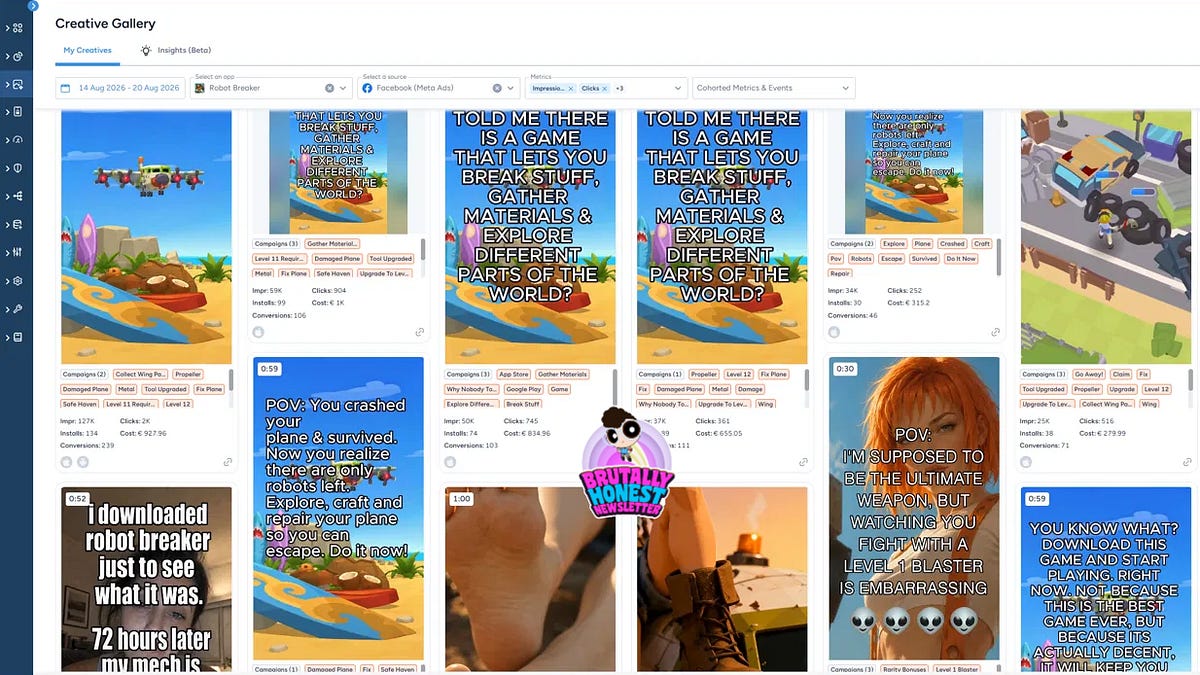
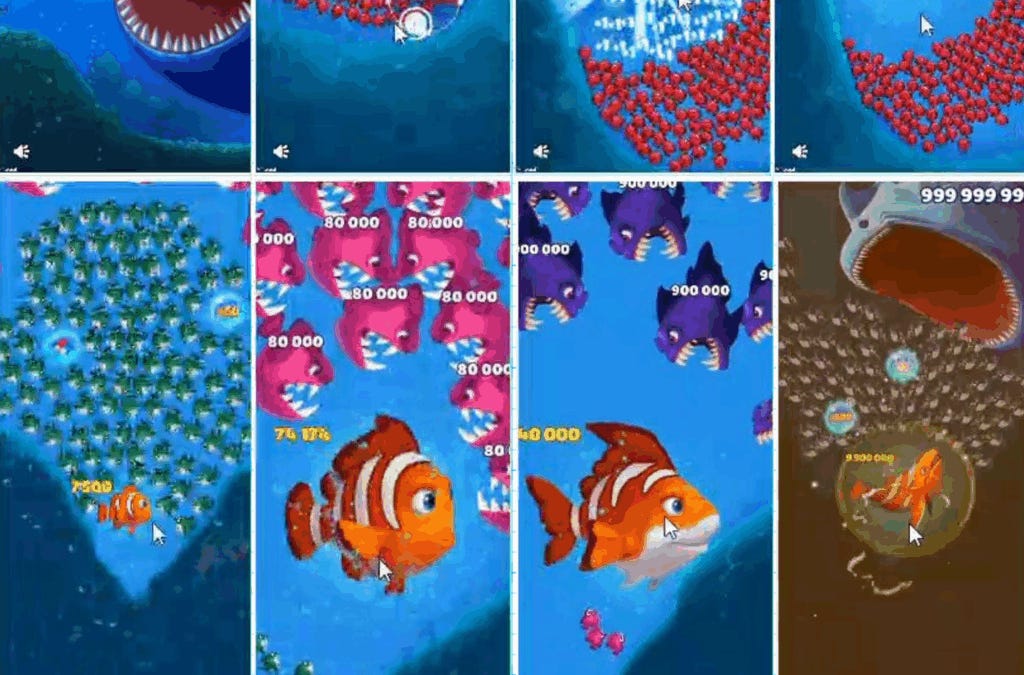
The integration of generative AI into mobile game marketing workflows enables a paradigm shift in creative production, moving from labor-intensive manual design to high-velocity algorithmic optimization. By utilizing specialized platforms like Layer.ai to standardize the creative pipeline—transforming game assets into stylized variants, upscaling, and animating them across multiple models—marketers can produce between 80 and 100 unique ad variants in a single afternoon. This automated process reduces production costs to a negligible $2 to $5 per run, effectively democratizing access to high-quality creative assets that were previously prohibitively expensive to generate at scale.
This methodology fundamentally alters user acquisition strategy by replacing low-frequency, manual testing with rapid, data-driven experimentation. The ability to deploy a massive volume of creative variations allows teams to identify winning advertisements in days rather than weeks, significantly accelerating the feedback loop for performance marketing. By streamlining the animation, stitching, and end-card integration phases, the workflow ensures that creative output remains consistent while drastically lowering the cost per install and improving long-term return on ad spend.
These advancements in creative automation represent a broader evolution in mobile game marketing, where success is increasingly tied to the speed of iteration and the efficiency of the creative pipeline. Beyond the immediate technical workflow, this approach aligns with sophisticated marketing frameworks focused on soft-launch benchmarks and rigorous creative testing. By leveraging these AI-driven efficiencies, developers and marketers can maintain a competitive edge in a saturated market, ensuring that creative strategy remains agile, cost-effective, and highly responsive to shifting player preferences.