1 free read left. Create a free account for unlimited reading + AI research.
Create free accountArticle Brutally Honest
1 free read left. Create a free account for unlimited reading + AI research.
Create free accountArticleBrutally Honest
The title ranks as the fourth highest-grossing game globally. The merge game category remains highly lucrative.
This analysis focuses on mobile game user acquisition (UA) and creative strategy in the post-IDFA landscape, emphasizing the necessity of operational efficiency to bridge the gap between actual and potential revenue. The central thesis posits that performance marketing teams are often hindered by manual, routine tasks, and that true strategic growth requires automating these operations to allow marketers to focus on high-level creative strategy, channel mix judgment, and data interpretation.
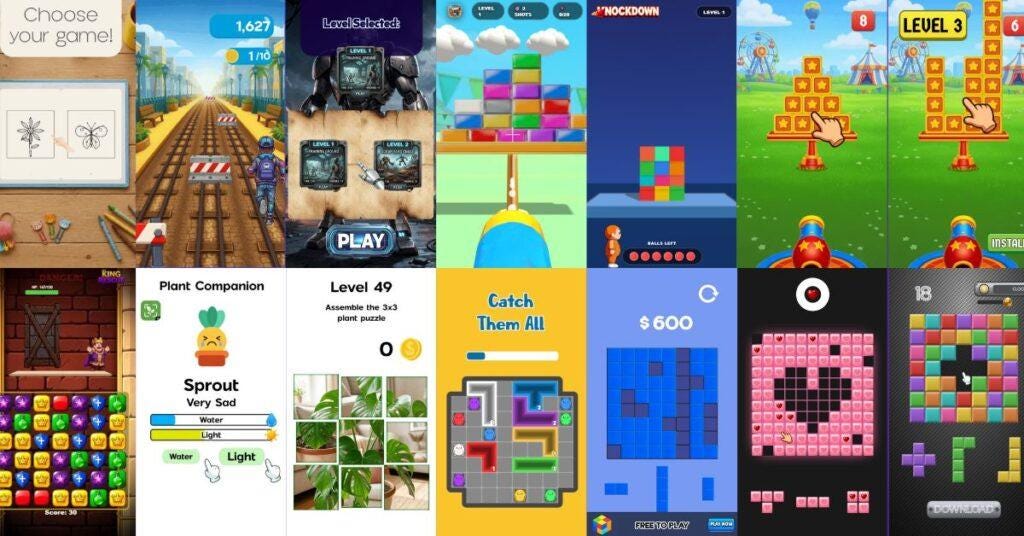
Key findings highlight that the most successful mobile games currently prioritize execution and creative testing over radical originality. For instance, the merge game category is dominated by titles that replicate proven mechanics with new themes, utilizing aggressive creative testing to identify winning configurations before scaling. A notable case study involves Playrix, which has begun testing ad-supported monetization in Gardenscapes within non-core markets like India and Indonesia, signaling a broader industry shift toward blended monetization as a powerful UA tool.
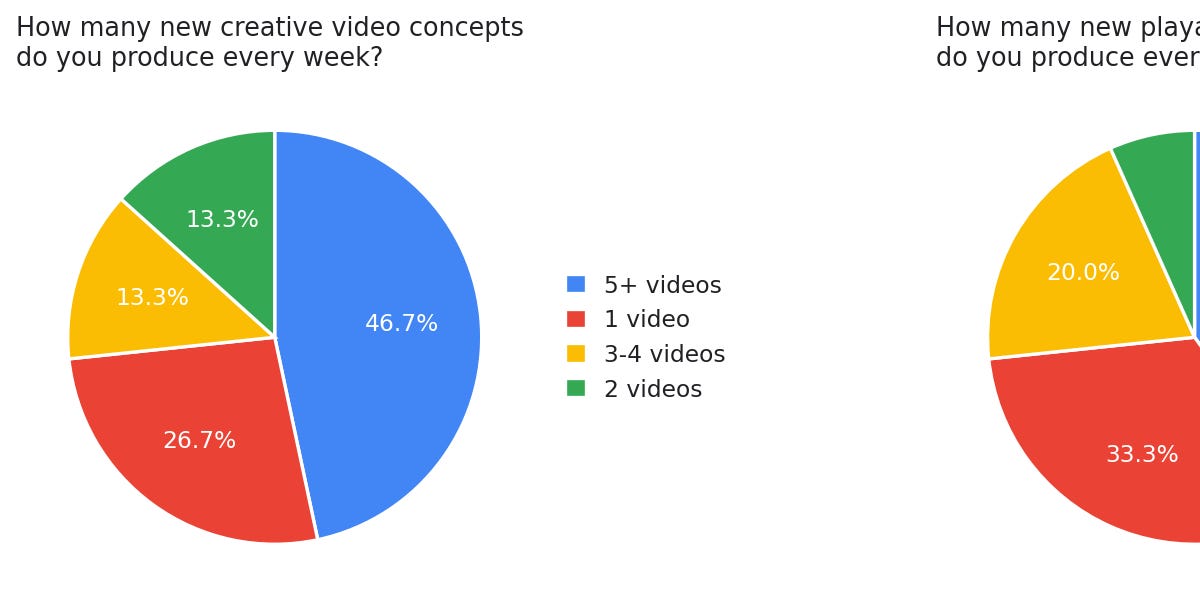
The analysis suggests that when routine operations—such as uploading creatives, pulling reports, and pausing campaigns—are automated, performance marketers can shift their focus to the top 2% of creatives that drive approximately 50% of total spend. The industry is moving away from the obsession with AI-generated content toward the automation of testing workflows, which is identified as a more effective driver of profitability.
The scope of these insights covers the global mobile gaming industry, with specific references to market dynamics in 2026. The methodology relies on industry observation, performance data from platforms like Kinoa, and analysis of current market trends, such as the scaling strategies of top-grossing titles like Gossip Harbor and the recent organizational shifts at major publishers like King and Mojang.
Brutally Honest · 2026
Brutally Honest · 2026
Brutally Honest · 2026

Brutally Honest · 2026
Brutally Honest · 2026
Brutally Honest · 2026

Brutally Honest · 2026
Brutally Honest · 2026

Brutally Honest · 2026

Brutally Honest · 2026
Brutally Honest · 2026

Brutally Honest · 2026
Two & a Half Gamers · 2026