
Effective User Acquisition (UA) management requires moving beyond surface-level dashboard metrics to conduct deep-dive audits of raw data. The primary thesis is that standard automated dashboards often mask critical inefficiencies, such as internal campaign cannibalization, misallocated geographic budgets, and declining long-term revenue multipliers. By analyzing granular CSV exports rather than relying on high-level summaries, UA directors can uncover significant opportunities for cost optimization and growth that remain invisible to automated reporting tools.
The analysis is grounded in two distinct case studies: a $1.19 million geo-puzzle account and a mature social application generating $2.5 million in monthly revenue. In the first instance, a four-hour audit revealed that five campaigns were competing for the same audience, while 63% of the budget was misallocated to a single underperforming geography. Furthermore, test campaigns were incurring costs two to five times higher than proven benchmarks, and the D7 revenue multiplier had plummeted from 12.3x to 1.4x despite stable D0 dashboard metrics.
The second case study highlights the risks of improper metric interpretation, specifically the danger of blending organic and paid revenue. By isolating these streams, the audit revealed that a mature app which had prematurely slashed its UA spend by 80% was actually operating near break-even, indicating a viable path to scale. These findings demonstrate that rigorous, manual data interrogation is essential for identifying hidden inefficiencies and validating strategic scaling decisions. The methodology emphasizes the necessity of auditing raw performance data to ensure that marketing spend is aligned with long-term profitability rather than misleading short-term indicators.

Brutally Honest · 2026

Brutally Honest · 2026

Brutally Honest · 2026

Brutally Honest · 2026

Brutally Honest · 2026

Brutally Honest · 2026
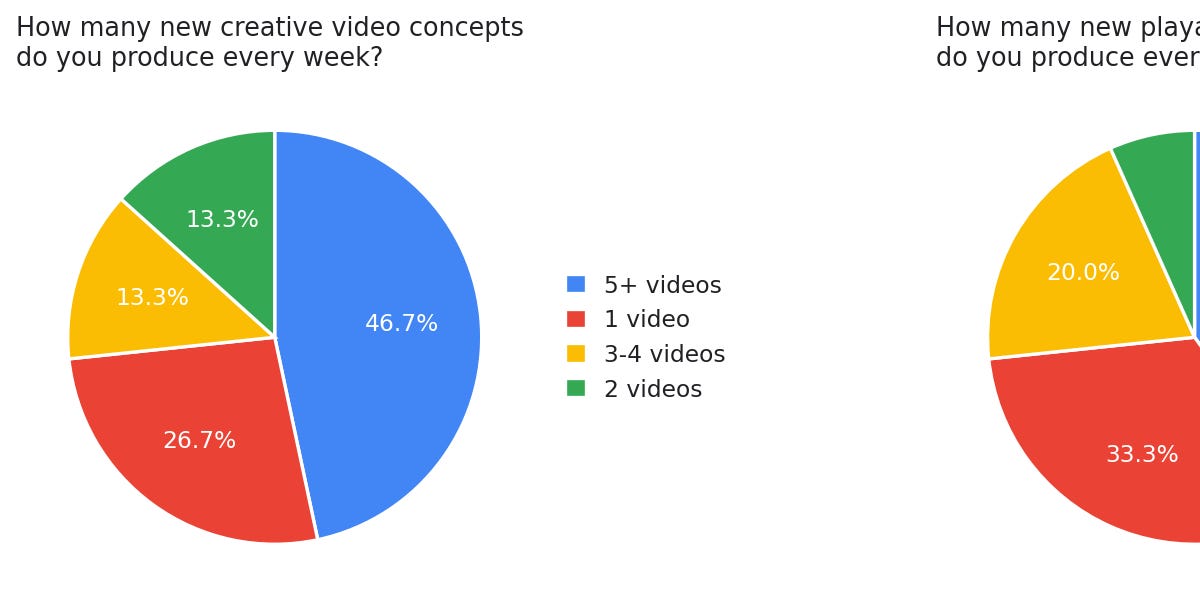
Brutally Honest · 2026

Brutally Honest · 2026
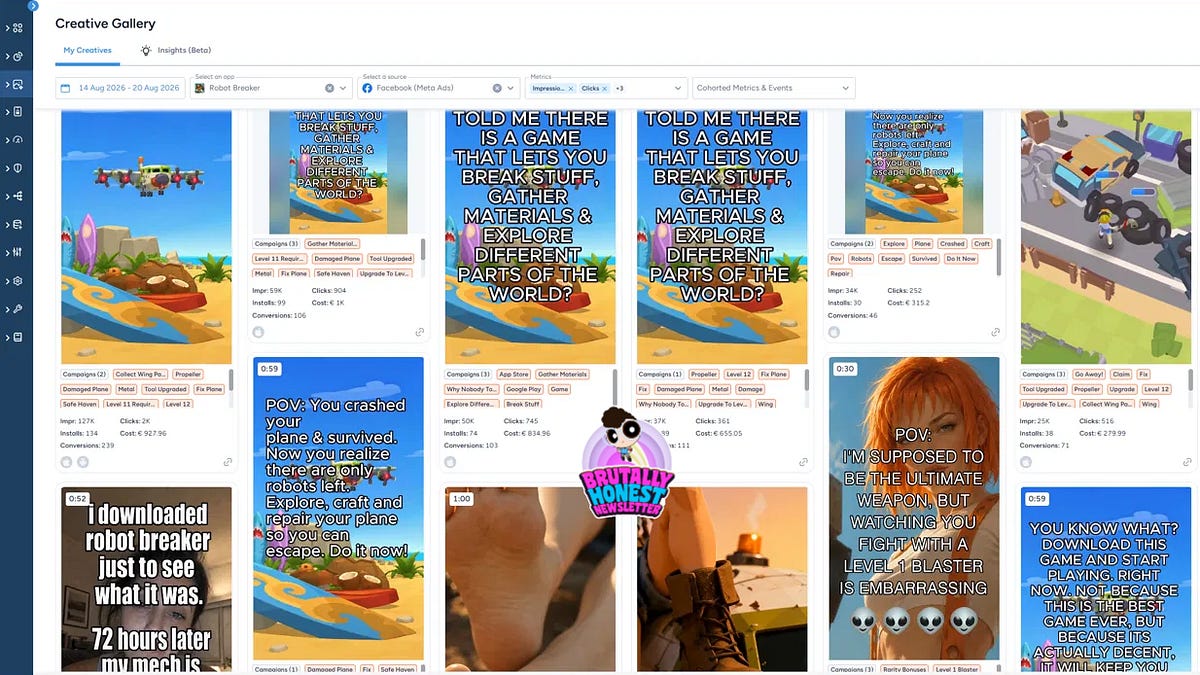
Brutally Honest · 2026

Brutally Honest · 2026

Brutally Honest · 2026

Brutally Honest · 2026

Moloco · 2026

SocialPeta · 2021

Gamesight · 2026

SocialPeta · 2026

SocialPeta · 2026

SocialPeta · 2025

SocialPeta · 2025

Kochava · 2025

SocialPeta & Reforged Labs · 2025

SocialPeta · 2024

Liftoff · 2024

SocialPeta · 2024