1 free read left. Create a free account for unlimited reading + AI research.
Create free account
How to qualify for the Video Game Tax Relief scheme's Cultural Test
Key insights
7 takeaways- 01To qualify, a company must be UK-registered, the game must be intended for public supply, and the project must pass a 31-point Cultural Test administered by the British Film Institute.
- 02The UK Video Game Tax Relief (VGTR) scheme provides a 25 percent tax credit on qualifying core expenditure, yielding an effective 20 percent return on investment.
- 03Applicants must reach a minimum threshold of 16 points on the Cultural Test, which evaluates cultural content, creative hubs, and the residency of key personnel.
- 04Developers can apply for interim certification during the development phase or final certification upon project completion.
- 05The scheme has no minimum expenditure requirements and is accessible to projects of all budget sizes, as evidenced by the 172 games certified between Q1 and Q3 2015 with a median budget of £0.6 million.
- 06VGTR can be utilized alongside R&D tax credits, provided that companies avoid double-claiming on the same specific expenditures.
- 07The tax relief is issued either as a deduction against corporate profits or as a payable tax credit for companies that are currently loss-making.
Ask AI about this video
Transcript
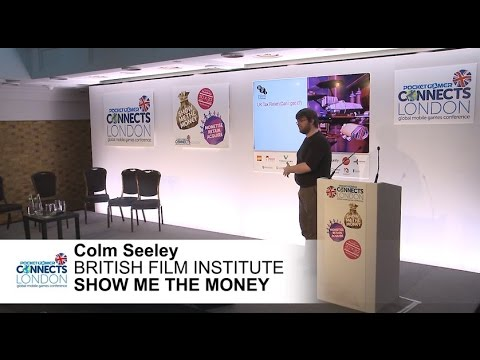
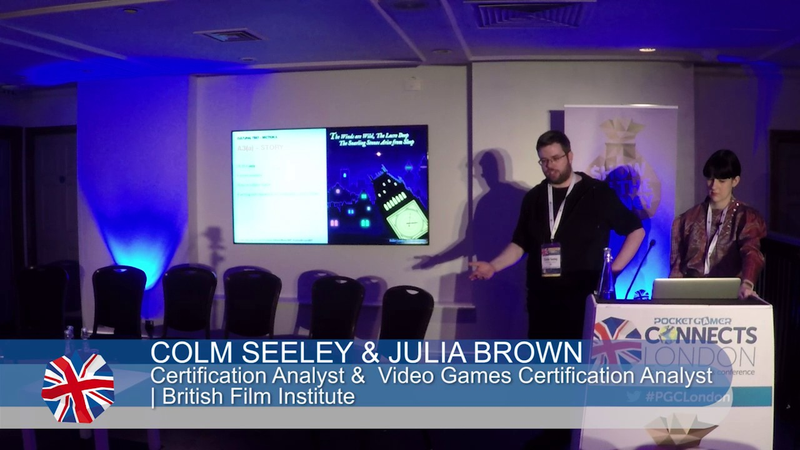
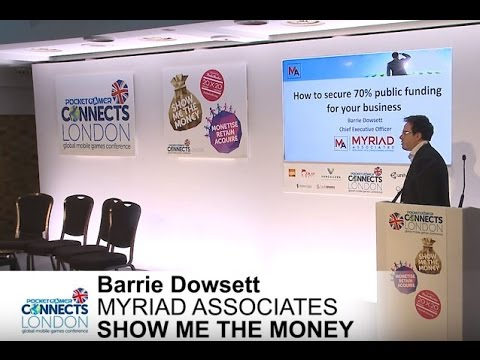
so can I just get a bit of an idea I know that the vgt are has been talked about in some of the previous talk so roughly everybody in the room will now have heard of it but before people showed up did it did everybody know about the video games to actually scheme in the UK has anybody applied for the cultural test yet okay one okay too yeah so I just want to talk everybody through it in case it's relevant to you and you know what yeah so there are a few points that you need to hit before you consider applying you need to have a video games development company that's based in the UK registered with some companies house there's a minimum of ten percent core expenditure and core expenditure refers to stuff expenditure that's immediately involved in developing the gium so programming costs design costs testing stuff like that but not not marketing or
other costs along those lines the video game needs to be intended for supply to the general public so it needs to be publicly available for anybody to buy if it's some priced at a premium for a smaller market like specialist education stuff that can still qualify as long as it is publicly available and the final thing before you actually apply for a tax relief claim is that you need to get a it needs to be qualified as British through their cultural test which is what the British Film Institute administers so what it's worse than I know this was talked about before as well but I'll just run back through quickly is that um you get the the tax relief read it is twenty-five percent of your core expenditure but the total qualifying amount is capped at eighty percent so I still haven't found an elegant way I've actually expressed in this to people if you want to work out roughly how much can be worth if you assume all of your expenditure with core it's about twenty percent back which is what was discussed earlier in some of the talks so the test itself is a 31-point test it's highly prescriptive
which means it can be more understandable to get through than something like rd but it's separated into four sections the first section is a cultural content which is broken down into four again after that but it's from what the player actually sees and experiences in the game that's what its concern with so the first one is some setting so you get you get points towards passing the cultural test if it's set in the UK but also a bit set and something that's referred to as an undetermined location I'm particularly for a lot of mobile games that can be really helpful because undetermined location generally means something like a science fiction or fantasy setting something that can't be ascribed the nationality but it's also extended to mean sort of like quite generic settings which a lot of mobile games will sort of fall into so things like things like clash of clans the setting is kind of broadly sort of cartoonish fantasy you can still qualify for setting points with that you don't get ruled out because it's not
explicitly set in the UK or europe the second one is for characters and that follows the same sort of thing is setting you've got points for UK or eea and then also points for undetermined characters the third part is for underlying material and it's kind of a very general term but if you can't get any points for setting or characters generally you can still make up enough points to pass the test as long as your studio was based in the UK so underlying material can refer to a broad range of things for film it generally refers to a script because the actual Eve is available and fill them as well it's generally a script but in in video games it can be a wide range of things a design document a script again but even just a concept or prototype or something that was come up with during a game jam there are a lot of options and we try to help developers be able to claim those points as long as you know some a member of their studio has come up with the underlying concept for the game so if you've taken a look at the cultural tests or if you subsequently take a look at and it looks like you don't have
documentation or you don't think you can qualify I'd encourage you to get in touch with us and then we can talk about you know whether or not there's maybe something you've overlooked because it's you know it's really specialized for this this process so it's not something you'll have an awful lot of um big experience with beforehand necessarily the fourth part is just for language as long as the game is presented in English whether it's American English or UK English and if it's localized for other rum territories then as long as there is an English option it's fine you don't get penalized for having five language options as long as English is one of them or it's English or any of the UK indigenous languages so if you want to make something in welsh cornish you don't get real doubt for that either the the next section is a cultural contribution which is kind of quite a v8 section it's a good place to pick up points if you're just shy of the the pass mark but it requires you to sort of from a but a lot of input sort of justify why are you being given the points they're awarded for cultural creativity which is for doing unique or
envelope-pushing stuff in terms of content or technology cultural heritage which is for you know featuring things that really it's a British heritage and then there's cultural diversity which is if you're able to either behind the scenes or on screen demonstrate that you're you know representing factors the diversity you can get points there as well cultural hubs is essentially just where do you spend money making the game so you'll get points for um spending money your programming expenditure being incurred in the UK design expenditure storyboarding conceptual development as well as audio production music recording and voice recording so if you're spending money on those things in the UK qualify for points there and then section D is about the nationality and residents of the people working on the game so it's things like project leader scriptwriter lead artist lead programmer if those people are you carry a citizen's or their resident in the UK re a while you're making the game then you get points there so essentially if your
studio is based in the UK re and you have the you have a company based in the UK there's a good chance you'll be able to pass the test so if first glance you've thought that maybe it wasn't accessible to you it's definitely worth looking through it's definitely worth sending us an email to see if you'll be able to get through and then ultimately claim back that twenty percent so the way you actually do it is it's an online application form if you search for I mean one of the quickest ways to find that it's just a search for video games cultural test on google and it's the first link that comes up there's about a four to six week turnaround time that's generally just due to the volume of applications we get so make sure you alive for that when you apply you can apply for interim sir so the way you can apply for an interim certificate or a final certificate and the way that split up is sort of very very formal in the wording its interim as if the game is in development final as if the game is completed and shipped but particularly for the mobile market that distinction can be quite viejas is when it shipped the first time it's released
what about if development is ongoing and in order to accommodate for that if you're if you're using a games as a service or an ongoing development model then you can apply for either certificated most points during development interim would be we only consider a complete when we've done the final update but final would be we've released it on this deal and their residual costs that involve involved in me NT ending the product but those costs can there's no there's no cap on on what that can consider we recommend just consulting with you know your your whoever does your finances to figure out which is better for you but again you can talk to us it's meant to be it's an open process and we want to make sure that you're issued with certificate that works for your company the best there's a whole big thick guidance note document i really recommend reading it when you're doing the application you can stop doing paperwork as soon as you hit 16 points you don't need to fill out the whole application there's a bunch of supporting documentation that we need it's all I'm detailed on the website but it's stuff like budget schedule
something that gives us particularly when you're applying for interim if the game isn't don't we just want to get an idea of what the game is and what the experience for the user is going to be all this stuff is detailed on the website so right if you if you want to find out more just look it up there's also this sort of legal and hardcopy requirement as well where because your your plea this is ultimately something where you know you get you get paid money and tax relief you need to do a legal declaration that says all this stuff is true so you might need to you know read up on that somewhere but it's it's not that involved to process and we have a lot of templates for all of this stuff on the website if you're if you're struggling with it so I just thought I'd end with some statistics from this is from q1 q3 2015 we tracked some of the stats but we're sort of building out exactly what track and what we're able to publish so the stats are quite coarse Korean at the minute but in that period we certified 172 games 77 were final 95 were interim
the total budget across all games for interim was 450 8.7 million but the median budget is north point six million so we get a big big spread of sizes of gear man sizes of budget and the the pre tax relief and the cultural test really are meant to be open to anybody applying there are no lower limits on your budget the nature of the game is very broad the cultural test is very open and if you were concerned that you wouldn't be able to pass it as i said before please please get in touch but that's that's that's me so if anybody has any questions I hope we have maybe have time for a couple if anybody just wants to come and chat we should be around the place if you want to come into the BFI we're always were always happy to meet people to go through a specific application or to cover we know whatever points or things you might have questions on but does anybody have any questions done like this one at the back I am we already quite aggressively
pursue the R&D tax credit okay how how yeah if you could explain how the two tax credits overlap and interact and whether it's worth it for us essentially that's why I need to try and work home so I at the BFI we don't we don't really work with the the R&D tax credits at all the routes some other talks are the dog into it i mean i can give you a broad overview but definitely not an expert response but the rd stuff is for its it's for presenting something new it's for like innovative technology and there's a big burden on you guys to demonstrate that Yuri you're you're pushing technology forward with it the video games tax relief itself is is more prescriptive than that you know it's essentially if you're making it in the UK you can apply the main thing to remember is that you you can't double dip on expenditure so if if you've claimed R&D tax relief on a lot of your programming expenditure because it's you
know pushing technology forward you can't Bank liam video games to actually for on that portion of the expenditure but any other programming expenditure that isn't involved in that aspect of our d you should be able to claim on whether or not it's worth it for you really comes down to the bottom line of working out how much the tax relief is going to give you back and it's claimable on design expenditure program expenditure it's you know anything that isn't claimed on an RD that is eligible it doesn't rule you out in any way so whether or not it's worth it is just dawn comes down to a bottom line calculation of is twenty percent of these qualifying costs worth the very low administrative cost plus the time investment then if it is I'd encourage you to go for it anything else do we have time for one more as well in front is it detection from profits or some kind of refund it's it's it's it could be either depending on whether the game is lost making or in profit by the when
you claim the tax relief so for interim games obviously if it hasn't been released there's no profit coming in on that tree so it will be a payable tax credit but if it's in profit then it can be a deduction as well oh good alright thanks everybody
Summary
The Video Game Tax Relief (VGTR) scheme in the United Kingdom provides a significant financial incentive for game developers, offering a tax credit of 25 percent on qualifying core expenditure, effectively resulting in a 20 percent return on investment. To qualify, a company must be registered in the UK, and the game must be intended for public supply. The process requires passing a 31-point Cultural Test administered by the British Film Institute (BFI), which evaluates projects based on cultural content, contribution, hubs, and the nationality or residency of key personnel.
The Cultural Test is designed to be accessible, accommodating a wide range of game types, including mobile titles and fantasy settings that may not explicitly feature British themes. Developers can earn points through various criteria, such as the use of English or indigenous UK languages, the involvement of UK-based staff in creative roles, and the location of production activities like programming, design, and audio recording. The test is highly prescriptive, allowing applicants to stop once they reach the 16-point threshold required for certification.
The scheme is open to projects of all budget sizes, with no minimum expenditure requirements. Between the first and third quarters of 2015, the BFI certified 172 games, with a median budget of approximately £0.6 million, demonstrating the program's utility for both small and large studios. Developers can apply for interim certificates during development or final certificates upon completion. While the VGTR can be used alongside R&D tax credits, companies must ensure they do not double-claim on the same expenditure. Depending on the company’s financial status, the relief is issued either as a deduction against profits or as a payable tax credit for loss-making projects.


















Comments