Transcript
the end goal, right, that that publishers should have whether they're using third-party loyalty platform, whether they're tapping into rewarded advertising that obviously embraces loyalty and long-term LTV, whether they're looking to build something in-house. You have to treat loyalty as a commitment. We bring it all together in loyalty. We've talked about attracting players, getting them to spend. We know who's spending. Guess what? They're spending when it's relevant and relatable. And then, how do you get them to come back? Well, that's where loyalty comes in and that's where I think Oxana and Kyle also connect here because the report itself touches on loyalty being more than just keeping players. It's about evolving with them, which I thought was very interesting, Kyle. And you had some great data that sort of shot a big hole
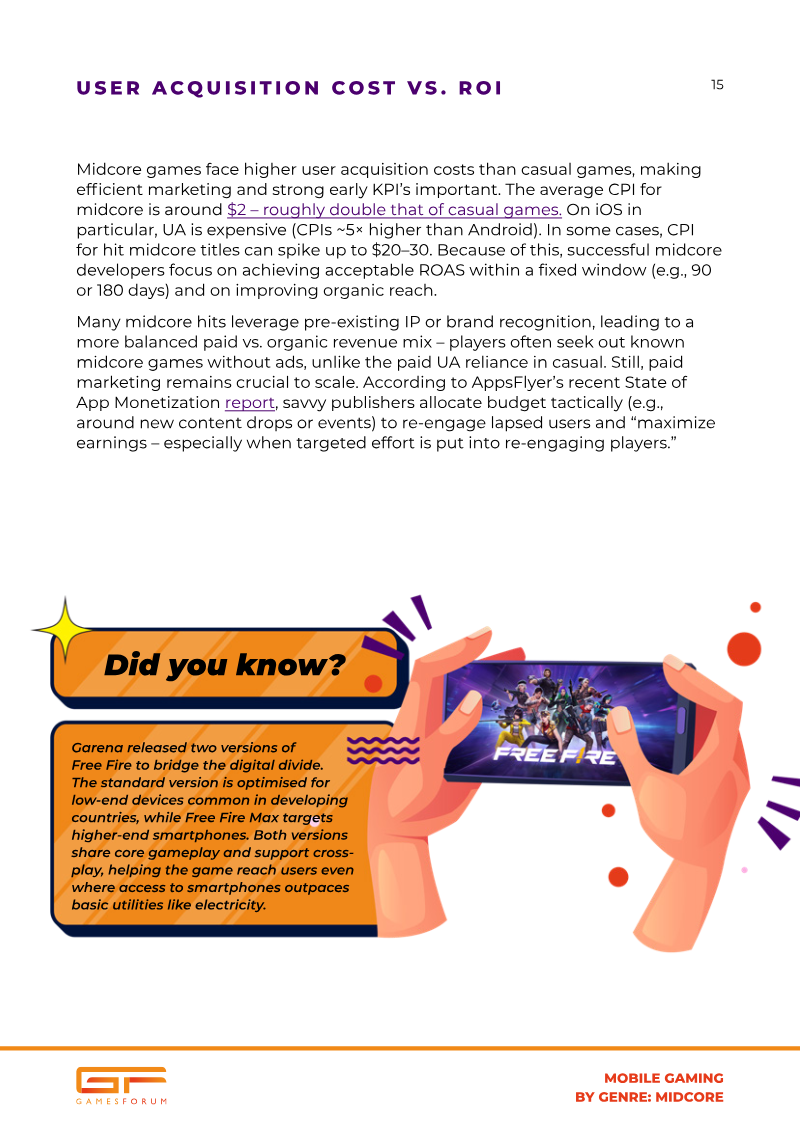
in what we know about day one, day seven. Why don't you share a few of those insights? What's interesting, right, is when you you start thinking outside the box, right? It's like, "Okay, well, I have my core game loop. I have my monetization layer, live ops layer." It's like, how else can you one up that experience, right, to drive deeper engagement, drive deeper monetization, and really that LTV piece, right? Keep players hooked in the game. One thing the report highlighted, which was interesting, right, is sort of the power of IP and brand collaborations. Right? And I think it was like one in five, around 20% of players, right, say that when games do these these IP collaborations and brand collaborations, right, it positively impacts their desire to not only install, right, which is top of funnel, but then also continuously engage in that game. Even spenders, right? It was over 50% of sort of spenders who had engaged in app with this sort of collaboration had made an in-app purchase tied to that collaboration, right? And you see
companies uh Stumble Guys is a good example. Uh PUBG, right? They do a lot of collaborations with third-party brands that are non-gaming related. What they're really doing is just giving players content that they love, they idolize, they look up to on social media, right? Whether it's with influencers, whether it's with really well-known brands. Um and that content is engaging, it's fun, it's memorable, it's unique because you're bringing something into that experience and that uh sort of environment that goes beyond the normal gameplay you see day in and day out. And that can have ripple effects across the whole user journey, it can have ripple effects on LTV. Um and so it's it's that sweet spot of innovation and standing out, right? When we talk about there's a lot of noise in the market, there's a lot of uh overwhelmed feelings of too many games are being advertised to me, I don't know what to play, where to spend my time, where to spend my money. Um this can sort of be that that level up, right? It can help provide that differentiation, stand out in the
creative, stand out in the live ops events, the limited-time offers and rewards users can use. Um and I think that can really help drive a new level and layer of engagement and long-term retention and loyalty. That's an interesting sort of facet there besides the basics, besides the first principles of what does it take to like fix that leaky bucket is is the constant mindset as you go through these years, right? And developers are looking to sustain growth and and continue to ideate and as games mature something like integrating brand and IP collaborations can can be that lever to pull. Brand is the magnet, Brian. We've heard this so often, Peggy. It's like if you're taking your players with you and you're bringing in brands that are meaningful and credible, it does help build that sense of familiarity, belonging to something, giving them something of value. So it has to fit, it has to work, and it has to bring your players with you. And I think that it it comes back to um uh segmentation, right? We talked on that a little earlier. It's like all of
these decisions, yes, you can have a strong marketing team with a great gut reaction and intuition, but at the end of the day, the more you can learn about your players, the stronger you can drive loyalty and retention and engagement. The more you work with your data team, the more you go out and do market insights or market research. All of these things can really solidify a growth strategy, right? And make it stick. I think product marketing fit these days is probably the most important element for success. Um and so that that can get lost in the noise, right? Or that can get um jumbled around in the day-to-day. And really sort of sometimes it's best to just take that 30,000-ft view, you know, step back from the day-to-day, step yourself out of that tunnel vision, realize who you're servicing, who you're advertising to, who you're looking to engage with. Do you know everything or or as much as you can about who they are, what they're motivated by, and what those core emotions are that you can really tap into to provide them an enjoyable experience? Yes, and also I want to add uh if I can
uh Kyle a bit. Right now, the market uh game uh industry is so um competitive. This is why we need such a kind of reports all the time. Because uh as we mentioned from the beginning, everything is changing so much. And from uh for example, uh even 3 years ago, can we tell that life ops will be uh like a must-have uh uh in in your game to um not only to increase revenue, but to be alive on on the market right now. We need to be sure that we understand the data, we understand what other companies do, and how we can take their approach and adapt it for our game. Because the most things that you can see different examples, they can inspire you. And after that, you can adapt it in the right way for your users to be the best, to
achieve your goals, to increase revenue, to improve retention, and so on. And you have to, as you said, Kyle, be able to take that step back, you know, the huge big perspective. Go all the way down and and focus on not quite individual players, but making sure everybody feels valued. And that they have those moments of joy that we talked about at the very top of the program. Roxana, say a studio wants to improve retention. What's one action they can take today to make a difference? To create more triggers to return to the game for the users. They're valuable triggers that they will remember. That's for sure. I think there is a different methods uh for each games, depends on which stage they are. Uh and um if we and on which life cycle uh player life cycle uh you want to address to. Because um the game it's like unique ecosystem. When you will look at your game, you need to understand uh
um the methods and events that will work out for your audience. You know, I had a lot of different clients and a lot of different games, but uh each game is unique. And you need to feel this atmosphere inside the game. You need to feel the users. You need to feel the players and what they want and how they satisfy their needs. And if you catch this moment, you can understand what best uh feature or event will go there. And this is what I can suggest to the game studios. Try to play your game not uh as a developer, but as a player. If you cannot because you work on that so many years, uh try to see the reaction uh from the people uh around you who never played this feature because I had some experience with one game they provide the feature that wasn't uh very successful inside the game. And when I look at that feature, I understood that only a small percentage of the users will like it. But but the
developers, they liked it so much. Always. Yeah. Always. You know. Every every content creator, Roxana, I have done exactly the same. I've been part of development studios where we've all been sitting looking at each other going, "Why aren't these people playing it right?" You know, and as a writer, I've had people go, "Why aren't you clever enough to understand how fabulous I am?" Um and it always comes back to the creator being far too caught up in their own ideas and their own assumptions about what your readers, your players, your listeners want. Um so some great great points. Thank you. It all comes together in this show, but it all ties together, of course, in the player journey. And that's what we have in this report. We have a road map for understanding and creating longer-term engagement. So, I'll ask you, Kyle, cuz it was your report, starting with you, what is the secret?
Yes, it's that kind of trick question. There isn't one answer, but I'd love to hear your thoughts. What is the secret to designing a loyalty program that players love? Goes back to the first principles and the idea that the strongest loyalty programs, right, are those that go beyond just a transactional relationship with users and they start to feel more experiential, right? And sort of what do I mean by that? Well, think like a a local coffee coffee shop you go to, right? They give you a little punch card, right? And they punch a a hole in it every time you order coffee, and when you buy 10, then you get a free one. That's very transactional. Yeah, it's cool. Yeah, you're getting something free, but that's very bare-bones and and that can be a form of a loyalty program. When you think more experiential, right? It's now focusing more on how can you make the consumer feel proud of the status of being part of that program? Or how can you make them feel like they're part of something exclusive and valuable? Right? And I think part of that experience is also sort of a hook. You
know, think about it an example is with airlines, right? Lounge access is that hook. It's probably the most valuable piece of the the loyalty program for airlines because it gives you stress-free travel. It gives you free food or beverage. It gives you the environment of making an airport and travel comfortable. Right? And so for gaming, yeah. There's rewards, right? We've talked about that a ton today how rewards can be a very powerful tool. But it can also you know, it can include things like giving players teasers to upcoming content or beta access to try a new build. Um it can be direct access and stronger lines of support, right? In customer support or access to devs or play sessions or play testing. It could even be gifts and things. The sky's the limit. Like that's what's great about gaming is like you're not bound to being a little small local coffee shop. Like you have endless levers to pull to drive experience and valuable experience and exclusive experience. And so I think, right? The end goal, right?
That that publisher should have whether they're using third-party uh loyalty platform, whether they're tapping into rewarded advertising that obviously embraces loyalty and long-term LTV, um whether they're looking to build something in-house, you have to treat loyalty as a commitment, right? And invest in it and not just treat it as a buzzword. You know, those that can master that, right? They can create really engaging programs, right? And sort of this win-win scenario keeps coming up today because it's it's that important and that valuable across all these different lever levers and different teams. Like that's how you can reap the full value of of long-term loyalty and a strong program uh to really create that win-win scenario. Oksana, what about your take? Would anything you'd like to add to that to what Kyle said? So, I think that uh loyalty should be inside the game uh and through the game. Not only with some um advantages for the users who paid, but also with some
advantages for the users who spent a lot of time inside the game because they give the experience that other people also experience like uh in battles uh in strategy games we uh in in slot games. You need those users and uh be sure make sure that uh they are satisfied and you um have a loyalty program uh not only for paying users, but also for uh non-paying users who spent a lot of time in inside your game and help you to create this experience for all users in general. Interesting. So, the same way we have same way we have tiered prices, we sort of have tiered loyalty programs. We can have longer-term players, we can have different types of players need different types of rewards programs, loyalty programs as well as pricing. That's interesting. Yes, because as I I said uh already several times uh there is no non-paying users. They pay, but they pay
differently. They watch advertising. They um spend time inside the game. They uh make a teams with others uh to play um in in battles or whatever uh in cooperative events. So, they bring value to your game also. And um it's up to you to see how you can monetize them better. If they're engaging with your game, it's up to you as developer to find a way to make that worth your while. So, that was really, really valuable. We like to bring it right back down to what the reason we're all here, which is video games. So, we have two questions for all of our guests that we ask them before they go. The first is, what are you playing right now? What's obsessing you? What you playing when you possibly should be doing other things? And secondly, your favorite game of all time. Um Kyle, we've let you off the hook for the last 5 minutes, so I'm going to come to you first. Sure. Um yeah, I think on on mobile specifically, uh
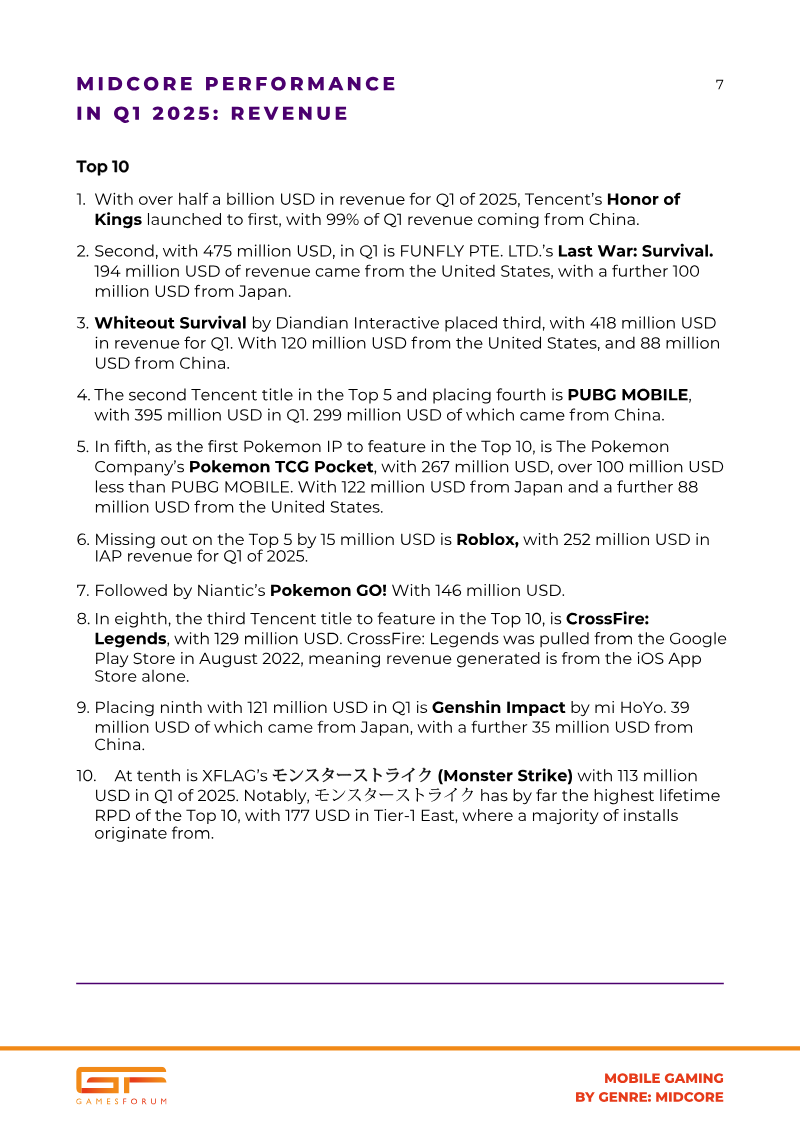
I always grew up uh more of first-person shooters, right? Um so, Call of Duty Mobile is definitely uh at the top of my favorites. Uh historically, though, um I would go with uh Plants vs. Zombies. Like, I still have that on my phone today, the original one. Uh when I don't have internet or Wi-Fi, right? Or I'm on a plane, it's easy to to whip out and just play. It's, you know, strategic, fast-paced, uh exciting, and it's it's back in like, you know, takes me back to the the earlier days of mobile and and just the bare bones of uh enjoyment. A a great mechanic and curiously cozy, you know, without the the the the the stress and I was going to say without the stress and death of Call of Duty, but there's just as much death, but they're all dead already. So, uh some very strong choices. Um thank you. And Oksana, how about yourself? Right now, I'm playing um Whiteout Survival Hill Climb because they do a great job and I definitely need to use their experience and their
knowledge uh and I try to understand how to use this all um in my work. And um the game that I love the most is um Mario because it's a one of the first game that I saw in my life and I was uh still uh when I play with my children. So, You will never, ever get any criticism for picking Mario on this on this podcast. Thank you to both our guests, Kyle and Oksana. It has honestly been a pleasure. Plus one for me on that as well. And thank you so much, Oksana, because yes, met you, heard about you, and now we know that you have to come back. So thanks ever so much. And thank you, Kyle, for bringing the data. thumbs up for that. And and analyzing it. That's important. Numbers are one thing, but application is another. Thank you, both. Making it matter. Thank you so much for everything. It was great to be here and speak with you guys.
This show is all about how to do your job better, how to make an amazing game, how to market it. And you have a say. So if you have a story or know someone we need to shine a light on, then we would love to hear from you. We want to hear from you. We want to reflect the reality of the mobile games market in all its wonderful complexity and strangeness. So if you have any suggestions for us, if you have any feedback for us, you can always get in touch. You can email us at [email protected]. You can find us on Twitter @pgbiz, and you can reach out to us through the pocketgamer.biz website. If you're interested in listening to all of our podcasts, you can find them at pocketgamer.biz/podcast, and we would love to hear your thoughts on future shows. And we've got you covered on all the major platforms. So subscribe to the audio podcast, as Brian said. Look for us on YouTube. If you want to read it, hey, you can do that, too, because we have a companion post for you, as well,
on the pocketgamer.biz website. Tune in again for the next edition of the pocketgamer.biz podcast, and we look forward to speaking to you in the near future. Until then, I'm Brian Baglow. I'm Peggy Anne Salts, and that's are up until next week.
Auto-generated captions from YouTube — names and numbers may be misheard.
Key insights
Distilling the key insights…
Ask AI about this video
Cite this video
Citation
Generating citation…

















Comments