1 free read left. Create a free account for unlimited reading + AI research.
Create free accountArticle DiGRA
1 free read left. Create a free account for unlimited reading + AI research.
Create free accountArticleDiGRA
The authors test explanations such as hobbyist culture, technological expertise, flat workplace hierarchies, and local support initiatives against concrete evidence. They do not accept these explanations as given.
This extended abstract examines how national and regional policies shape game production in the Nordic countries, with a focus on Finland, Norway, and Sweden. It argues that games scholarship has paid little attention to local development scenes and their ties to global production networks, even though regional factors continue to produce distinctly "glocal" combinations of work and play. The authors position the work as relevant to understanding cultural and creative industries broadly, and to the institutional contexts that structure game making.
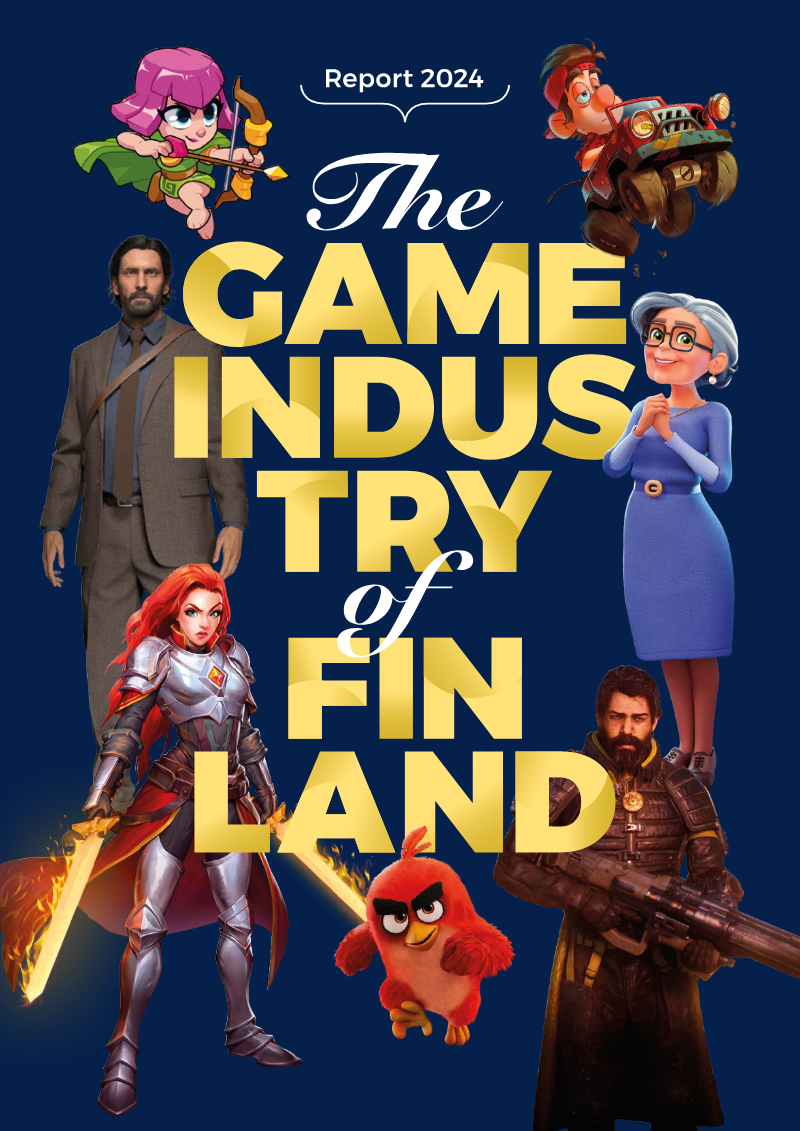
The study critically tests common explanations for the Nordic industry's success. Global hits such as Clash of Clans and Minecraft turned the region into a recognized start-up hub, and popular accounts credit a lively hobbyist scene, technical expertise, flat workplace hierarchies, and public support initiatives. The authors ask what concrete evidence actually exists for the role of local funding structures, and how comparative research on production cultures and policies can be conducted across national borders. They draw on prior work showing that national policy differences within Europe, including tax incentives, subsidies, and regulation, correlate with the maturity of national industries, and that Northern Europe leads in R&D spending and public game research investment.
The societal backdrop is the Nordic welfare model: small open democracies with tax-financed education, wage coordination, high average incomes, developed IT infrastructure, strong work-life balance, and active cultural and media policy. The comparative analysis centers on national game funding, while also considering shared efforts such as the Nordic Game Program, funded by the Nordic Council from 2006 to 2015.
Preliminary findings point to meaningful divergence. Norway channels support through the Norwegian Film Institute, favoring projects that promote national cultural heritage. Finland has historically funded game companies mainly through Tekes, the national technology and innovation agency, emphasizing technological and economic goals. Sweden lacked a coherent supportive policy but has recently moved toward a Finnish-style system. The authors contend that framing games as cultural artifacts, technology projects, or business propositions carries consequences for regulation, funding, and ultimately the character of the games made.
Each row is a game or company this document names, each column a document, oldest first. A mark means that document names it. Select a row to see those documents.

DiGRA · 2026

DiGRA · 2026



DiGRA · 2026
European Games Developer Federation · 2020