1 free read left. Create a free account for unlimited reading + AI research.
Create free accountArticle The Esports Advocate
1 free read left. Create a free account for unlimited reading + AI research.
Create free accountArticleThe Esports Advocate
Organizers integrate arena production, music, creator culture, and fan festivals. This approach drives ticket sales, tourism, and premium sponsorship opportunities.
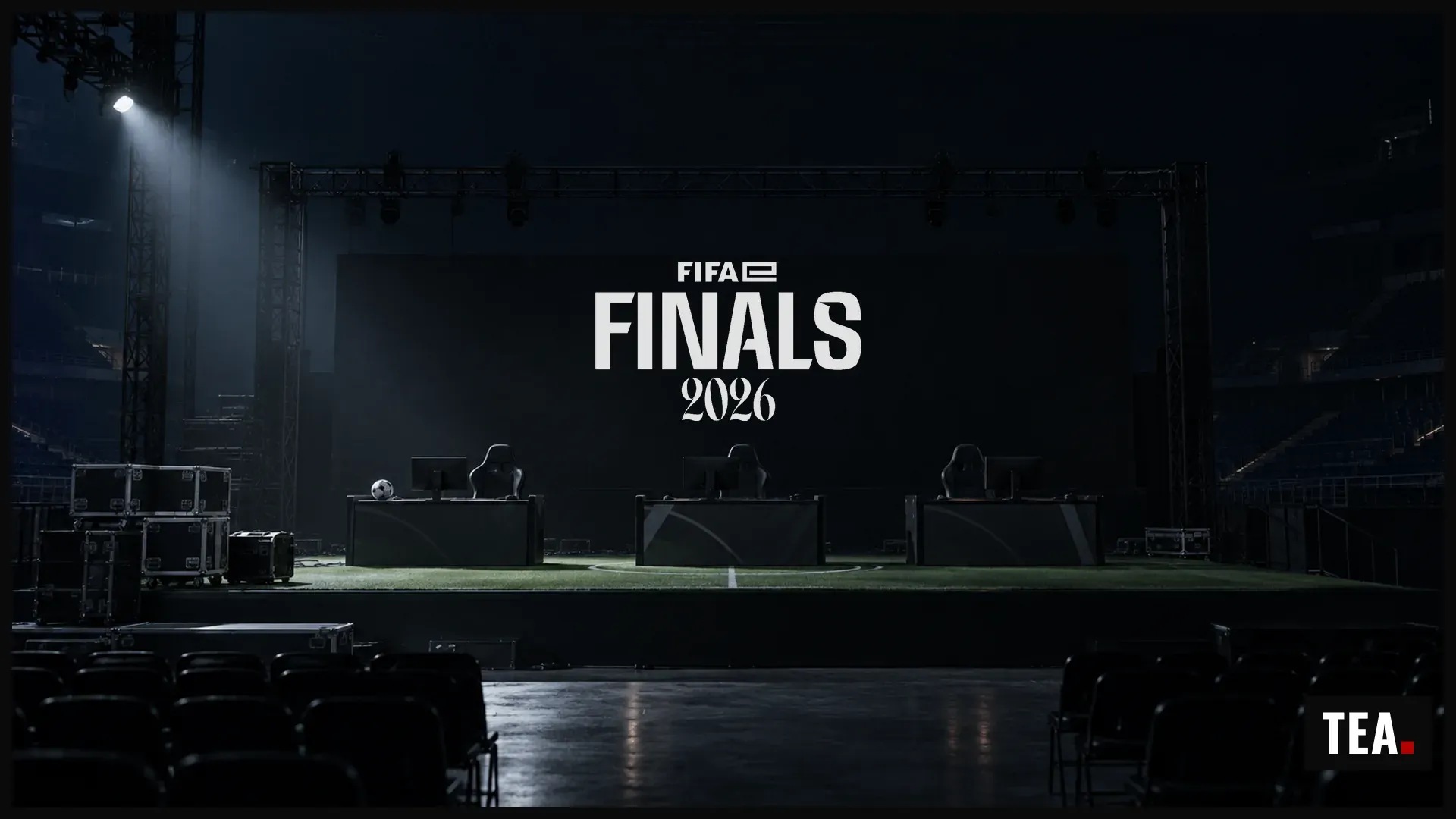
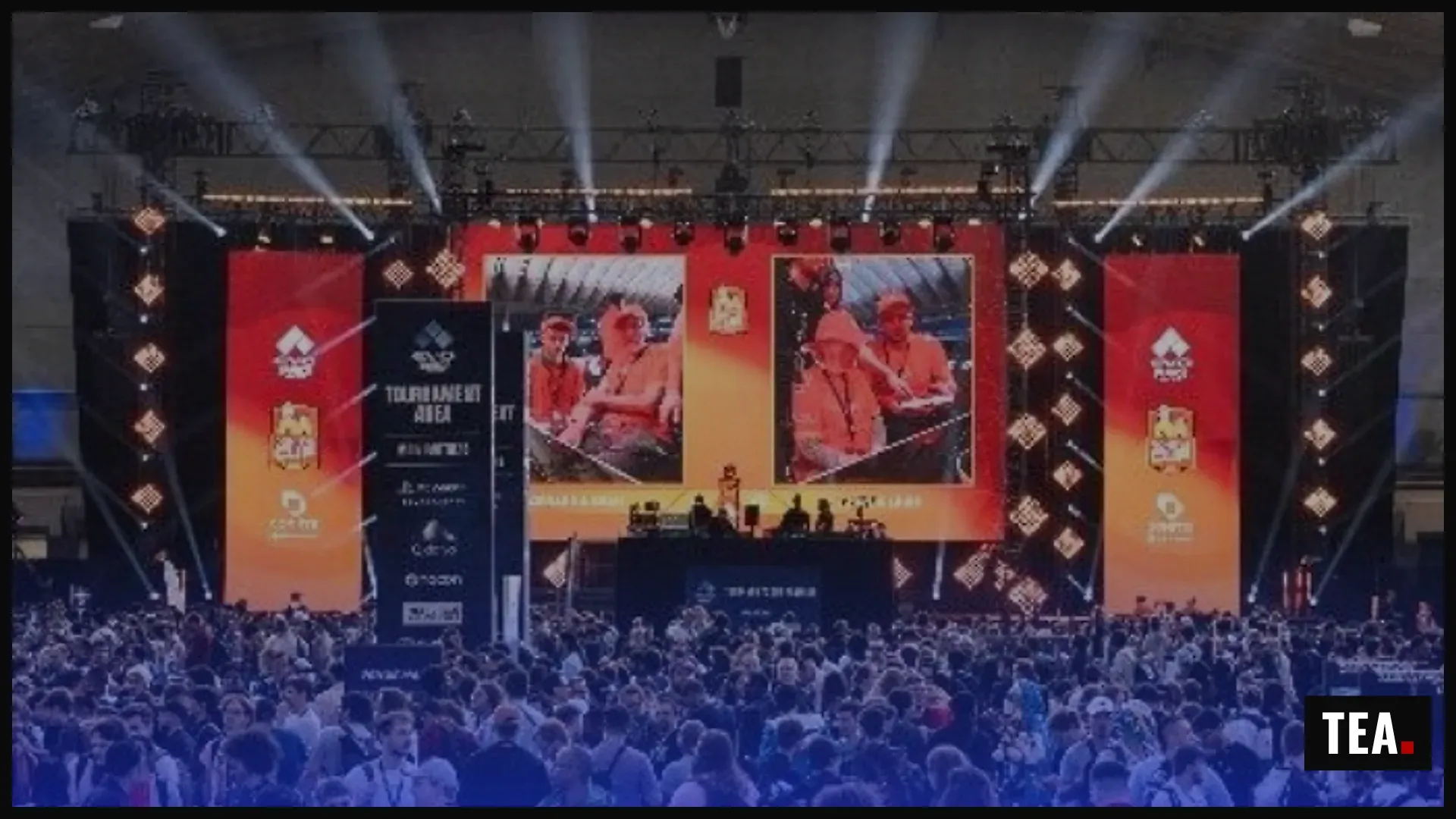
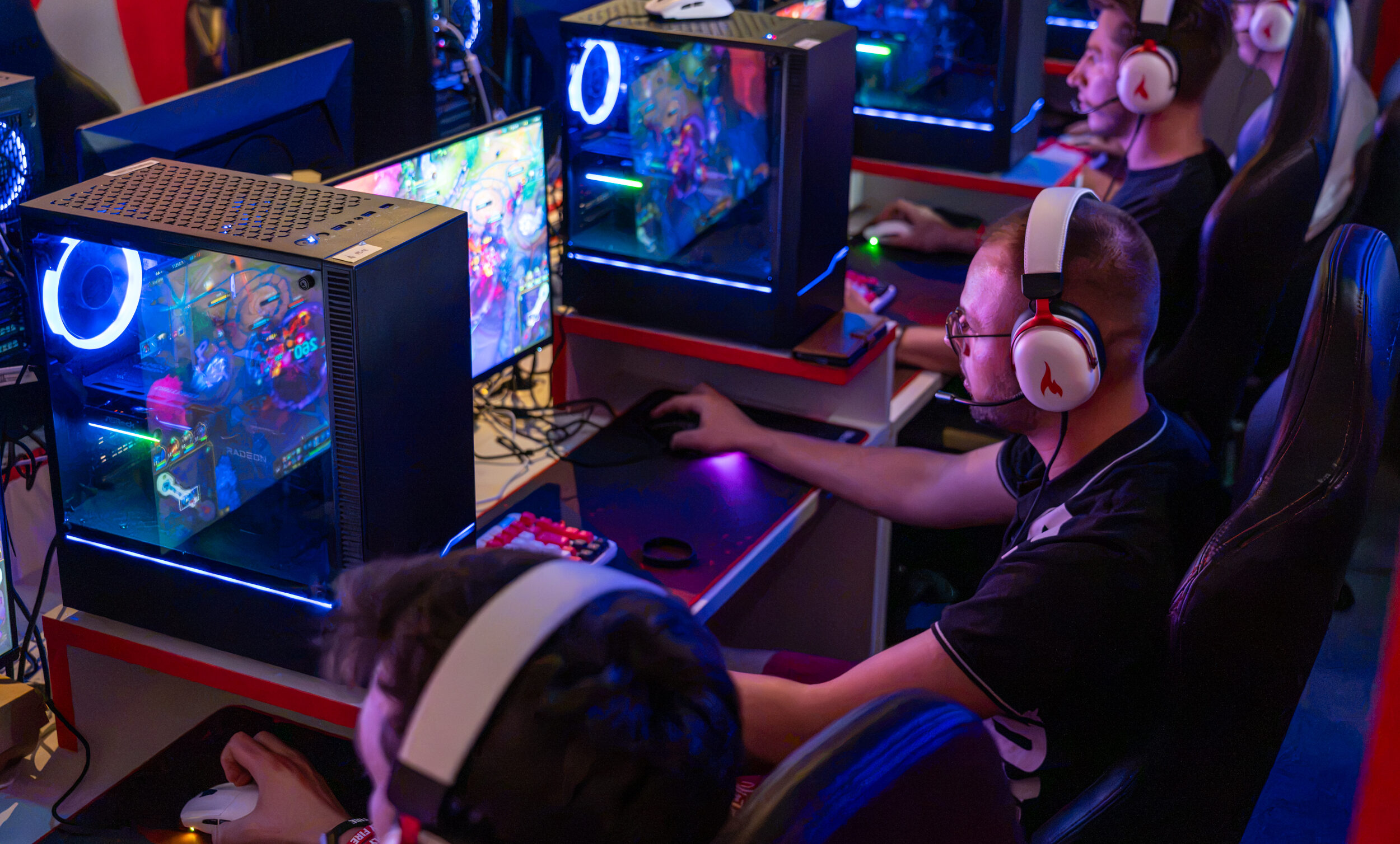
Major esports tournaments have evolved from niche competitive broadcasts into comprehensive live entertainment platforms. This transition reflects a strategic shift by publishers, tournament operators, and host cities to treat events as multi-layered spectacles that integrate arena production, music, creator culture, and fan festivals. By adopting the operational playbooks of traditional sports and large-scale entertainment, organizers are successfully driving ticket sales, tourism, and premium sponsorship opportunities.
The industry’s growth is evidenced by significant viewership metrics, with the 2024 and 2025 League of Legends World Championships recording peak audiences of 6.94 million and 6.7 million viewers, respectively. These figures, which exclude Chinese streaming platforms, underscore the massive reach of top-tier events. Furthermore, unique venue choices—such as the 2026 Red Bull Wololo event at London’s Royal Albert Hall—have demonstrated the ability to attract record-breaking audiences by blending high-stakes competition with iconic, non-traditional settings.
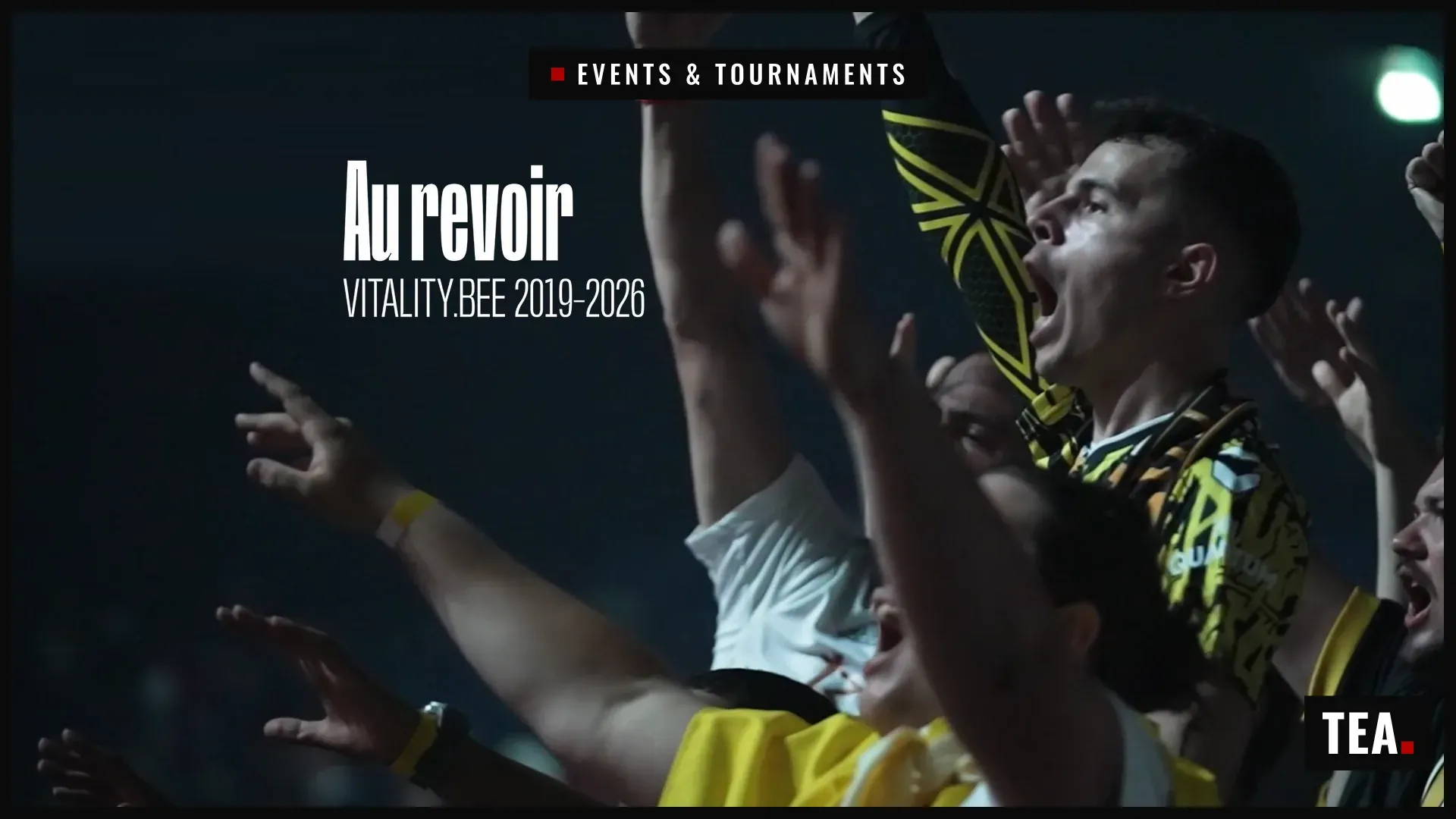
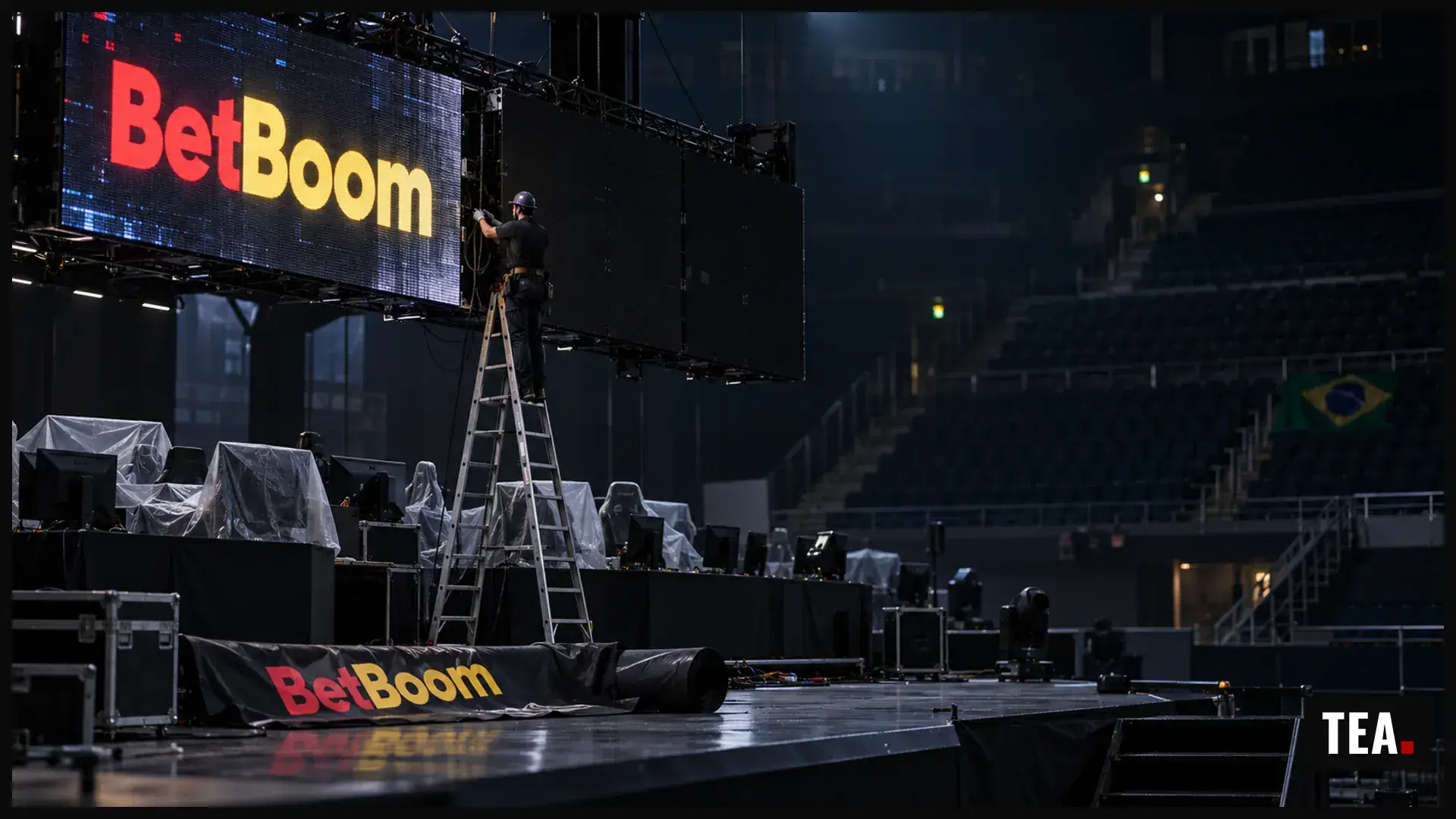
Methodologically, organizers are increasingly prioritizing fan engagement through direct access to players, meet-and-greet sessions, and the cultivation of "ultra" fan cultures that mirror the passion of traditional football supporters. This approach creates valuable on-site inventory for sponsors, allowing brands to move beyond simple logo placement into deeper community activations and documentary-style content. While the integration of betting sponsors remains a complex commercial vertical due to regulatory and brand-safety considerations, the overall trend points toward a sustainable model where esports events serve as essential cultural hubs. Ultimately, the industry’s long-term success depends on its ability to convert this cultural relevance into repeatable, high-value commercial products that extend well beyond the competition itself.
The Esports Advocate · 2026
The Esports Advocate · 2026
The Esports Advocate · 2026
The Esports Advocate · 2026
The Esports Advocate · 2026
The Esports Advocate · 2026
The Esports Advocate · 2026
The Esports Advocate · 2026
The Esports Advocate · 2026

The Esports Advocate · 2026
The Esports Advocate · 2026
The Esports Advocate · 2026