1 free read left. Create a free account for unlimited reading + AI research.
Create free accountWhitepaper European Conference on Games Based Learning (ECGBL)
1 free read left. Create a free account for unlimited reading + AI research.
Create free accountWhitepaperEuropean Conference on Games Based Learning (ECGBL)
The authors argue traditional Irish teaching struggles with student disengagement and little use of the language outside schools. They also note negative perceptions of Irish as less essential than global languages.
This paper presents Cipher VR, a virtual reality language learning game designed to reconnect learners with the Irish language through folklore, mythology, and immersive gameplay. The authors argue that traditional Irish language teaching struggles with student disengagement, limited everyday use outside schools, and negative socio-cultural perceptions of the language as less essential than global languages. Cipher VR seeks to address these barriers by combining digital game-based learning with VR, embedding vocabulary within culturally grounded narratives drawn from Irish myths and aligned with the primary school curriculum. The authors also suggest the approach could be applied to other endangered languages.
The game is built on an earlier screen-based version, Cipher, and uses hand-tracking, OpenXR, and the XR Interaction Toolkit to let players physically rearrange letter tiles to reverse spells and progress through a story culminating in the mythical Salmon of Knowledge. Settings include both mythical locations and the real River Boyne, and the pedagogical design follows experiential and scaffolded learning principles.
The evidence presented is limited to a small pilot study with 20 school children. Reported results show strong enthusiasm: 100% of participants said they liked the game and would recommend it, and 95% found it easy to play, with 85% reporting motivation to learn Irish. However, only 70% believed they learned something, and the authors describe learning gains as unclear. The authors acknowledge needs for clearer instructions, more stable controls, and stronger narrative links, and they plan standardised learning tests and larger user studies.
European Conference on Games Based Learning (ECGBL) · 2025
European Conference on Games Based Learning (ECGBL) · 2025
European Conference on Games Based Learning (ECGBL) · 2025
European Conference on Games Based Learning (ECGBL) · 2025
European Conference on Games Based Learning (ECGBL) · 2025
European Conference on Games Based Learning (ECGBL) · 2025
European Conference on Games Based Learning (ECGBL) · 2025
European Conference on Games Based Learning (ECGBL) · 2025
European Conference on Games Based Learning (ECGBL) · 2025
European Conference on Games Based Learning (ECGBL) · 2025
European Conference on Games Based Learning (ECGBL) · 2025
European Conference on Games Based Learning (ECGBL) · 2025
European Conference on Games Based Learning (ECGBL) · 2025
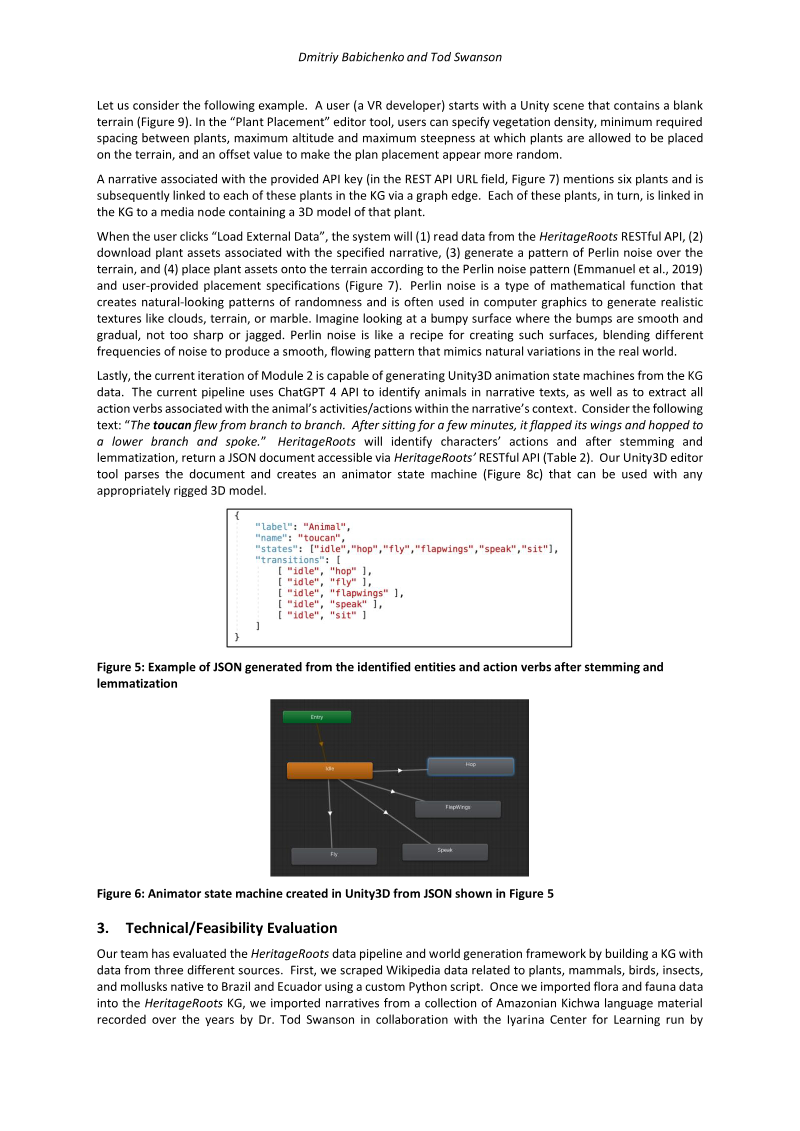
European Conference on Games Based Learning (ECGBL) · 2024
DiGRA · 2024