1 free read left. Create a free account for unlimited reading + AI research.
Create free accountArticle Journal of the Philosophy of Games
1 free read left. Create a free account for unlimited reading + AI research.
Create free accountArticleJournal of the Philosophy of Games
Video games operate as complex environments where fictional narratives and digital materiality exist in a state of perpetual tension. By applying the Derridean concept of hauntology, it becomes clear that spectral figures—ranging from literal ghosts to save-state mechanics and player-generated traces—function as essential bridges between the game’s diegetic world and its underlying programmed architecture. These entities serve as memory-storing mechanisms that reveal how the past, defined both as fictional history and pre-programmed code, continuously haunts and shapes the player’s present experience.
This analysis highlights that ghosts are not merely narrative devices but are dual-natured objects that expose the mechanical constraints of the software. Through the anthropomorphization of these digital specters, players navigate and attempt to tame virtual environments, effectively masking the technical reality of the game engine while simultaneously engaging with its limitations. By integrating Kantor’s bio-object theory, the research demonstrates that these spectral imprints force a performative interaction, where player agency is constantly negotiated against the pre-determined, algorithmic nature of the game object.
Spanning a diverse range of titles such as Braid, Assassin’s Creed, and Dear Esther, this study provides a comprehensive look at how digital temporality functions within the medium. The findings conclude that the spectral nature of video games is fundamental to the player experience, as it creates a layered reality where the past persists as a governing force. Ultimately, these ghostly manifestations deepen the illusion of a complex, living world while simultaneously laying bare the digital materiality that defines the boundaries of play.
Each row is a game or company this document names, each column a document, oldest first. A mark means that document names it. Select a row to see those documents.
Journal of the Philosophy of Games · 2025
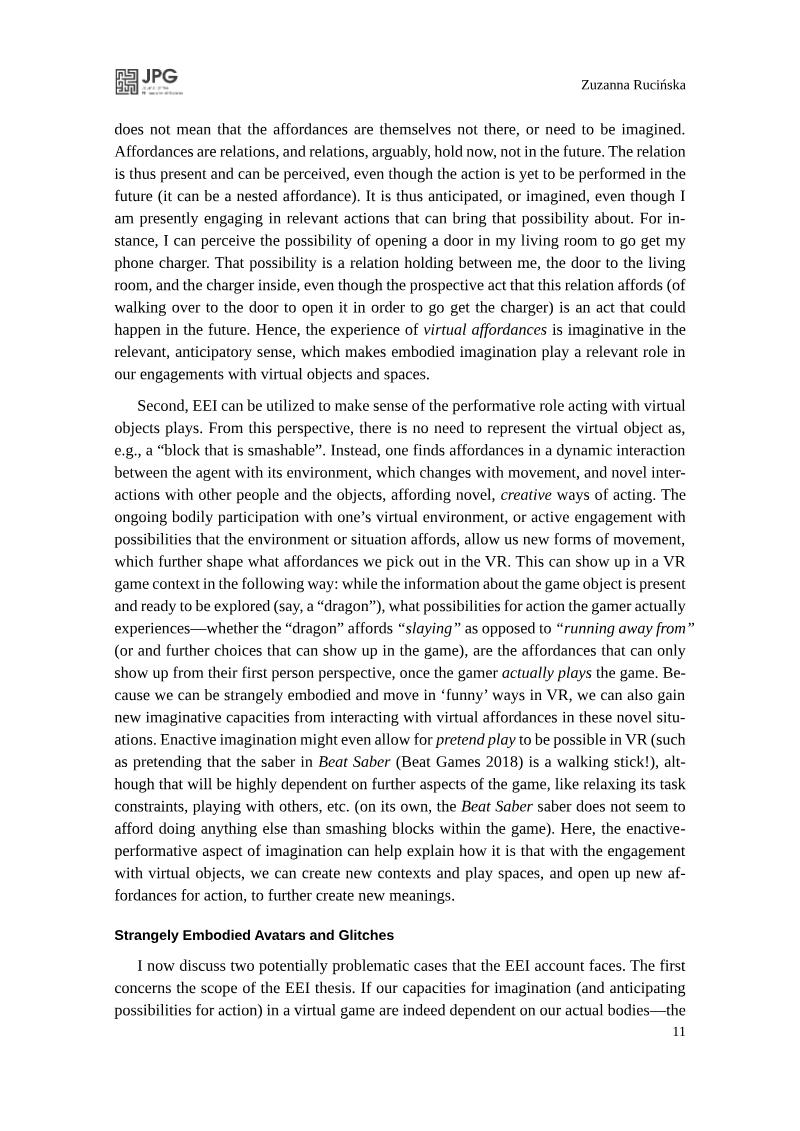
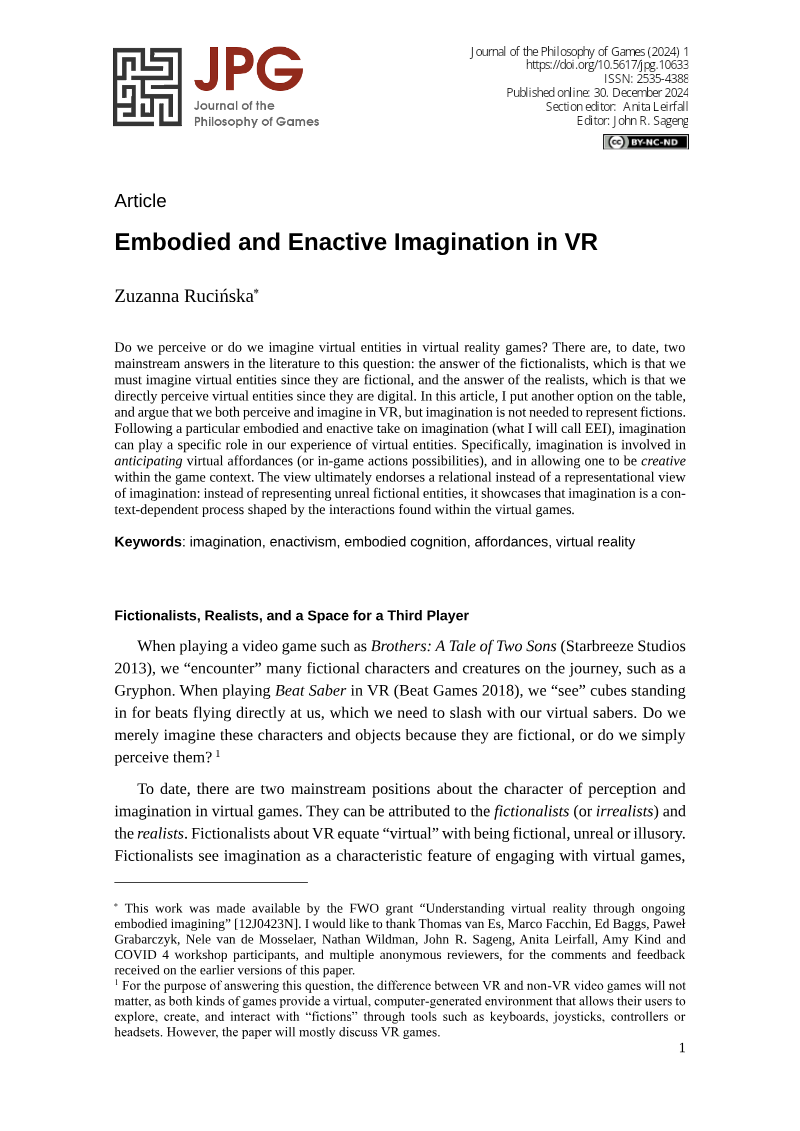
Journal of the Philosophy of Games · 2025
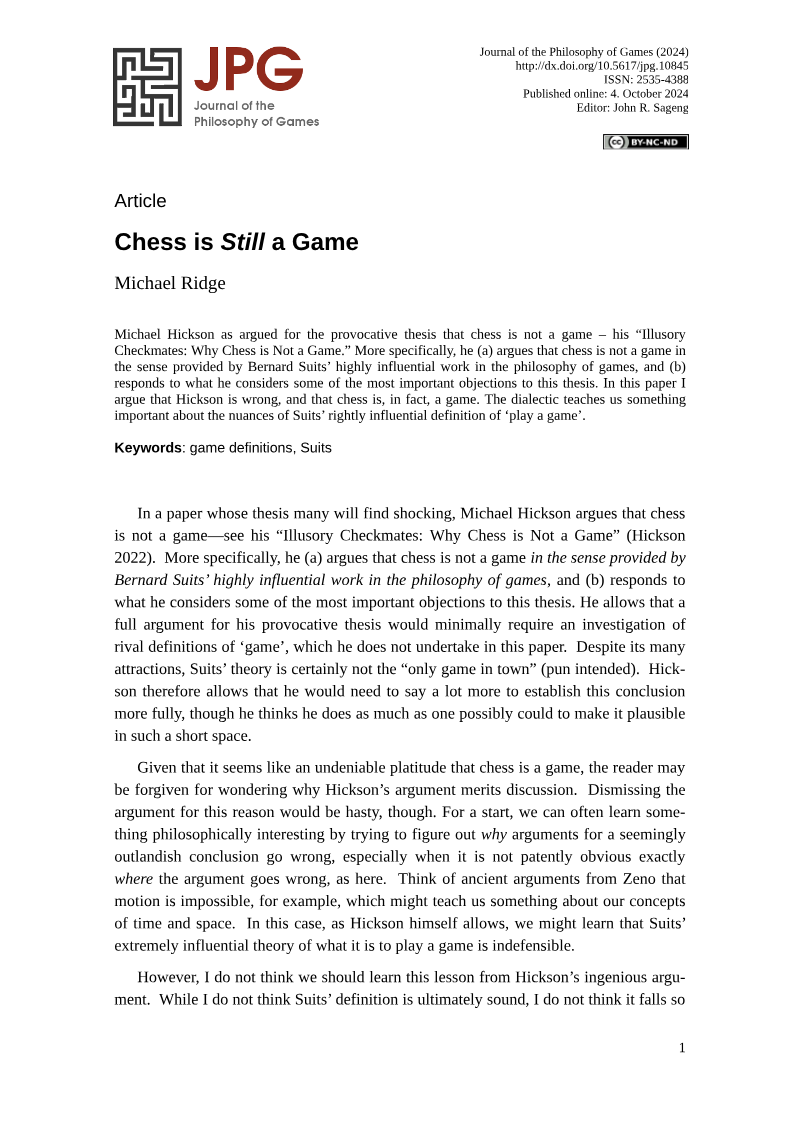
Journal of the Philosophy of Games · 2024
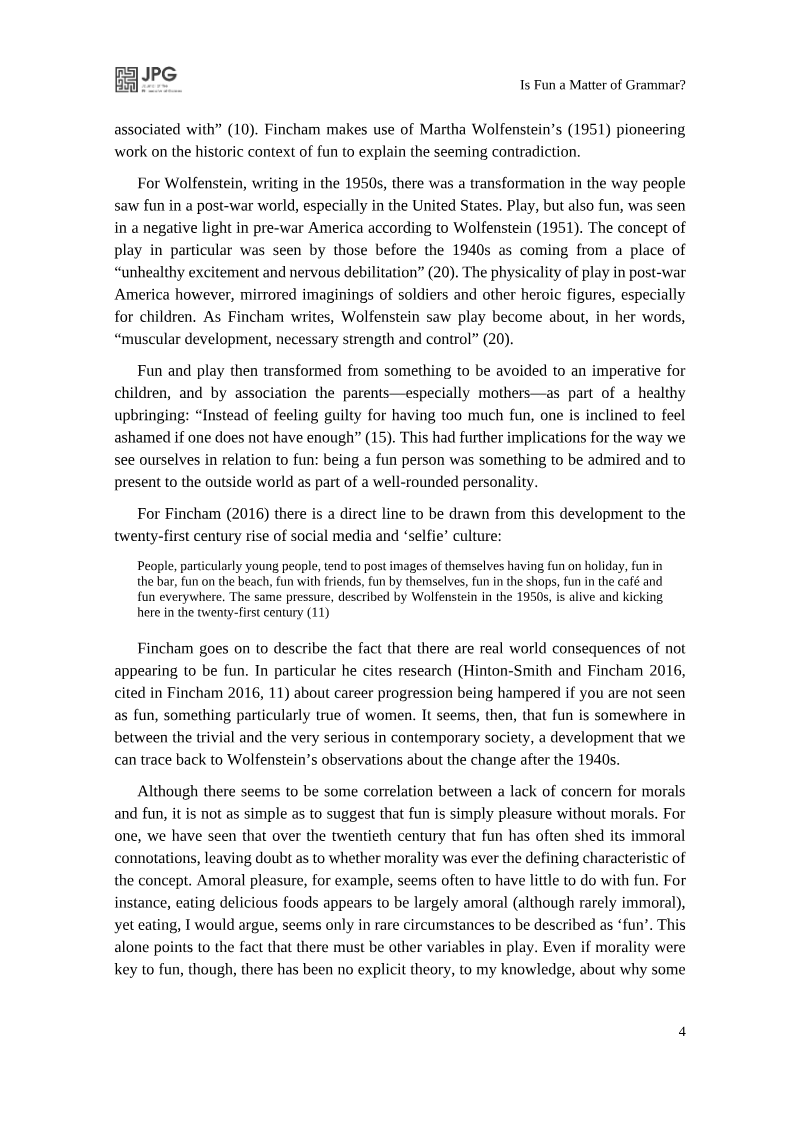
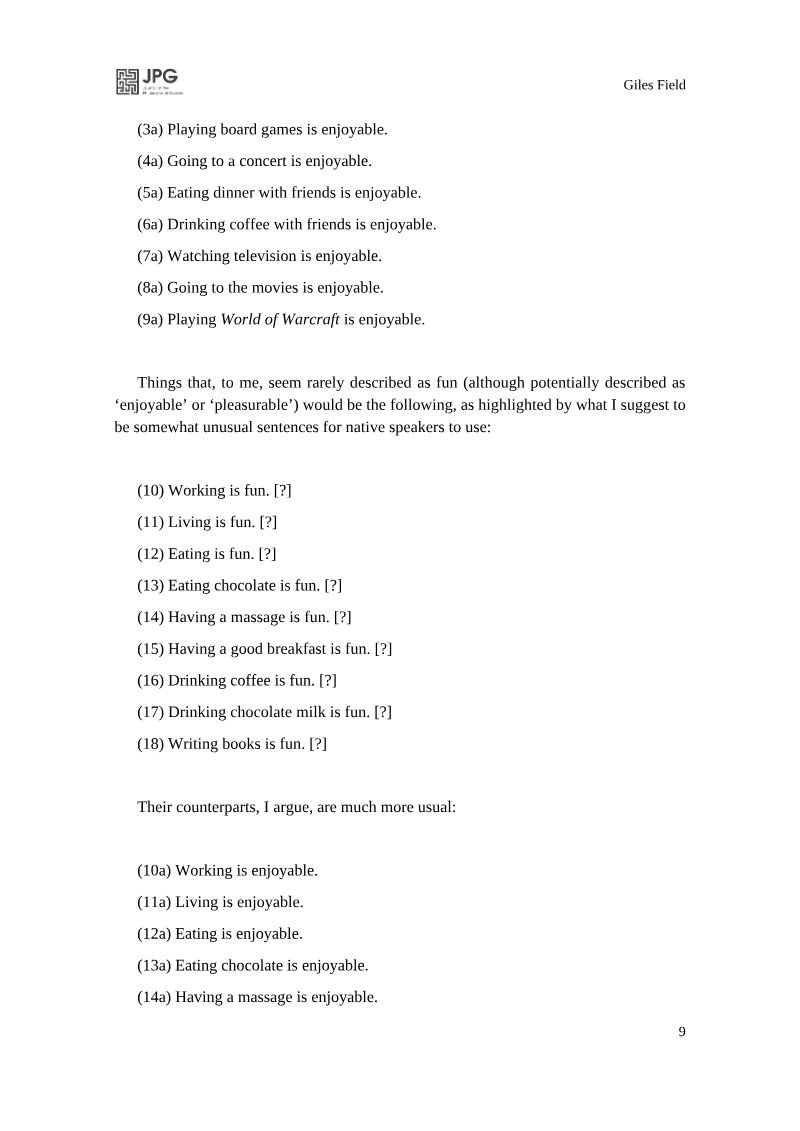
Journal of the Philosophy of Games · 2022
Journal of the Philosophy of Games · 2022
Journal of the Philosophy of Games · 2022
Journal of the Philosophy of Games · 2021
Journal of the Philosophy of Games · 2021
Journal of the Philosophy of Games · 2021
Journal of the Philosophy of Games · 2021
Journal of the Philosophy of Games · 2019
Journal of the Philosophy of Games · 2018
DiGRA · 2026