1 free read left. Create a free account for unlimited reading + AI research.
Create free account
Getting the Best Out of Your Team Without Burning Them Out PG Connects Digital #2
Key insights
6 takeaways- 01Organizations should implement a systems-based approach that integrates objective health data, such as heart rate variability and genetic predispositions, to identify and mitigate burnout before it occurs.
- 02Sustainable high performance in game development requires treating stress as a manageable metric rather than an inevitable byproduct of production cycles.
- 03Studio culture must be shifted to recognize recovery as a fundamental component of creative output rather than a distraction from productivity.
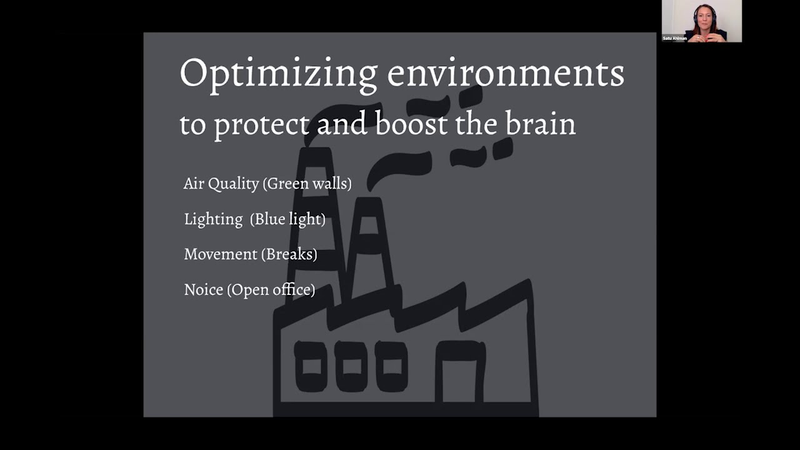
- 04Physical work environments must be optimized by actively managing air quality, lighting, and noise levels to support long-term employee health.
- 05Wearable technology should be utilized to track individual stress and recovery cycles, allowing managers to personalize capacity planning based on objective physiological data.
- 06Management must normalize frequent movement breaks to counteract the sedentary nature of game development, applying these standards to both remote and office-based teams.
Ask AI about this video
Transcript
next up we've got satti from saga performance who's gonna be talking about getting the best out of your team without burning them up it's really kind of like an evolution from the chat that we've just had so hi how are ya I am very well thank you how are you I'm good thank you where you based at the moment in Stockholm Sweden Oh fantastic how's the weather over there it's 20 to 23 degrees in the interest of time I'm gonna let you get on but as I say to everyone just while you're setting yourself up so everyone in the audience make sure you throw your questions into the Q&A section because
at the end I'll be coming back in there I'll be putting some of the air questions from the audience to you awesome thank you looks like look so good to me so I'll leave you to it perfect so then I guess everyone can see the presentation to it so my name is Salomon and I'm the founder of saga performance what we do we work with performance and leadership we work with data and science and behavior modifications with corporates and private clients and today my topic is to talk to you about getting the best out of your team without burning them out a very important topic especially in these times when everyone's working virtually most of the people at least and also a very important topic close to my heart a little bit about my background I'm I've always been working with people one way or the other so when
I was a CEO of a company obviously the responsibility was both business and and the people and the culture and I've been working with leadership development consulting management consulting and helping companies and individuals get the best out of themselves and I've done quite an international career originally I'm from Finland but right now I live in Sweden and in the past I've lived in the Middle East in the United Arab Emirates a few times and traveled a lot because of work and I've seen a lot of different types of teams companies and leadership styles as well and during those years that I was traveling as a consultant I was always asking like what more can I do to help these people and myself as well and then later on when saga performance was founded I realized that this is it redesigning high performance this is what my passion is
all about and combining the fact that we have a lot of data out there nowadays a lot of tools technology and science combining that with behavior modifications putting all my skills and my background together and I started to become an epigenetics performance coach so I'm able to help my clients to actually look into their genetic blueprint and help them optimize their lives and performance through that I also use data from heart rate variability through first beats lifestyle assessments for instance and that is something a topic that today I'm also gonna be talking a little bit more about how that can help companies and teams to really manage stress levels and understand the risks and hopefully also prevent any risks of burnouts and people getting tired because of high performance let's get to it really what is the foundation of our
approach a systems approach to life and performance a systems approach to human development of performance focusing on science-based analysis and through that enabling behavior change and behavior modifications and what is the systems approach according to us well your performance your life is the center but is sort of like a puzzle you're built as pieces off from pieces of puzzle and these pieces you can see in front of you on the presentation right now everything starting from your genetic blueprints - what is the environment that you live in and where you work the office the nature also considering the fact the how sleep affects your performance how the foods that you eat the the training that you do the physical exercise how that affects your life and lifestyle and
wellness and performance and health and also very importantly the things on the left side stress attitude and behavior the more stress the more difficult it is for us to also handle and manage our own attitude actually yes you can still always choose you have the keys in your hand you can choose your attitude every single morning and in every single situation it just becomes more difficult when you're under stress and then your attitude also starts to modify and show in your behavior which is also a factor for many team leaders and leadership people in leadership roles and managerial roles to be able to sense those behaviors around you in your team to prevent stress taking over the negative stress taking over so as I mentioned the vision the purpose for
soccer performance existence is redesigning high performance that has started already long before actually in my head before I saw the performance was founded I was asking why are these high performance cultures failing and high performance as a topic has been quite trendy a popular let's say past 15 years throughout my career when I was doing management consultancy I met a lot of people from IT from tech firms from a professional service firms big force and what did all these people and corporates have in common they were filled with high-performing individuals and their cultures where whether it was already written on the wall as this is our culture we are high-performance team that you could really sense and feel it everyone was
proud of being that but then later on when when years gone by you would start seeing more and more people getting sick and tired of that so sort of the high performance culture was backfiring because people were doing so much I'm delivering so much that they didn't know what else they could do except for perform perform perform and you know what happens when you just before you can't cope anymore because you get so tired of it at some point even the best top performers unless you know how to balance it and if you have a culture that boosts this kind of high performance do-do-do perform perform perform you might have a really tough time saying okay I need to pull the brake how to enable performance so let's look at this from a more big-picture overview before we deep dive into the
topic in a company or in a team usually what we have is a vision we have this where we want to go who we want to be and to be able to reach that we need action we need every single person in the team or in the company to be productive efficient and deliver we want action as you can see on the picture so how do we enable performance action and results what is really needed what are the building bricks and the building bricks are in the middle we start from we need to have a strategy that works we need to have a strategy that it becomes the roadmap that takes us it takes us towards the vision we also need to have the tools for the people and the processes for the people to be able to perform we need to have the skills the
people need to have the right skill sets to be able to perform and to create action in the middle we have culture and I would say that is probably the most significant part also where people and companies fail because it is in a way easier to create a fully functioning trade strategy and also make sure that we have the right skill sets but we might not have the willingness and the values and the culture so on an individual level what I mean with this is that every single person who comes to work every morning needs to be able to answer these questions do I understand why I'm going to work do I have the right skills and the right processes and tools to support my work do I understand what my contribution is so there we have meaning and ability and then still the question remains you actually want to do the job and if we look into Millennials
and and younger generations after Millennials what's gonna be important for them and what is important for them it's not necessarily the monetary gains it's more about the culture a sustainable culture that is matching your values and if the culture is not matching your values I might lose my interest or lose my motivation and look for another company to work for and also how does the company take care of me as an individual how shirk and I would be and a secured can I be that when times are tough that I'm taking care of like if a stressful period happens in my life whether it is in business or in the in the work or in my personal life
how will the company support me all these kind of questions need to be answered in my head it's so that I can feel like okay I'm very committed I understand the meaning willingness and the ability everything is checking the box then we can expect full hundred-percent performance in action one of the biggest causes of well people leaving or sick leaves happening burnouts obviously it's stress well we also need stress so a lot of times I hear like stress is negative we need to get rid of stress well that's not really true for us to thrive for us to create results for us to be happy for our hormones to work in the way they should we need stress in our lives you may be heard about cortisol people call it a stress hormone and yes cortisol role is to wake us up in the
morning and start our bodies and lines to get them to function and if we don't have that if we have to little off the stress hormone we're not going to be able to function so yes we need stress in our lives we just don't want stress to take over the nervous system that we have we have the parasympathetic and the sympathetic nervous system the sympathetic being the more of the fight flight zone where we can experience the negative stress if that takes over and we don't switch between the parasympathetic which is the rest and digest mode often enough then yes there's a big risk we are eventually going to burn ourselves out and we're not going to be able to call our immune system is going to be lowered or more fragile because of the stress we need to
be able to lead stress not only manage but lead stress and this is for corporates very important for team managers you need to be able to send stress but you need to also be able to do the work before stress the negative stress takes over so you need to be able to create cultures and processes that enable balanced stress because what we want is full capacity we want to have people performing and even performing on the highest possible level and we want them to recover and recovery often sounds like okay I recover when I'm sleeping yes that is a very important part but all recovery in a high performers life cannot happen just during the night especially if it's a short night and the
the normal person would be sleeping around seven seven and a half eight hours and is that sufficient if that's the only recovery even if it's good quality sleep no it's not fortunately not so your your job as a manager and also your own responsibility as an individual is to find out how can you recover during the day so that you can maximize your capacity and have a sustainable high performance one way of working with this with our corporate clients for instance is to really start using data to be one step ahead so what we do is we combine technology and data sources for instance with the firstbeat lifestyle assessments that I just mentioned where we use actual heart rate monitoring devices to detect heart rate variability to detect those switches
between the parasympathetic and sympathetic nervous systems tracking those stress levels and recovery day-in day-out for a certain period of time so that we can understand both on individual and team and company level how are people actually feeling and doing and we can also then detect maybe that we have certain teams that are not recovering or we have a office in in the city of whatever city it could be Stockholm London and wherever if we have multiple offices that we see that okay this specific city they're much more stress than the others okay then we start to understand okay there must be a reason and what could that reason be how can we handle it before things get serious so we need to be on top of things and the aim is to create resilient high performance cultures resilient meaning that we want
people to be able to go through stressful periods and recover from them so it won't hurt them a little bit more about the lifestyle assessments because I found that this is probably the best tool for for companies and for teams to really get an overview of how people are both managing stress but also recovering and one part of this assessment is also the physical the movement part because we know by now the science tells us that the more we move whether it is training exercising at the gym or just moving during the day the more we actually can recover and the more we can boost our brains so we have three parts in this assessment that we do and it is a device
that you put attached to your body underneath your clothes for three to five days and you use it day in and and that during the night as well and we get really nice deep analysis of all these areas and then we can use them on an anonymous level also to look into teams to look into the entire company and then based on that data we can make concrete plans on how to further develop and further maybe make some modifications in the way we lead the way we manage and the way people are taken care of the way we handle wellness activities for instance one area that is of course employers and the responsibility is the office environment for now I know that most of us are
working virtually from home but eventually we will go back to the offices as well and whether you are working at home or at the office the same things actually apply but what we want to achieve is an environment that protects us and boosts our brains protecting what do I mean with that is really protecting your brain and your capacity so that you can feel safe that I I won't cross my limits unless I want to but the environment is there to safeguard my performance that I won't get sick because of the office air or the office lighting or that it becomes so stressful for me with all the noises and everything that I can't cope they might sound funny when you start listing them like this but they're really important that there's a lot of
science going on around these topics and research what we're doing also us what we are testing with our clients for instance the air quality being one of the topics we've been combining in collaboration with with a company called Nava who are producing this kind of AI dream and greenwalls for offices hopefully later on also for for individual clients for privates homes but their idea is that you create more pure air and that has a direct impact on your cognitive capacity and how you feel but also of course your your body's functions your immune system so a lot of benefits that you can have for your office environment and what we did together with Nava we actually did this kind of first meets assessments to see how the body reacts in stress when
there are people sitting in these kind of rooms with Nava green walls and when people are working somewhere else and we could really see this is not a major study so we can't really say that this applies and it's only because of lava walls but what we could see was really nice results with people having better recovery and lower heart rates when they were in an environment where they felt calm and we're probably able to breathe brother as well another part is lighting lighting in offices and also the light that you get from the screens that are you're looking at right now and the screens on your mobile phones light when it's too much and especially too late in the evening can have a very harmful effect not only to your eyesight but also to your hormones sleep hormones melatonin for instance peloton has other
functions as well not just a little sleep hormone but if your melatonin function is not optimal because you're staring at blue lights the entire day and even in the evening at your home that's not good and what can you do as a company as a team leader as a manager well there are multiple ways of adjusting the office lighting phyllis phillips for instance has ways of modifying the lights so that they are more beneficial depending on the time of the day but also out for individuals you can have filters on your screen you can block the blue light with blue light blocking eyeglasses so take care of that and be proactive before it starts harming you I know that we all sit in front of computers every day right now especially and I personally use those
glasses and have noticed a huge difference between my sleep quality because of them and then movements I mentioned it already it is our responsibility to make sure that the people are moving not everyone wants to be the marathon runner or or go to gym every time every day but what we want to have is breaks we want people to take breaks for their brains and breaks for the bodies to move so that the brain it has the time to actually refresh themselves and that could be just creating processes or having apps in your mobile phone to notify you that now it's time to take a break and that has to be also a culture that you allow people to do it's not just a break when when it's lunch but it's a break because you need just one minutes you're refreshing your brain so people usually can focus maybe between 20 to 25 minutes
really well and optimally you would have a break maybe one minute two minutes after that and then you continue and if you actually also stand up when you're doing that and taking the break you are giving yourself much better boost so there are small things that make can make a huge difference but your culture in your company nice needs to support those changes as well noise is one of the big issues that is under constant debate as well open offices some people say I want to be in an open office because that's the only way I can get creative and I can talk to people and some people say I can't handle that noise so how do we deal with that of course now we also have these kind of booths that you can have you can have silent rooms and so on you can have these kind of headsets on but it's also once again very important that you know what the people need who are in your
team you need to be able to have those dialogues to get the feedback so that you can accommodate as as much as you can in the office space that you have your choice can really become a huge stressor for some people and we can see that when we're looking at days on when we have people in the open office environment and then we have someone who really gets disturbed by that actually be sitting in another room for a full day and the stress levels are very different so once again data can help us to these fan of stressors future trends what I want to see and what we are going to see is that we're going to be moving much more from this kind of a managing stress being reactive towards leading stress towards being in control both and
company level team level and on personal level we want to be able to use wearables tech leading with data that is our future because that will help us to secure wellness and health and also secure the fact that we can have resiliency we can have efficiency and productivity and not just have efficiency or productivity and high performance without resilience and this will enable the redesigning of high performance cultures so we're going to be seeing a much more proactive approach to wellness on corporate levels and individual levels and hopefully it globally a much more proactive way of actually doing health care and that's a
bigger thing and that's we're not going to go into that today yeah I think I'm gonna stop there and open up for questions and answers if there are some fantastic now is really interesting especially for me as some people know if they were in one of my other tracks I I actually studied psychology at university a long time ago this sort of stuff fascinating to me we often find that the questions warm up in a bit so in the meantime we've only got a couple of minutes but I thought I'd throw in a question I've got which I think he's kind of interesting right now is prophecy managing stress and everything is important not just for you know the well-being of the staff but also to the company ethos and and everything really but do you that monitoring and managing that has become all the more challenging right now given what's going on in the world not just because there's obviously a
range of external factors independent of work but also because you know we're all working remotely and it's much harder turn to make sure that everyone's well indeed yeah I talk about this a lot with my clients who are most of them managers and yes checking in and doing this kind of virtual coffee breaks it's much more needed now than it's ever been and all of them say that it's much more difficult to sense especially if we wouldn't have the video and I've said to everyone you have to keep the videos on when you're talking to your team members at least once a week because just not seeing each other in several months I'm just going by what you're hearing you can't really sense what's going on yeah yeah we've got a question from the audience which is you mentioned open-plan offices do you think that the move to be open and connected in an office space will be killed off by
conrod um I think what we're gonna be seeing is that people are gonna continue working more from home and we might have more of like common meeting places at the office that we gather to do something or to discuss or brainstorm for a reason and not just let's all go there because we have to be there Monday to Friday 8 to 6 or whatever yeah yeah fantastic yes oh we actually will sneak in one final question which is thanks Dutch says thanks for such an insightful session what's your take on meditation should one incorporate and motivate employees to try it to reduce stress well great question personally a big fan I know that a lot of people are also they don't feel comfortable with meditation unless you personally want to embark the journey I don't think people should be pushed to do that on the contrary I would say use
breathing breathing exercises that are that much more sort of tolerable and easy to accept for people who might be against meditation or think it's just a fluffy thing but breathing exercise is just easy four breaths in hold for four four breaths out hold for her I'm a second so that could be a very easy way to do together with your team for instance and get more fresh air and focus and it seems you've got someone who's in agreement as well which is our boss the managing director of steel media who says steel media's been distributed distributed business for 15 years so we can testify it works but a mix of homework and short time in the office seems perfect which I can attest to because even though it's not an office when we all get together on trips and travel when we're putting on our physical pocket game connections that's like our office office time and brings us all together fantastic well thank you so much for giving such a fascinating
talk and yes really are all things for the audience thank you so much great good to hear thank you thank you for having me I'm enjoying the weather in Stockholm as well thanks have a great weekend thank you you too Thanks bye-bye
Summary
Sustainable high performance in the gaming industry relies on a systems-based approach that balances intense productivity with intentional, data-backed recovery. Rather than viewing stress as an inevitable byproduct of high-pressure development cycles, organizations should treat it as a manageable metric. By integrating individual health insights—such as heart rate variability monitoring and genetic predispositions—leaders can identify early signs of exhaustion and intervene before burnout occurs. This proactive strategy shifts the focus from reactive crisis management to a culture of sustained wellness that aligns company values with the physiological needs of the workforce.
Building a resilient team requires both technological integration and environmental optimization. Wearable devices provide the necessary data to track stress and recovery cycles, allowing for more personalized management of team capacity. Beyond individual tracking, the physical and digital work environment plays a critical role in long-term health. Leaders must actively manage factors such as air quality, lighting, and noise levels, while normalizing frequent movement breaks to mitigate the sedentary nature of game development. These adjustments are equally vital for remote and office-based teams, ensuring that productivity remains consistent without compromising employee health.
Ultimately, the goal is to foster a professional culture that recognizes recovery as a fundamental component of output rather than a distraction from it. By leveraging objective data to inform management decisions, studios can protect their most valuable assets while maintaining high standards of creative excellence. This shift toward data-driven wellness management is essential for retaining talent and ensuring that the industry remains viable and productive over the long term.




















Comments