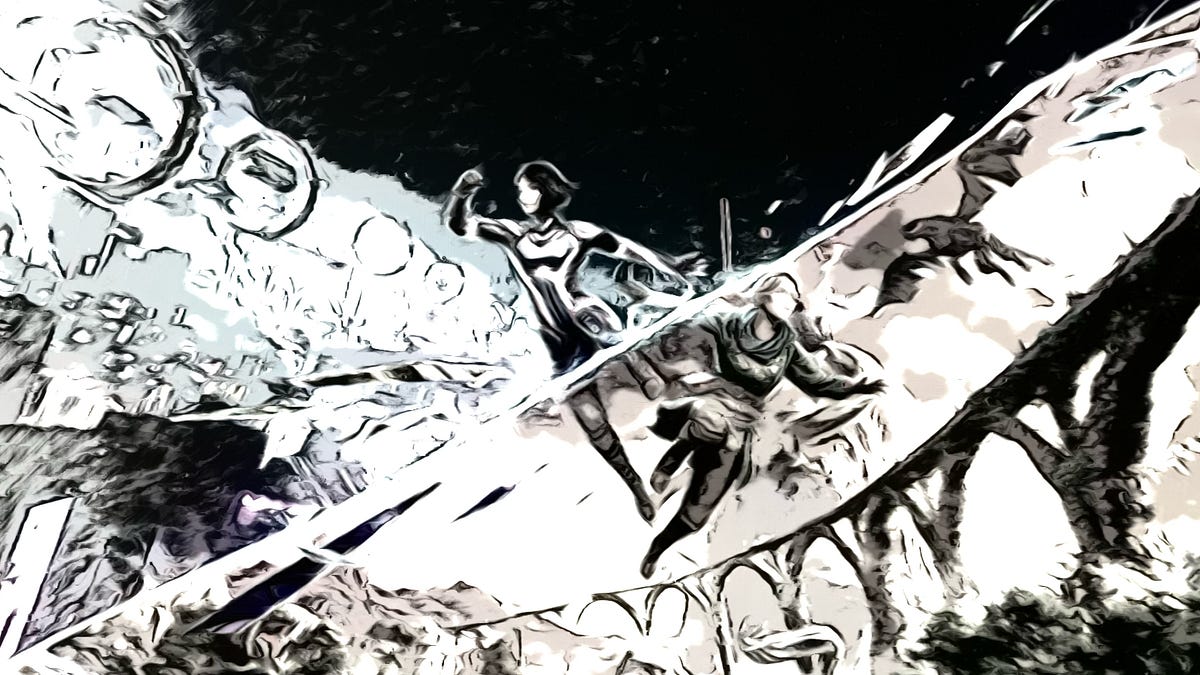
The contemporary AAA video game industry faces an existential crisis driven by an unsustainable escalation in production costs. Major publishers, including Activision, Sony, and Microsoft, now routinely allocate between $250 million and $600 million to individual titles, with some legacy franchises approaching the $1 billion threshold. This trend represents an eightfold increase in average development budgets since 2000, creating a market environment where only the wealthiest studios can compete, while simultaneously forcing publishers to adopt aggressive monetization strategies to offset stagnant consumer pricing.
The primary driver of this cost inflation is content bloat rather than technological innovation. The relentless pursuit of photorealistic assets and larger file sizes necessitates thousands of additional artist-hours, yet productivity gains from modern game engines have largely plateaued. Consequently, the industry is trapped in a cycle where technological advancement serves to increase production demands rather than enhance gameplay complexity. This dynamic has created a paradox where publishers possess the capability to build increasingly massive experiences but are paralyzed by the financial risks, leading to a reliance on formulaic franchise extensions over creative experimentation.
While generative AI is frequently cited as a potential solution for cost reduction, current industry data suggests it will not lower development expenses. Instead, the majority of AAA, AA, and indie publishers intend to reinvest any efficiency gains from AI into producing even larger and more ambitious games. As the industry approaches a necessary correction, the most vulnerable entities are mid-tier studios lacking the resources to sustain these ballooning budgets. Future success in the sector will likely require a fundamental shift away from spectacle-driven development toward business models that prioritize structural innovation and creative constraints.

SuperJoost · 2026
SuperJoost · 2026

SuperJoost · 2026
SuperJoost · 2026
SuperJoost · 2026

SuperJoost · 2026
SuperJoost · 2026
SuperJoost · 2026

SuperJoost · 2026

SuperJoost · 2026
SuperJoost · 2026

SuperJoost · 2026

Modern Times Group · 2026
InvestGame · 2025
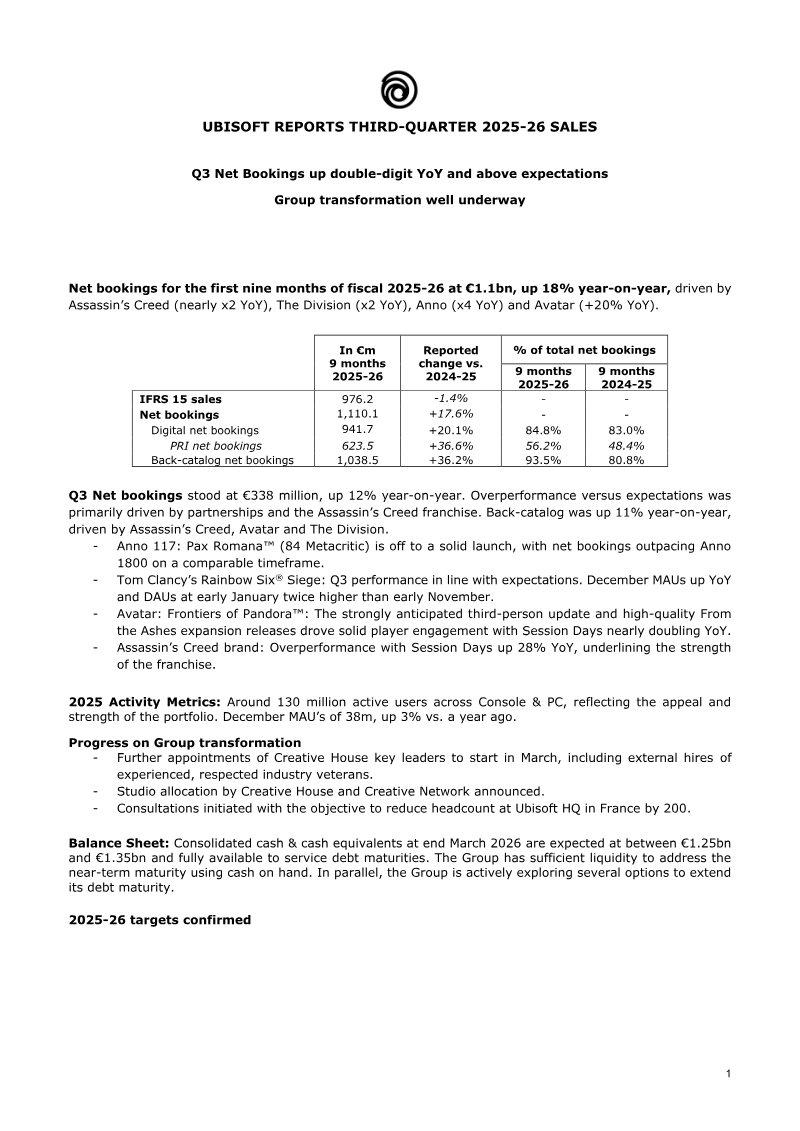
Ubisoft · 2025

G5 Entertainment AB · 2024
Paradox Interactive · 2024
Bandai Namco · 2021
King · 2021
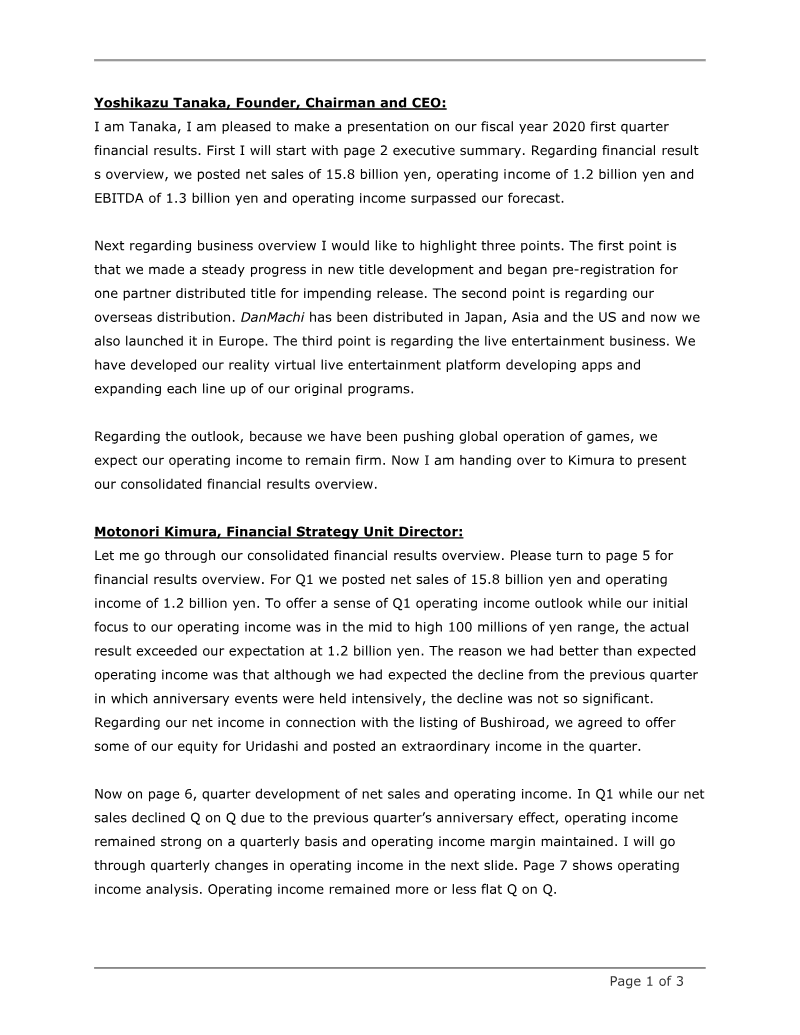
GREE · 2020

GREE · 2017

HPvX Partners
Modern Times Group
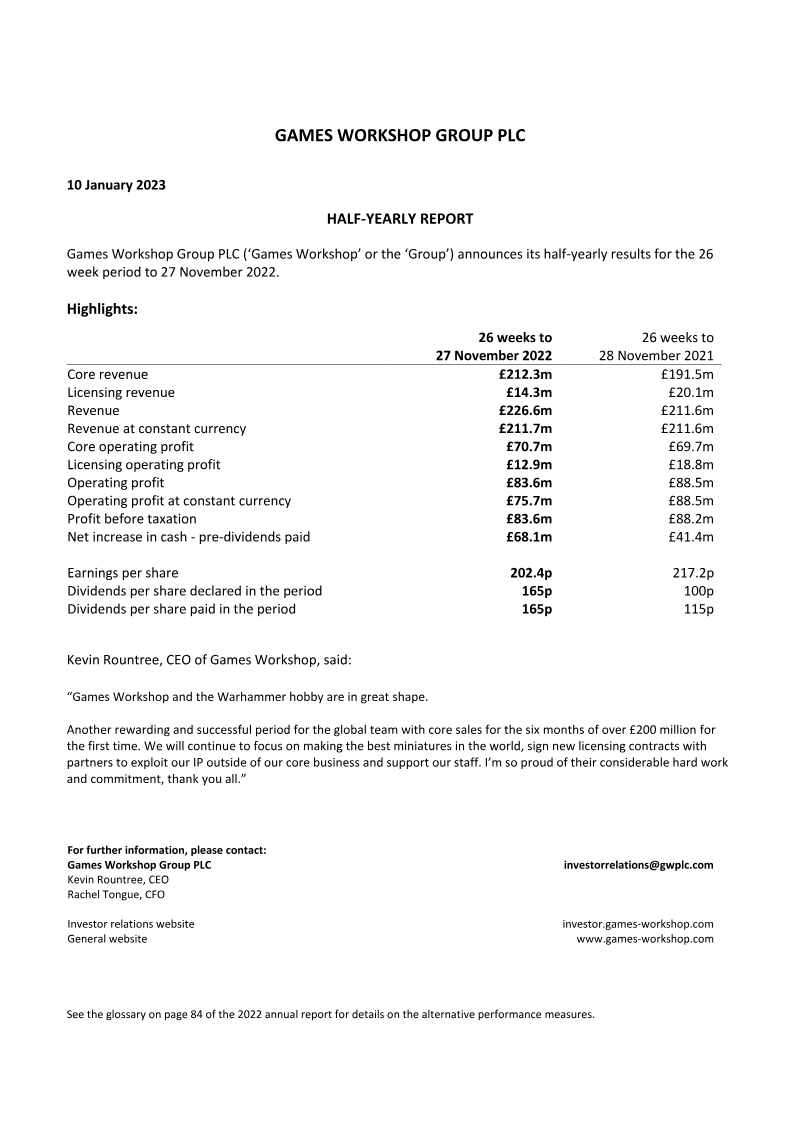
Games Workshop Group