ArticleDeconstructor of Fun
Gaming Lost Another VC. Don't Be Surprised
21 Apr 20261 pages~8 min full read
The departure of experienced founders from the venture capital sector highlights a fundamental misalignment between the operational instincts of builders and the structural demands of fund management. Through the lens of Joakim Achren’s transition from a successful gaming entrepreneur to a venture capitalist and back to a builder, the analysis illustrates that while founder experience is valuable, it is insufficient for long-term success in venture capital. The core thesis posits that the role of a general partner is primarily defined by the management of limited partner (LP) relationships and fundraising, rather than the mentorship of portfolio companies.
Key findings indicate that the venture capital landscape for gaming has cooled significantly since the pandemic, as evidenced by data from Aream and InvestGame. With over 40 gaming-focused funds established during the COVID-19 era, the market has reached a saturation point where exit multiples often fail to justify the risk for new capital allocators. Consequently, the job of a general partner has become increasingly difficult, requiring a disproportionate amount of time—often exceeding 50%—dedicated to fundraising and managing LP expectations rather than engaging in the creative, hands-on work that defines the builder experience.
The analysis concludes that the decision to exit venture capital is often a rational response to these structural realities. For founders, the allure of emerging platform shifts, such as the current advancements in artificial intelligence, frequently outweighs the administrative and financial constraints of managing a micro-fund. Ultimately, the transition serves as a reminder that venture capital requires a distinct set of priorities focused on capital allocation and institutional trust, which may conflict with the intrinsic motivations of those driven to build products and solve problems directly.
Deconstructor of Fun · 2026

Deconstructor of Fun · 2026
Deconstructor of Fun · 2026
Deconstructor of Fun · 2026
Deconstructor of Fun · 2026

Deconstructor of Fun · 2026

Deconstructor of Fun · 2026
Deconstructor of Fun · 2026

Deconstructor of Fun · 2026
Deconstructor of Fun · 2026

Deconstructor of Fun · 2026
Deconstructor of Fun · 2026
Drake Star · 2025

The Games Fund · 2025
Konvoy · 2024
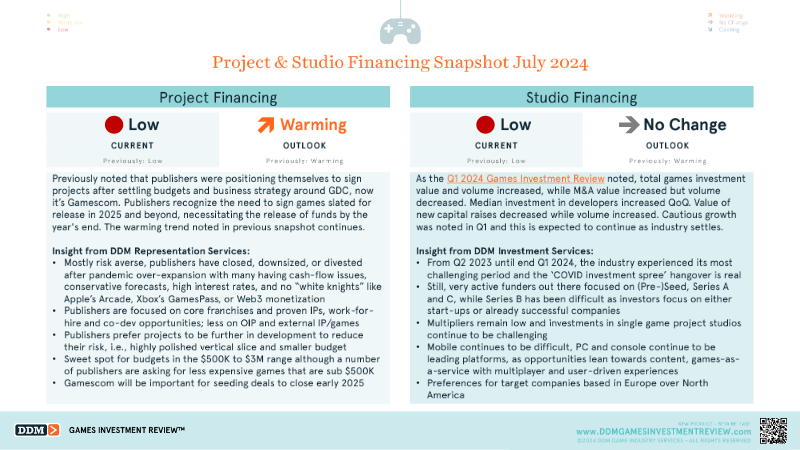
DDM · 2024
Konvoy · 2024

PitchBook · 2024
InvestGame · 2024
InvestGame · 2024

PitchBook · 2024
InvestGame · 2024
Konvoy · 2024
Konvoy · 2023