
GameStop experienced a period of severe financial contraction during the first quarter of 2020, ending May 2, 2020. Net sales plummeted to $1.02 billion, representing a 34% decline from the $1.55 billion recorded during the same period in 2019. This downturn resulted in a consolidated operating loss of $108 million and a net loss of $165.7 million, a stark reversal from the $6.8 million net income achieved in the prior year. The primary catalysts for this performance were the widespread, pandemic-induced temporary store closures and a cyclical decline in demand as consumers delayed purchases ahead of anticipated new console hardware launches.
The company faced significant operational headwinds, including a 40.1% drop in gross profit and the necessity of recording $53 million in valuation allowances on deferred tax assets alongside various impairment charges. To navigate these pressures, management accelerated cost-reduction initiatives under the GameStop Reboot strategy, which included executive salary cuts, reduced capital spending, and tighter inventory management. While the Australia segment provided a minor buffer against global losses, the broader organization remained heavily impacted by the global health crisis and the transition between console generations.
Despite these challenges, the company maintained a liquidity position of $570.3 million in cash and equivalents as of early May 2020. To address upcoming debt obligations, including $417.2 million in senior notes due in 2021, the company utilized its revolving credit facility and initiated an exchange offer to extend debt maturities to 2023. Management asserts that these proactive financial measures, combined with ongoing expense control, provide sufficient capital to sustain operations and continue the long-term transformation strategy throughout the remainder of the fiscal year.
GameStop · 2026

GameStop · 2026
GameStop · 2025

GameStop · 2025

GameStop · 2025

GameStop · 2025

GameStop · 2024

GameStop · 2024

GameStop · 2023

GameStop · 2022

GameStop · 2022

GameStop · 2021
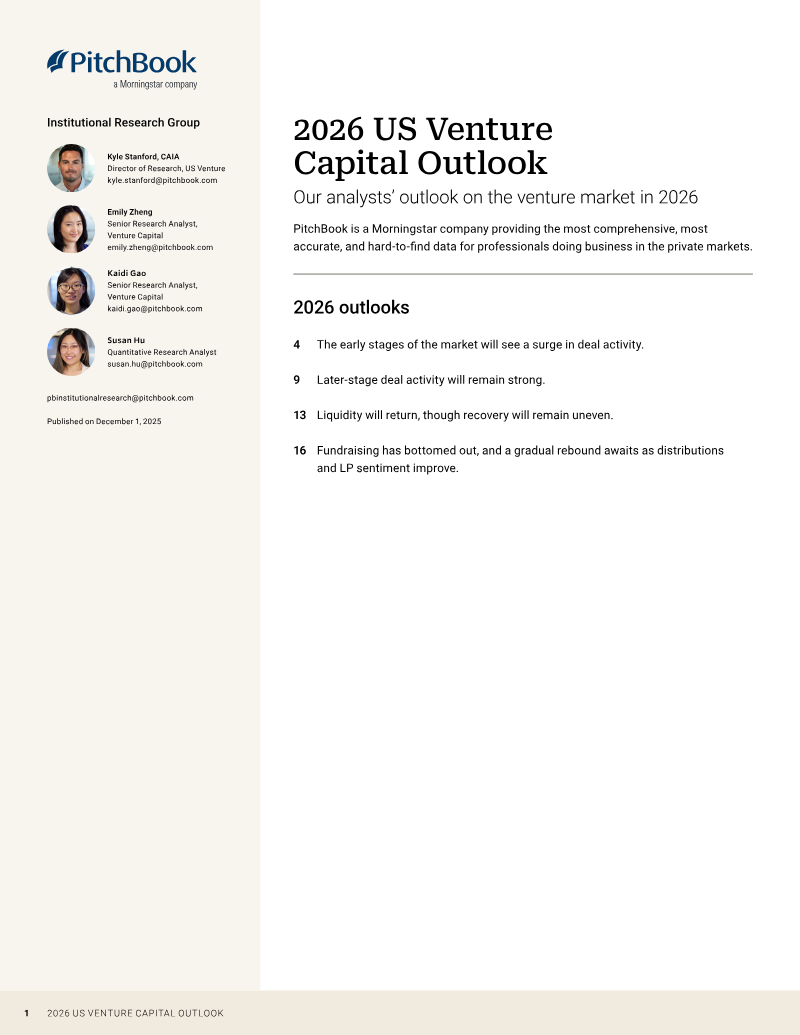
PitchBook · 2026
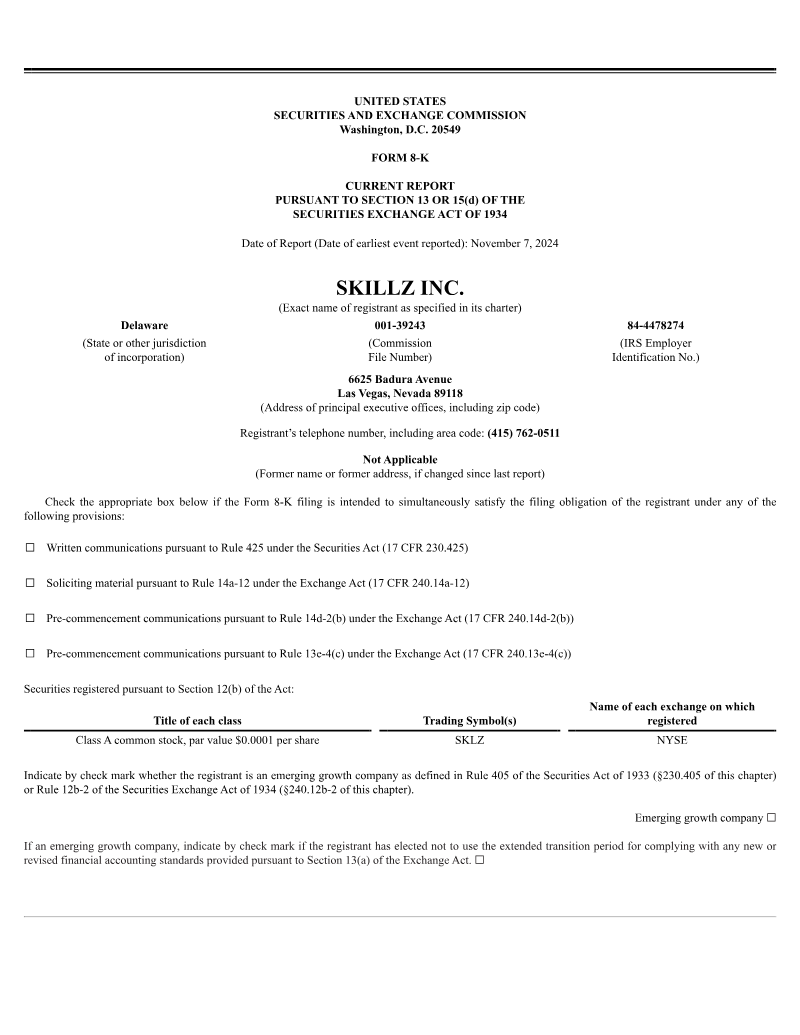
Skillz · 2024
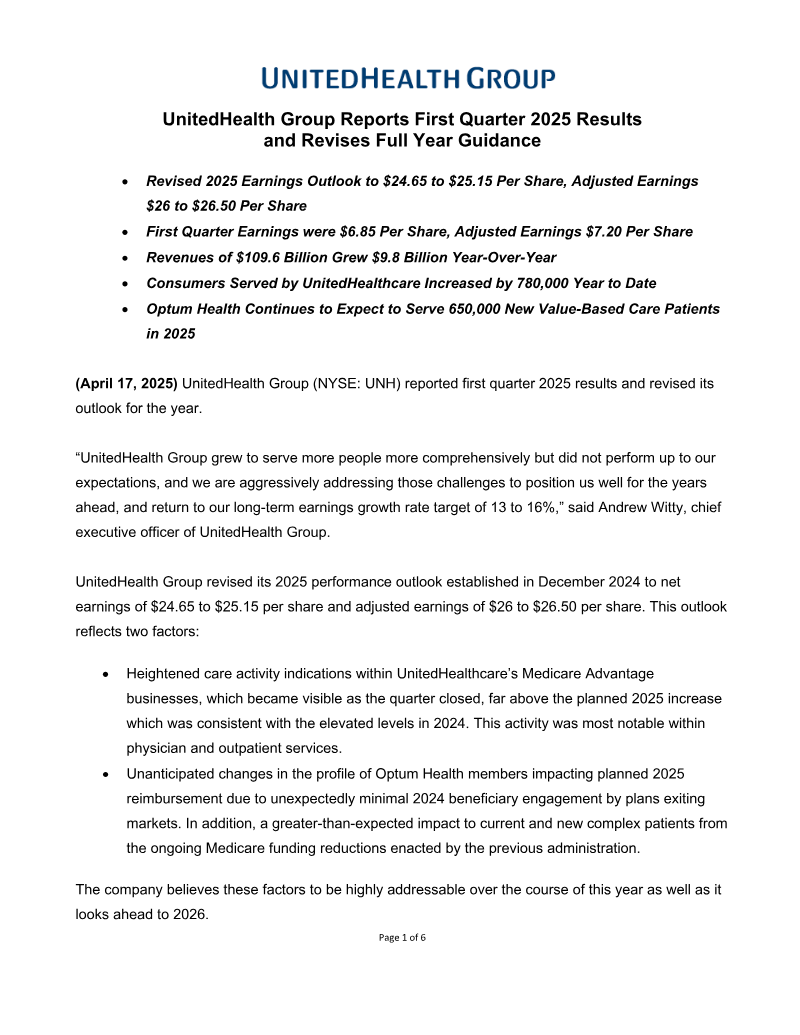
UnitedHealth Group

Ubisoft · 2026
Capcom · 2026
Capcom Co. · 2026
Pearl Abyss · 2026
Capcom · 2026
Sony Group Corporation · 2026
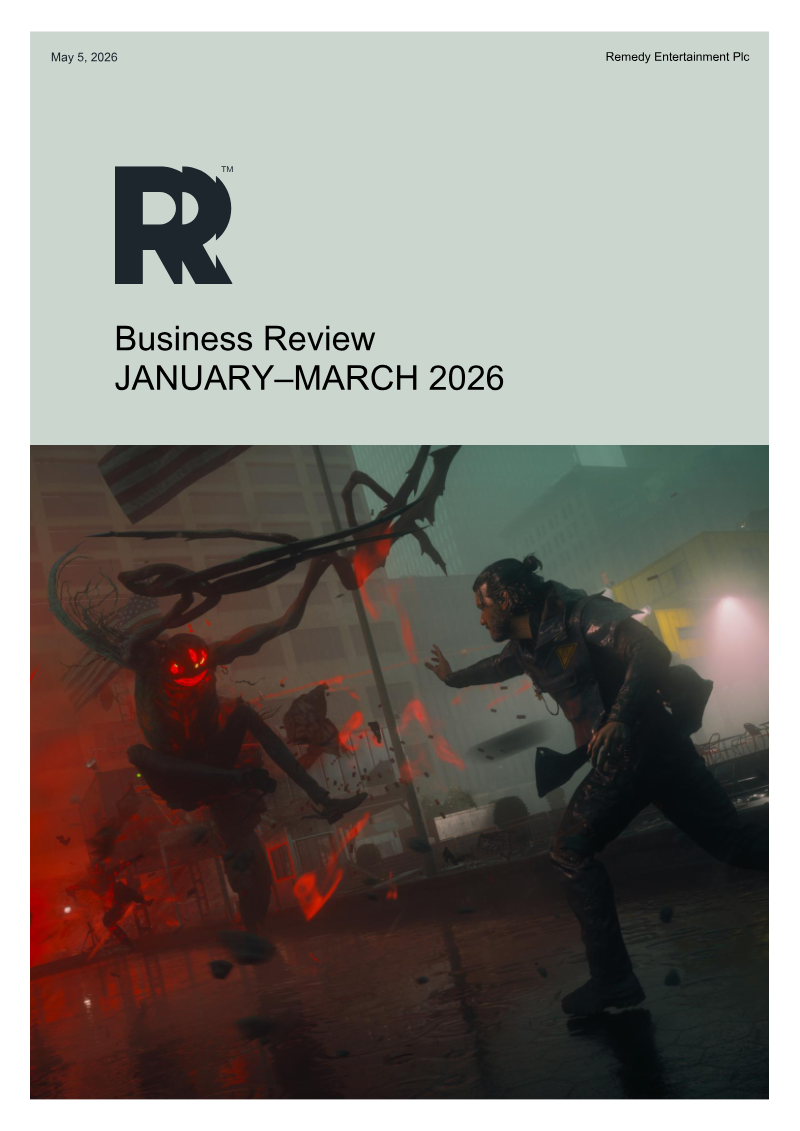
Remedy Entertainment · 2026
Giant Network Group · 2026

Archosaur Games · 2026