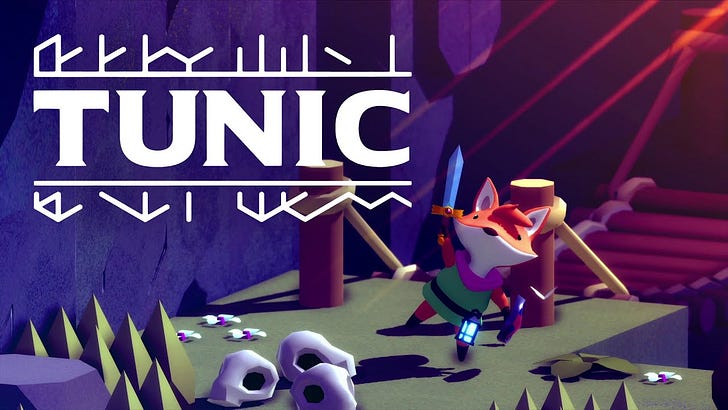
This analysis explores critical discovery challenges in the PC and console gaming sectors, focusing on how developers communicate value to potential players through visual marketing and how platform holders manage storefront integrity. The primary thesis suggests that successful game discovery relies on a clear hierarchical presentation of a game’s unique "hook" over its standard "anchors" or genre tropes.
Drawing on insights from trailer expert Derek Lieu, the findings indicate that effective marketing must follow a specific sequence: Genre, Hook, and then Content. Many developers fail by prioritizing content—such as lists of features or modes—before establishing why the game is unique. By analyzing successful trailers for titles like Ooblets and Manifold Garden, the text demonstrates that immediate visual proof of a game's differentiating factor is more effective than relying on familiar mechanics, which can make an indie title appear as a lesser version of existing hits.
The scope of the analysis extends to platform-specific trends and ecosystem health, particularly regarding the PlayStation Store. Data suggests a rise in "trophy shovelware"—low-quality games designed solely for easy achievements—which clogs discovery for legitimate titles. In response, Sony has reportedly instituted new "spam and duplicative product" definitions to enforce minimum quality standards. Additional industry data points highlight a 20% year-over-year decline in PlayStation add-on content revenue and a significant 196% increase in Xbox Series console sales in Japan, potentially driven by hardware availability.
Methodologically, the report synthesizes expert marketing advice, estimated sales data for niche software, and broader industry financial reports. It concludes that defining a game's hook is not merely an editing task for trailers but a fundamental requirement for defining a game’s market attractiveness in an increasingly crowded digital landscape.
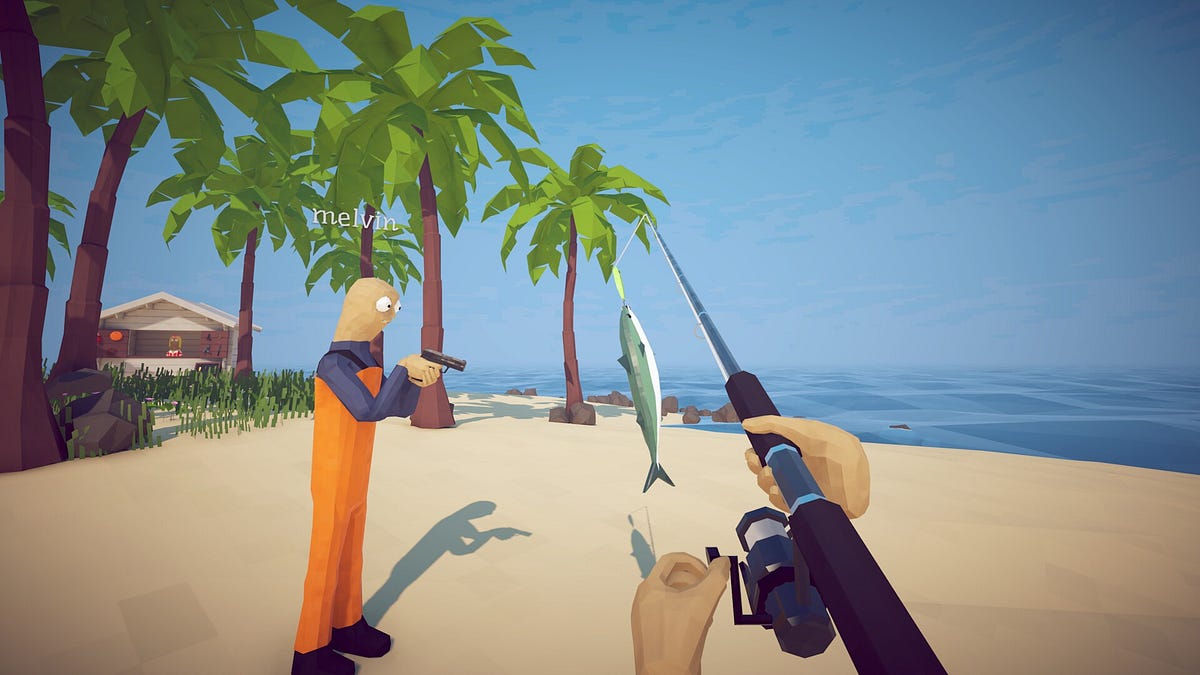
GameDiscoverCo · 2026

GameDiscoverCo · 2026
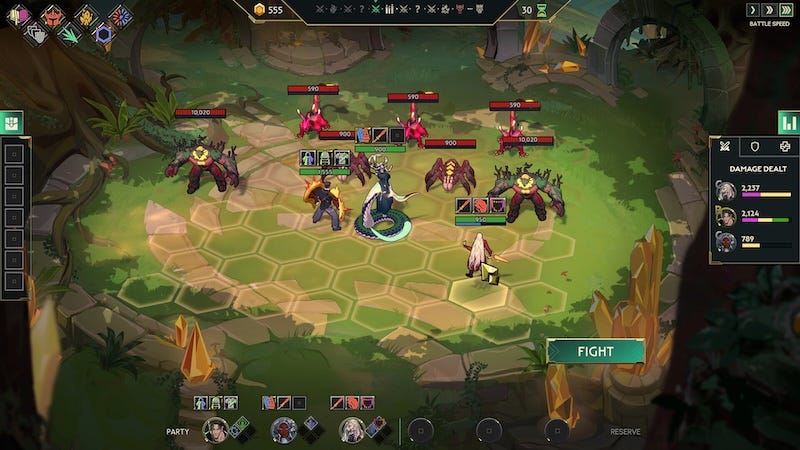
GameDiscoverCo · 2026

GameDiscoverCo · 2026

GameDiscoverCo · 2026
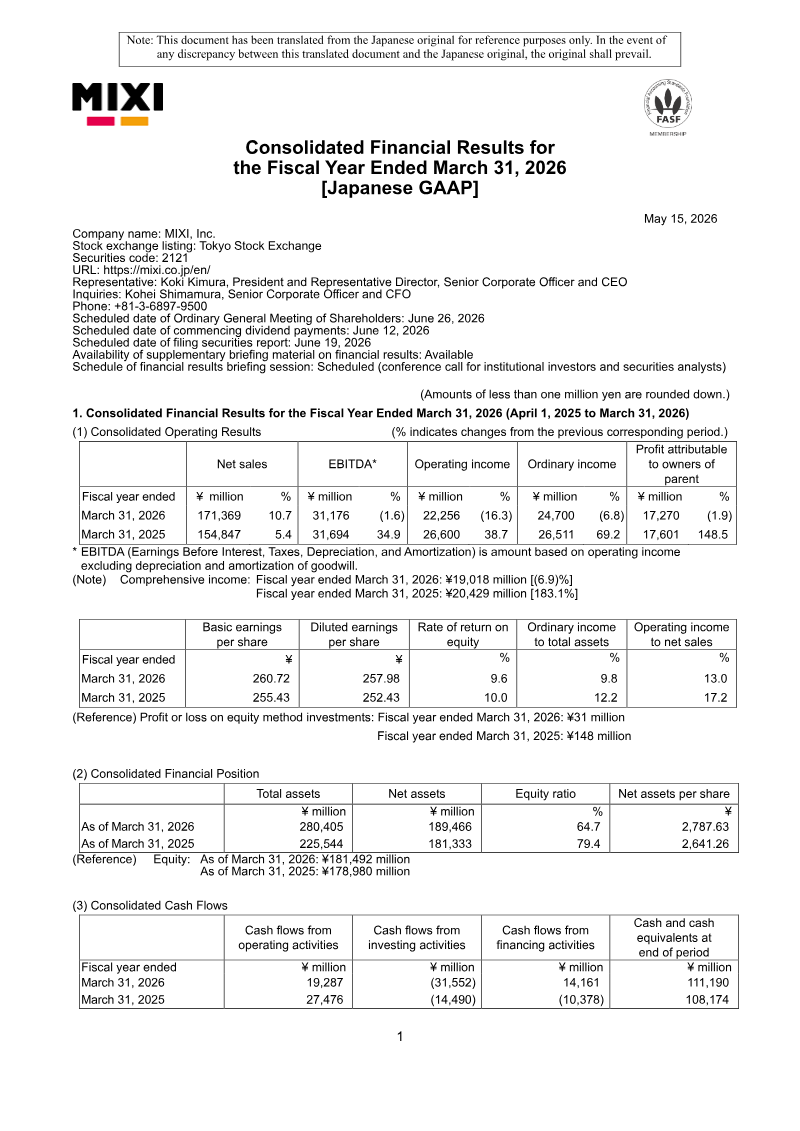
GameDiscoverCo · 2026
GameDiscoverCo · 2026

GameDiscoverCo · 2026
GameDiscoverCo · 2026
GameDiscoverCo · 2026
GameDiscoverCo · 2026
GameDiscoverCo · 2026

Sensor Tower · 2025

Ubisoft · 2026

Newzoo · 2026
Newzoo · 2026
Aream & Co · 2026

Epyllion · 2026

Aream & Co · 2025

Newzoo · 2025

Aream & Co · 2025

Epyllion · 2025

Video Game Insights · 2025

Sensor Tower · 2025