ArticleGameDiscoverCo
Game Trailers: Breaking Down a Key Discovery Mistake
19 Sept 2022~10 min full read
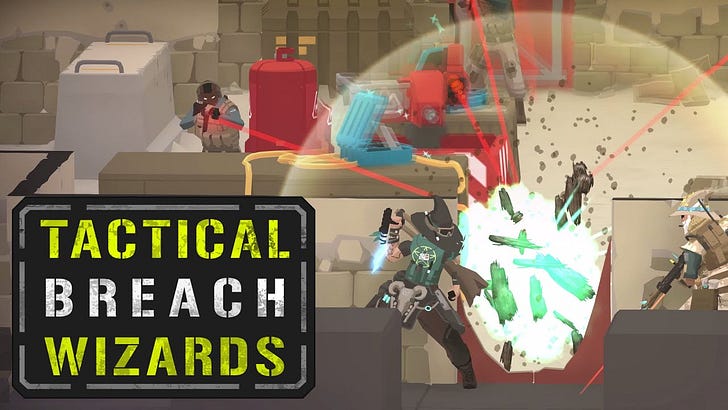
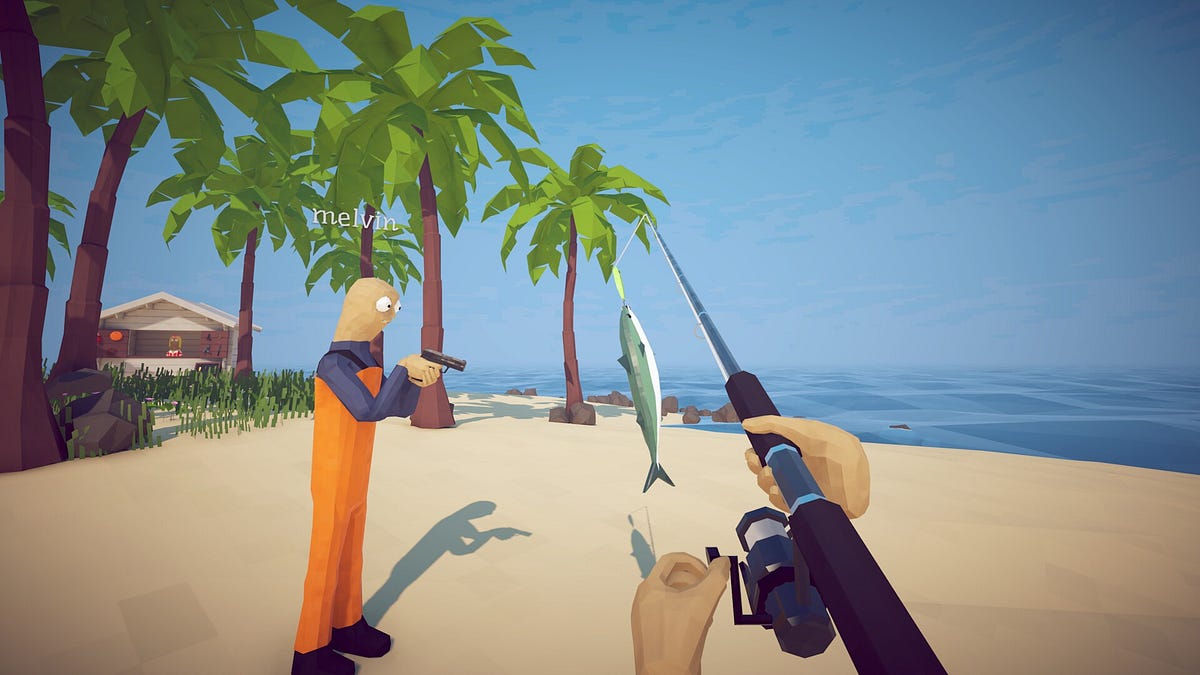
Effective game discovery on platforms like Steam and consoles requires a strategic shift away from traditional cinematic marketing toward immediate gameplay demonstration. Many developers mistakenly utilize slow-burn, movie-style trailers that delay showing actual mechanics for 15 to 30 seconds. Because potential buyers frequently click through a video’s progress bar specifically seeking raw gameplay, trailers that fail to lead with action risk losing audience interest before a wishlist or purchase occurs.
Industry experts suggest that for the primary trailer on a store page, story and cinematic elements should serve only as secondary support for the core gameplay loop. Successful strategies include using "developer commentary" trailers that function as raw gameplay when muted or creating "Minimum Viable Product" trailers designed specifically for the Steam interface rather than social media. While AAA publishers often maintain large libraries of cinematic trailers, independent developers are encouraged to prioritize "gameplay, gameplay, gameplay" to maximize conversion.
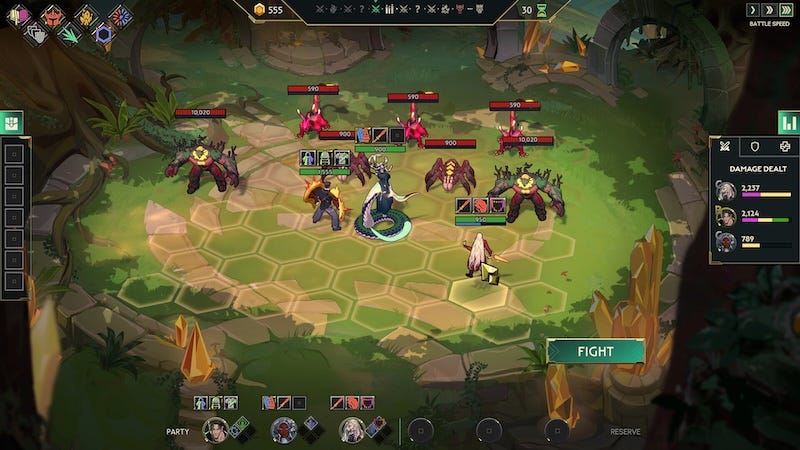
In the mobile sector, discovery is driven by aggressive user acquisition and the controversial use of "fake ads." To combat high costs per install in complex genres like RPGs, some developers create hyper-casual mini-game advertisements that do not reflect the actual core loop. This tactic lowers acquisition costs by attracting a broader audience, who are then onboarded into a more hardcore, highly monetized experience.
The broader industry landscape shows a significant shift in platform roles, with hardware declining from 47% to 36% of total earnings over the last decade, while third-party publishing has risen to 43%. This evolution highlights the increasing importance of platform holders as intermediaries. Additional industry trends include the growing dominance of subscription services like Xbox Game Pass on console dashboards and the rising influence of user-generated content as a long-term pillar for major publishers.
GameDiscoverCo · 2026

GameDiscoverCo · 2026
GameDiscoverCo · 2026

GameDiscoverCo · 2026

GameDiscoverCo · 2026
GameDiscoverCo · 2026

GameDiscoverCo · 2026

GameDiscoverCo · 2026
GameDiscoverCo · 2026
GameDiscoverCo · 2026
GameDiscoverCo · 2026
GameDiscoverCo · 2026

Almedia · 2026

InvestGame · 2026

Kochava · 2025
Video Game Insights · 2025

King · 2025

GamingReport · 2025

AppsFlyer · 2025

SocialPeta · 2024

SuperScale · 2024

Liftoff · 2024

SocialPeta · 2023

SocialPeta · 2023