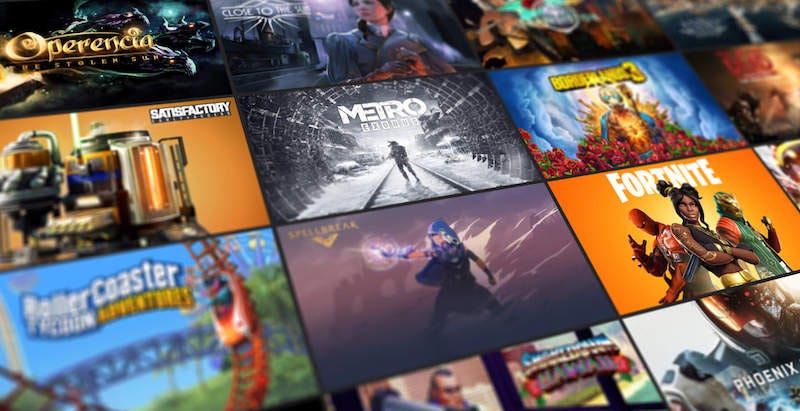
Internal documents surfaced from the Wolfire vs. Valve lawsuit provide a detailed look at the financial modeling and strategic motivations behind the 2018 launch of the Epic Games Store (EGS). The primary thesis reveals that the store’s signature 12% revenue split was an aggressive, low-margin maneuver designed to challenge industry norms—specifically Steam’s 30% cut—driven largely by CEO Tim Sweeney’s ideological opposition to platform "rent-seeking."
Early financial projections from 2018, led by former Director of Publishing Strategy Sergey Galyonkin, estimated that EGS could achieve profitability at a 10% cut, even after accounting for 2.55% in payment processing and 5% for influencer payouts. Internal models for a hypothetical store with 1 million monthly active users (MAU) projected $32 million in monthly gross revenue and a modest $1.4 million in profit, representing a slim 4.36% margin. To ensure a "comfortable buffer" and satisfy leadership, the team eventually settled on the 88/12 split.
The scope of the analysis covers the period from the store's planning in mid-2018 through its performance in 2023, focusing on the PC digital distribution market. Data indicates that Epic spent over $1.13 billion on third-party exclusivity advances by early 2020 to gain market share. However, these investments faced significant recoupment challenges. By 2023, EGS reported $310 million in third-party spending—a 13% year-over-year decline and a figure lower than the original 2018 projections.
The findings suggest that while EGS established a foothold, it failed to significantly displace Steam. Consequently, Epic has pivoted its strategy toward "games as a platform," shifting investment from store exclusives to the Fortnite creator ecosystem, which paid out $320 million to developers in the last year. This transition reflects a broader industry move toward user-generated content environments over traditional storefront distribution.
GameDiscoverCo · 2026

GameDiscoverCo · 2026
GameDiscoverCo · 2026

GameDiscoverCo · 2026

GameDiscoverCo · 2026
GameDiscoverCo · 2026

GameDiscoverCo · 2026

GameDiscoverCo · 2026
GameDiscoverCo · 2026
GameDiscoverCo · 2026
GameDiscoverCo · 2026
GameDiscoverCo · 2026
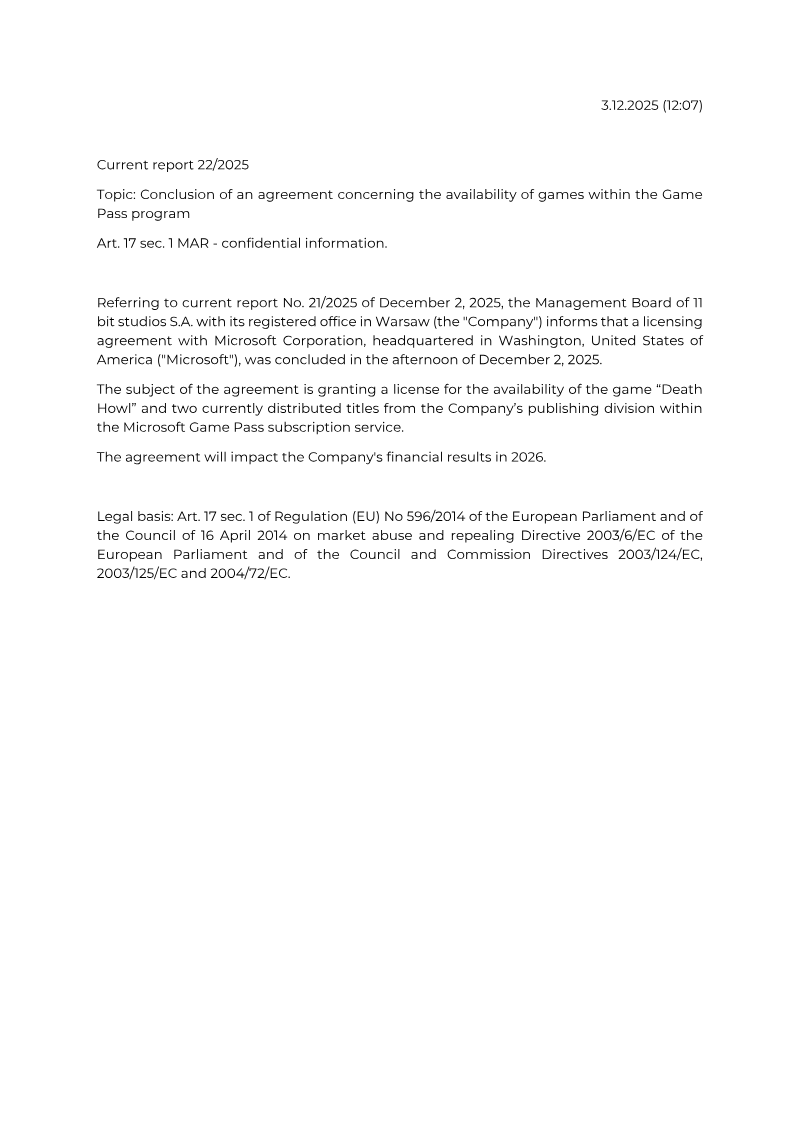
11 bit studios

Ubisoft · 2026
Newzoo · 2026

Modern Times Group · 2026
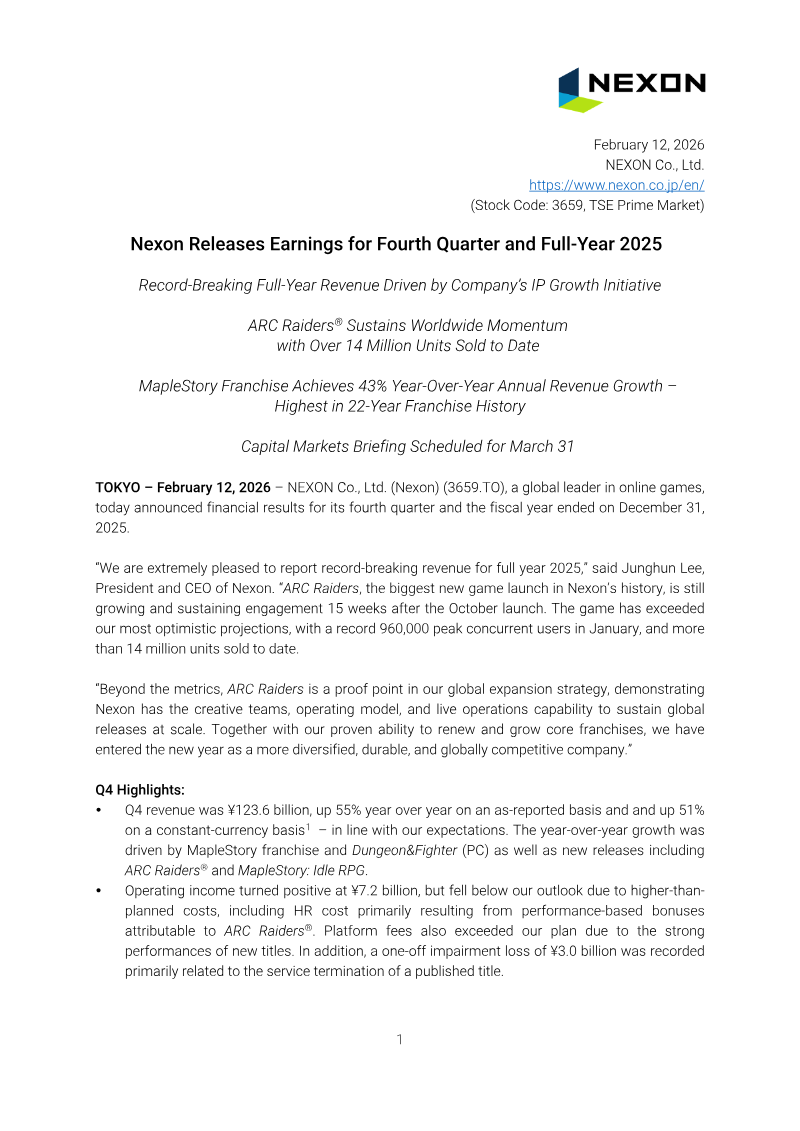
NEXON Co. · 2026

AppLovin · 2026
Aream & Co · 2026

InvestGame · 2025
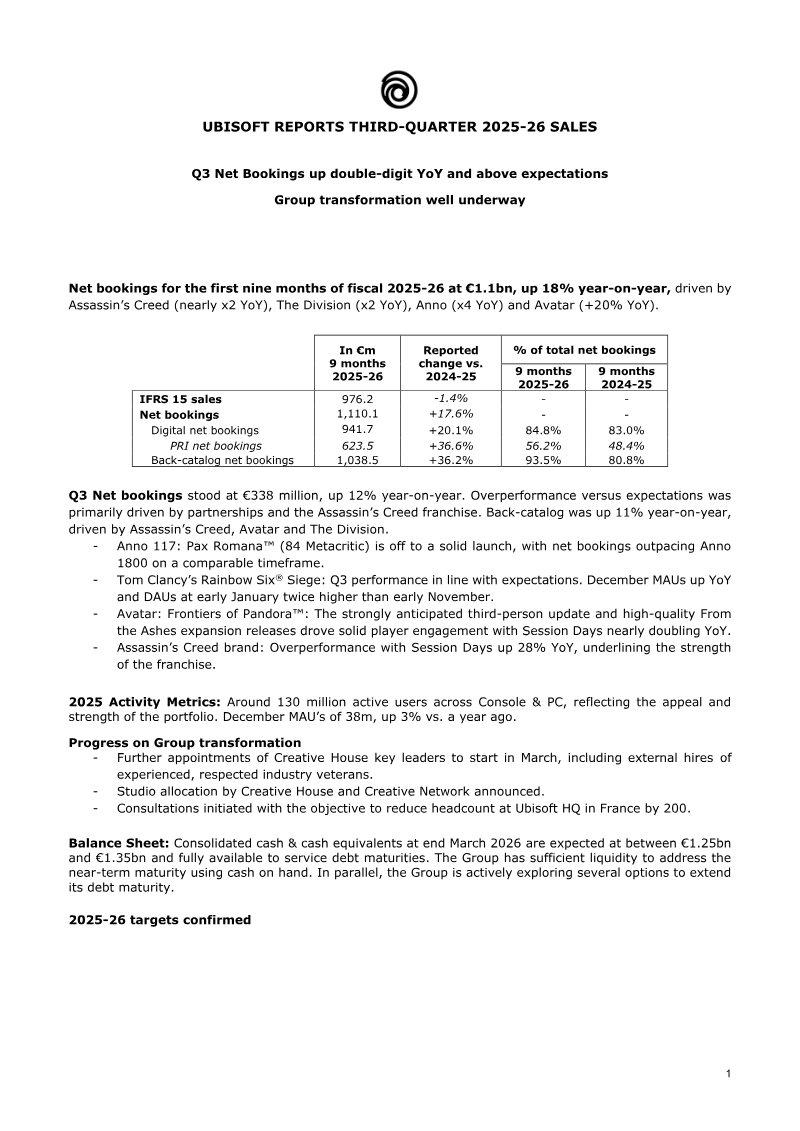
Ubisoft · 2025

G5 Entertainment AB · 2024
Neowiz · 2024
Konvoy · 2024