More from Monash University
View all


Whitepaper
Monstera pocketii: The Botanical Vitality of Pokémon
DiGRA · 2026
Whitepaper
The Playful Pleasures of the Videogame Detective Board
DiGRA · 2026
Whitepaper
Time in Digital Games: A Comparative Map of Temporal Constructs
DiGRA · 2026
Whitepaper
First Contact with Dark Patterns and Deceptive Designs in Chinese and Japanese Free-to-Play Mobile Games
Institute of Science Tokyo · 2025
Whitepaper
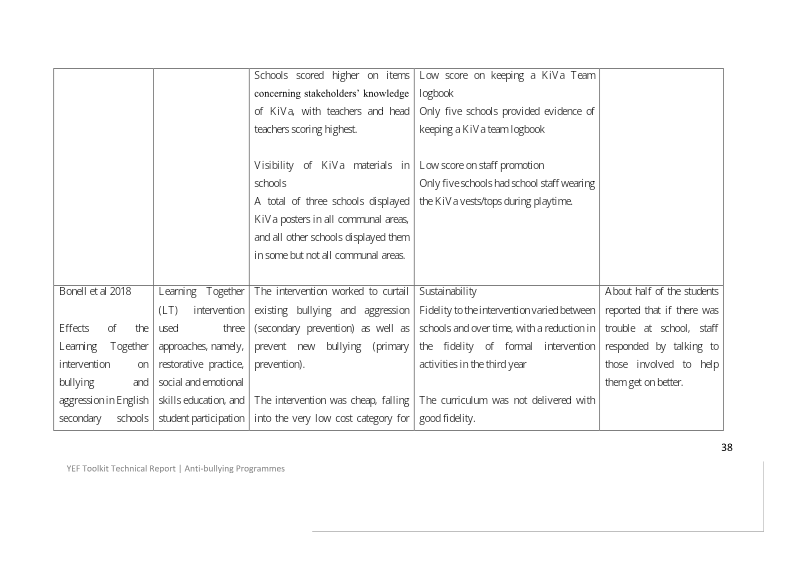
Anti-bullying Programmes: Toolkit Technical Report
Youth Endowment Fund · 2024

Whitepaper
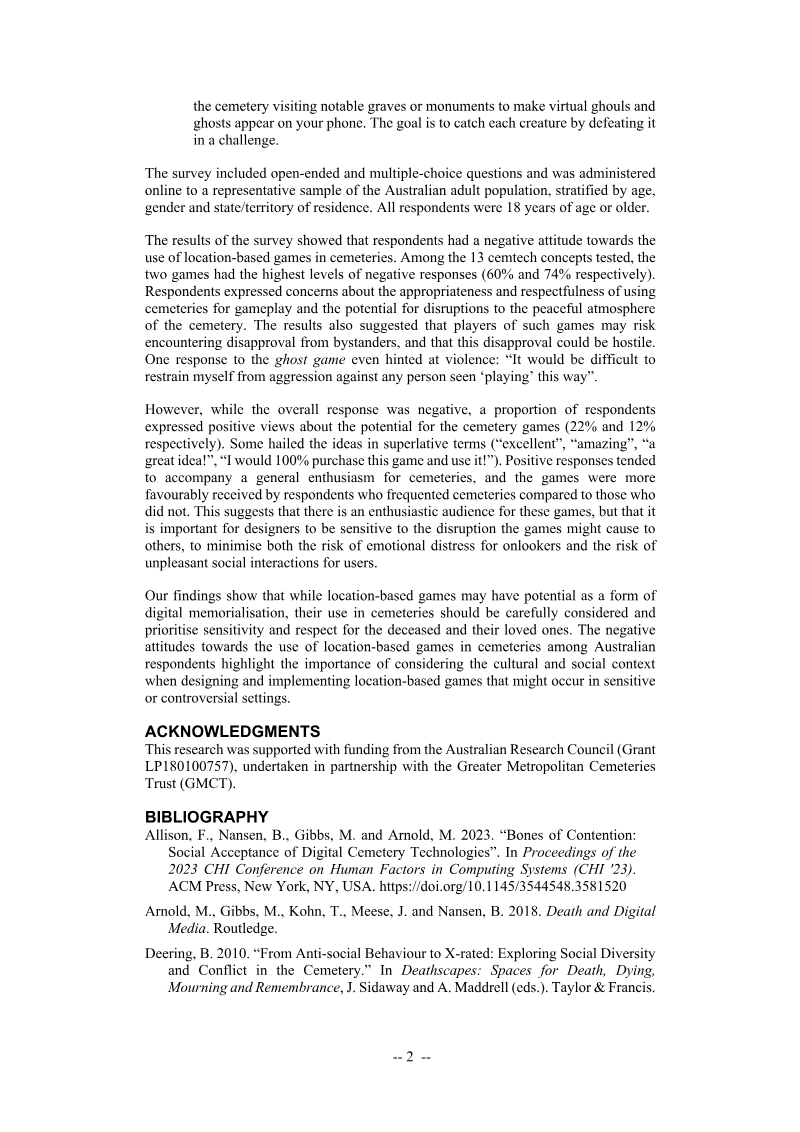
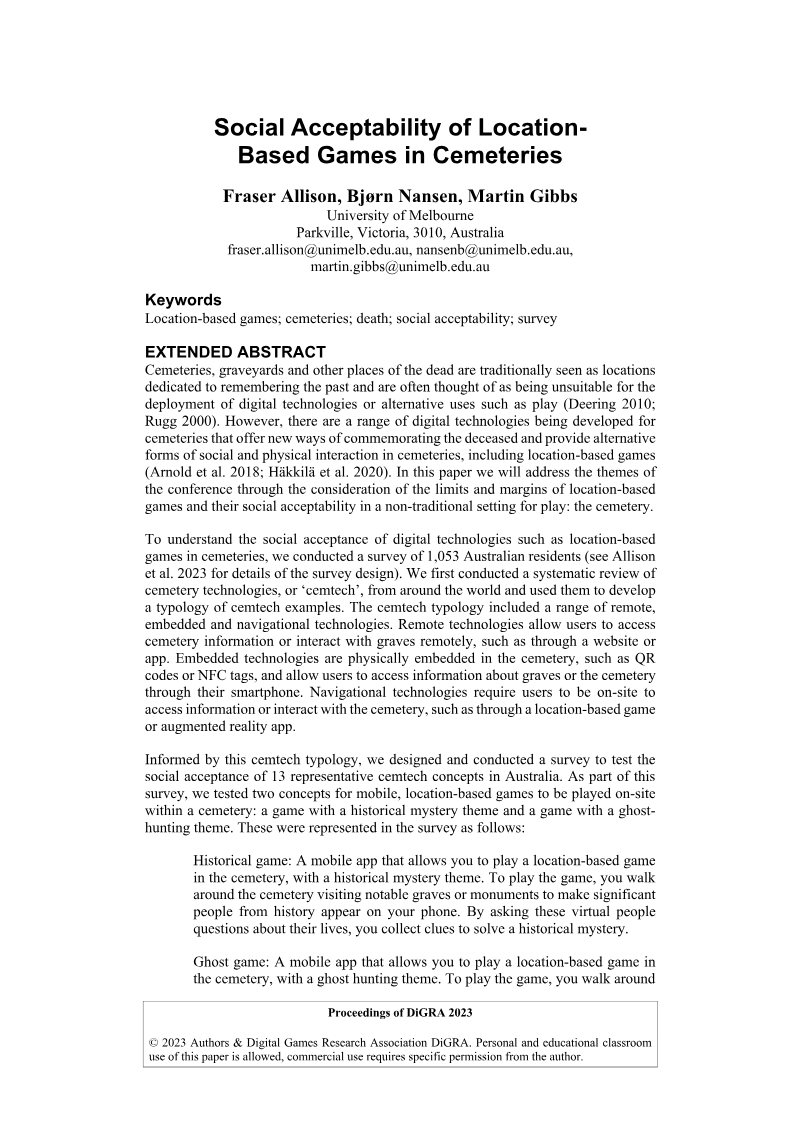
Social Acceptability of Location-Based Games in Cemeteries
DiGRA · 2023
Whitepaper
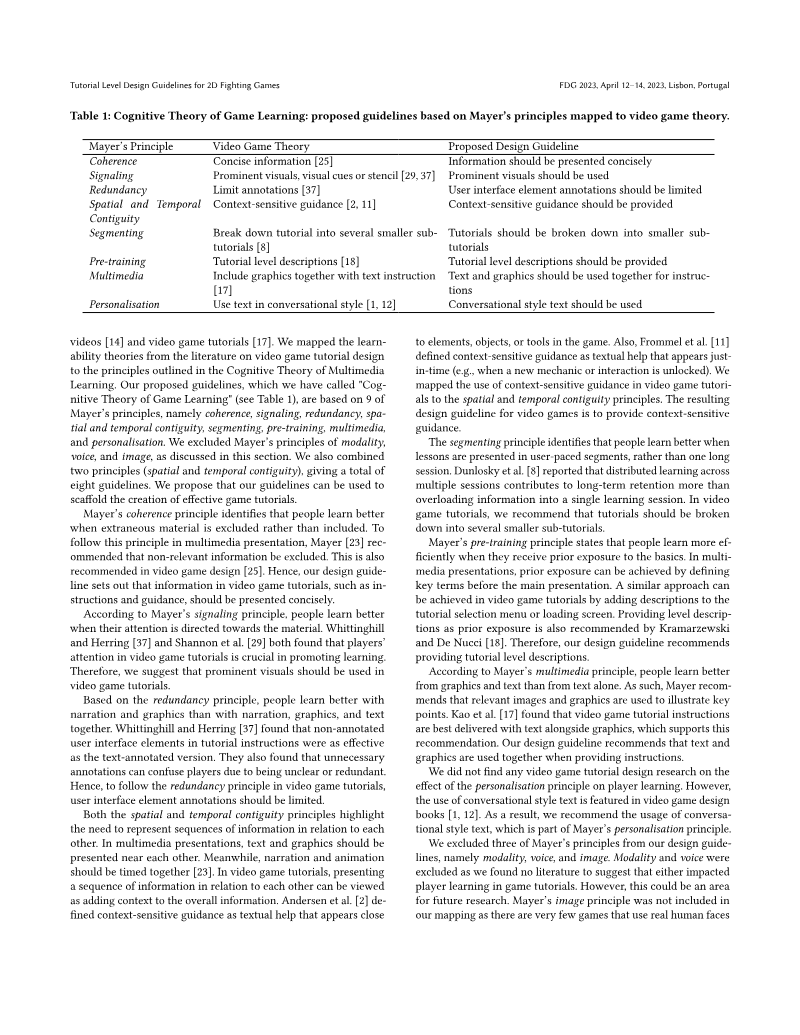
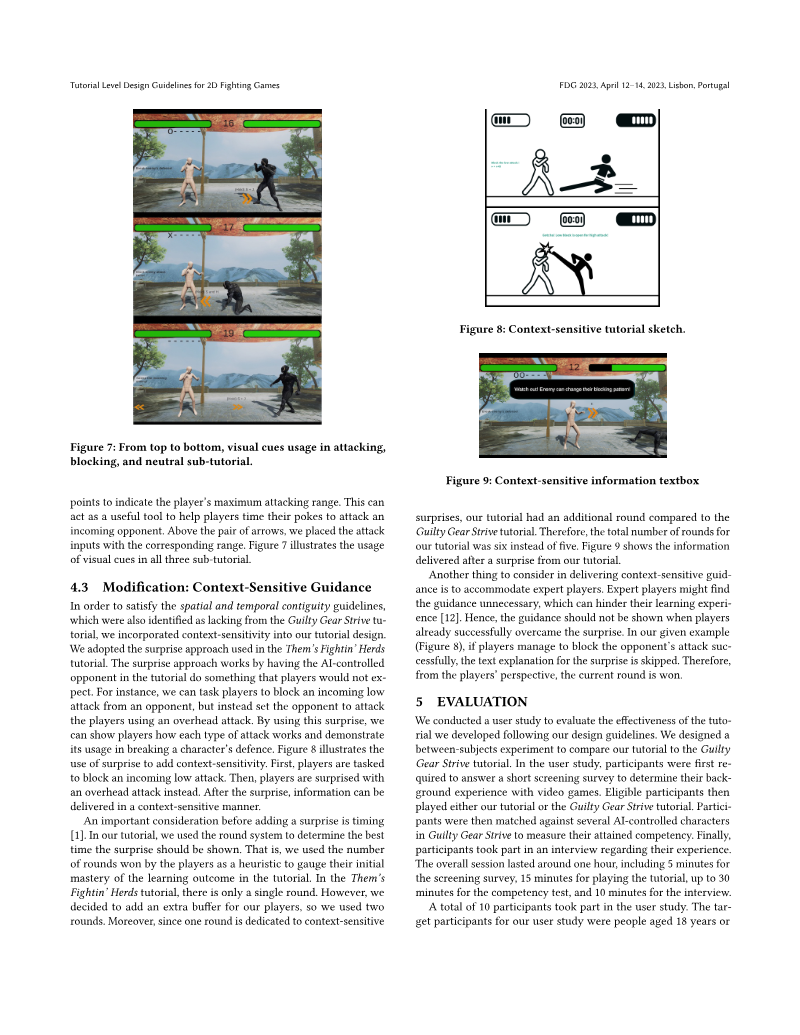
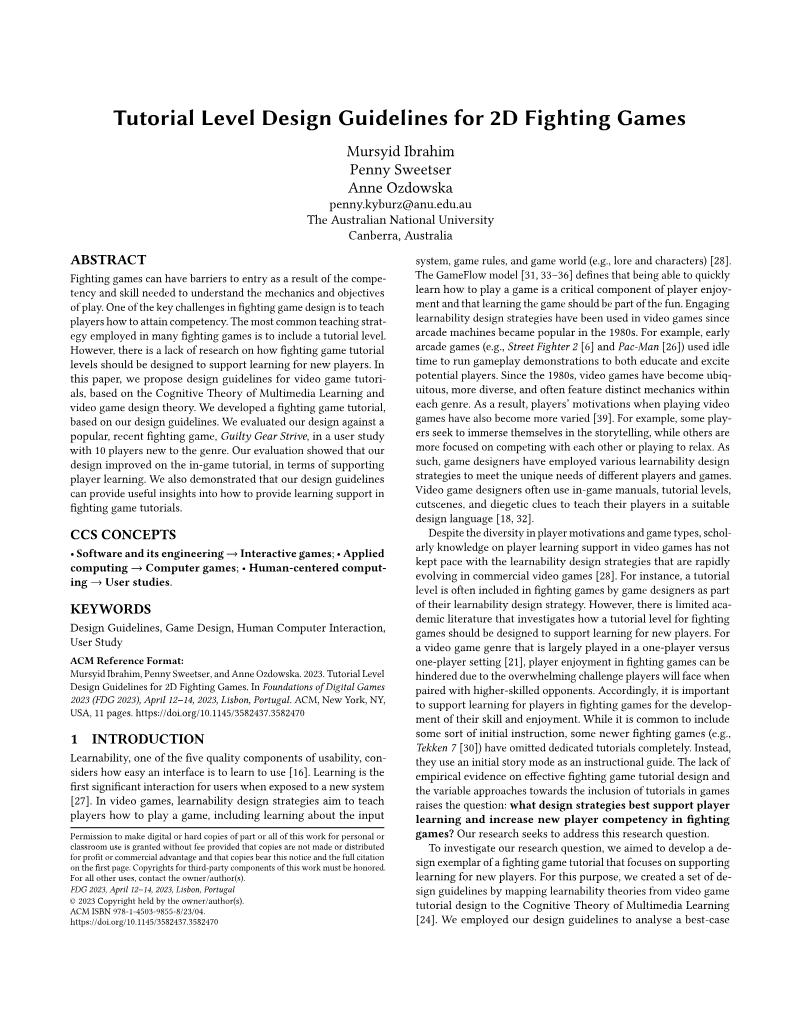
Tutorial Level Design Guidelines for 2D Fighting Games
Australian National University · 2023
Whitepaper
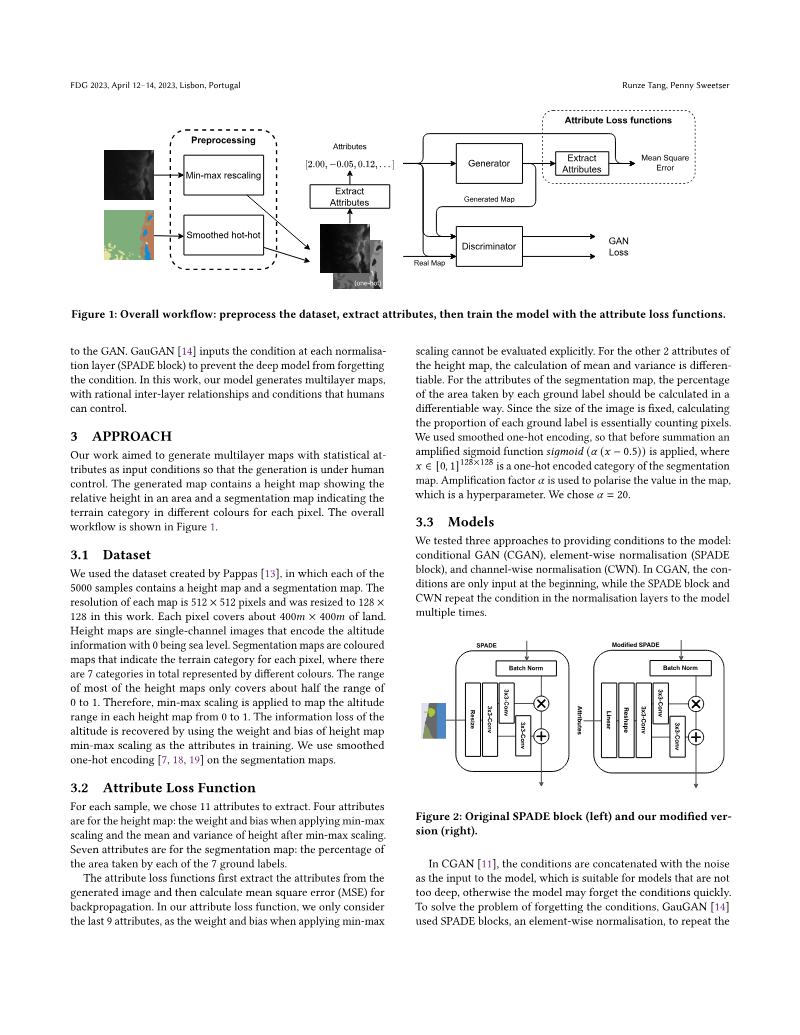
Multilayer Map Generation Using Attribute Loss Functions
Australian National University · 2023
Whitepaper
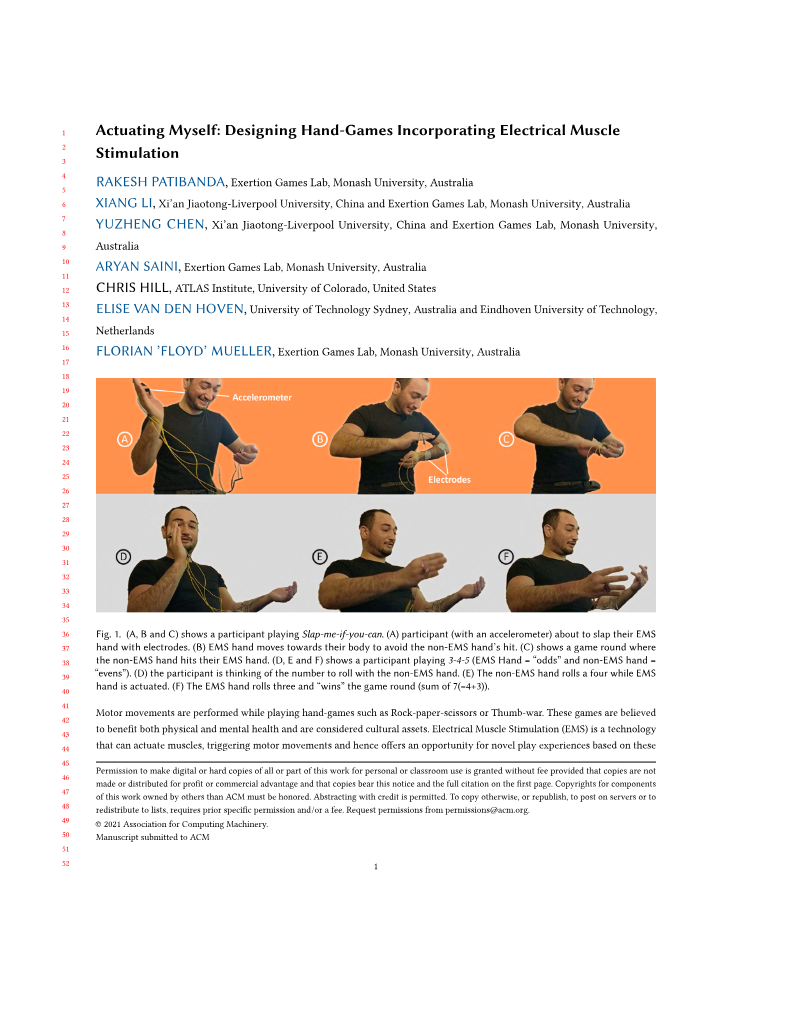
Actuating Myself: Designing Hand-Games Incorporating Electrical Muscle Stimulation
Association for Computing Machinery · 2021
Whitepaper
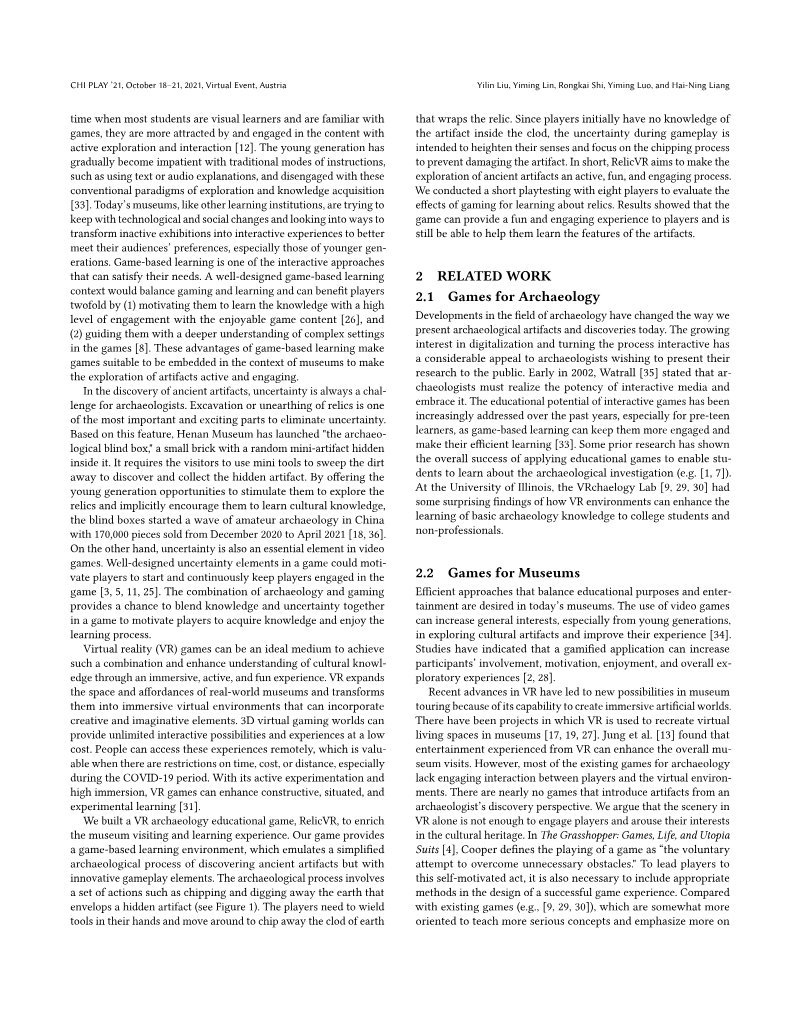
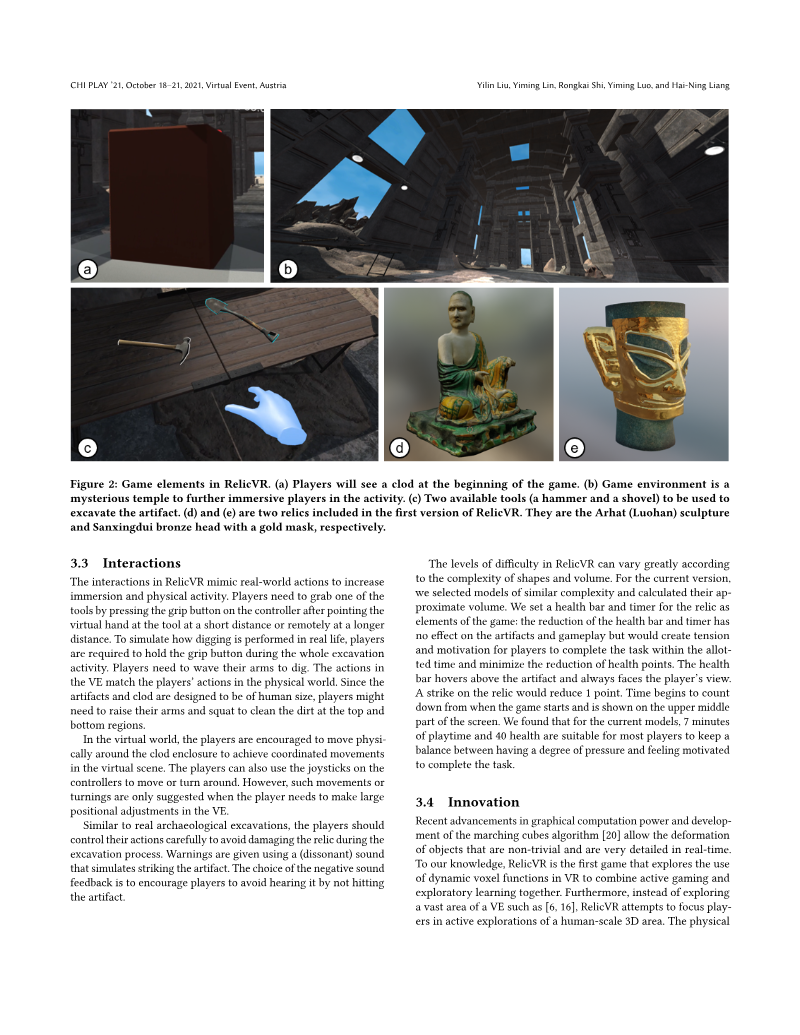
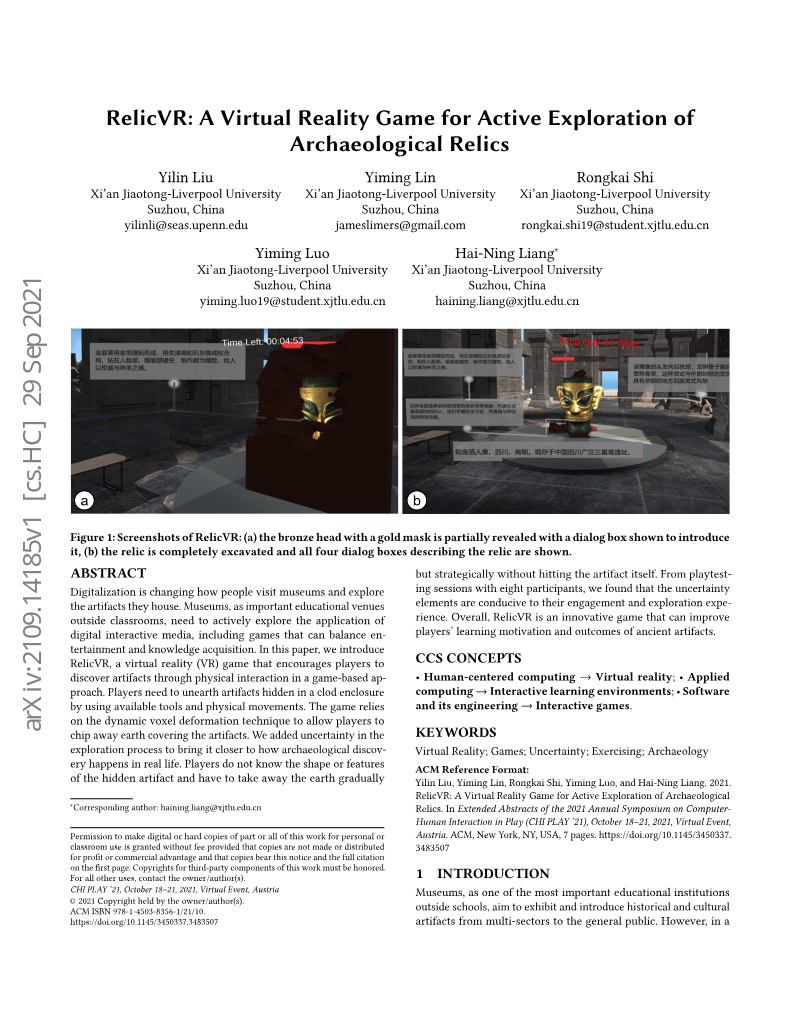
RelicVR: A Virtual Reality Game for Active Exploration of Archaeological Relics
Xi'an Jiaotong-Liverpool University · 2021
Whitepaper
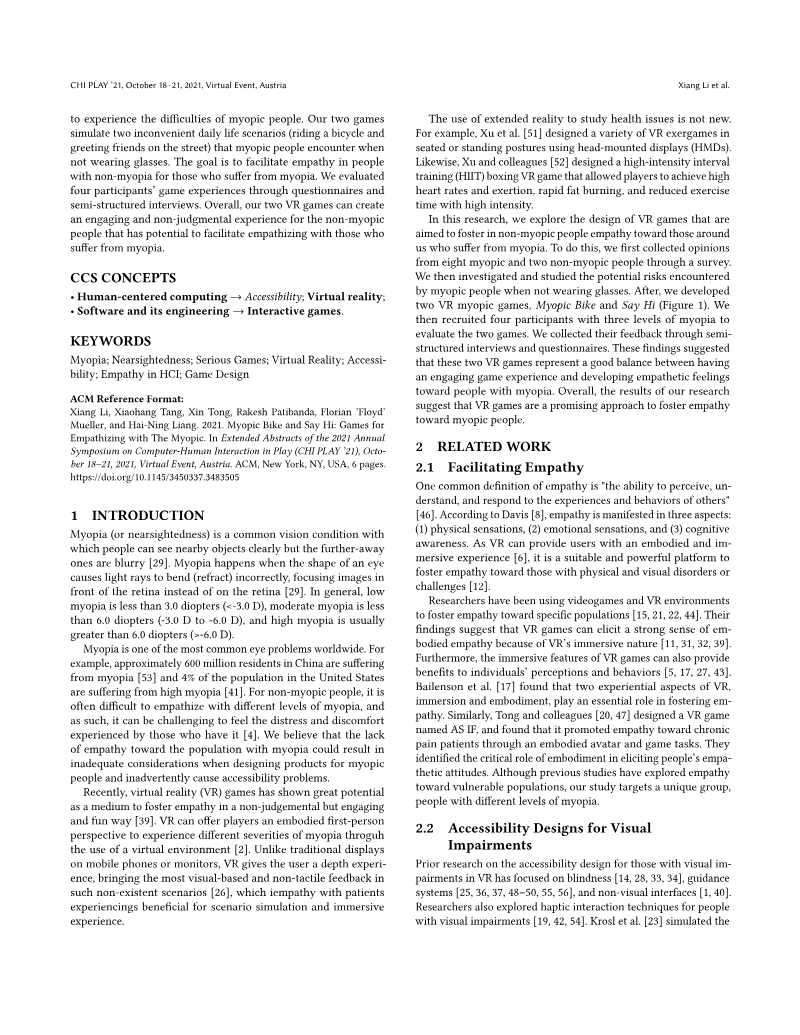
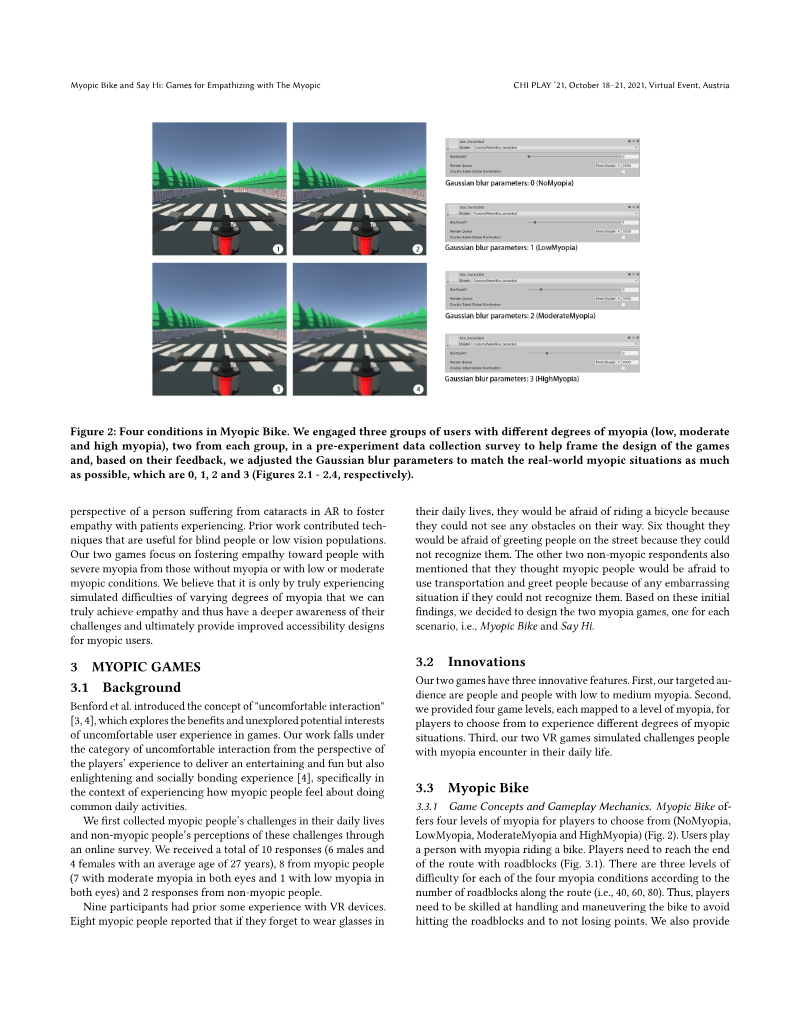
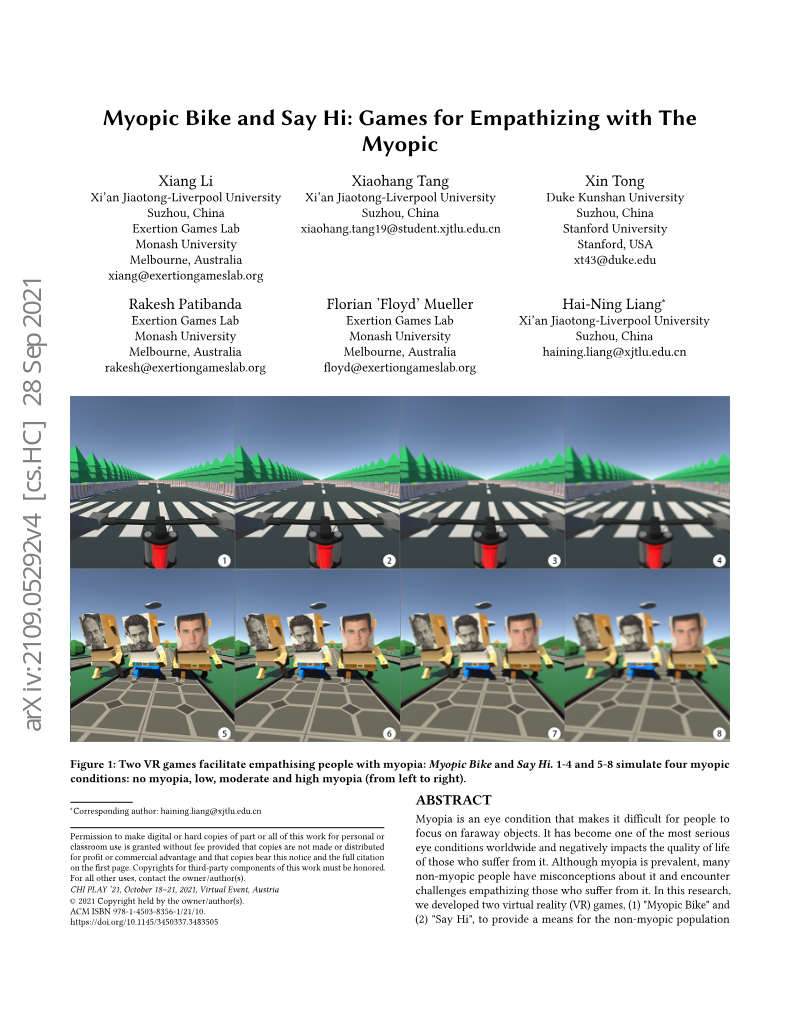
Myopic Bike and Say Hi: Games for Empathizing with the Myopic
Xi'an Jiaotong-Liverpool University · 2021
Whitepaper
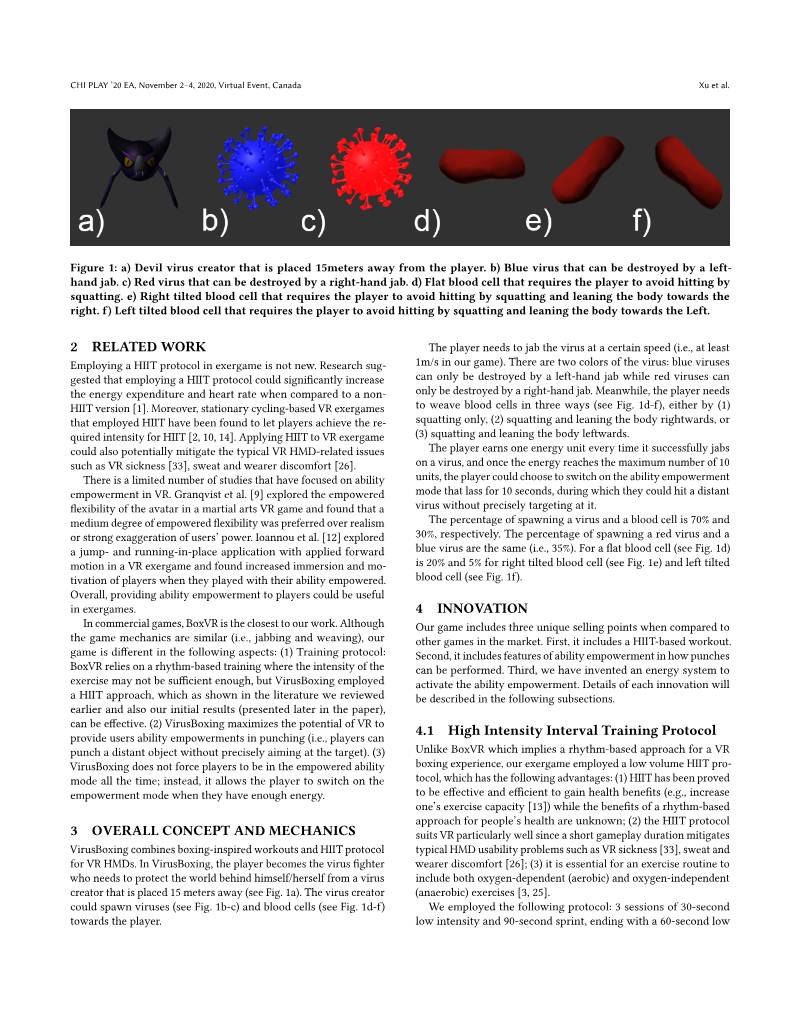
VirusBoxing: A HIIT-Based VR Boxing Game
Xi'an Jiaotong-Liverpool University · 2020