1 free read left. Create a free account for unlimited reading + AI research.
Create free accountWhitepaper DiGRA
1 free read left. Create a free account for unlimited reading + AI research.
Create free accountWhitepaperDiGRA
This study, a forced-choice experiment with 41 Dutch participants (20 minors and 21 adults), examines whether warning labels on digital game covers make the games more attractive, and whether this effect is better explained by a "forbidden fruit" account rooted in psychological reactance or a "promising fruit" account in which labels signal content quality. Its central finding is that warning labels increased cover preference for minors, while adults showed no comparable effect, a pattern consistent with the forbidden fruit hypothesis.
Label effects were concentrated in particular conditions. Violence and 18+ labels drew the most choices, while a fictional "extreme" label had no measurable influence, likely because participants did not recognize it. Effects appeared only among minors and only on soft covers, meaning those depicting less violence. Evaluative age labels and descriptive content labels produced similar attracting effects, a result the authors argue calls for revising the forbidden fruit account, since reactance alone may not fully explain the findings.
Hard-looking covers were consistently preferred over soft covers in both age groups by a wide margin, indicating that visual violence itself strongly shapes purchase intention. Trait aggression also produced a counterintuitive interaction with age and cover type among adults, an unexpected result the authors flag for further study.
The study's scope is limited to a small, Dutch sample of gamers aged 12 to 17 and 18 and older, with the experimental paradigm built on objective choice data rather than self-report. The authors acknowledge limitations, including a low-reliability reactance scale that was excluded from analysis and the need for more ecologically valid testing, and they recommend further research into the forbidden fruit effect, the role of reactance, and the aggression interaction.
DiGRA · 2016
DiGRA · 2016
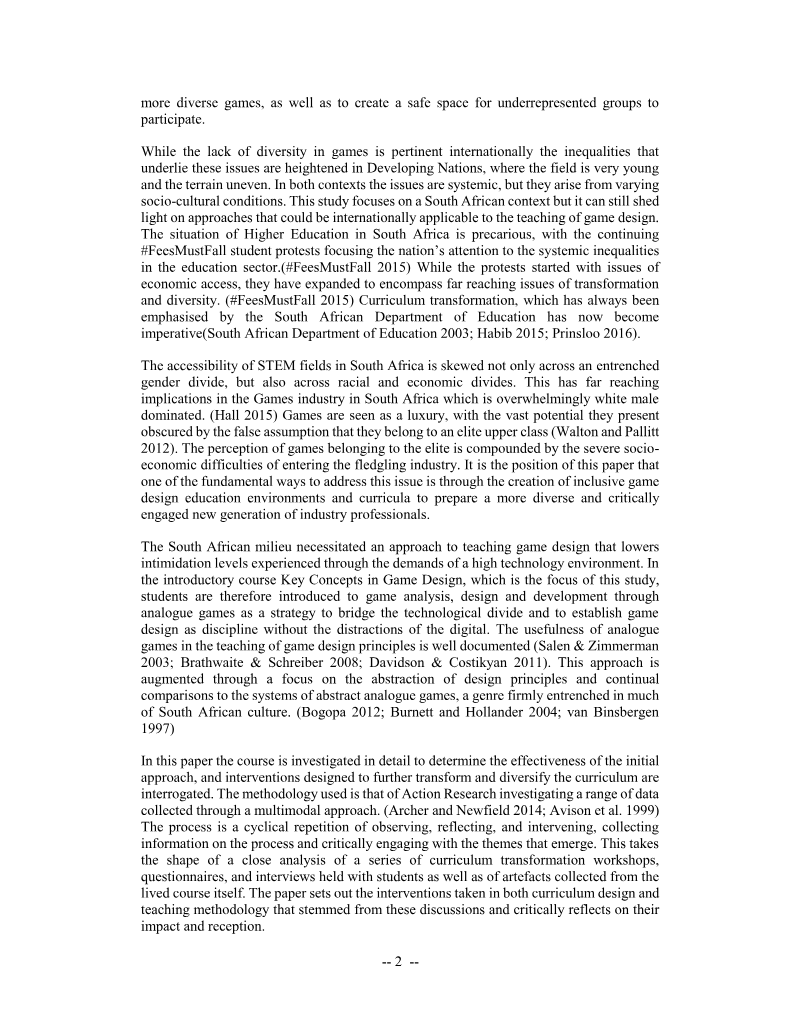
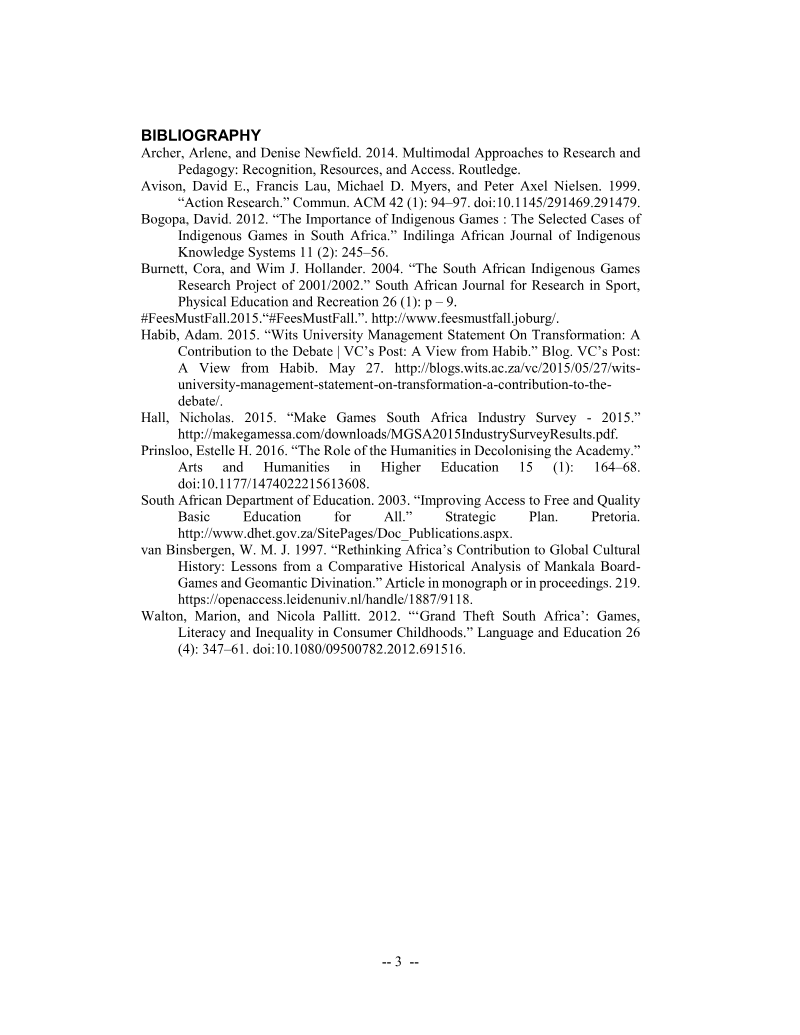
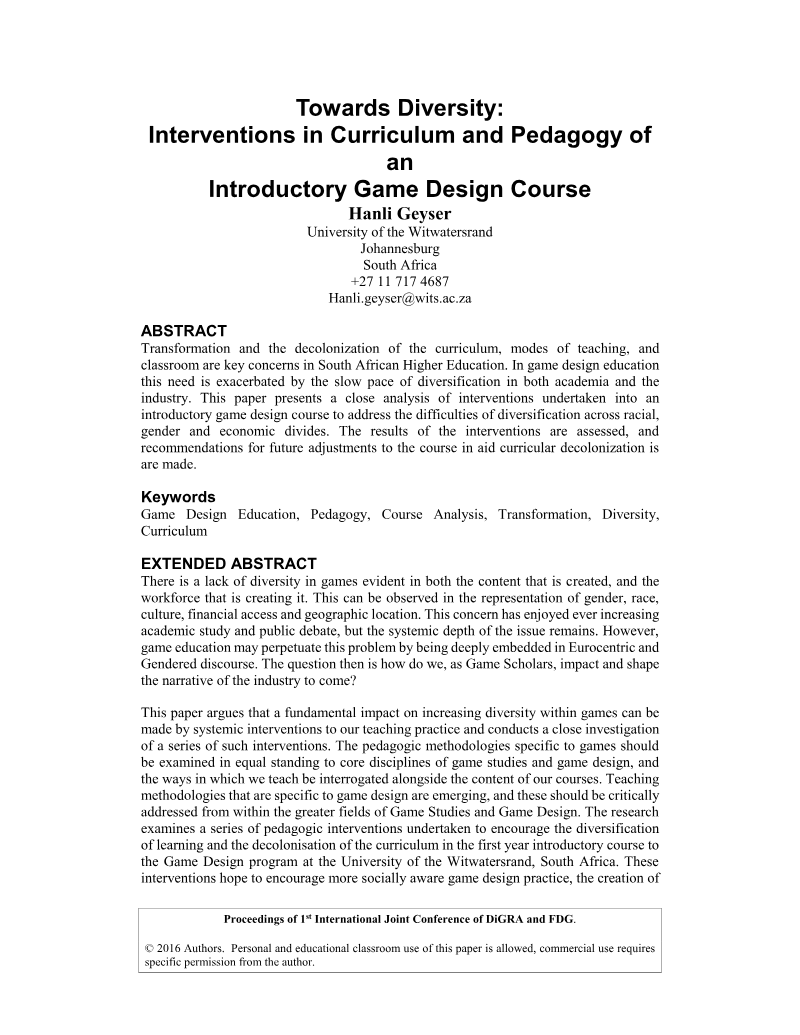
DiGRA · 2016
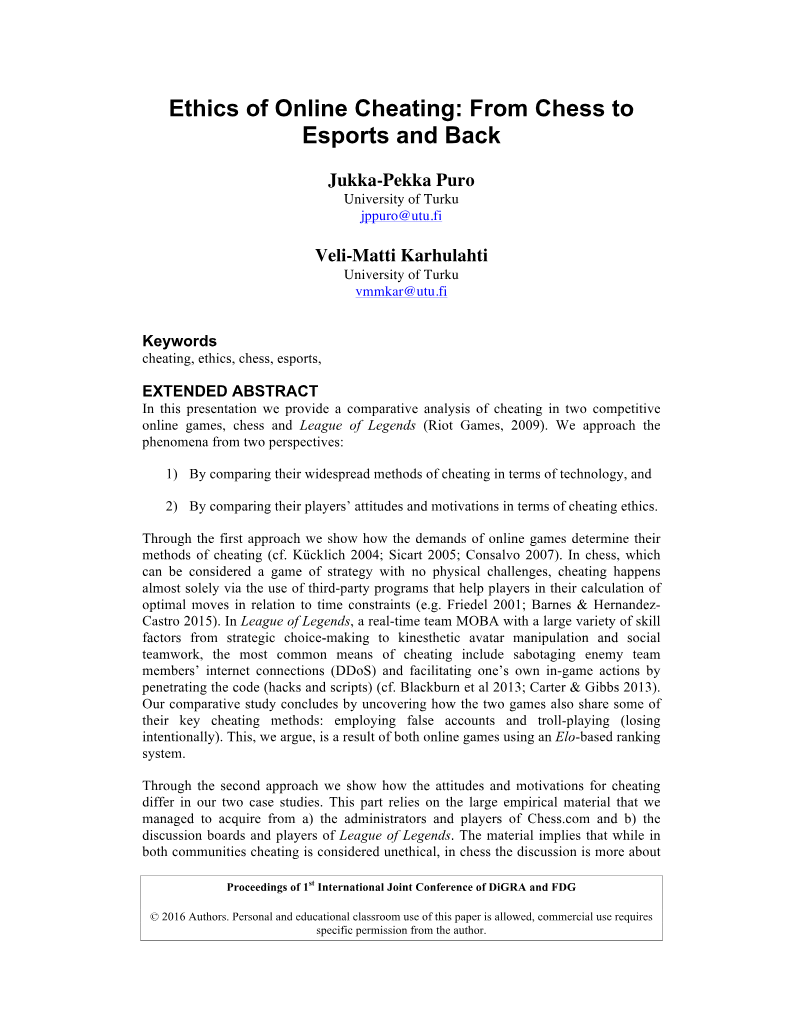
DiGRA · 2016
DiGRA · 2016
DiGRA · 2016
DiGRA · 2016
DiGRA · 2016
DiGRA · 2016
DiGRA · 2016
DiGRA · 2016
DiGRA · 2016
Deconstructor of Fun · 2025