1 free read left. Create a free account for unlimited reading + AI research.
Create free accountWhitepaper DiGRA
1 free read left. Create a free account for unlimited reading + AI research.
Create free accountWhitepaperDiGRA
Distilling the key insights…
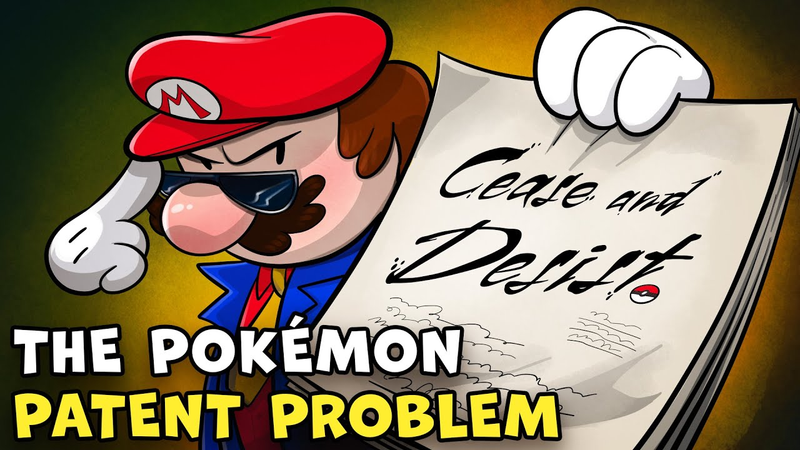
This paper examines video game modding through the case of Project M, a community modification of Nintendo's Super Smash Bros. Brawl (2008) for the Wii, and asks how the digital reconceptualization of property affects player creativity. Its central argument is that creative play takes two related forms, iterative play through modding and virtuosic play through a competitive scene, and that Nintendo's encroachment on the first ultimately curtails the second. The author frames the discussion within participatory culture and Web 2.0, contrasting two developer responses to fan modifications, Valve's embrace of Counter-Strike and Square Enix's cease and desist order against the Chrono Resurrection project, to establish the range of industry attitudes toward player-made content.
The paper traces the history of Project M in relation to the competitive Super Smash Bros. scene and the commodification of play. Nintendo initially ignored the competitive community around Melee and Project M, even though Brawl was designed to be non-competitive. The company has since shifted toward engagement, reviving the Nintendo World Championship, promoting the Super Smash Bros. Invitational, and sponsoring community-run tournaments. The author characterizes this as a strategy of toleration and eventual interpolation, in which Nintendo capitalizes on the virtuosic play of its fanbase while Project M quietly disappears from major community events. The mod's development ultimately ended indefinitely, though not for the reason one might expect.
The analysis draws on a broad body of game studies and political economy scholarship, including work on user production, modding motivations, e-sports professionalization, and Lawrence Lessig's arguments on free culture. The paper's conclusion is that the future of creativity in games and play is at risk if the prevailing model of enclosure persists, regardless of whether the creative activity in question engages copyright law directly.
DiGRA · 2018

Jason Schreier · 2026