1 free read left. Create a free account for unlimited reading + AI research.
Create free accountReport IGEA
1 free read left. Create a free account for unlimited reading + AI research.
Create free accountReportIGEA
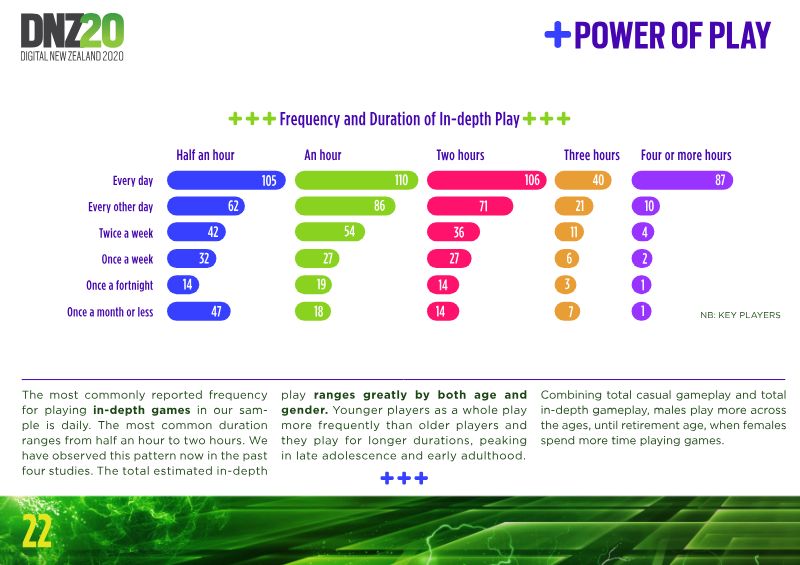
Digital Australia 2020: The Power of Games, produced by Bond University and the Interactive Games and Entertainment Association (IGEA), establishes that video gaming has become a normalised feature of everyday Australian life. Drawing on a February 2019 survey of 1,210 households and 3,228 individuals, the study finds that roughly two-thirds of Australians play games, nine in ten households have owned a game device since 2009, and the average adult player has been gaming for about twelve years. Players cite fun, passing time, de-stressing, and keeping the mind active as their primary motivations, and the report frames these outcomes within broader claims about wellbeing, education, and family connection.
The research documents a maturing and increasingly diverse player base. The average player's age has risen slowly to around 34, and women now make up 47 percent of players. Augmented reality is used in 77 percent of game households and virtual reality in 21 percent, with 87 percent of respondents expecting these technologies to matter for future play. Gaming is also highly social: 83 percent of adult players play with others, often in the same room or online, and most parents who game with their children do so for fun and family time. Parental concerns center on loot boxes, in-game purchasing, and excessive use, although most parents report familiarity with Australian classification labels.
Engagement with game-related culture is broadening as well. Most adult players consume walkthroughs or gameplay videos, and roughly one in four adults creates game-related content. Awareness gaps persist among parents, however, with many uncertain about classification ratings and fewer than one in five using online store age ratings, while 42 percent use family controls. On the economic side, the report points to Australian video game retail sales of $4.03 billion in 2018, a compound annual growth rate of 15 percent since 2013, and finds that nearly three-quarters of adults believe game development adds value to the economy. Overall, the study presents gaming as a mainstream cultural and economic force, while identifying parental information and in-game purchasing as areas requiring continued attention.

Anzu · 2026

Deconstructor of Fun · 2025
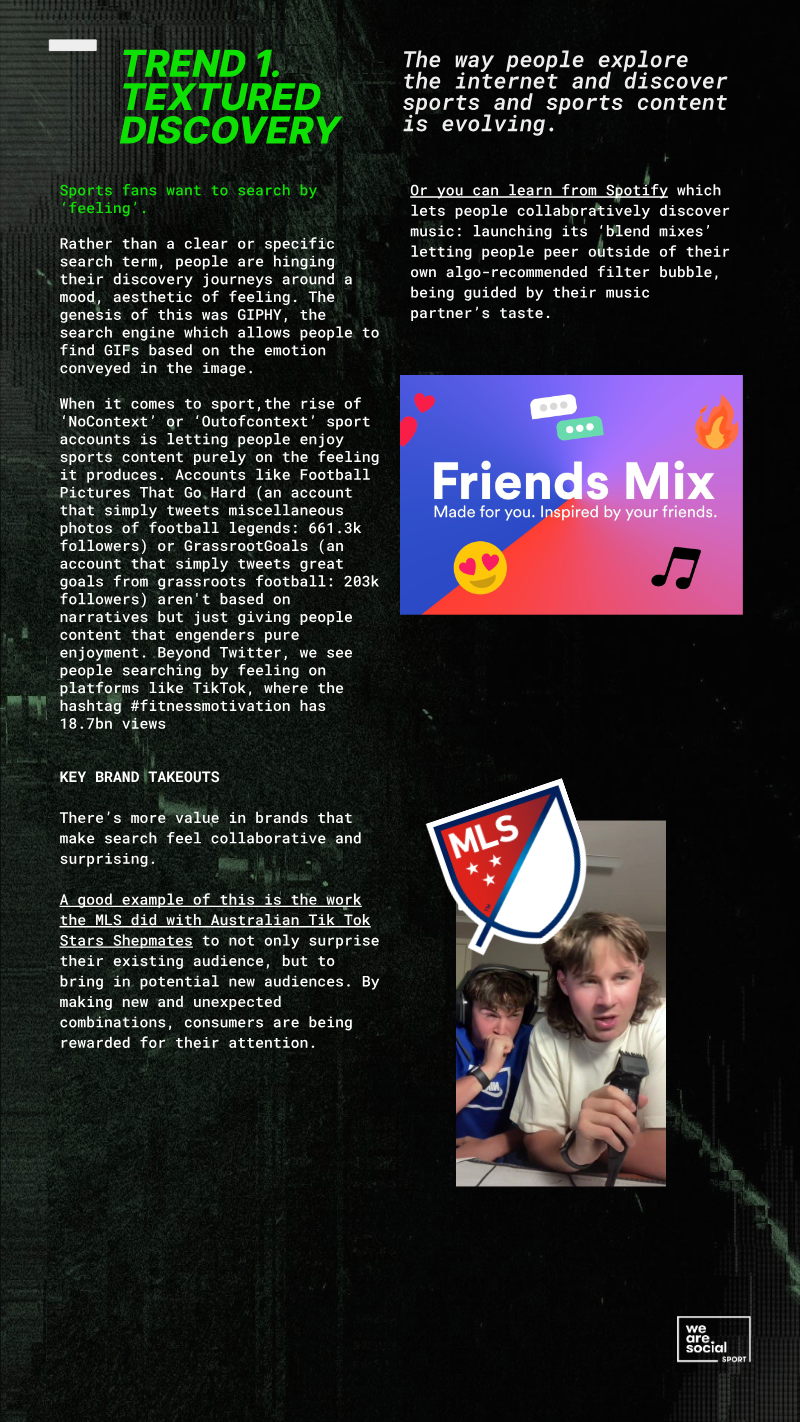


We Are Social · 2023

Dentsu · 2022

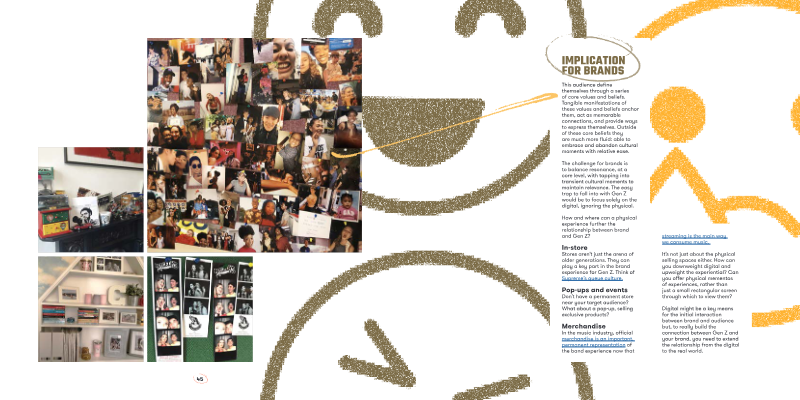
We Are Social · 2019



Bryter · 2026



Niko Partners · 2026
Naavik · 2026
Entertainment Software Association · 2025
The Game Business · 2025

The Game Business · 2025
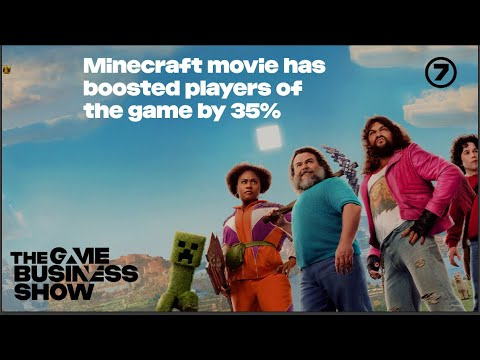
The Game Business · 2025