VideoPocketGamer.biz
Session: How To Steer Players To Your Webshop (Without Breaking the Rules!) - Archie Stonehill.
2 Apr 202517 min video
Transcript
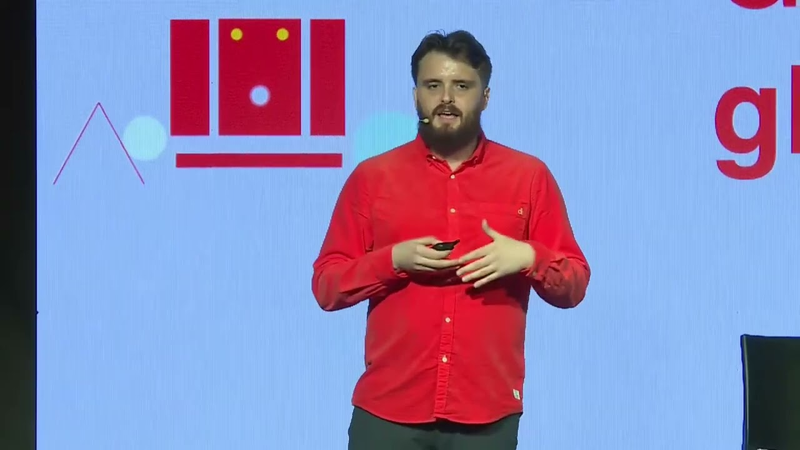
[Music] And to kick off the web store wizardry track, we have none other than Archie from Stash himself, who's going to be talking about how to steer players to your web shop without breaking the rules. Uh, so today I'm going to be talking about probably the number one question we get from developers, which is you build a web shop, how do you actually get players to use it? Um, and you know, who am I to answer that question? I'm Archie. I'm the head of product at Stash. And that's kind of one of the major things Stash does on behalf of our developers. We think about how to build direct consumer channels that actually, you know, drive player adoption and players will actually use. uh because kind of building the web shop is easy. Building a web shop players
want to use and getting them to use it is the challenging part. Um so yeah, that's what we do. Uh so without further ado, I'll jump into uh the agenda. I'm going to run through some of the regulations and policy changes in the last couple of years that have kind of stimulated the boom in web shops we've seen since 2020 roughly. Um talk about uh and then talk about the actual kind of strategies which can be grouped into two buckets. The first is what you can do in app. That's really a matter of navigating app store policies. Um, and then what you can do out of app and that's really about how to reach players with the right message. And and then I'll talk about how to think about this as a strategy measuring success etc. Uh, so this talk kind of assumes that you've done the first part which is not easy but like assuming you have a web shop that is valuable to players and that players want to use. Uh this is going to focus on really how you communicate that to players and tell them. Um so yeah, the
first thing we'll talk about is regulation. So um there's been a lot of movement here and it's kind of constantly evolving, but probably the major unlock is one that not people don't speak about as much as some of the others, funnily enough, uh which is that prior to 2021, you were not allowed to tell players about an alternative payment option like a web shop, even outside of the app. Uh, so if you gathered information on how to connect with your players from within the app, if you got your emails or Facebook contacts from the app store, um, you were not then allowed to email players with information about a web shop. And that changed as a result of the Epic Games versus Apple and Google trials. It was the first kind of concession those guys made. Um, and that is really what like pushed the kind of u kind of trailblazers in the category like Play Tiger and Scoply to start doing this really aggressively. And then since then there's been a bunch of other kind of major developments. This is kind of US focused given where we are. Um but the Epic Games versus Apple and Google cases preceded. There have been some other
concessions like um you know the big kind of headline from Google was that Apple won all of those charges against Google. It was kind of a big big ruling that uh Google was ruled to be operating multiple monopolies and illegal ties. We're still waiting on the implementation of that policy, but that's really one to watch because the results from that ruling were really radical and would really open up anything you want to do with Play distributed apps. Uh the Apple ruling is kind of more settled but still in flux as well. Apple, as many of you probably have heard about, like did concede to a linkout policy where they still get 27% of the revenue. That's obviously nonviable economically from a developer and I don't think Apple think anyone wants to use that policy. That is being challenged quite aggressively in both Europe and America. So all of this is to say like I would continue watching those spaces because I think there's likely to be a lot more kind of beneficial rulings coming in very soon. Uh but really we'll be talking about like assuming the kind of post2021 world not assuming any future development changes or in
policies what can you do? So the first section of the first group of strategies is in-game strategies and really this is about knowing what you can and can't do according to the app store policies. Now, the app store policies are kind of a little bit arbitrary, a little bit ambiguous deliberately. Um, but broadly, I would say the thing you can't do is directly link out to a payment shop to a payment um link. You can't directly link out to a web store and you can't really talk about the web store from within the game. Um, so what does that leave you can do? Well, the major thing you can do is link to non-store non-commercial features. Uh so building into your store um other ways to engage for players whether that's other kind of engagement mechanisms like new forms of content or even mini games um or building in community tools uh or like other things like loyalty programs and other kind of daily check-in rewards. All of that you can do in the web and you can mention it and even direct link directly out of it from within the game. I'll talk about loyalty next specifically since it's so
prevalent. Uh, but the ways to make sure you're doing this well is to give players like actual tangible value. Um, to get them to to to create systems that players want to engage with on a recurring basis and to make it a really smooth UX. And that's principally about pre-authenticating users so that when they link out, they're already logged in and can have like a unified player experience with personalized content and rewards, etc. that they can claim. Um, so the the stay two to four clicks away. So this is like a general rule a lot of companies in the space obey where like broadly you kind of want to make sure you're not linking directly to a store and so when you arrive at the store you want to be like two clicks away from making a purchase. On loyalty specifically um the key thing about a loyalty program in this context is that you want to make it something that um always has something valuable for players to engage with from the get-go. So actually creating it more than just like a web store like spendbased loyalty program is really important here. So creating progression in that loyalty program with free-to-play mechanics like in-game
engagement is a great tactic. Creating specific missions or um kind of progression points that you can notify players about is really important. Um we always look at a core games loop and then we think about what are the elements in that loop that we can regularly interrupt with notifications about loyalty progress. So, some of our products, for example, have like auto progressing missions, like defeat 20 enemies of this type. And then when the players do that, you can give them a pop-up in game and say, "Hey, you've beaten a mission in the web store. Come and visit it. Check it out." And what happens is that you get a a continuously accumulating amount of value for players that sits in the web that you can constantly notify them about until they end up switching over. Um, so loyalty is kind of like a by by word for like a more holistic set of uh kind of rewards and and value that players can get from the web. You also want to autoenroll players in this so that that starts accumulating without their engagement. Um, the other thing you can do is like use in-game communications to give them other forms of value like codes they can
redeem in the web. Really just about finding other ways to give players a reason to go to the web once or on a recurring basis. But maybe the most important thing you can do in game is collect communications data that enables out of communications. So emails, phone numbers, Facebook information, all of that lets you message them outside of the game where you don't have any of these restrictions and you can be really transparent and straight up about the value they can get in the web shop. Uh so do whatever you can in game to collect emails to get first party data. That's like the first step in forming a direct to consumer connection is getting that communication like mechanism down which is like getting an email. later you can kind of like use that to do all of these things. Uh so out of app communication um so this is really about like okay you have ways to reach your players. How do you think about doing something that you don't really think about out of appcoms for which is communicating to existing players? So that's like the mind mindset uh set shift that happens when going from like user acquisition to web shop user acquisition. So I'm going to talk
about this kind of on a channel by channel basis. Um the first is organic social media like uh this is really like a best practices list of how to do this well. So one thing that the best studios do you can see like um Zinga here with Words with Friends is doing this really well is like using your whole real estate of your organic socials presence to kind of tell users about the web shop. Use your banners, use comments, use posts obviously. Um but don't just keep this as like a sporadic set of posts that happen every now and then that are like hey we have value in the web shop. Um, you also want to make sure you're kind of like tying this into your live ops calendar. Um, so even if you don't have like web exclusive offers or like events themed offers, you know, if you have a tournament on like you know, Stumble Guys does here, you can say, "Hey guys, you have a tournament on, you need lots of gems, restock in the web." Um, and then tying the web into other posts that are like other forms of engagement like for example the Halloween one here. So really good to constantly remind players about it with other things they might be engaging in,
especially if you can have seasonal content in your web store. Oh, and then one final thing here is like you want to push players to make this a permanent engagement touch point. So bookmarking the tab on desktop or like installing progressive web apps. We actually have something like 20% install rates uh for progressive web apps um for some of our web shops, which is really high and really effective at creating just a super smooth user experience going forward. So you've done organic, you can also do paid. And this is something like I don't think occurs to a lot of developers, but actually on a kind of in investment perspective, this might be higher returning. In fact, it's often higher returning investment than new user acquisition. Uh so the equation is there at the bottom like you want to look at your web user lifetime value, how much they spend in the web, times that by whatever the incremental margin you get from the web is, which is basically 30% minus your payment processing fees. So, let's say my payment processing fees are 5%. I say, "Okay, 30 minus 5, 25%." If a web shop, if a player spends like a $100
in the web over six months, great. Okay, I can spend $25 getting that player into the web. Um, and that's really worth doing. And it's really easy to do because you can search for really high you can target really high intent players because these are people who are actually playing your game, actually spending. So you can look at like keywords, for example, keyword searches that like only a player of your game would search. Champion X built or tier list. Um, you know, really going at like existing players. Similarly with communities like Reddit, super effective because you know that's where your players already gather. Um, you know, it's a bit like retargeting any players, but it's almost easier than that because you're retargeting currently engaged players. Um, so the next kind of big category is creative partnerships. Like I love these because the kind of paradox of creator like influencer marketing is that like you know the influencers that actually create content for your game, you have no reason to pay them, right? They're already creating the content. But this gives you like a real win-winwin situation where like you win, the players win and the creators win
because you can look at the creators that are most popular among your existing players and then you know come up with an incentive program that rewards them for shifting player spend to the web. Uh so often that can be done via creator codes having a code section where players get a discount or some additional resources and then you know um creators get compensated based on a portion of that spend that's attributable to them. But you can also use like tracking links because all of this is web- based. It's a really smooth user experience to track okay they clicked this link from the creator they ended up at the shop. If you're really good at this, like Sumber guys is here, you can create creator specific bundles, um, which creators love because it like, you know, grows their presence. This is a really nice opportunity for like really productive collaboration with people that are already really core to your community. Um, email marketing, like the next two kind of segments I'll talk about, which is email marketing, direct messaging, are similar in that they're kind of targeted. They can be targeted. human marketing. Although it's intuitive, you know, constantly mention the web shop, constantly advertise its
value, but you can also come up with really personalized segmentations here that give you the opportunity to really personalize outreach. So, for example, looking at like a players behavior in game and the web, looking at players who are spending a lot in game but haven't spent in web. You know, do a search for like, okay, give me all the players that have spent, you know, in the last 30 days in game but have never spent in web and let me send them a special promotion. So get targeting, get targeted, like segment users, etc. Um, then the final one is direct messaging. Very similar, like if you're not doing this, which a lot of non-casino games don't do, um, definitely something worth exploring. Like look at your VIP account management capabilities and see if you can, you know, come up with direct messaging opportunities through something like Facebook to go after really, really high spenders. Like if your top, you know, 5% of spenders aren't in the web shop, figure out the best way to reach them. It could be Facebook, it could be Discord, depending on your game, and go after them with like pre-authenticated links. So, all they have to do is click this link and they're signed in and they can make a purchase and give them special
value. Um, so that's kind of an overview of most of the strategies there. We talked about inapp and out of app and now we'll talk about how to think about this as a kind of comprehensive strategy. Uh, so you should treat this just like user acquisition. You know, think about like your budget allocation, investment, um, channel strategy. uh we we actually work with MMPs um so we work with Singular for one of our customers um and with them we will try and use their analytics and their behavioral data to identify players that you know should be in the web shop but aren't and then think about what the channels we can reach those players through are um you can use this to measure performance at the player level you know specific performance marketing or at the campaign and kind of uh channel level and in particular I would say like deploy a multi- channelannel strategy that really thinks about where your players are so Discord reddit Those are like the two really really useful segment channels that like might have much more relevance here than with new user acquisition. Um yeah, as I discussed earlier, allocate budget appropriately.
So that's pretty much most of what you should be thinking about. Obviously, it's a little more like nuance than that in practice. Um and as I mentioned, like a lot of this relies on the belief that like you've created a web shop that has this value that you can message players about. But broadly, in-game notifications. This is really more about like the don'ts, which is like do everything other than linking out directly to your purchase pages, talking about the web shop value super explicitly. Um, and then do think about like how you can set yourself up for long-term success by getting emails. Um, and kind of like recurring sustainable touch points with players. Uh, as well as, you know, think about how you can uniquely integrate the web shop's value into your unit into your gameplay flow. Um, so we always look at the game loop on its own and think about how we can interject loyalty in there in a way that's going to like add delight to players and like reward them for switching to the web um in a way that like they actually like out of app notifications like you know really this is a set of dos like do take a multi multi- channelannel
approach think about like where you can reach your existing players um also think in particular about where you have underutilized communication channels because you're not using them for user acquisition so I'll come that to like Discord there or even Facebook messaging. Um, offer tangible rewards. Personalize this as much as you can. So like pre-authenticated links, pre-loged in users like really effective with personalized promotions and um, yeah, and then don't like think this is something that's going to take care of itself. Like you can foster a lot of organic traffic to your web if you do the right things, if you create the right incentive structures and you get the right kind of micro influencers on board. But this is not something that will just take care of itself. Great. That was pretty much everything. So, thank you guys so much. Like I sash, this is exactly what we do. We build not only these kind of communication channels, but like the actual tools that you can uh build into your web that create that value to be advertised. Like I think it's always important to think about the systems you're building in the web and how you can advertise those uh in kind of coordination. Thank you guys
very much for listening.
Auto-generated captions from YouTube — names and numbers may be misheard.
Key insights
Distilling the key insights…
Ask AI about this video
Cite this video
Citation
Generating citation…



















Comments