Accessible Games Initiative
20 Mar 2025~1 min full read
The Entertainment Software Association introduced the Accessible Games Initiative at the 2025 Game Developers Conference to standardize and improve the communication of accessibility features within the video game industry. This initiative serves as a centralized framework intended to assist players in identifying specific accommodations—such as visual, auditory, motor, or cognitive aids—before purchasing or playing a title. By providing a structured method for developers to disclose these settings, the program aims to reduce barriers for players with disabilities and ensure that software capabilities are transparently documented across the gaming ecosystem.
The scope of this initiative encompasses the broader video game market, focusing on providing clear, actionable information to consumers regarding the functional inclusivity of various titles. While the initial announcement highlights the initiative's role as a transparency tool, its implementation signals a shift toward industry-wide accountability in how accessibility data is presented on digital storefronts and physical packaging. This move reflects an increasing demand for inclusive design and seeks to streamline the process by which players find games that meet their specific physical or neurological requirements.
By establishing these informational standards, the initiative addresses a long-standing gap in the market where players often lacked reliable data regarding a game's compatibility with their needs. The project emphasizes the importance of detailed feature descriptions over vague labels, allowing for a more nuanced understanding of how a game can be customized. This strategic effort by the Entertainment Software Association underscores a commitment to expanding the reach of interactive entertainment by making accessibility information a fundamental component of the consumer experience.

Entertainment Software Association · 2025
Entertainment Software Association · 2024
Entertainment Software Association · 2024
Entertainment Software Association · 2023

Entertainment Software Association · 2022
Entertainment Software Association · 2013
Entertainment Software Association
AEVI · 2025

Xsolla · 2024
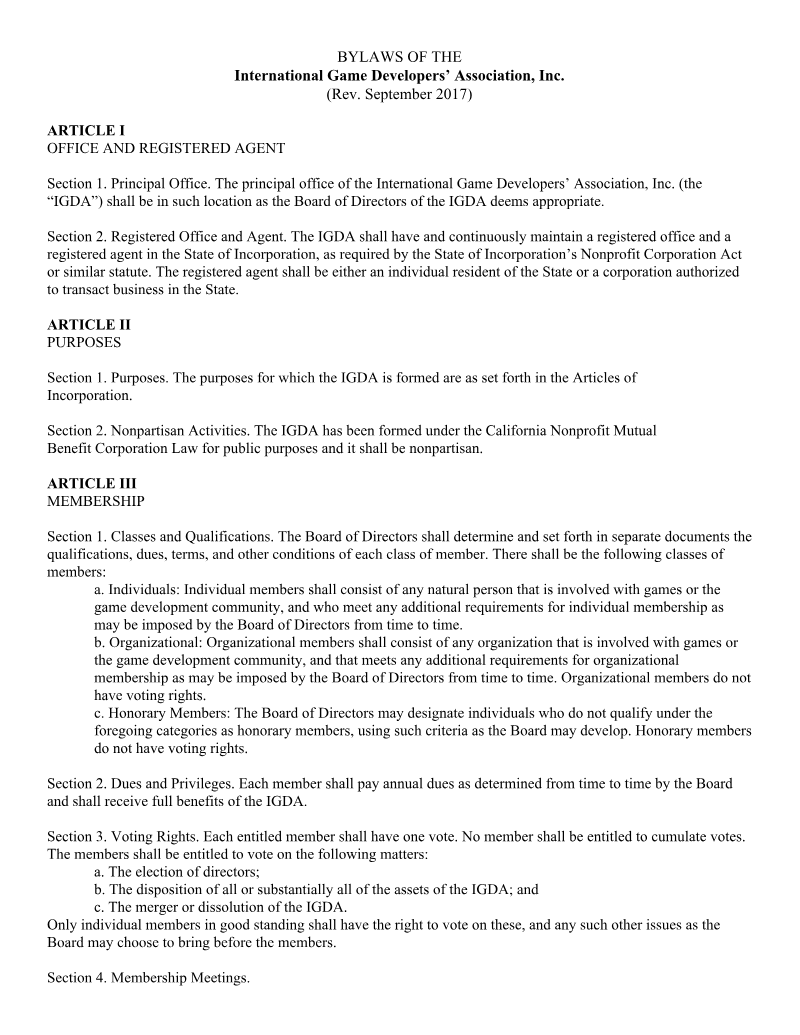
International Game Developers’ Association · 2023
GDC · 2022
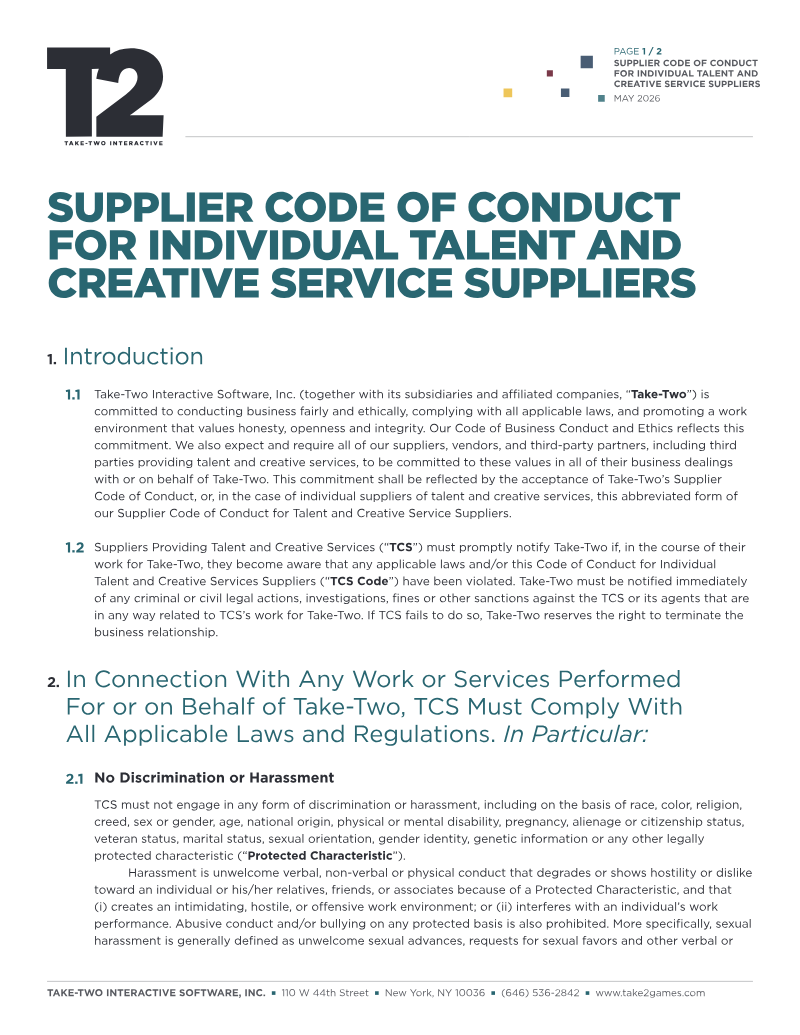
Take-Two Interactive

Niko Partners · 2026
Poki · 2026
Anzu · 2026
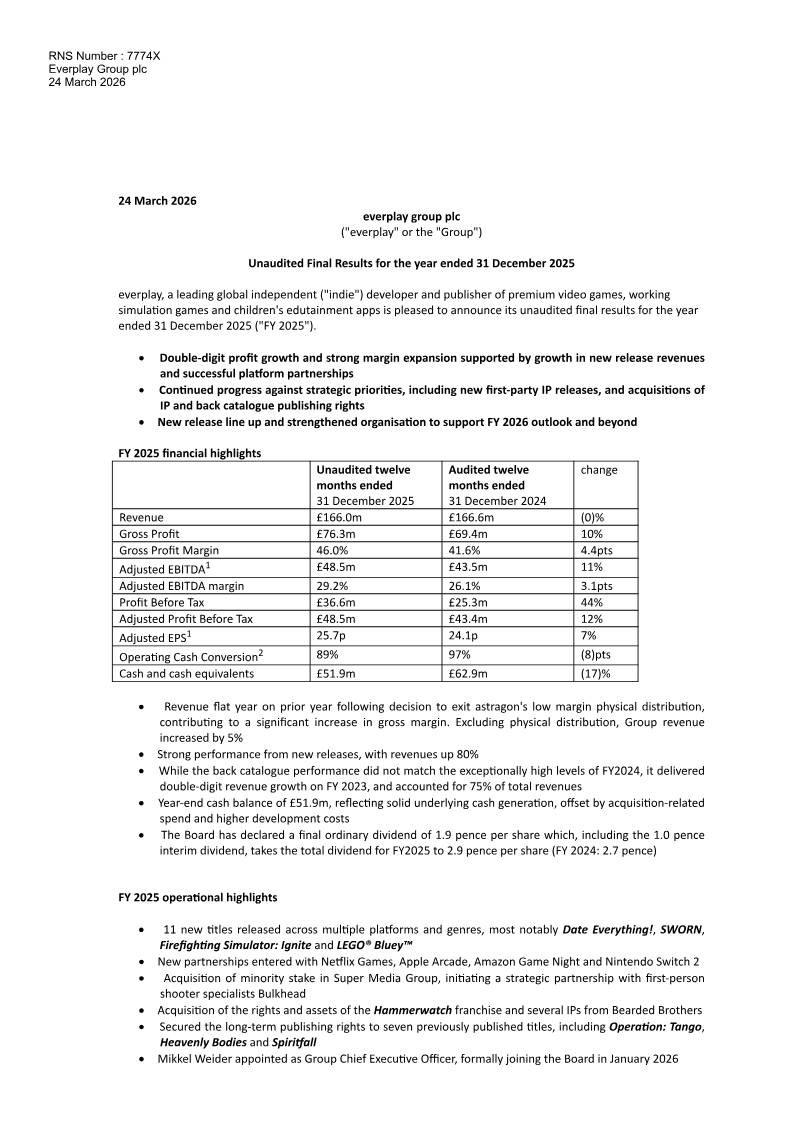
Everplay Group · 2026
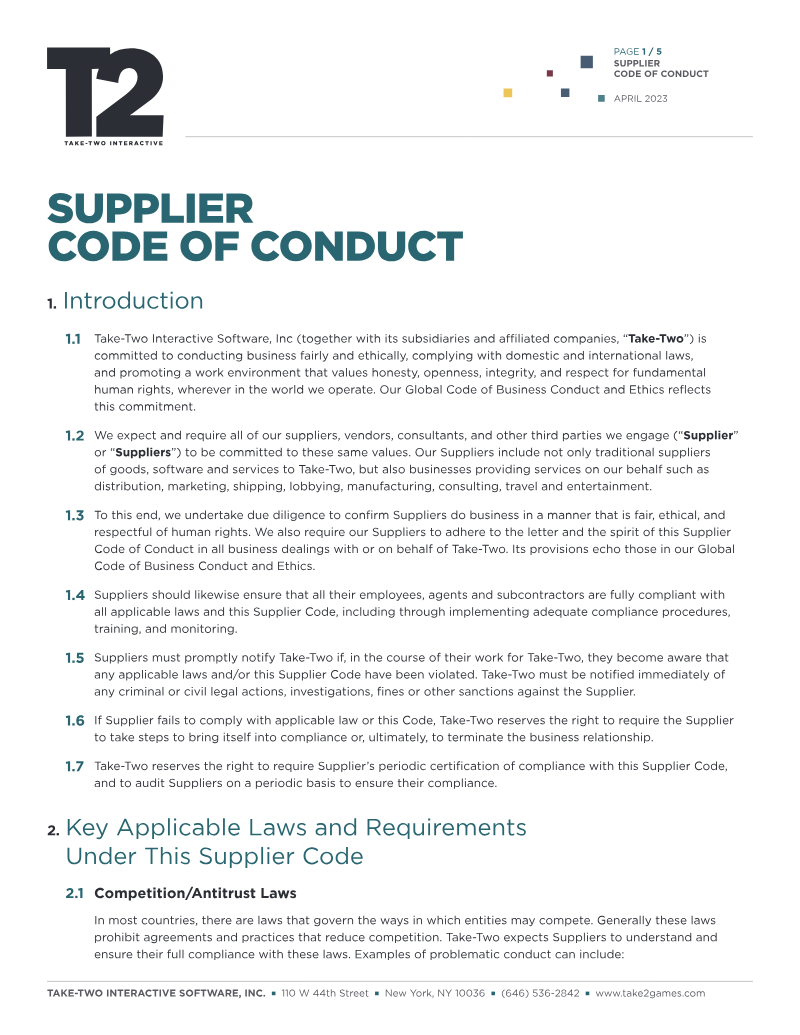
Take-Two Interactive · 2026
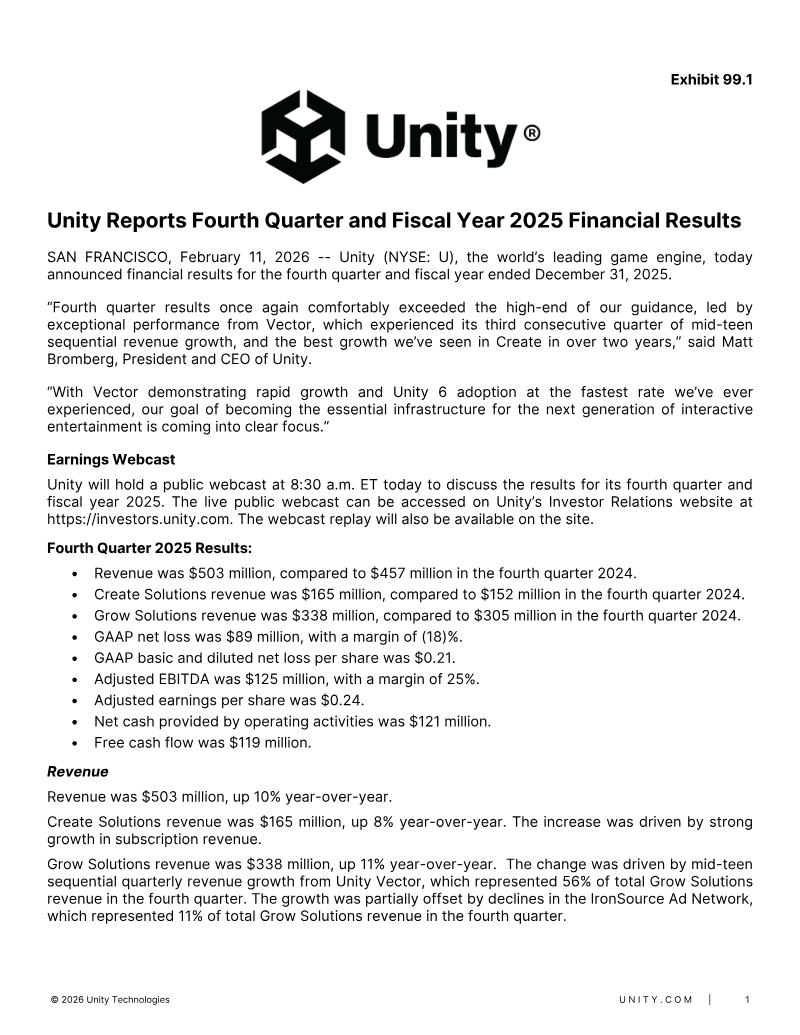
Unity · 2026
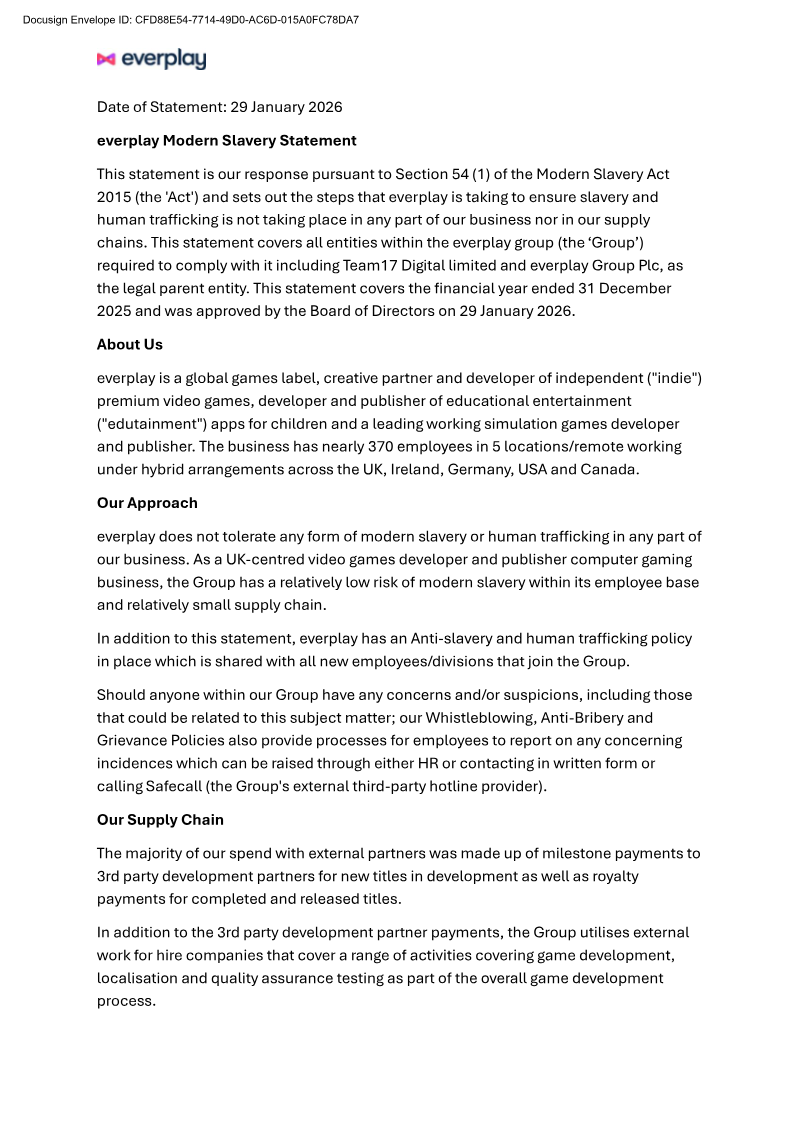
Everplay · 2026