Essential Facts About the U.S. Video Game Industry: Power of Play 2023
202313 pages~14 min full read
The global video game industry, represented by various national trade associations, highlights the multifaceted benefits of gaming beyond mere entertainment. Drawing on a 2023 survey of nearly 13,000 players across 12 countries—including the United States, Brazil, South Korea, and several European nations—the findings demonstrate that video games serve as vital tools for mental health, social connection, and cognitive development. The data is further supported by approximately 15 academic studies that validate player experiences with scientific research on psychological and physiological well-being.
Key findings indicate that while fun remains the primary motivator for play, 71% of global players use games to relieve stress and 62% use them to reduce anxiety. The social dimension of gaming is equally significant; 67% of respondents believe games bring people together, and nearly half have met a significant other or close friend through gaming platforms. Beyond emotional support, players report improvements in creativity, problem-solving, and cognitive skills. Academic research cited in the report corroborates these claims, suggesting that action games can improve reading skills and attention control, while specific titles like Tetris or "exergames" can mitigate trauma symptoms or reduce loneliness in older adults.
The scope of the research is global, covering diverse markets in North America, Europe, Asia, and Oceania. Methodology involved an interactive online survey conducted by AudienceNet, utilizing demographically representative samples of active gamers aged 16 and older who play at least one hour per week. By combining large-scale consumer data with peer-reviewed academic literature, the analysis concludes that video games provide a unique, high-quality environment for social interaction and mental stimulation that is not easily replicated by other forms of media.

Entertainment Software Association · 2025
Entertainment Software Association · 2025
Entertainment Software Association · 2024
Entertainment Software Association · 2024

Entertainment Software Association · 2022
Entertainment Software Association · 2013
Entertainment Software Association

Niko Partners · 2026
Bryter · 2026
GameAnalytics · 2026
Poki · 2026
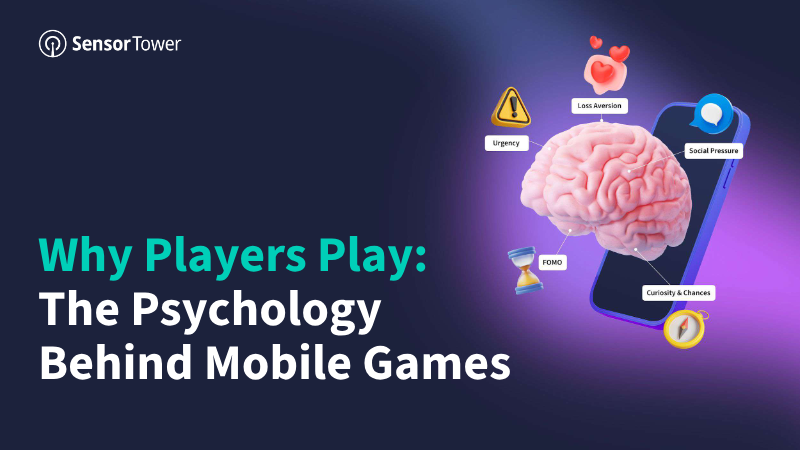
Sensor Tower · 2026
Anzu · 2026
Newzoo · 2026
Poki · 2026
Sensor Tower · 2025
AppMagic · 2025
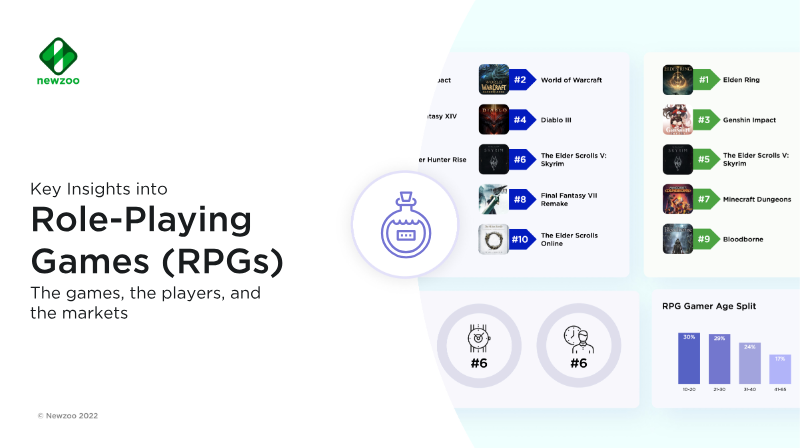
Newzoo · 2025
Appodeal · 2025