
The $55 billion acquisition of Electronic Arts by a consortium led by Saudi Arabia’s Public Investment Fund (PIF), alongside Silver Lake and Affinity Partners, marks a significant shift in the global video game industry. While the deal is the second-largest in gaming history, the valuation—approximately 19.6 times the company’s annual EBITDA—appears disconnected from traditional financial metrics. Given EA’s mature business profile, reliance on sports titles, and lack of recent breakout growth, the premium price suggests the acquisition is driven by strategic geopolitical objectives rather than standard market synergies.
The transaction signals a transition for video games from pure entertainment products to strategic assets for sovereign wealth. By consolidating holdings in U.S.-based companies, the PIF is prioritizing the acquisition of cultural influence and long-term engagement over immediate profitability. This strategy is supported by the PIF’s broader goal of diversifying the Saudi economy, as evidenced by its shift in focus from Asian gaming giants to American firms, where its U.S.-based assets have more than doubled in value to $25 billion.
The deal, expected to close in fiscal Q1 2027, will likely face regulatory scrutiny regarding data security and foreign ownership, though political connections may facilitate approval. Post-acquisition, the company is expected to undergo structural changes, potentially splitting into sports and non-sports divisions. While the move offers EA a reprieve from the short-term pressures of public market quarterly earnings, it introduces significant uncertainty regarding future creative direction and potential operational right-sizing. Ultimately, the buyout underscores the growing role of state capital in shaping the future of interactive entertainment.

SuperJoost · 2026
SuperJoost · 2026

SuperJoost · 2026

SuperJoost · 2026

SuperJoost · 2026
SuperJoost · 2026

SuperJoost · 2026

SuperJoost · 2026

SuperJoost · 2026

SuperJoost · 2026
SuperJoost · 2026
SuperJoost · 2026

InvestGame
Aream & Co · 2026
Drake Star Partners · 2026
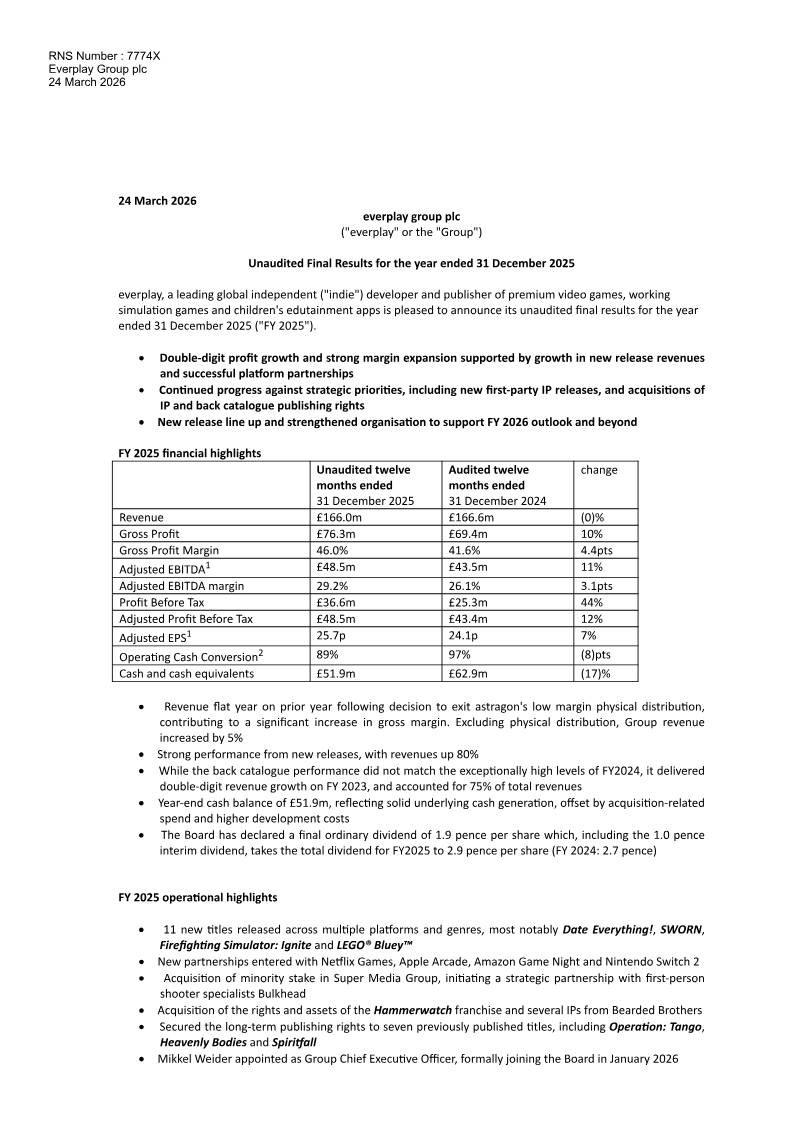
Everplay Group · 2026
Capcom · 2026
Modern Times Group · 2026
Drake Star Partners · 2025
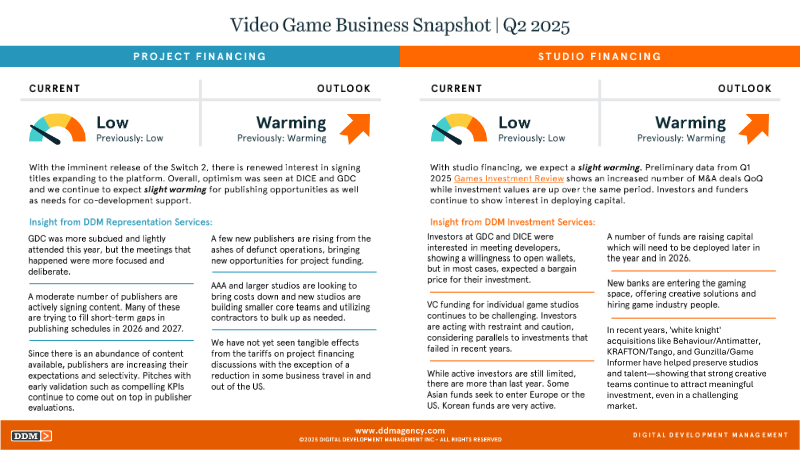
DDM · 2025
tinyBuild · 2025
Drake Star Partners · 2025
Drake Star Partners · 2025
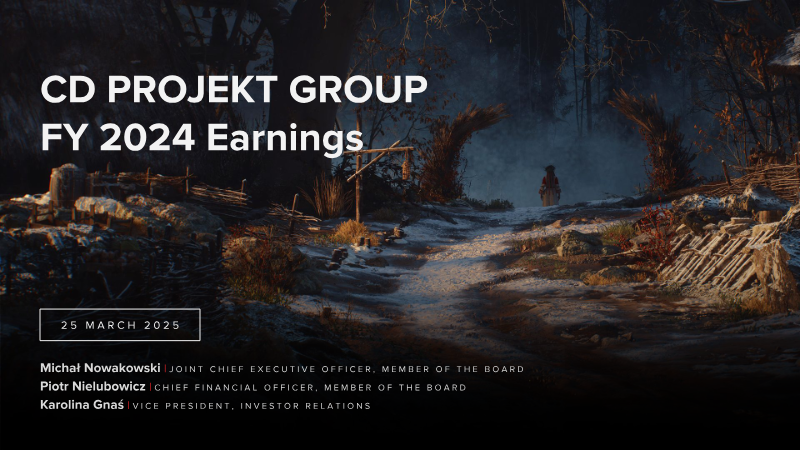
CD Projekt · 2025