1 free read left. Create a free account for unlimited reading + AI research.
Create free accountArticle IGEA
1 free read left. Create a free account for unlimited reading + AI research.
Create free accountArticleIGEA
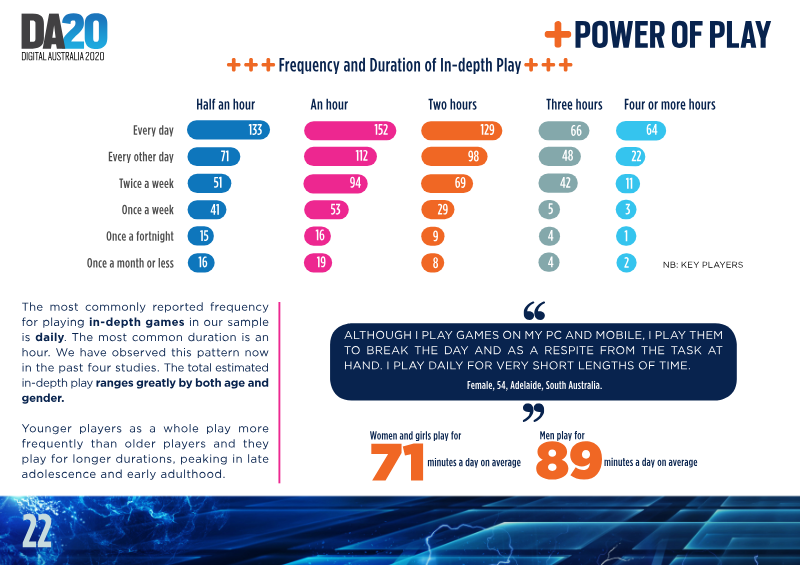
The 2025 Australia Plays study, conducted by the Interactive Games and Entertainment Association with Bond University, finds that Australian parents increasingly view video games as a positive force for family connection, learning, and skill development. The study reports that video games are played in nine out of ten Australian households, and that 54% of parents who play with their children do so to bond as a family, while 49% of all parents believe games help children learn. Parents most often cite problem-solving (48%), creativity (39%), teamwork (32%), and resilience (21%) as benefits.
The research draws on a survey of 1,241 Australian households, with 394 parent respondents, collected through the Qualtrics XM panel in May 2025 and designed and conducted at Bond University. The reported margin of error is 2.7%. Respondents of all ages agreed that games build cognitive skills (92–93%), online and digital skills (91%), creativity (86–89%), and teamwork (84–89%), with leadership skills rated slightly lower (75–76%). Parents also reported notable use of games in education, with 42% saying games are used in their children's schools and 29% saying game development is part of the curriculum.
The study highlights the growing role of gamification in workplaces, where 26% of Australian adults say they have used games to learn new information and over 20% have learned on the job through game environments. Mental health and social connection emerged as another key theme: 89% of 18 to 34 year olds said they play to improve their mental health, with destressing and making connections the most cited reasons, and 47% of that group said they had made friends through games.
The profile of the modern Australian player is a working-age adult averaging around 35 years old, with women (51%) now slightly more likely than men (48%) to play for the first time in the study's history. Seventy-one percent of Australian players are of working age, 19% are children, and 10% are of retirement age. The findings are presented as evidence that video games offer benefits beyond entertainment, including social connection, education, and mental wellbeing.

PocketGamer.biz · 2016

PocketGamer.biz · 2026

PocketGamer.biz · 2026

Two & a Half Gamers · 2026

Deconstructor of Fun · 2026

Two & a Half Gamers · 2026

Two & a Half Gamers · 2026

Mobilegamer.biz · 2026

Two & a Half Gamers · 2026

Deconstructor of Fun · 2026
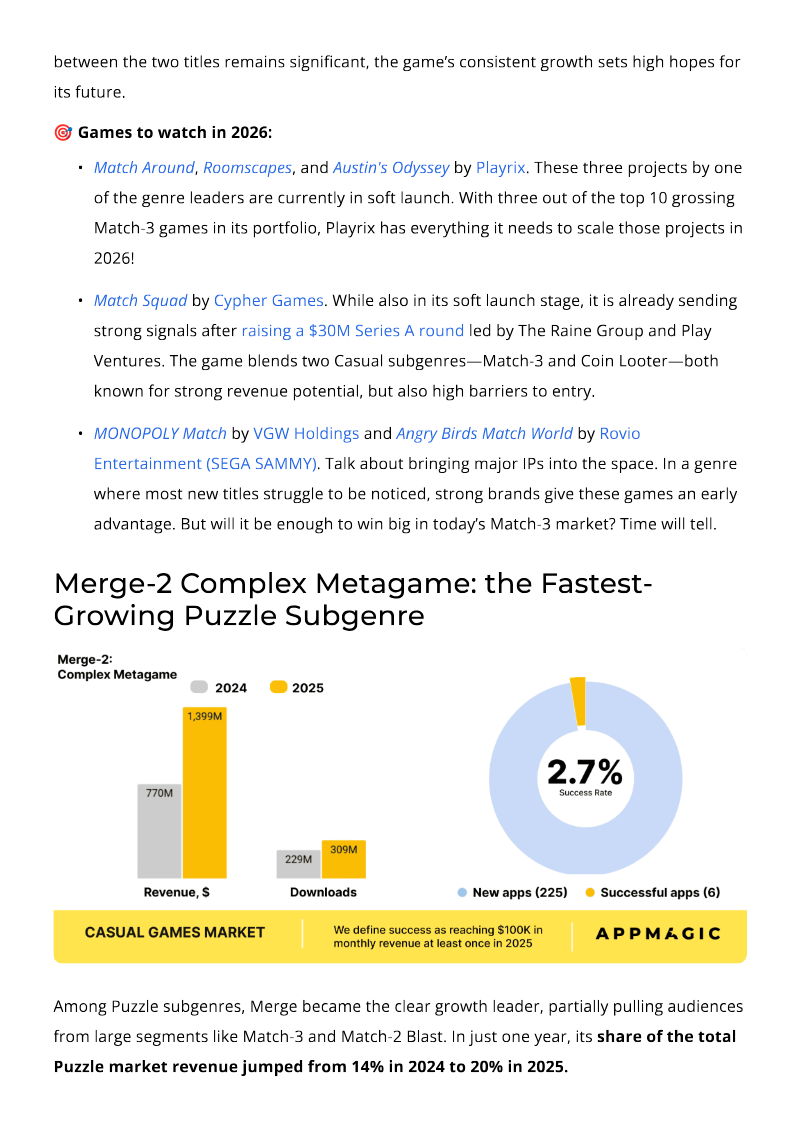
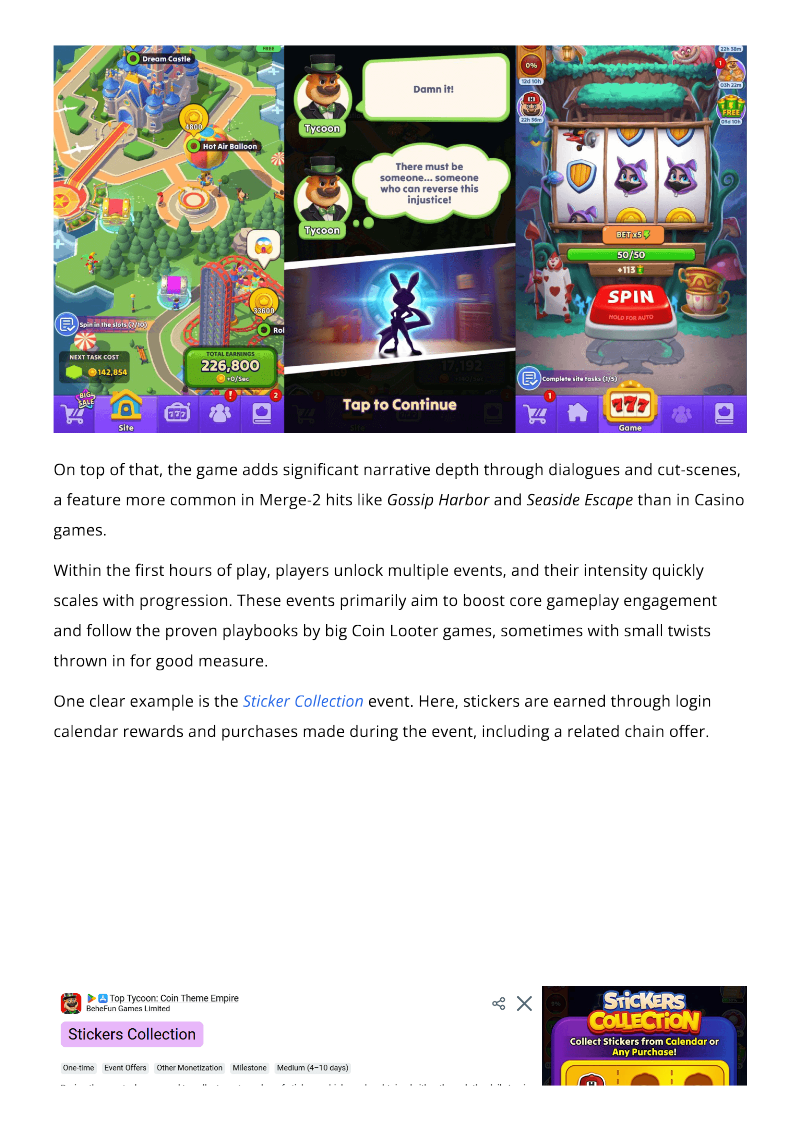

AppMagic · 2026

AppMagic · 2026