1 free read left. Create a free account for unlimited reading + AI research.
Create free accountReport IGEA
1 free read left. Create a free account for unlimited reading + AI research.
Create free accountReportIGEA
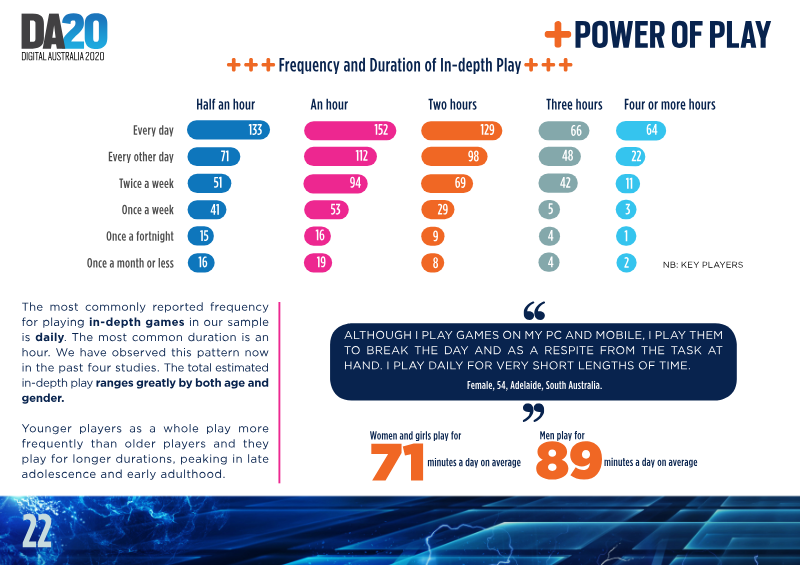
Nine in ten New Zealand households own a device capable of playing games, a level unchanged since 2010. Roughly two-thirds of the population plays, averaging 88 minutes of daily play.
Digital New Zealand 2020: The Power of Games presents a comprehensive picture of how New Zealanders play video games and what they believe games contribute to society. Drawing on a survey of 801 households and 2,225 individuals conducted in February 2019, the study frames games as a normalised part of everyday culture rather than a niche pastime. Nine in ten New Zealand households own a device capable of playing games, a level that has held steady since 2010, and roughly two-thirds of the population plays. The average player is now 34 years old, and women make up 46 percent of players, with total daily play averaging 88 minutes.
The research highlights how motivations and habits vary across life stages. Older adults primarily play to keep their minds active, while working-age adults most often cite fun, relaxation, and stress relief. Adults engage with games alongside other leisure activities such as television and film, and playing together in the same room with children or a partner is the most common social context. Parents' concerns have shifted from broad anxieties about games toward more specific issues such as loot boxes and in-app purchases, suggesting a move away from earlier moral panic. Engagement with game culture is also substantial, with majorities watching walkthroughs and gameplay videos, and a growing esports presence.
The study's economic and social findings are equally notable. Large majorities of adults, including non-players, believe games support mental stimulation, thinking skills, and healthy ageing, and many see value in games for education, particularly in STEM subjects. Retail sales rose from $118 million to $548 million between 2013 and 2018, a compound annual growth rate of 15 percent, and about three-quarters of adults believe the industry adds value to the national economy. Two-thirds of adults also want greater cultural and disability diversity in games. Survey margins of error range from ±2.1 to ±3.9 percent depending on subgroup.

Deconstructor of Fun · 2026

Deconstructor of Fun · 2024

Deconstructor of Fun · 2024
Two & a Half Gamers · 2024
Two & a Half Gamers · 2024
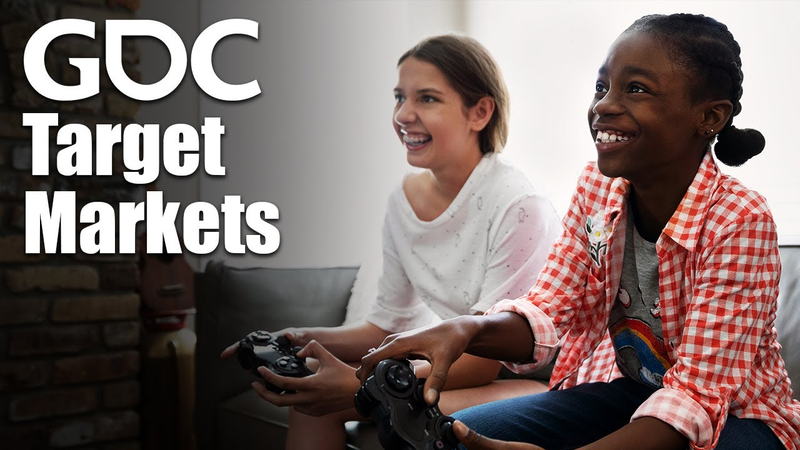
Game Developers Conference · 2024

Naavik · 2023

Two & a Half Gamers · 2022

PocketGamer.biz · 2017
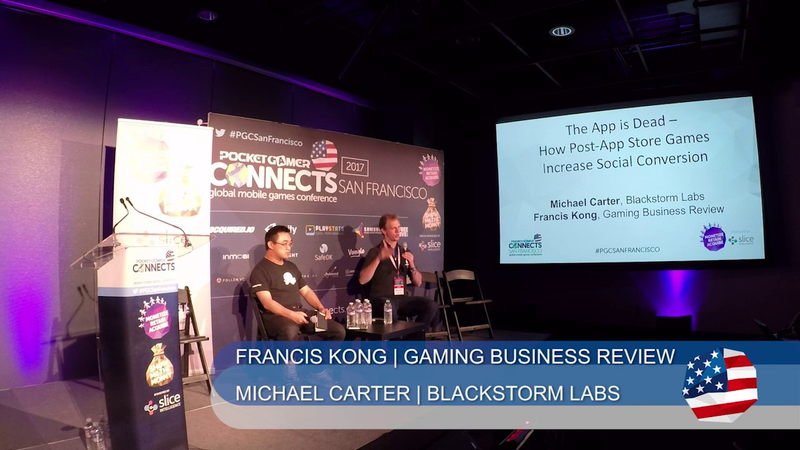
PocketGamer.biz · 2017
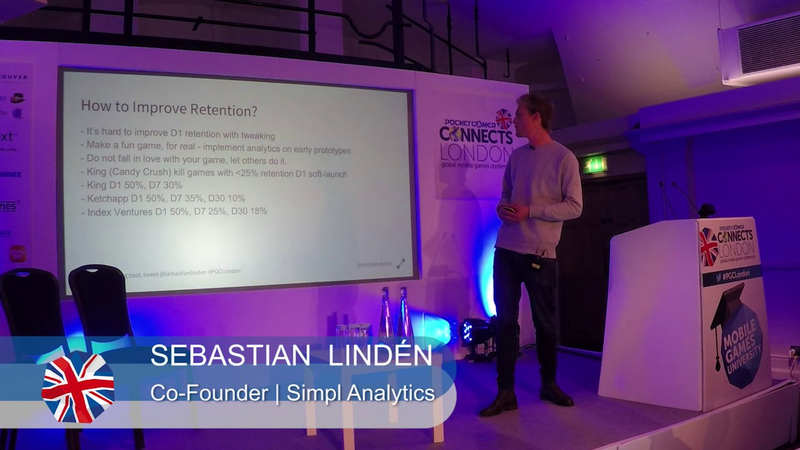
PocketGamer.biz · 2017
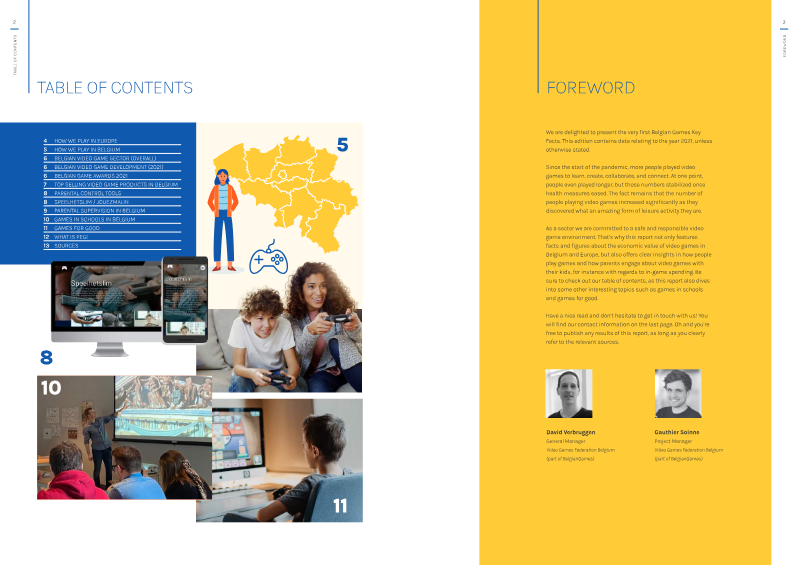
BelgianGames