Loading the document
1 free read left. Create a free account for unlimited reading + AI research.
Create free accountWhitepaper Halmstad University
1 free read left. Create a free account for unlimited reading + AI research.
Create free accountWhitepaperHalmstad University
The Esports Performance Screening (EPS) framework establishes a comprehensive, hierarchical model for diagnosing competitive performance in invasion-based esports. By synthesizing principles from traditional sports science, interceptive athletics, and digital game mechanics, the model categorizes performance into five distinct levels: strategy, tactics, tasks, actions, and operations. This structure allows coaches and players to systematically differentiate between cognitive errors in reasoning and physical slips in execution, providing a necessary pedagogical foundation for an industry that has historically lacked formal diagnostic tools.
The framework functions by identifying how various mechanical, contextual, and player-based superiorities influence the stability of a team during offensive and defensive transitions. By applying this taxonomy, teams can move beyond subjective, anecdotal post-game reviews toward a shared, objective vocabulary. This common language facilitates more efficient VOD analysis and enables real-time tactical regulation, as demonstrated by successful implementations in high-level League of Legends play. By replacing conflicting individual interpretations with a unified understanding of principles of play, teams can maintain structural coherence even under intense time pressure.
Ultimately, the EPS framework serves as both a reflective diagnostic tool and a heuristic guide for high-stakes decision-making. While the model provides a robust bridge between theoretical performance modeling and practical coaching applications, its current utility lies in its ability to standardize communication and inform the development of data-driven performance dashboards. Future research remains necessary to empirically validate the framework’s long-term effectiveness across diverse competitive environments, yet it currently represents a significant advancement in the professionalization of esports coaching and performance analysis.
Each row is a game or company this document names, each column a document, oldest first. A mark means that document names it. Select a row to see those documents.
University of Aalborg · 2016
Karlsruhe Institute of Technology · 2025
DiGRA · 2026
Entertainment Computing · 2026
Palgrave Macmillan · 2026
Association for Computing Machinery · 2025
Uppsala University · 2025
DiGRA · 2025
University of Jyväskylä · 2025
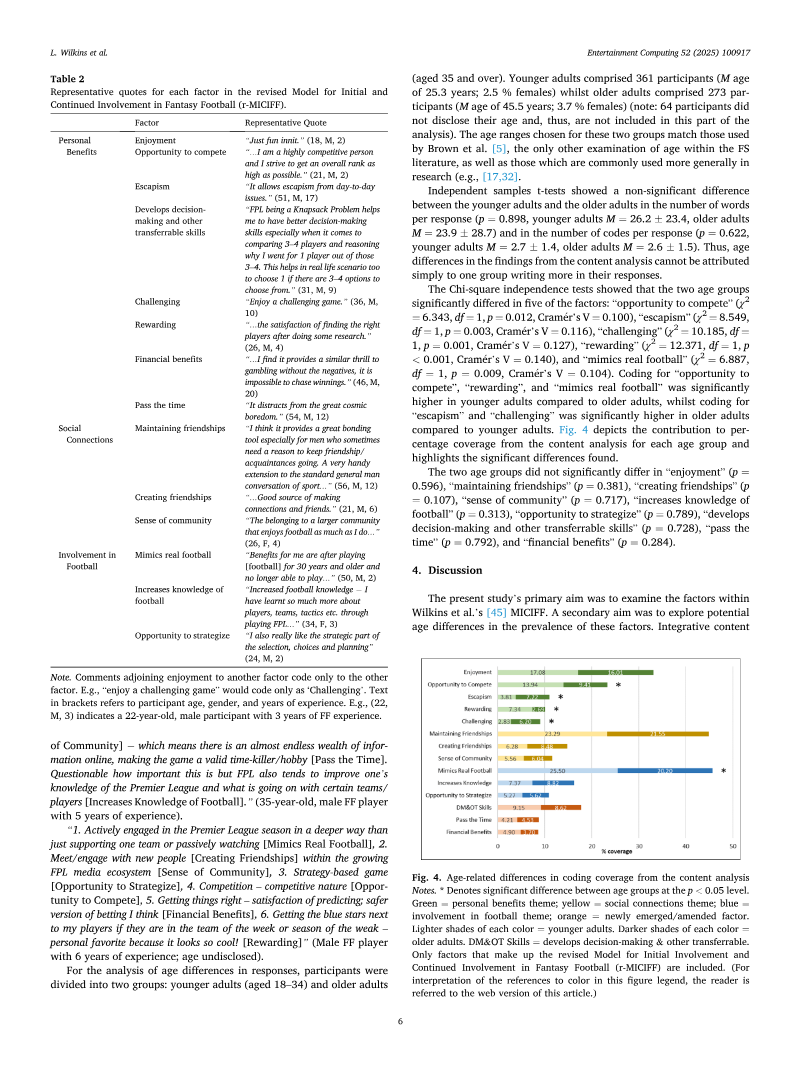
Entertainment Computing · 2024
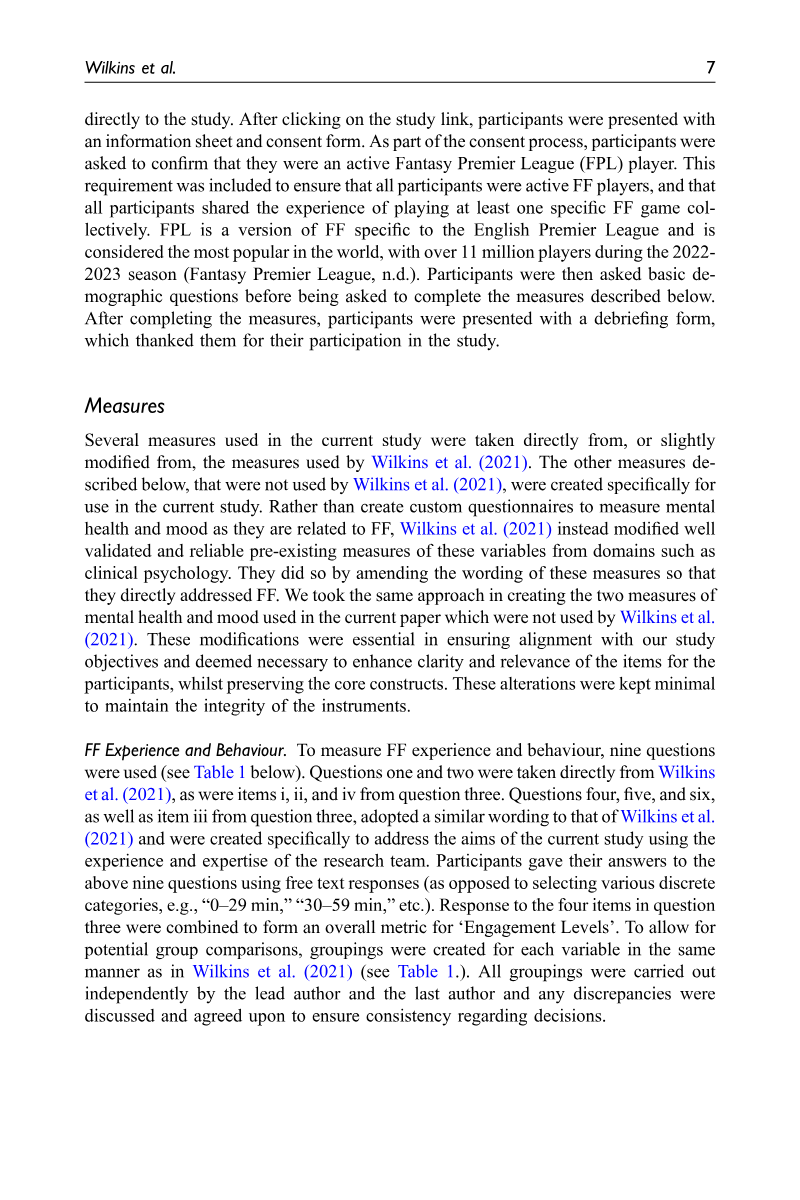
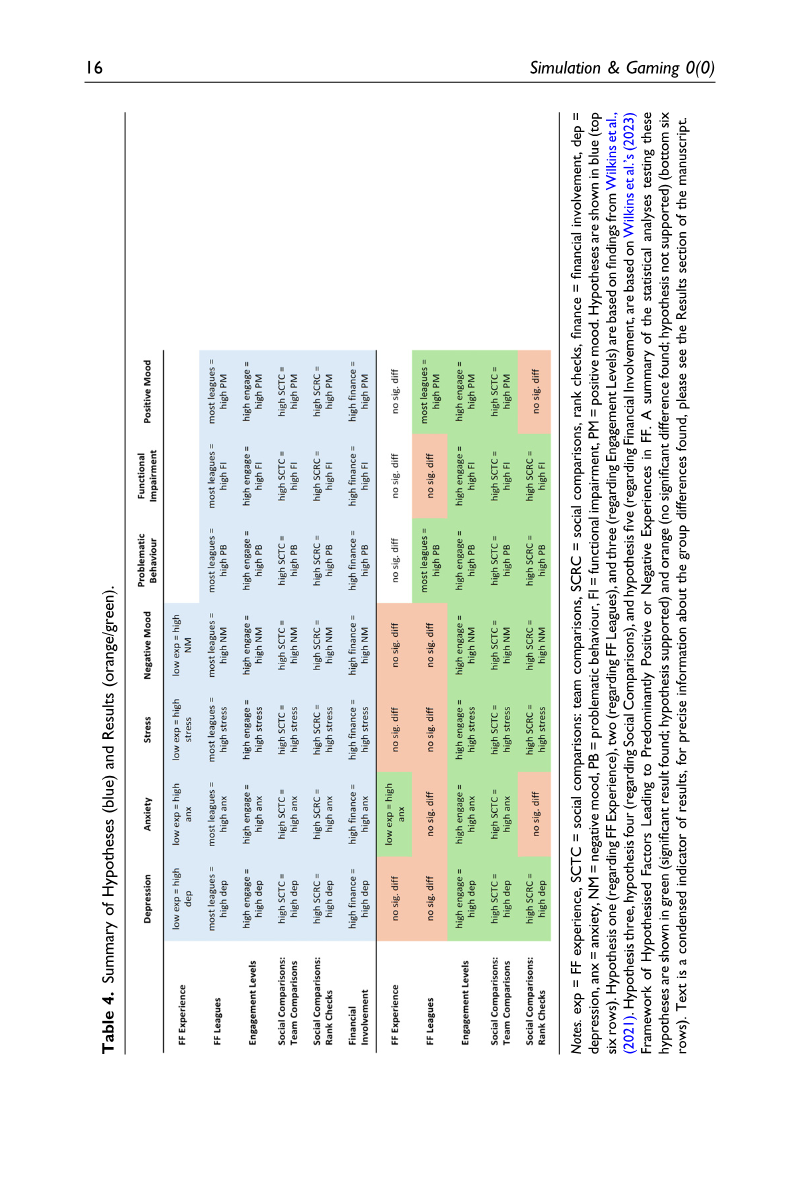
Simulation & Gaming · 2024
Spiel|Formen · 2023
DiGRA · 2023