More from Simulation & Gaming
View all
Whitepaper
Farmer Preferences on Contested Land Use in Agroforestry Landscapes: The RESORTES Game Implementation in Indonesia
Wageningen University & Research · 2025
Whitepaper
The Revised Model for Initial and Continued Involvement in Fantasy Football
Entertainment Computing · 2024
Whitepaper
Collective Action for Sustainable Farmer Water Management: The Case of the KILIMO NA MAJI Serious Game
Wageningen University & Research · 2024
Whitepaper
Toward Realism: An Analysis of Coastal Environments in Open-World Video Games
Simulation & Gaming · 2024
Article
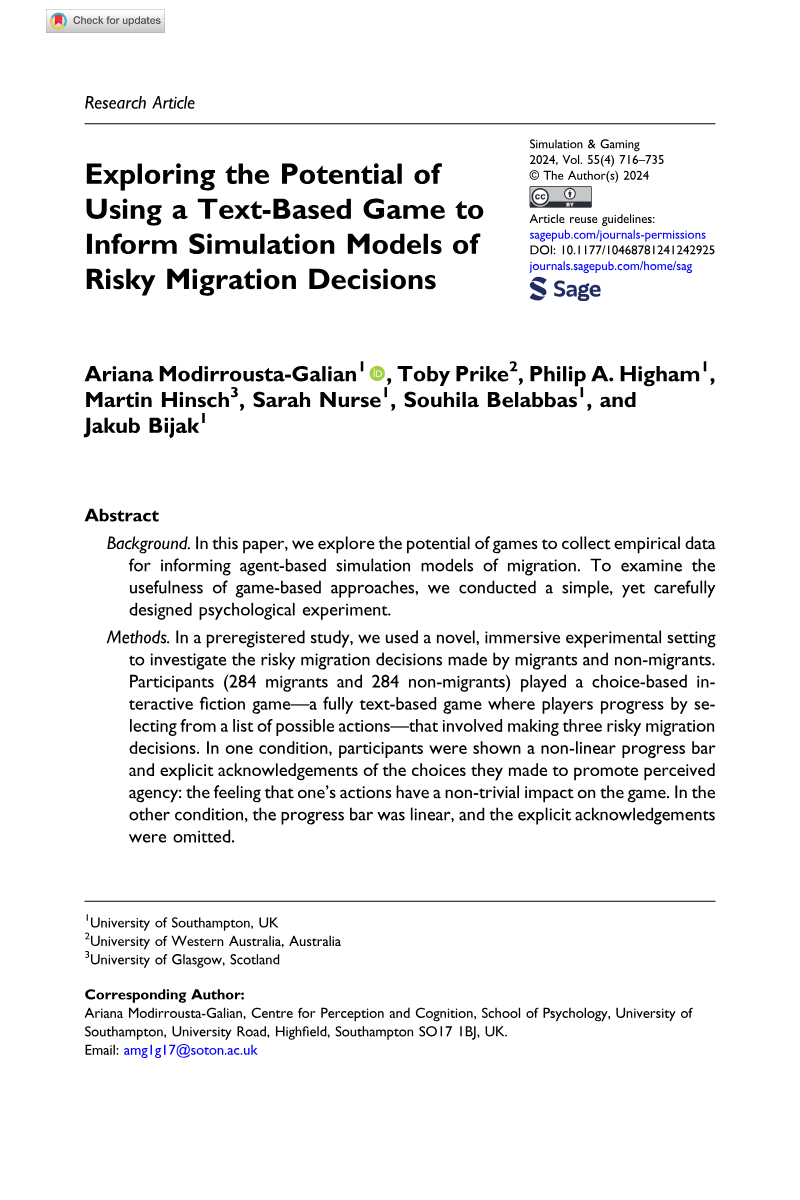
Using a Text-Based Game to Inform Simulation Models of Risky Migration Decisions
Simulation & Gaming · 2024
Article
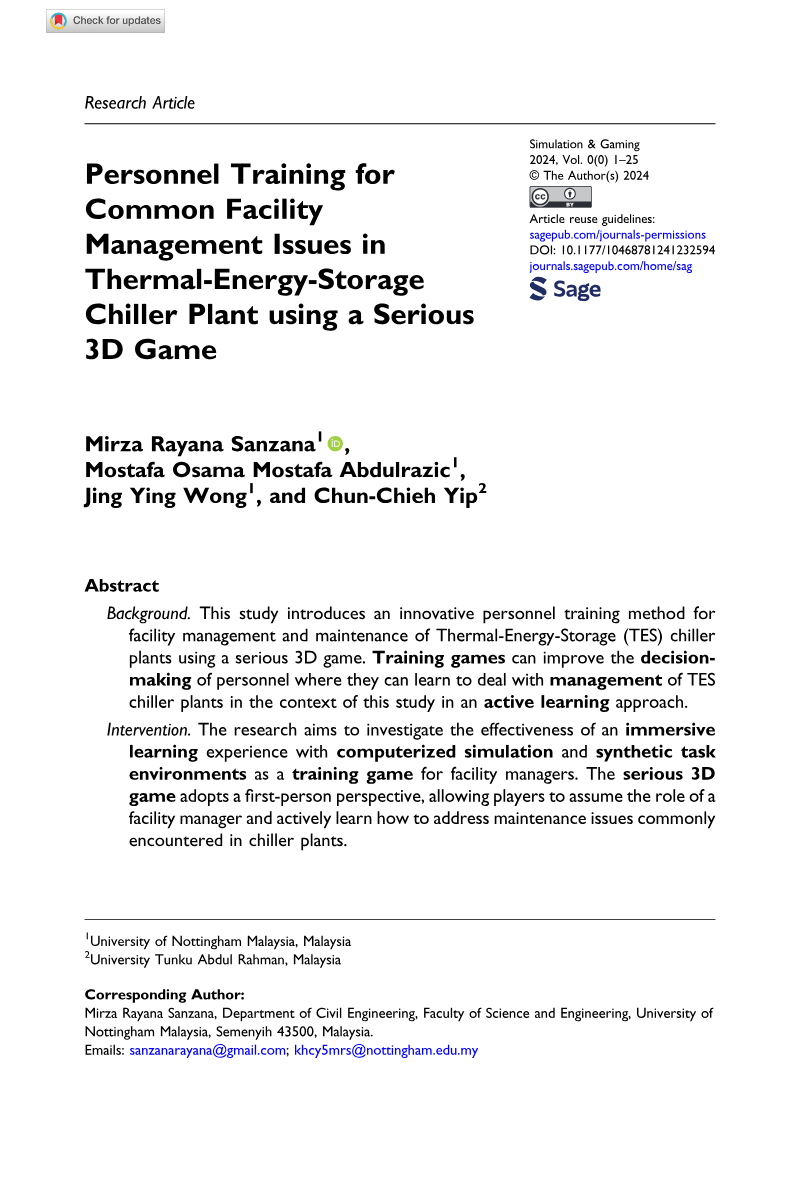
Common Facility Management Issues in Thermal-Energy-Storage Chiller Plant Using a Serious 3D Game
Simulation & Gaming · 2024
Whitepaper
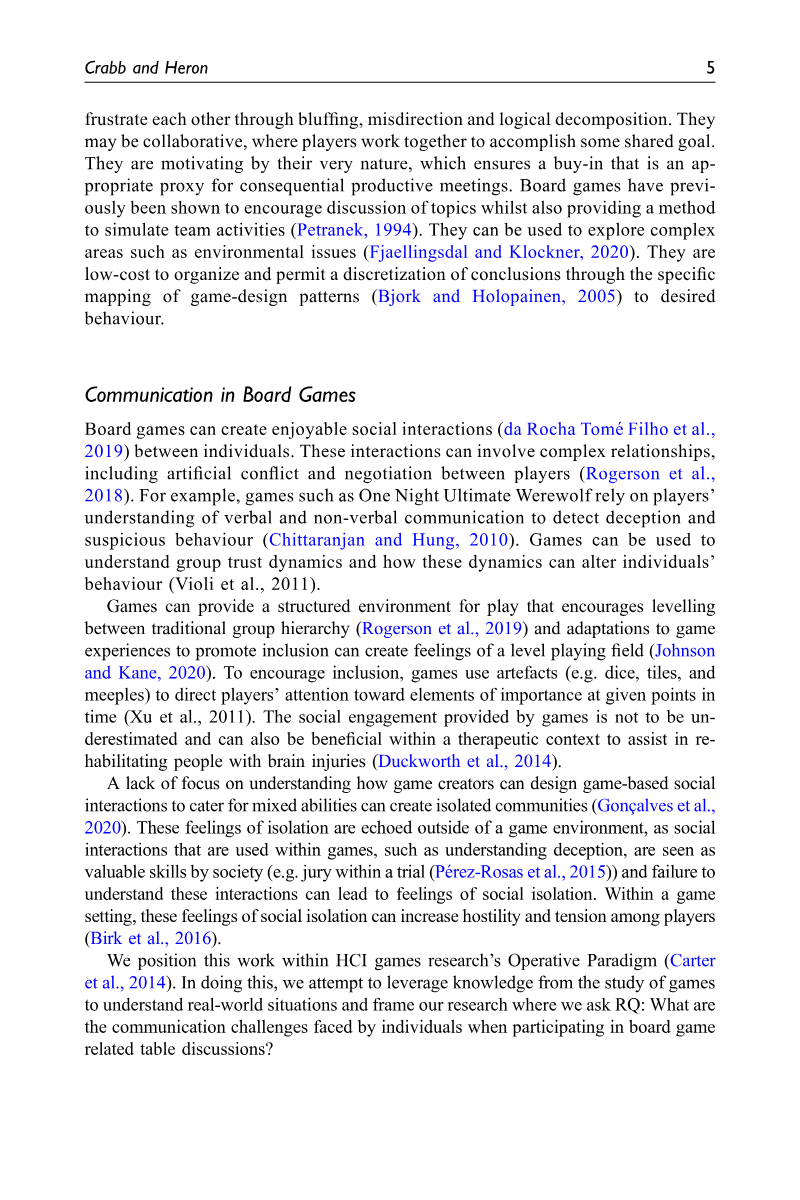
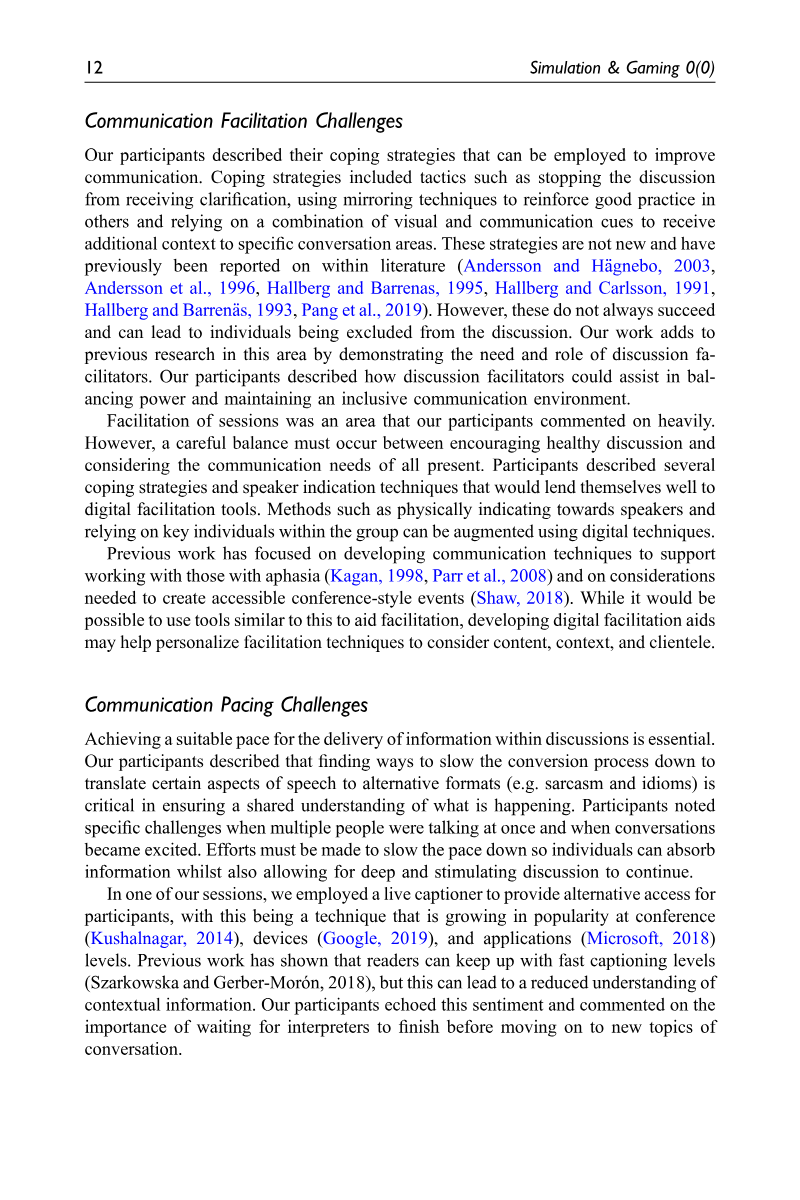
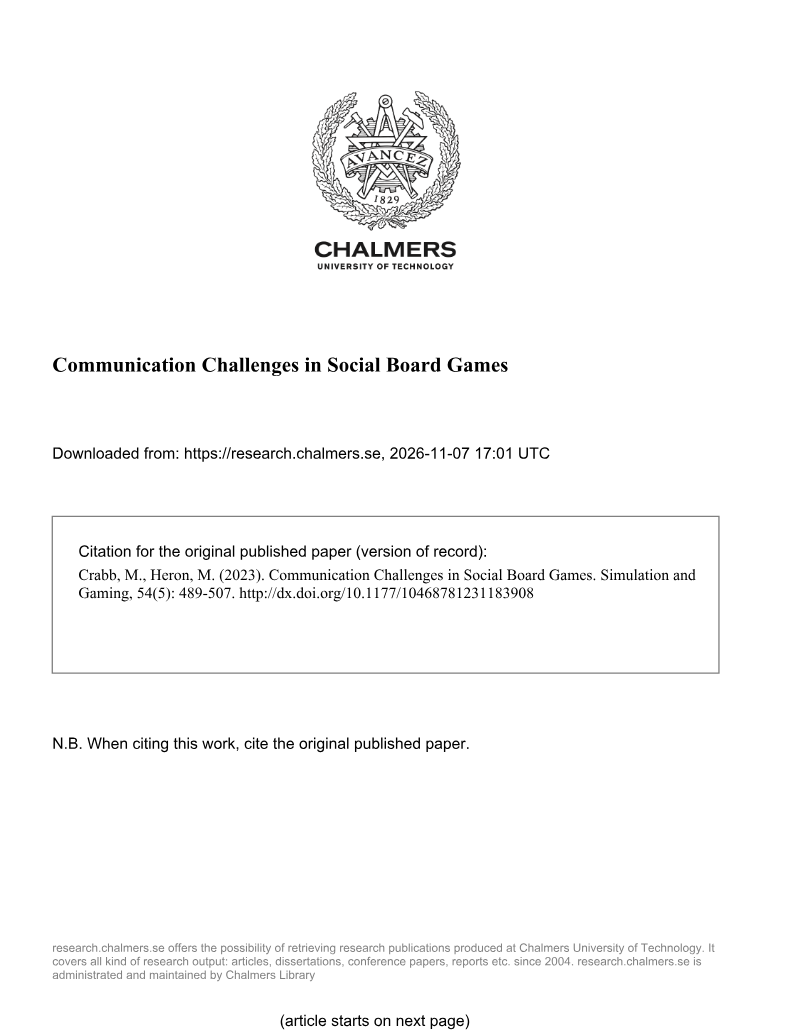
Communication Challenges in Social Board Games
Simulation & Gaming · 2023
Article
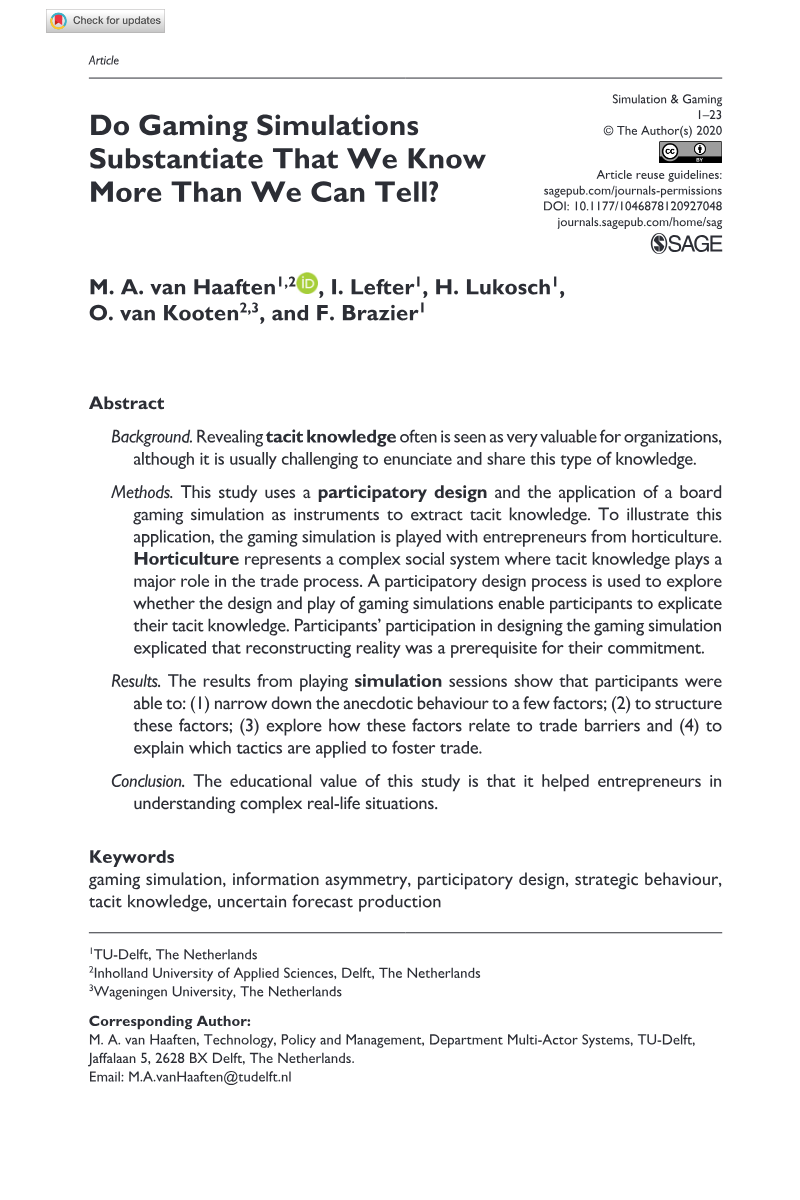
Do Gaming Simulations Substantiate That We Know More Than We Can Tell?
Simulation & Gaming · 2020
Article
Professional Wargaming: A Flawed but Useful Tool
Simulation & Gaming · 2020
Whitepaper
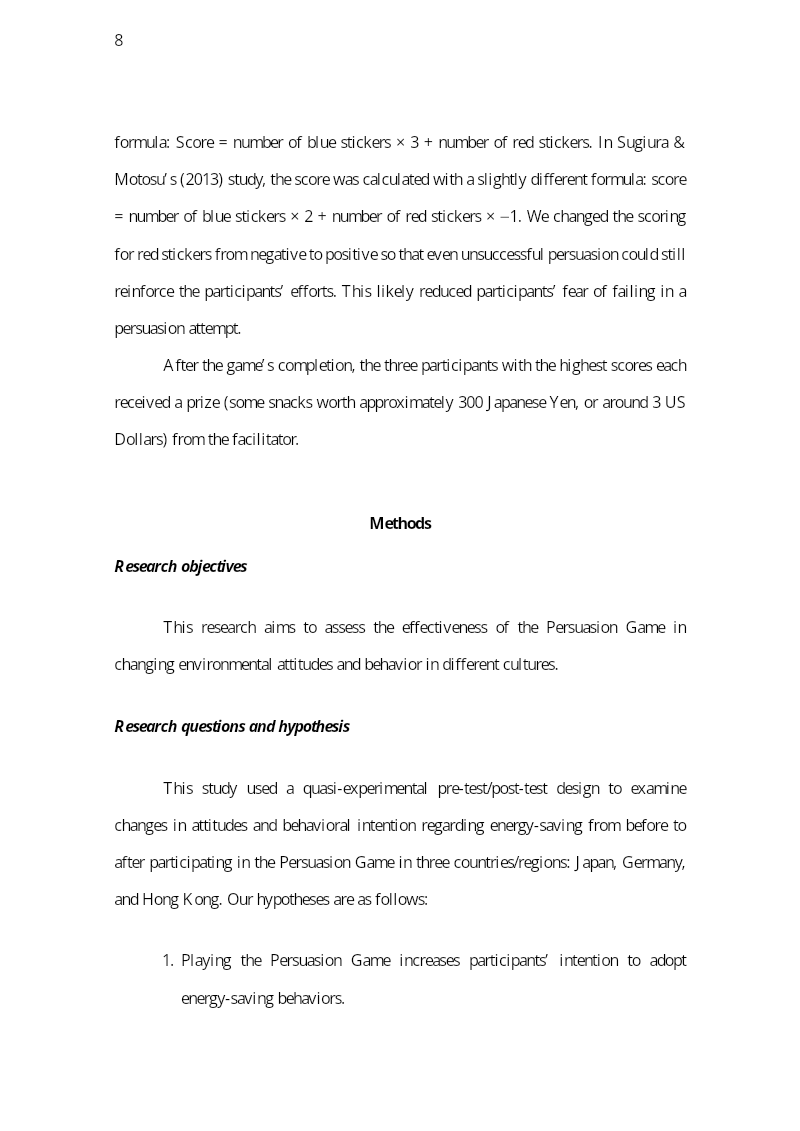
Persuasion Game: Cross-Cultural Comparison
Simulation & Gaming · 2019
Whitepaper
Not Only for the (Tom)boys: Gender Variables as Predictors for Playing Motivations, Passion, and Addiction for MMORPGs
Simulation & Gaming · 2019
Article
Using the SGDA Framework to Design and Evaluate Research Games
Simulation & Gaming · 2018