More from University of Aalborg
View all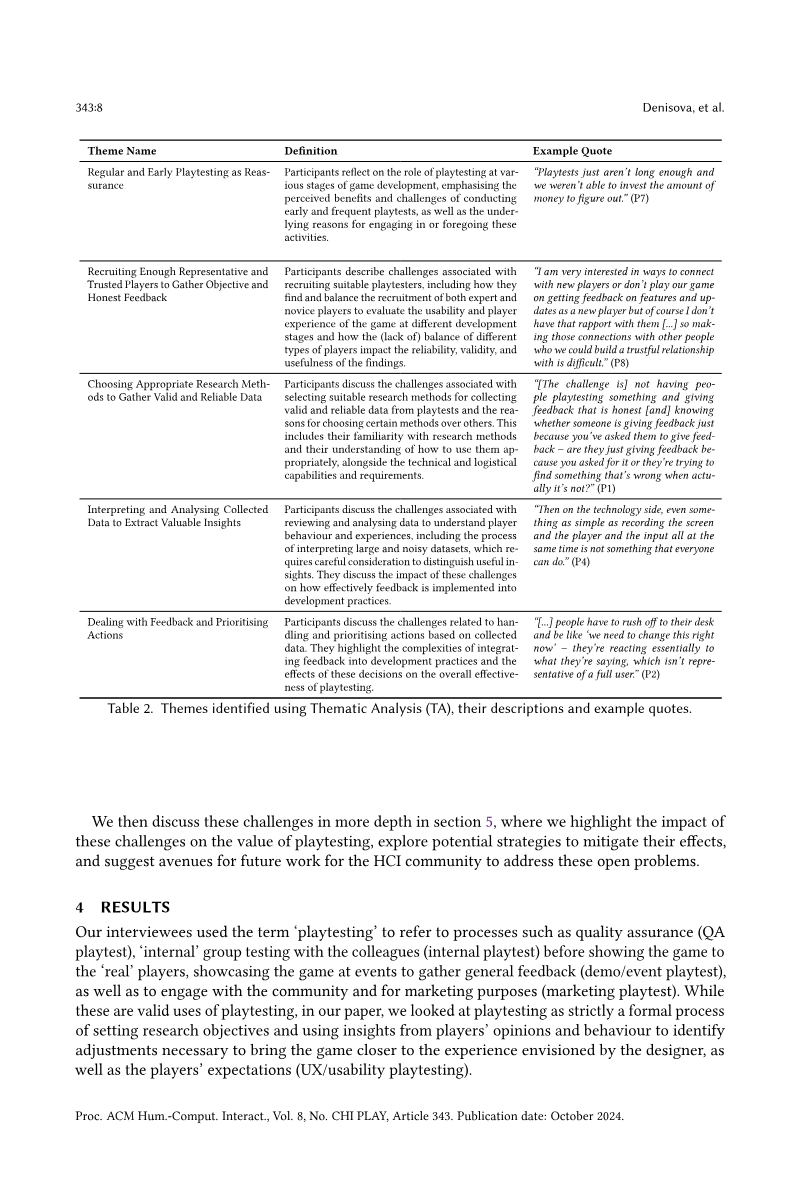
Whitepaper
Towards Democratisation of Games User Research: Exploring Playtesting Challenges of Indie Video Game Developers
Association for Computing Machinery · 2024
Whitepaper
MeteorQuest: Bringing Families Together Through Proxemics Play in a Mobile Social Game
University of Aalborg · 2018
Whitepaper
Framing Serious Games Development as a Matter of Business
University of Aalborg · 2016
Whitepaper
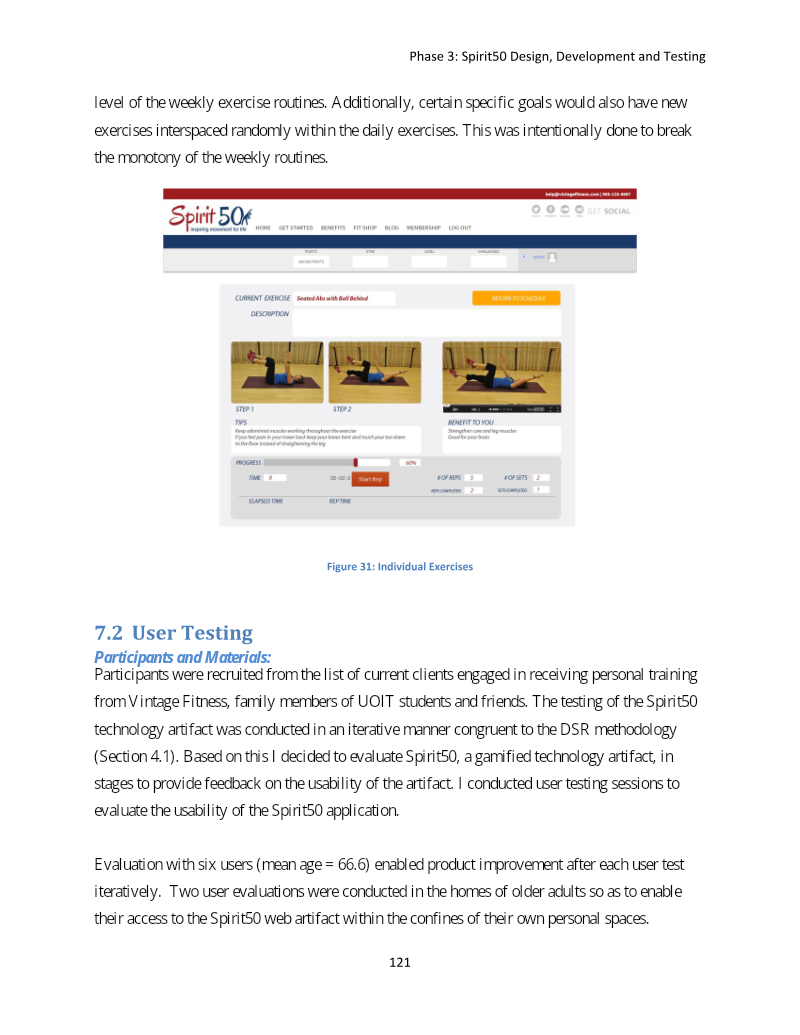
Adaptive Engagement of Older Adults' Fitness through Gamification
University of Ontario Institute of Technology · 2015
Whitepaper
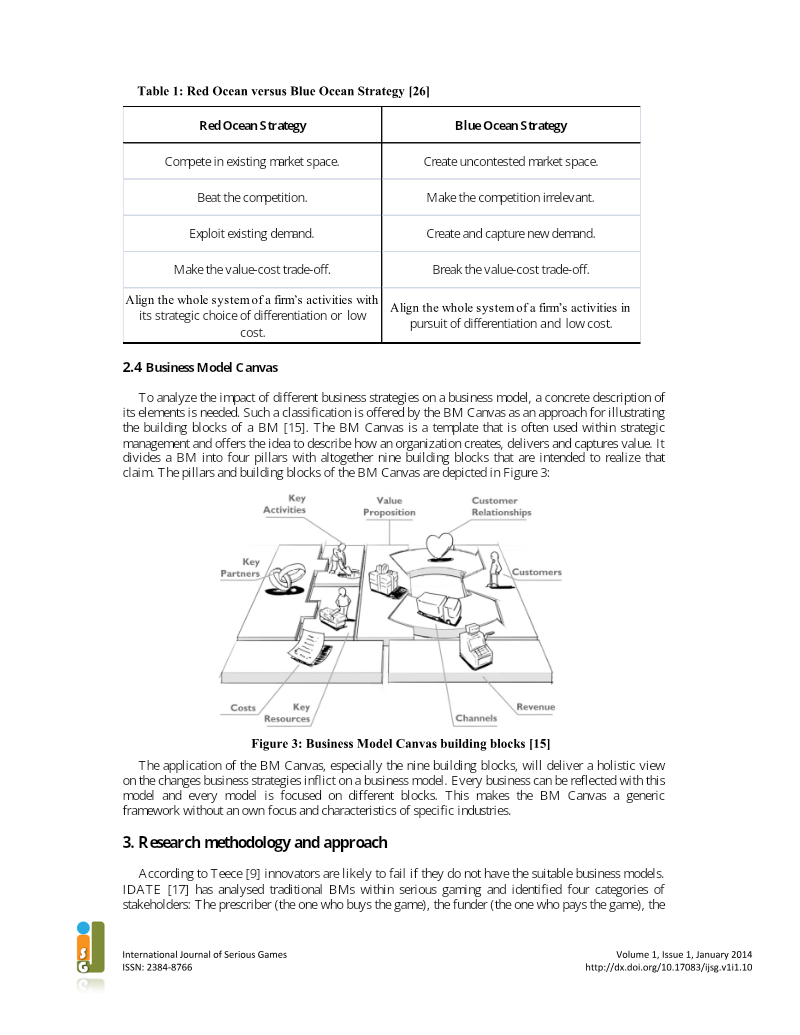
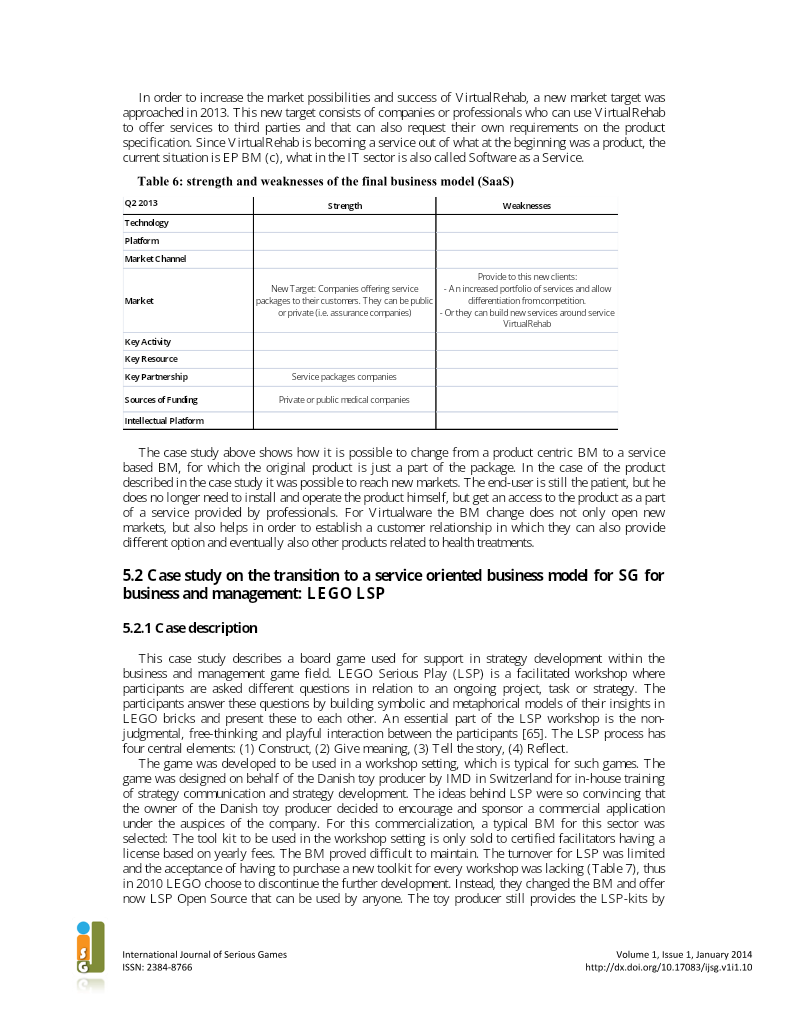
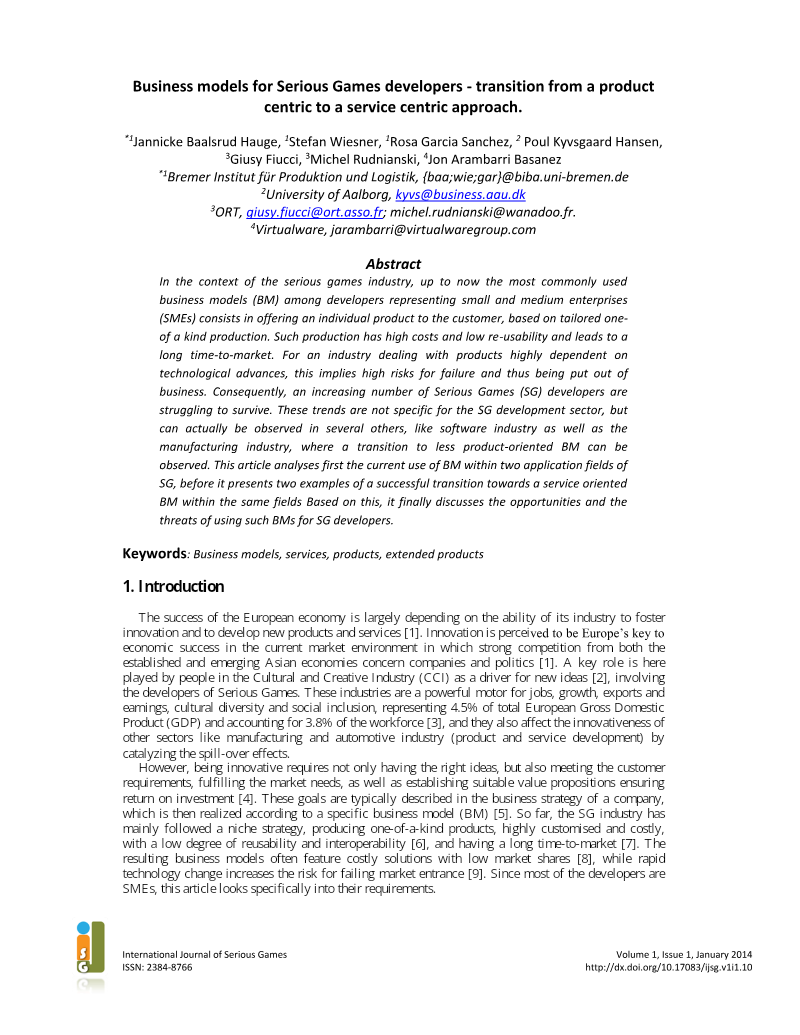
Business Models for Serious Games Developers: Transition from a Product Centric to a Service Centric Approach
International Journal of Serious Games · 2014
Whitepaper
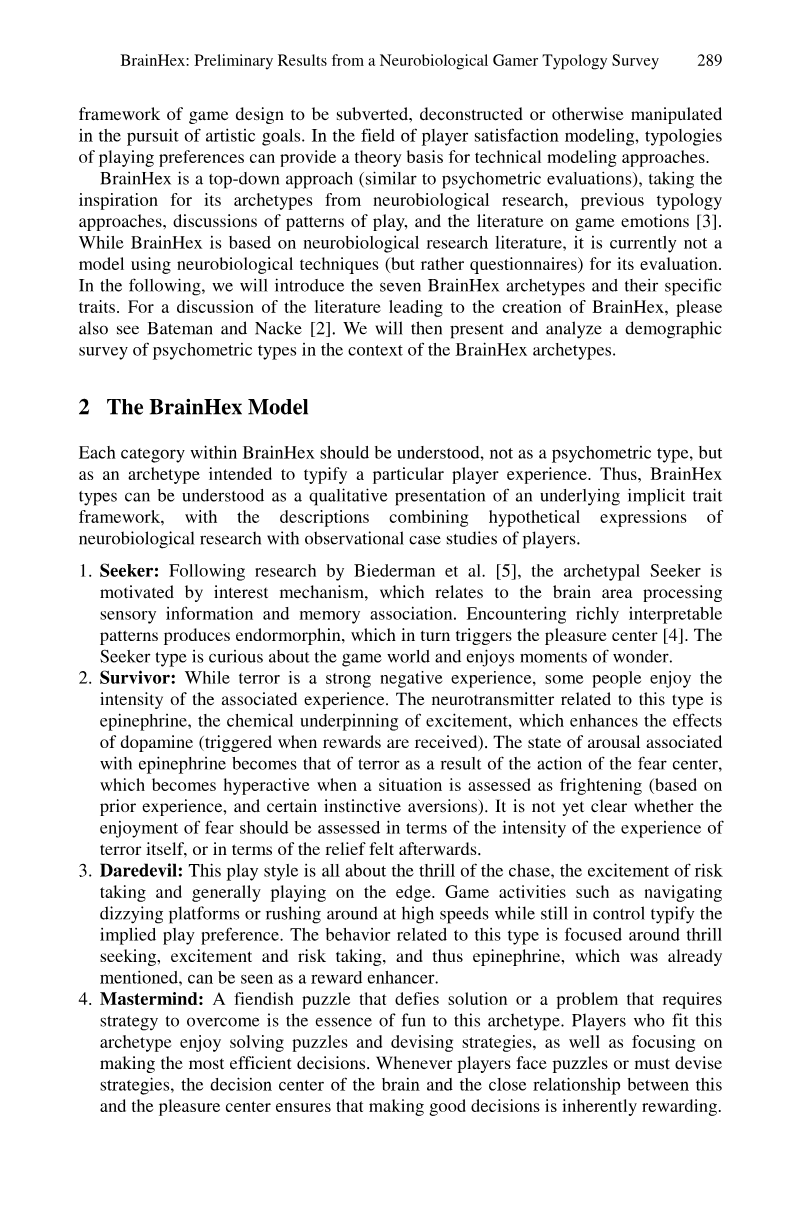
BrainHex: Preliminary Results from a Neurobiological Gamer Typology Survey
University of Ontario Institute of Technology · 2011
Whitepaper
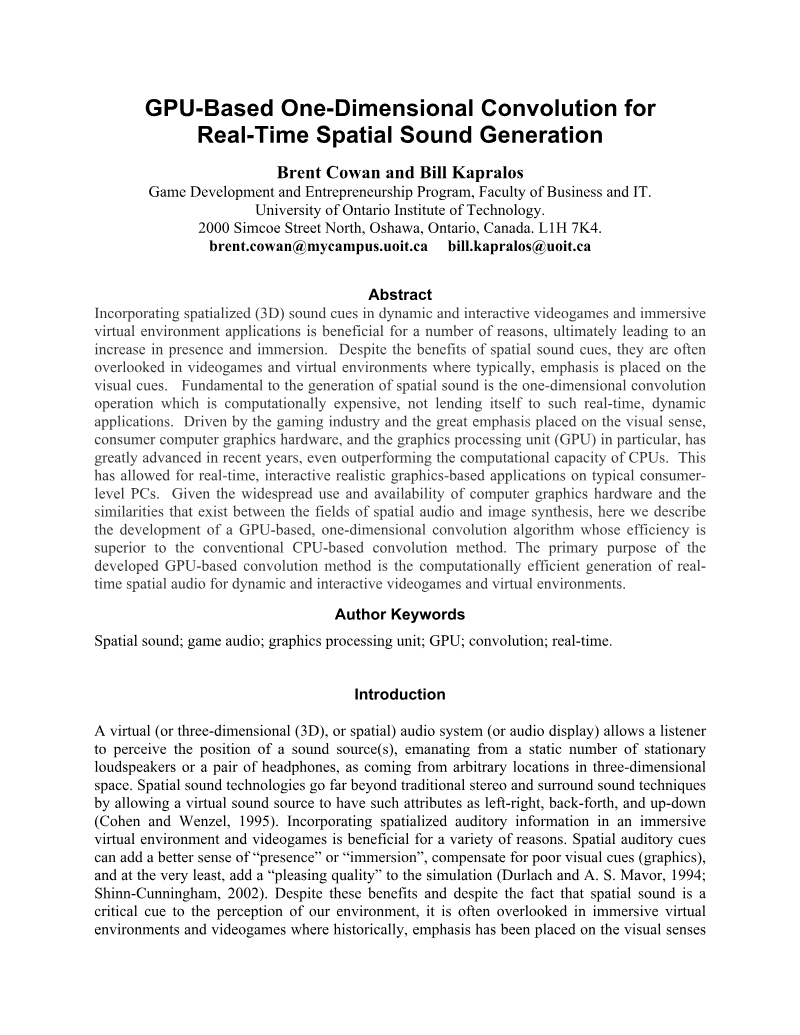
GPU-Based One-Dimensional Convolution for Real-Time Spatial Sound Generation
University of Ontario Institute of Technology · 2009