1 free read left. Create a free account for unlimited reading + AI research.
Create free accountArticle gamevironments
1 free read left. Create a free account for unlimited reading + AI research.
Create free accountArticlegamevironments
Bosman's study argues that most digital games use death as trivial feedback. Only a smaller group embeds death within the game's fictional logic.
Frank Bosman's study examines how digital games narratively frame the death of the player's avatar, arguing that most titles treat death as a trivial feedback mechanism while a smaller group embeds it within the fictional logic of the game. To organize these embeddings, the analysis proposes a typology of three main types and seven subtypes. Type 1 covers narratively present deaths resolved through cloning, replacement, or switching to another avatar, as in Borderlands, Bioshock Infinite, and Valley. Type 2 covers deaths circumvented through simulation, such as the desynchronization of Assassin's Creed II and the rewinding of The Talos Principle, or through external help, as with Elika in Prince of Persia and Elizabeth in Bioshock Infinite. Type 3 comprises games with no explicit death narrative, including implicit cases like Watch_Dogs and permadeath titles like The Binding of Isaac.
The typology is grounded in the technical history of saving and respawning, from password systems and battery-backed cartridges to automatic checkpoints, and in the recent revival of permadeath driven by hardcore player demand. A central finding is that cloning and replacement mechanics, though they nominally acknowledge the original avatar's death, preserve near-unbroken player-avatar identification and render death narratively meaningless rather than truly preventing it. Across all types, in-game death is consistently portrayed as far less permanent than real death.
The study's interpretive dimension situates these embeddings within religious and philosophical traditions. Type 1 alternative continuities and Type 2 emergency exits resonate with promises of eternal life, forgiveness, and contemplation, though only against violent death rather than natural death. The author regards the collective-only eternal life of Type 1C as the most cynical variant. The analysis concludes by calling on designers to reconcile commercial accessibility with lasting consequences for player choices, pointing to experimental single-life designs such as the unreleased Upsilon Circuit and One Chance (2010).
 Assassin's CreedGame · Ubisoft Montreal · 2007 · 343 documents
 BorderlandsGame · Gearbox Software · 2009 · 121 documents
 The Binding of IsaacGame · Edmund McMillen · 2011 · 20 documents
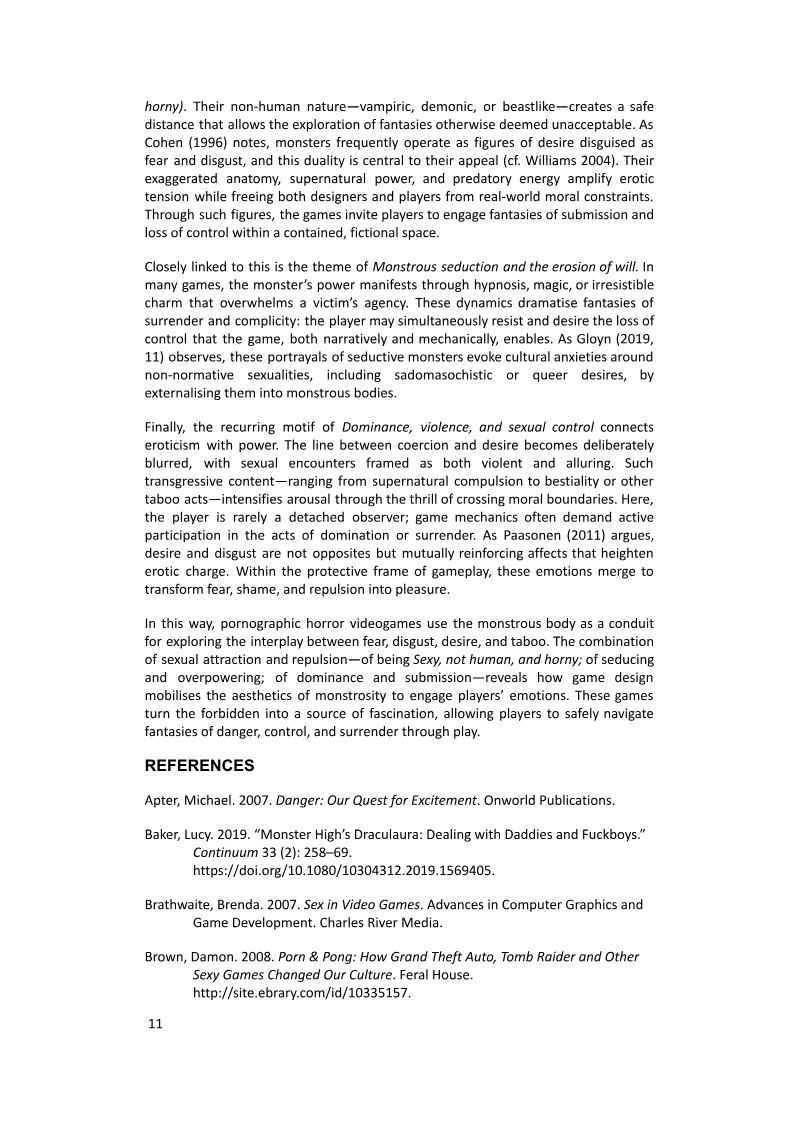
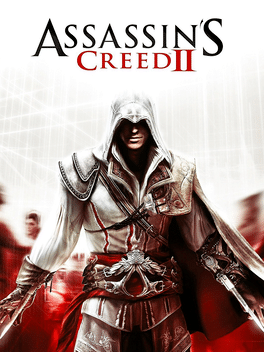 Assassin's Creed IIGame · Ubisoft Montreal · 2009 · 5 documents
 The Talos PrincipleGame · Croteam · 2014 · 4 documents
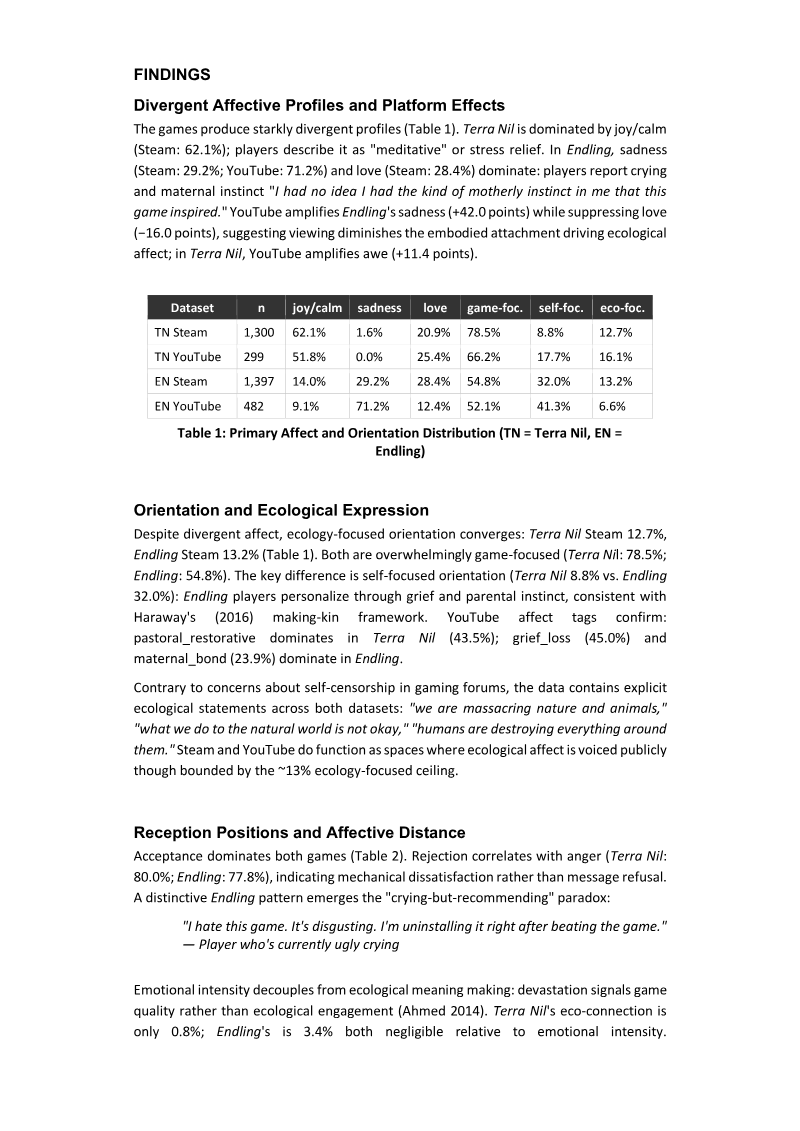
Each row is a game or company this document names, each column a document, oldest first. A mark means that document names it. Select a row to see those documents.
European Conference on Games Based Learning (ECGBL) · 2026

European Conference on Games Based Learning (ECGBL) · 2026
gamevironments · 2026

The Game Business · 2026