1 free read left. Create a free account for unlimited reading + AI research.
Create free accountWhitepaper DiGRA
1 free read left. Create a free account for unlimited reading + AI research.
Create free accountWhitepaperDiGRA
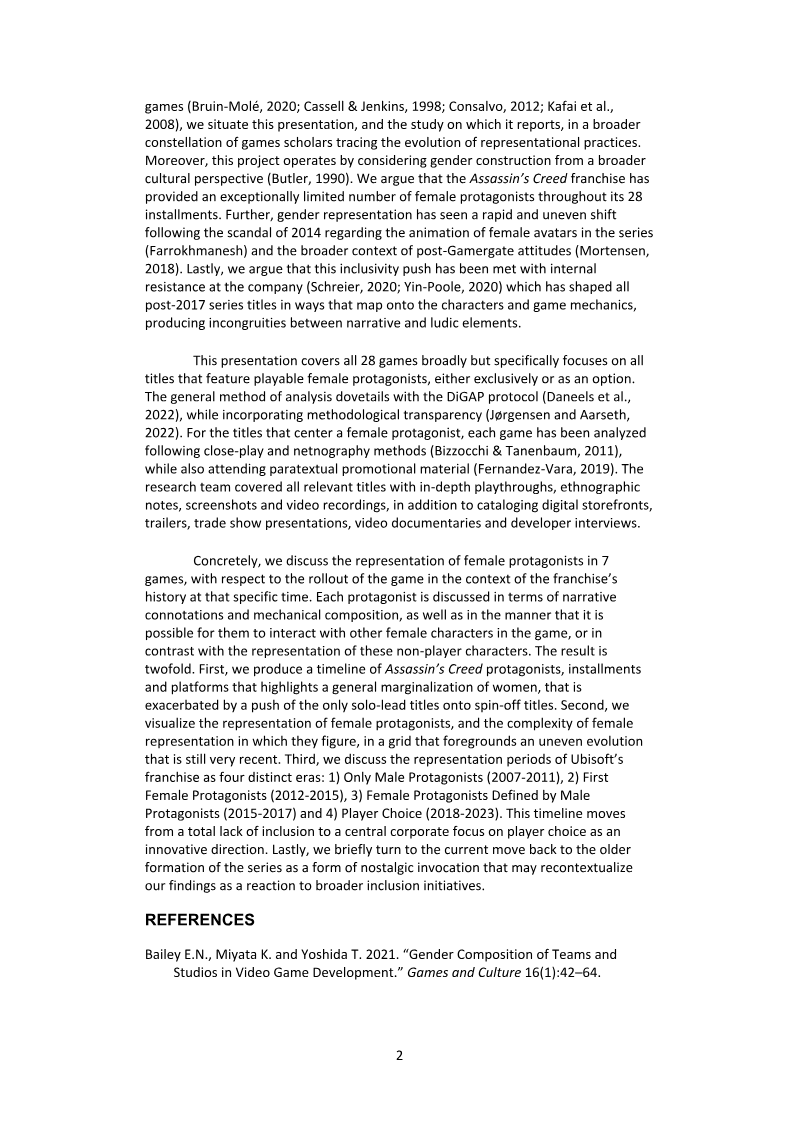
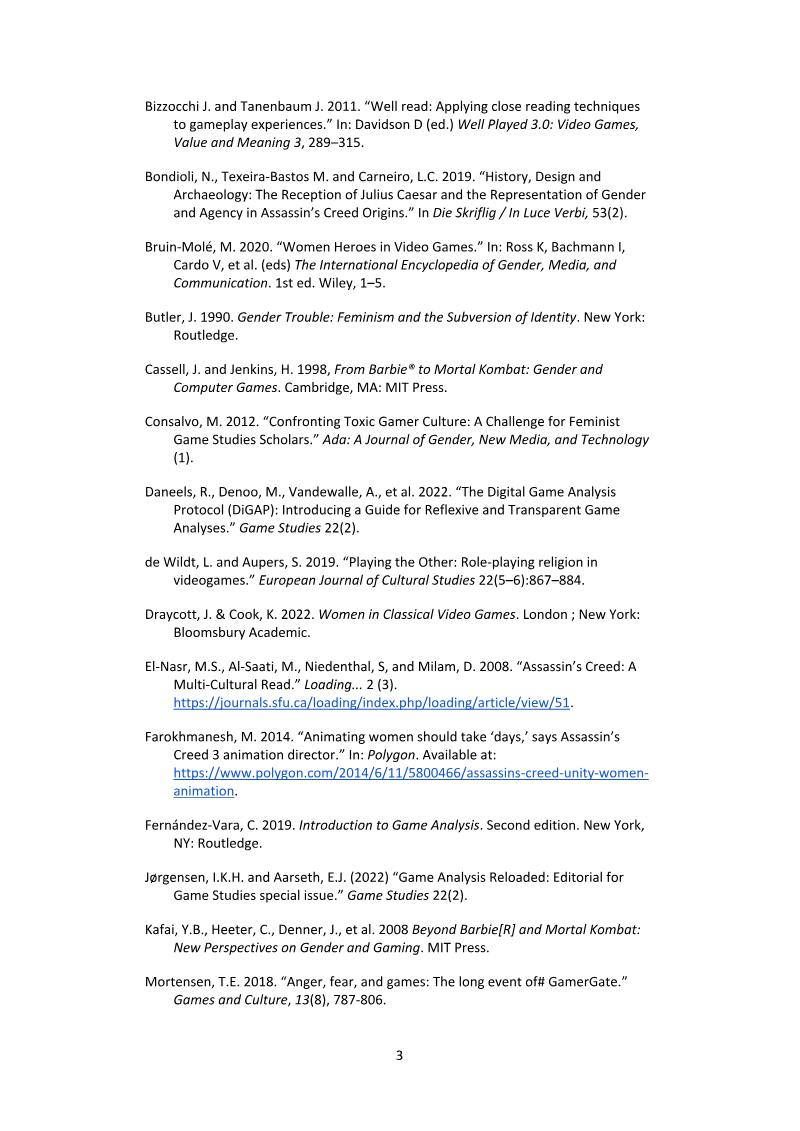
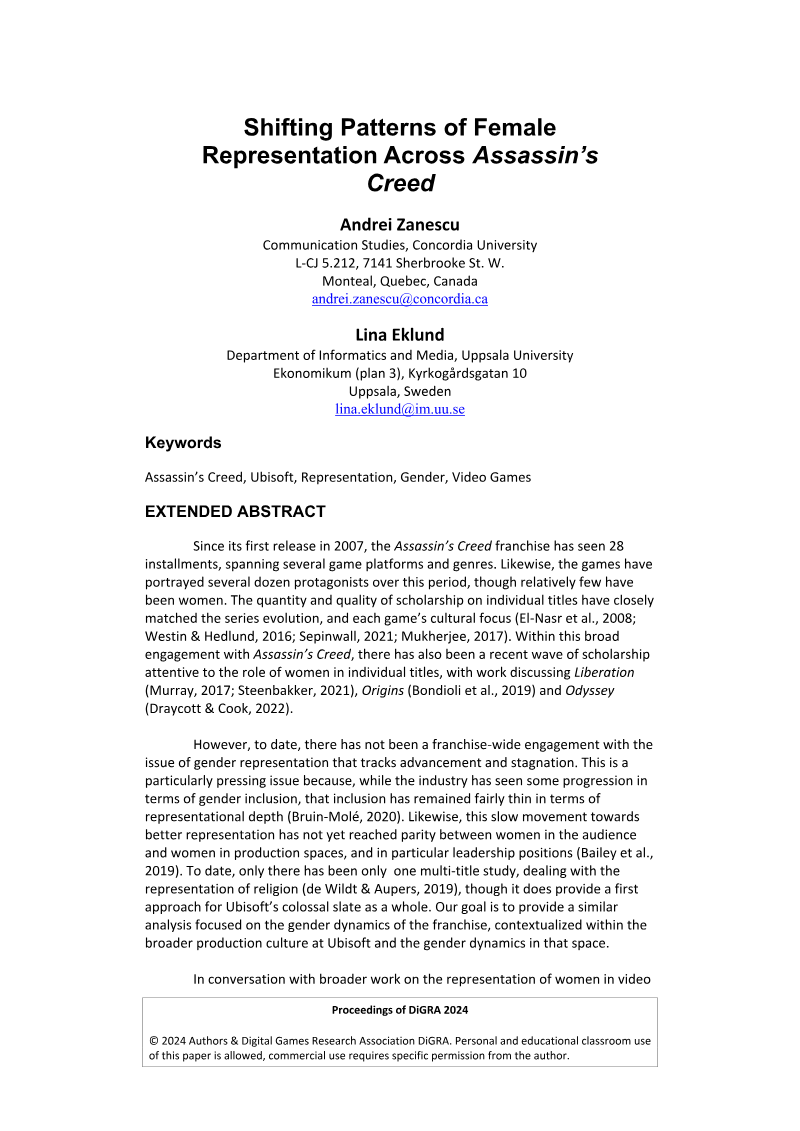
It sits between broad game-wide concepts and narrow single-title studies. It excludes turn-based and auto-battler combat.
This analysis establishes a framework for understanding real-time melee combat systems in action games, positioning gameplay systems as a level of analysis between broad, game-wide concepts and narrow single-title studies. Drawing on scholarly work, professional designer commentary, and six titles released after 2014, including Devil May Cry 5, Dark Souls III, Nioh 2, Monster Hunter World, Street Fighter 6, and Sekiro, it argues that combat is built from movesets, timing, and frame-based windows. Its scope is deliberately restricted to real-time melee, distinguished from turn-based and auto-battler combat.
The core vocabulary of this framework centers on frame-level mechanics: startup, active, and recovery frames, cancels, combos, and punishes. Collisions are resolved through hitboxes and hurtboxes, while meters, numerical modifiers, and status effects shape moment-to-moment play. The analysis also describes offensive, defensive, and mixed chains, and defines "operational challenge" as the product of operational complexity and action precision, encompassing move, chain, and spatial precision. Here the framing of "fast" versus "slow" combat emerges as an aesthetic distinction, with examples spanning Elden Ring, Bloodborne, Sekiro, Street Fighter 6, Dark Souls, and Monster Hunter.
A central finding concerns tempo. Long, non-cancelable moves, as seen in Dark Souls, tend to produce cautious, opponent-driven rhythms, whereas short moves and frequent cancels, as in Hades and Devil May Cry 5, sustain aggressive, fast pacing. Nioh 2 and Monster Hunter Rise occupy hybrid positions between these poles. The analysis further contrasts reaction-based with anticipation-based combat and strategic pre-battle preparation with tactical in-battle improvisation. Its conclusion is that system design can encourage particular tempos, though actual player behavior may diverge from the designer's intent.
 Street Fighter 6Game · Capcom Development Division 2 · 2023 · 96 documents
 Dark Souls IIIGame · FromSoftware · 2016 · 9 documents
 Nioh 2Game · Team NINJA · 2020 · 12 documents
 Monster Hunter: WorldGame · Capcom · 2018 · 31 documents
 Devil May Cry 5Game · Capcom Development Division 1 · 2019 · 20 documents
 Elden RingGame · FromSoftware · 2022 · 235 documents
 Monster Hunter RiseGame · Capcom Development Division 2 · 2021 · 34 documents
 BloodborneGame · FromSoftware · 2015 · 19 documents
 HadesGame · Supergiant Games · 2020 · 43 documents
 Assassin's CreedGame · Ubisoft Montreal · 2007 · 331 documents
 Batman: Arkham AsylumGame · Rocksteady Studios · 2009 · 11 documents
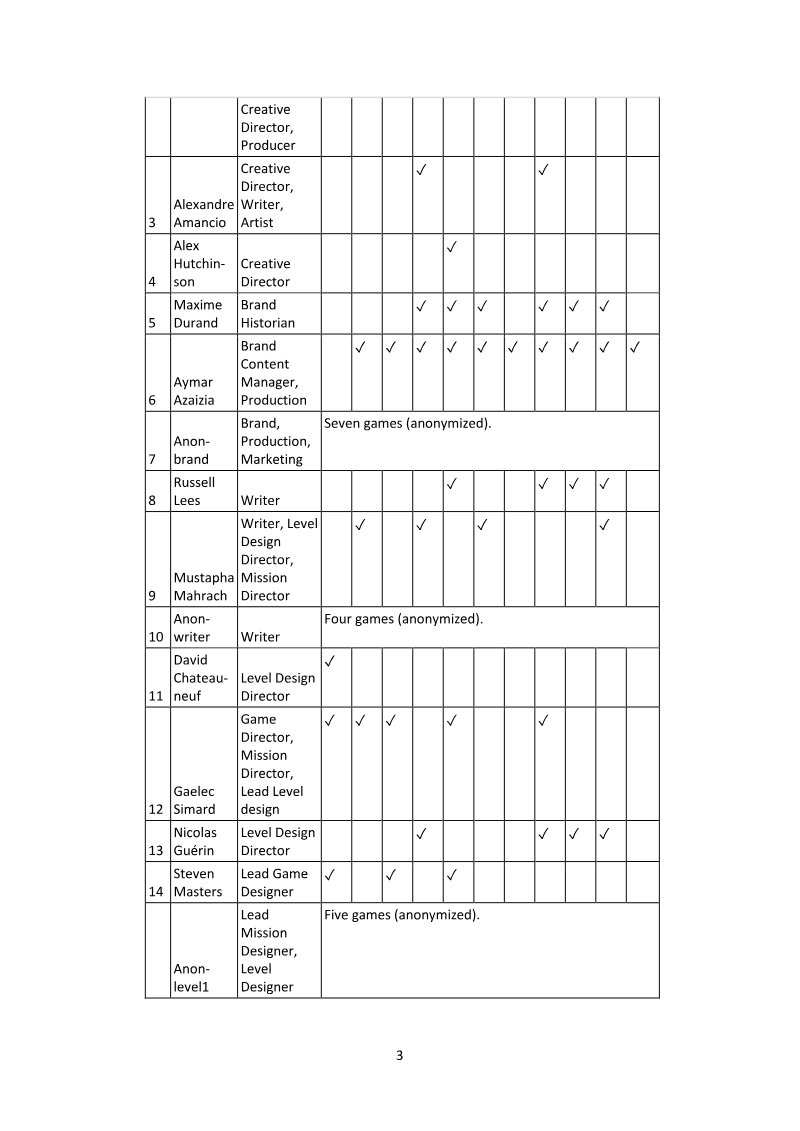
Each row is a game or company this document names, each column a document, oldest first. A mark means that document names it. Select a row to see those documents.
DiGRA · 2026
Jason Schreier · 2026